The Cold War, a period of geopolitical tension and proxy conflicts, was also a time of relentless technological advancement, particularly in the realm of military hardware. Beneath the icy depths of the oceans, a silent arms race unfolded, with both superpowers developing increasingly sophisticated and terrifying weapons. Among the most chilling of these was the Soviet Union’s development of a nuclear-tipped torpedo, a weapon so potent it could fundamentally alter the strategic landscape of global conflict. This is the story of that weapon, its conception, its terrifying potential, and the shadowy existence it maintained, a testament to the existential dread that permeated the latter half of the 20th century.
The development of nuclear torpedoes aboard Soviet submarines marked a significant advancement in underwater warfare technology during the Cold War. For a deeper understanding of this topic, you can explore the article that discusses the strategic implications and technical specifications of these formidable weapons. To read more, visit this article.
The Genesis of a Doomsday Device: Nuclear Torpedoes and Soviet Doctrine
The idea of equipping a torpedo with a nuclear warhead was not a fleeting thought but a calculated response to perceived strategic necessities within the Soviet military. The Soviet Union, often finding itself at a perceived technological or numerical disadvantage compared to its Western counterparts, sought asymmetric advantages – weapons that could deliver overwhelming destructive power to offset smaller numbers or less advanced conventional forces.
The Strategic Imperative: Deterrence and Counter-Fleet Capabilities
The primary driver behind the development of nuclear torpedoes was the desire to neutralize the formidable naval power of the United States and its allies. The US Navy, with its carrier battle groups and global reach, was a significant threat to Soviet maritime interests and a cornerstone of Western deterrence. A single nuclear torpedo, capable of destroying an entire carrier strike group, offered a way to inflict disproportionate damage, effectively acting as a potent deterrent.
Project 627 “Kit” and the Early AM-25 Torpedo
While specific details surrounding early nuclear torpedo development are shrouded in secrecy, it is understood that the concept gained traction in the late 1950s and early 1960s. Projects like Project 627 “Kit,” which involved the development of the first Soviet nuclear-powered submarines, were closely intertwined with the pursuit of advanced weapon systems. The early stages of nuclear torpedo development likely focused on adapting existing torpedo designs to accommodate a small nuclear warhead, a complex engineering challenge. The AM-25 torpedo, a 533mm torpedo, is believed to have been one of the early platforms considered for such a warhead.
The Concept of “Escalation Dominance” and Limited Nuclear War
Beyond pure deterrence, Soviet military doctrine also entertained the possibility of a limited nuclear war. In such a scenario, a nuclear torpedo could be used to achieve specific, decisive objectives – such as sinking a key enemy capital ship or crippling a naval port – without necessarily triggering a full-scale strategic nuclear exchange. This concept of “escalation dominance,” where one side could use nuclear weapons in a controlled manner to gain a decisive advantage, was a dangerous element of Soviet strategic thinking.
The Technological Hurdles: Miniaturization and Delivery
Developing a functional nuclear torpedo was a monumental technological undertaking. The primary challenge lay in miniaturizing a nuclear warhead to fit within the confined space of a torpedo while maintaining reliability and explosive yield.
Warhead Design and Fission/Fusion Technology
Soviet scientists and engineers had to grapple with the intricacies of designing a compact nuclear warhead. This involved mastering fission technology, where heavy atomic nuclei are split, releasing vast amounts of energy. The further development of fusion technology, which involves the merging of light atomic nuclei, offered even greater explosive power in a smaller package. The precise nature of the warheads developed remains a closely guarded secret, but it is understood that they would have employed advanced metallurgical techniques and specialized components to withstand the harsh underwater environment and the stresses of launch.
Propulsion and Guidance Systems
Beyond the warhead itself, the torpedo’s propulsion and guidance systems presented significant engineering challenges. Nuclear detonations are immensely powerful and generate intense heat and pressure. The torpedo’s casing had to be robust enough to survive the shockwave, and its internal components had to be shielded from radiation. Furthermore, the guidance systems needed to be exceptionally accurate, capable of homing in on a moving target at considerable distances, and resilient to the disruptive effects of a nuclear detonation.
The Poseidon Program: The SS-N-13 and the Weaponized Deterrent

The most prominent and well-documented Soviet nuclear torpedo program was that associated with Project 705 Lira, often referred to by its NATO reporting name, “Poseidon.” This program focused on developing specialized submarines equipped with a unique weapon system designed to deliver a nuclear torpedo.
The SS-N-13: A Dedicated Nuclear Torpedo Platform
The SS-N-13 was a unique design, a single-hull, high-speed submarine developed specifically to carry and deploy the nuclear torpedo. Its design was optimized for rapid deployment and deep diving capabilities, allowing it to launch its devastating payload from relative safety.
Submarine Design and Operational Profile
The SS-N-13 was characterized by its compact size and its emphasis on speed. Its hull was constructed from high-strength titanium alloys, allowing it to withstand the pressures of deep dives. The operational profile envisioned for these submarines involved lurking at significant depths, waiting for an opportune moment to launch their nuclear torpedo. This strategy aimed to maximize the element of surprise and minimize the submarine’s exposure to enemy anti-submarine warfare (ASW) forces.
The 65-75 “Okean” Torpedo and its Nuclear Variant
The primary weapon of the SS-N-13 was intended to be a modified version of the 65-75 “Okean” torpedo. The “Okean” was a large-caliber (650mm) torpedo designed for anti-ship roles. The nuclear variant, often referred to as the “Fizik” warhead, was a miniaturized nuclear device that could be fitted to this torpedo. The intended yield of these warheads is a subject of much speculation, but estimates range from tens to hundreds of kilotons, a power capable of annihilating an entire fleet.
The Operational Deployment and Secrecy
The precise number of SS-N-13 submarines built and their operational status remains a matter of conjecture and declassified intelligence. However, it is understood that several of these vessels were commissioned and potentially deployed during the height of the Cold War. The nature of their missions would have been highly classified, likely involving patrols in strategically important ocean areas or holding positions as part of a rapid response nuclear strike capability.
The Threat of First Strike and Preemptive Action
The existence of a weapon system like the SS-N-13, capable of delivering a crippling blow to a naval fleet with a single shot, undoubtedly contributed to the anxieties surrounding the possibility of a Soviet first strike. The ability to neutralize a significant portion of the US Navy before it could effectively respond would have been a highly tempting option for Soviet strategists in certain scenarios.
The Role of Intelligence and Counter-Intelligence
Western intelligence agencies were undoubtedly aware of the Soviet nuclear torpedo program. The challenge for them was to accurately assess its capabilities, the number of deployed weapons, and the intent behind their development. This involved extensive surveillance, signal intelligence, and human intelligence gathering, all conducted under the constant threat of detection and retaliation.
The Terrifying Potential: The “Tsunami Bomb” and Escalation Scenarios

The primary concern surrounding the Soviet nuclear torpedo was not merely its explosive yield but also the devastating secondary effects it could unleash. The concept of a nuclear torpedo, particularly when deployed in coastal waters or archipelagos, raised the specter of a novel and terrifying form of attack: a nuclear-induced tsunami.
The Physics of Underwater Nuclear Detonations
Detonating a nuclear weapon underwater produces a massive bubble of superheated plasma. As this bubble expands and collapses, it displaces enormous quantities of water, generating powerful shockwaves and creating a localized surge.
Shockwave Propagation and Damage
The primary shockwave from an underwater nuclear detonation travels outwards at supersonic speeds, capable of immense destruction to submarines, ships, and underwater infrastructure. The pressure exerted by this shockwave can crush even reinforced structures.
The Tsunami Effect: “The Poor Man’s Atomic Bomb”
The most chilling aspect of an underwater nuclear detonation, particularly at shallow depths or near shore, is the potential to generate a significant tsunami. While conventional tsunamis are caused by seismic activity, a powerful underwater nuclear explosion can mimic these effects by displacing a massive volume of water. This “tsunami bomb” scenario was a particularly alarming prospect, as it could devastate coastal cities and naval bases with little to no warning.
Strategic Implications of a Nuclear Tsunami
The prospect of using a nuclear torpedo to generate a tsunami introduced a new dimension to nuclear warfare, one that could inflict catastrophic damage on civilian populations and infrastructure far from the initial point of detonation.
Targeting of Coastal Naval Bases and Cities
The strategic targets for such a weapon would have been obvious: major naval bases and densely populated coastal cities. The ability to cripple a nation’s naval power and simultaneously inflict widespread destruction on its population with a single, highly concealed attack offered a terrifying strategic advantage.
The “Limited Nuclear War” Paradox and Unintended Consequences
The development of weapons like the nuclear torpedo, designed to facilitate a “limited nuclear war,” paradoxically increased the risk of global escalation. The sheer destructive power and the potential for unforeseen consequences, such as a massive tsunami, could easily trigger a retaliatory response that spiraled out of control, leading to a full-scale nuclear exchange. The very weapons designed to control escalation could, in fact, be the catalysts for annihilation.
The development of nuclear torpedoes aboard Soviet submarines marked a significant advancement in underwater warfare technology during the Cold War era. These formidable weapons were designed to enhance the strategic capabilities of the Soviet Navy, allowing for stealthy and powerful strikes against enemy vessels. For a deeper understanding of the implications and historical context surrounding these innovations, you can read more in this insightful article on the topic. To explore further, visit this link.
The End of an Era: The Dissolution of the Soviet Union and the Nuclear Torpedo’s Fate
| Metric | Value |
|---|---|
| Submarine Name | Soviet submarine K-129 |
| Warhead Type | Nuclear torpedo |
| Warhead Yield | Estimated at 1.45 megatons |
| Location | Pacific Ocean, near Hawaii |
| Incident Date | March 8, 1968 |
The collapse of the Soviet Union in 1991 marked a seismic shift in global politics and military strategy. The elaborate and often terrifying weapon systems developed during the Cold War were re-evaluated, dismantled, or brought under new management. The fate of the Soviet nuclear torpedo program was directly tied to the fate of the state that conceived it.
The Dismantling of Arsenals and Arms Control Treaties
Following the Soviet collapse, efforts to secure and dismantle existing nuclear arsenals intensified. International arms control treaties, which had been in place throughout the Cold War, were re-examined and strengthened. The dismantling of Soviet nuclear torpedoes was a critical component of these efforts.
Verification and International Cooperation
The process of verifying the dismantling of these specialized weapons was a complex undertaking, requiring international cooperation and intrusive inspection regimes. Ensuring that no nuclear warheads or related delivery systems remained in undeclared stockpiles was paramount to global security.
The Fate of the SS-N-13 Submarines
The fate of the SS-N-13 submarines themselves was also a consideration. Some were likely scrapped, while others may have been sunk or repurposed. Their existence, even in a deactivated state, represented a tangible reminder of the dangerous technological race of the Cold War.
The Lingering Legacy: A Cautionary Tale
While the Soviet nuclear torpedo program, as a distinct operational threat, has likely ceased to exist, its legacy continues to resonate. It stands as a stark reminder of the lengths to which nations will go in pursuit of military superiority and the profound existential risks inherent in the development of weapons of mass destruction.
The Continued Threat of Nuclear Proliferation
The knowledge and technology associated with nuclear weapons, including the miniaturization of warheads for delivery systems like torpedoes, remains a concern. The potential for rogue states or non-state actors to acquire such capabilities, however unlikely, underscores the ongoing need for vigilance and robust non-proliferation efforts.
Lessons for the Future of Arms Control
The story of the Soviet nuclear torpedo serves as a crucial case study for the future of arms control. It highlights the importance of transparency, verifiable disarmament, and the continuous effort to de-escalate tensions and reduce the reliance on nuclear deterrence. The shadow of the Poseidon’s fury reminds us that the pursuit of ever more destructive power carries a profound responsibility, one that must never be underestimated. The oceans may have reclaimed the Soviet nuclear torpedoes, but the lessons they impart remain vitally relevant in navigating the complex and perilous landscape of global security.
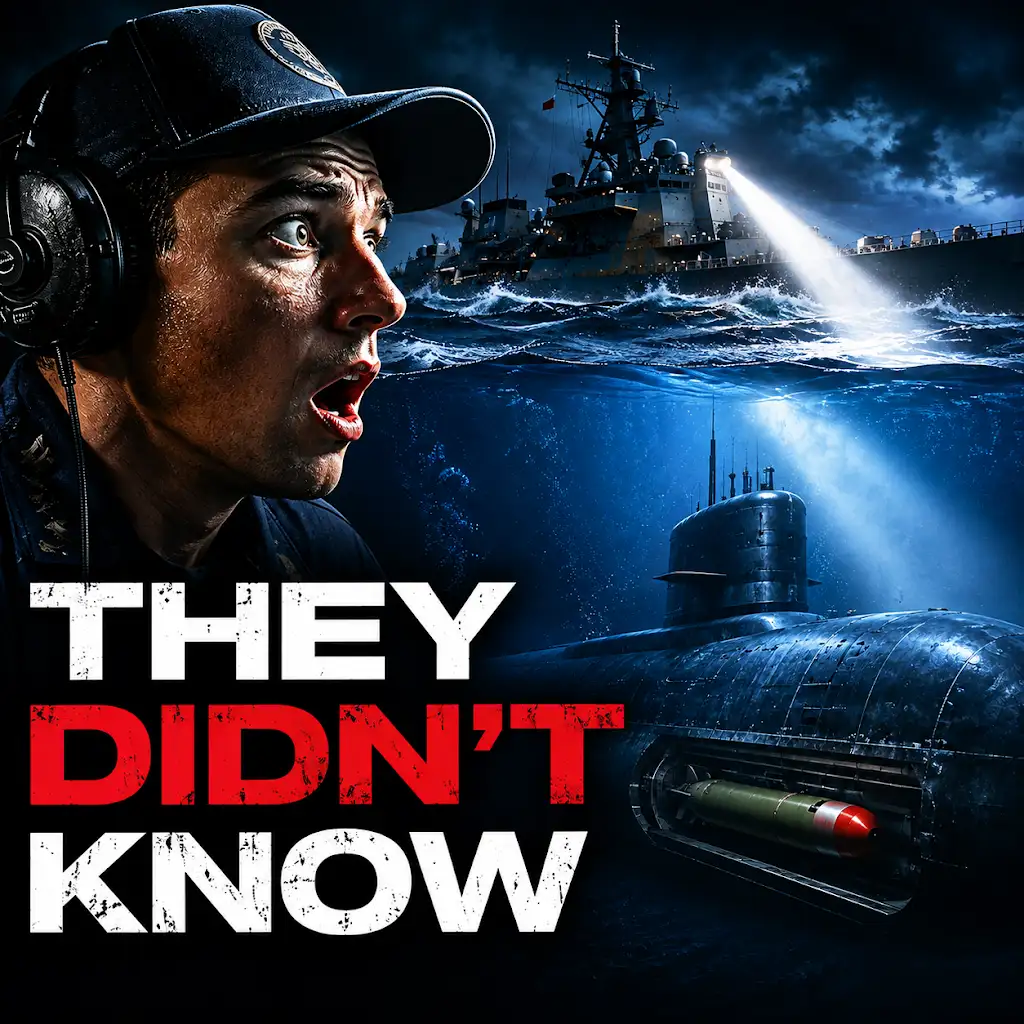
The U.S. Navy Didn’t Know This Submarine Had a Nuclear Torpedo
FAQs
What is a nuclear torpedo?
A nuclear torpedo is a torpedo armed with a nuclear warhead. It is designed to be launched from a submarine and can cause massive destruction to enemy ships and coastal areas.
What is the significance of a nuclear torpedo aboard a Soviet submarine?
The presence of a nuclear torpedo aboard a Soviet submarine during the Cold War era heightened tensions between the United States and the Soviet Union. It added to the already existing nuclear arms race and increased the risk of a potential nuclear conflict.
How were nuclear torpedoes controlled and deployed?
Nuclear torpedoes were controlled and deployed by specially trained crew members aboard the submarine. The torpedoes were launched from the submarine’s torpedo tubes and could be remotely controlled to target enemy vessels or coastal areas.
What were the potential consequences of a nuclear torpedo being used in a conflict?
The use of a nuclear torpedo in a conflict could have resulted in catastrophic consequences, including widespread destruction, loss of life, and long-term environmental damage. It could have also escalated the conflict into a full-scale nuclear war.
Are nuclear torpedoes still in use today?
While specific details about current nuclear weapons capabilities are classified, it is known that several countries possess nuclear weapons, including nuclear torpedoes. However, the use of nuclear weapons is governed by international treaties and agreements aimed at preventing their proliferation and use.