The Whispers of the Deep: Examining the Soviet Submarine Commander Drunk Theory
The Cold War was a period rife with paranoia, propaganda, and the constant hum of technological one-upmanship. Beneath the icy surface of the Atlantic and Pacific oceans, nuclear-armed submarines stalked each other, a silent ballet of potential annihilation. In this high-stakes environment, stories, both true and embellished, circulated with a chilling speed. One such enduring narrative, a persistent whisper in the annals of naval lore, concerns the alleged inebriation of Soviet submarine commanders at the helm of their formidable vessels, particularly during moments of extreme tension. The “Soviet Submarine Commander Drunk Theory,” as it might be termed, paints a grim picture: seasoned officers, perhaps fueled by vodka and the immense pressure of their duty, making reckless decisions that could have plunged the world into nuclear war. But how much truth, if any, lies beneath this sensational claim? Was it a genuine, albeit terrifying, Cold War reality, or merely a product of Western propaganda, designed to sow discord and highlight perceived Soviet incompetence and recklessness? This article will delve into the origins of this theory, explore the available evidence, consider the cultural context of alcohol consumption in the Soviet Union, and assess the likelihood of such dangerous incidents occurring within the highly disciplined and dangerous environment of Soviet submarine operations.
The intriguing theory surrounding Soviet submarine commanders and their alleged reliance on alcohol has sparked considerable debate among historians and military analysts. For a deeper exploration of this topic, you can read a related article that delves into the complexities of Soviet naval operations and the cultural factors that may have influenced command decisions. To learn more, visit this article.
The Genesis of a Gripping Narrative: Cold War Fears and Enemy Stereotypes
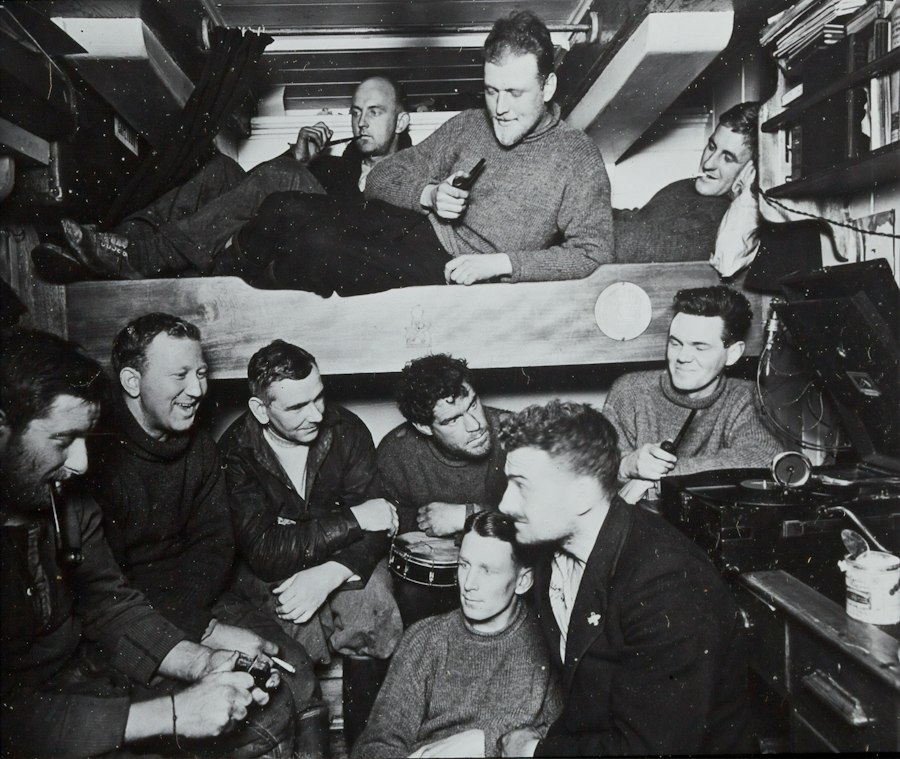
The seeds of the “Soviet Submarine Commander Drunk Theory” were sown in the fertile ground of Cold War anxiety. The West, particularly the United States, was deeply concerned about the Soviet Union’s military might, especially its growing submarine fleet, which posed a significant threat to NATO’s naval dominance and its ability to project power globally. This inherent fear created an environment where any perceived weakness or flaw in the Soviet system could be amplified and exploited.
Propaganda and the Dehumanization of the Enemy
During the Cold War, propaganda was a potent weapon wielded by both sides. The Soviet Union was often portrayed in the West as a monolithic, brutal, and irrational entity, driven by ideology and a desire for global conquest. This portrayal, while sometimes containing kernels of truth, often relied on broad stereotypes and exaggerations. The image of a drunken Soviet officer, particularly one in command of a nuclear submarine, fit neatly into this narrative of a dangerously unpredictable enemy. It served to highlight not only the perceived incompetence of the Soviet military but also the supposed moral and cultural failings of the Soviet people. By emphasizing such caricatures, Western propaganda aimed to dehumanize the adversary, making it easier to justify the immense military spending and the constant state of alert. The idea that a single drunken individual could hold the fate of the world in his hands, while terrifying, also played into the Western public’s perception of the Soviet threat as being both immense and disturbingly arbitrary.
Whispers from the Silent Service: Unverified Accounts and Anecdotes
The “Soviet Submarine Commander Drunk Theory” is largely sustained by a collection of anecdotes and unverified accounts that have circulated for decades. These stories, often recounted by former Western submariners or intelligence analysts, paint a picture of lax discipline and dangerous drinking habits. While compelling, these accounts often lack concrete corroboration and are susceptible to the same biases that fueled wartime propaganda. The very nature of the submarine service, a world of secrecy and isolation, made it difficult to obtain definitive proof of any internal affairs, let alone the private habits of its commanders. This clandestine environment, while essential for operational security, also provided fertile ground for rumors and speculation to flourish, often unhindered by factual verification. The mystique surrounding Soviet submarines, the “boogeymen of the deep,” further amplified these whispers, transforming them into almost legendary tales.
The Cultural Context of Alcohol in the Soviet Union
Understanding the “Soviet Submarine Commander Drunk Theory” necessitates an examination of the role of alcohol in Soviet society. Vodka, in particular, held a prominent place in Russian culture, often associated with celebrations, camaraderie, and as a coping mechanism for the hardships of daily life. This cultural acceptance of alcohol, while not unique to the Soviet Union, was often highlighted and exaggerated by Western observers to paint a picture of a society steeped in vice and prone to indiscipline.
Vodka and Social Rituals
Alcohol, especially vodka, was deeply ingrained in Soviet social rituals. From toasts at weddings and holidays to informal gatherings among friends, vodka was a constant companion. This widespread consumption, while not necessarily indicative of widespread alcoholism, did mean that alcohol was more readily available and socially acceptable than in some Western societies. For individuals operating under immense stress, such as submarine commanders, the availability and social acceptance of alcohol could potentially pose a greater risk. The pressures of command, the isolation, and the constant threat of war could, in theory, lead some to seek solace or escape in drink.
The Iron Discipline of the Military
Despite the cultural acceptance of alcohol, the Soviet military was renowned for its iron discipline. While anecdotal evidence of drinking may exist, it is crucial to weigh this against the inherent nature of military organizations, particularly those tasked with operating highly sophisticated and dangerous weaponry. Disciplinary measures within the Soviet armed forces were typically severe, and the consequences for dereliction of duty, especially in a nuclear-armed submarine, would have been catastrophic. This creates a tension: the cultural context suggests a potential for alcohol consumption, while the military context suggests an extreme disincentive for its use in critical situations.
The Mechanics of the Deep: Operational Realities and Safety Protocols
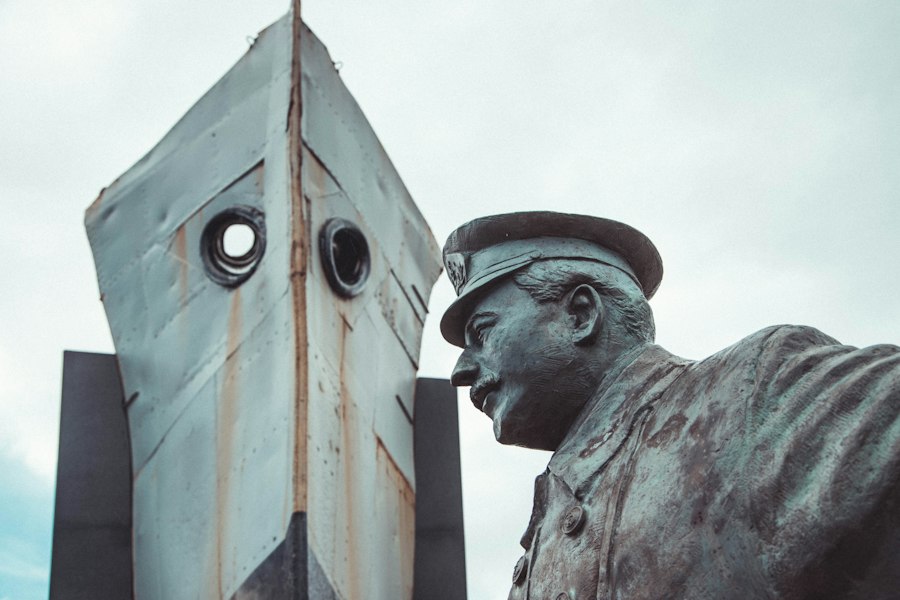
The notion of a drunken commander at the helm of a nuclear submarine operating at periscope depth, or on a combat patrol, conjures images of an imminent catastrophe. However, the reality of submarine operations, particularly during the Cold War, was far more complex and inherently designed to mitigate such risks. The operational environment, the advanced technology, and the rigorous training involved in Soviet submarine service painted a starkly different picture from the sensationalized anecdotes.
The Crew and the Chain of Command
A submarine is not a one-man operation. It is a complex ecosystem of highly trained individuals, each with specific responsibilities. Even if a commander were to succumb to intoxication, the chain of command within the submarine would likely prevent a catastrophic outcome. The executive officer (XO), the navigator, the sonar operator, and numerous other individuals would all be aware of deviations from standard operating procedures. The sheer number of checks and balances, along with the collective responsibility of the crew, would make it exceedingly difficult for a single individual’s impaired judgment to go unnoticed or unchallenged for long. The inherent dangers of submarine warfare fostered a strong sense of crew cohesion and mutual reliance, where individual errors could have dire consequences for everyone on board.
The theory surrounding the Soviet submarine commander being under the influence has sparked considerable interest among military historians and enthusiasts alike. This intriguing perspective is explored in depth in a related article that examines the complexities of submarine operations during the Cold War era. For those interested in delving deeper into this topic, you can find more information in the article here, which provides a comprehensive overview of the challenges faced by commanders in high-pressure situations.
Technological Safeguards and Redundancies
Modern submarines, even during the Cold War, were equipped with a multitude of technological safeguards and redundancies designed to prevent accidents and unauthorized actions. Critical systems, especially those related to weapons deployment, would have multiple layers of authorization and verification. It is highly improbable that a single individual, regardless of their state of mind, could unilaterally launch a nuclear missile or engage in other catastrophic actions without multiple crew members and technological confirmations. The systems themselves were designed with failure points in mind, and redundancies were built in to ensure that even with a single component failure, the overall mission could continue or be safely aborted.
The Psychology of Command Under Extreme Pressure
The pressures faced by submarine commanders were immense. They operated in a highly stressful environment, often for months at a time, with the weight of strategic deterrence on their shoulders. While the theory suggests that such pressure might lead to alcohol abuse, it is also true that individuals who rise to such positions of command are typically selected for their psychological resilience, discipline, and ability to perform under duress. The training and vetting process for these officers would have been incredibly stringent, designed to identify and weed out individuals prone to such lapses in judgment. Furthermore, the potential consequences of their actions were so profound that the instinct for self-preservation, coupled with a deep sense of duty, would likely act as a powerful deterrent against reckless behavior.
Examining the Evidence: Scarcity of Concrete Proof and the Power of Rumor
Despite the persistent nature of the “Soviet Submarine Commander Drunk Theory,” hard evidence to support it is remarkably scarce. The secretive nature of Cold War naval operations, coupled with the inherent biases of propaganda, makes it challenging to separate verifiable fact from unsubstantiated rumor.
Declassified Documents and Intelligence Reports
While numerous documents related to the Cold War and submarine operations have been declassified, few, if any, provide concrete evidence of Soviet submarine commanders operating under the influence of alcohol during critical missions. Intelligence agencies on both sides were constantly trying to gather information about the adversary’s capabilities and weaknesses. If such a recurring or significant problem existed, it is
A Soviet Submarine Hit a U.S. Frigate. Was It the Wrong Ship?
FAQs
What is the Soviet submarine commander drunk theory?
The Soviet submarine commander drunk theory suggests that the sinking of the K-129 submarine in 1968 was caused by the captain being intoxicated while on duty.
Is there evidence to support the Soviet submarine commander drunk theory?
There is no concrete evidence to support the theory that the Soviet submarine commander was drunk at the time of the K-129 sinking. The official Soviet investigation did not mention alcohol as a factor.
What are some alternative theories to explain the sinking of the K-129 submarine?
Some alternative theories suggest that the K-129 submarine sank due to a mechanical failure, a collision with another vessel, or sabotage by foreign forces.
How did the Soviet Union respond to the sinking of the K-129 submarine?
The Soviet Union initially denied that the K-129 submarine had sunk, but later acknowledged the loss of the vessel. They conducted a secret operation to recover the submarine’s wreckage from the ocean floor.
What impact did the sinking of the K-129 submarine have on Cold War tensions?
The sinking of the K-129 submarine heightened Cold War tensions between the Soviet Union and the United States. It also led to increased surveillance and intelligence operations in the Pacific Ocean by both countries.