Echoes from the Deep: A Collision in the Ionian Sea
The Cold War, a period of intense geopolitical tension and proxy conflicts, often played out in the silent, shadowy depths of the world’s oceans. Submarine warfare was a crucial, if largely unseen, theater of this global rivalry. While the public was aware of the general threat posed by nuclear-armed submarines, the specific incidents, the near misses, and the actual collisions that occurred between naval vessels of the United States and the Soviet Union remained, for the most part, classified secrets. One such event, a collision between a Soviet submarine and a U.S. Navy vessel in the Ionian Sea in the late 1970s, offers a compelling glimpse into the perils of Cold War naval operations and the precarious balance of power that defined the era. This incident, shrouded in secrecy for decades, highlights the constant risk of accidental escalation and the sheer luck that often prevented minor maritime encounters from spiraling into international crises.
The Ionian Sea, a body of water strategically located between Greece, Albania, Italy, and the western coast of the Balkan Peninsula, served as a vital transit route and a region of significant naval activity during the Cold War. For both the North Atlantic Treaty Organization (NATO) and the Warsaw Pact, controlling or at least monitoring this area was of paramount importance. NATO maintained a strong presence, with naval bases in Italy and Greece, while Soviet submarines, particularly those operating out of the Black Sea and the Mediterranean, frequently patrolled these waters. Their mission was to track NATO naval movements, especially carrier strike groups and other high-value assets, and to project Soviet naval power. This constant cat-and-mouse game, played out beneath the waves, inevitably led to close encounters, and sometimes, as in this case, to collisions.
The specifics of the collision, including the exact date and the names of the vessels involved, were not widely disseminated at the time, and even decades later, detailed official accounts remain elusive. However, through declassified documents, memoirs of naval personnel, and journalistic investigations, a picture has begun to emerge of a dangerous near-disaster that underscored the immense pressure and inherent risks faced by submariners on both sides. The incident serves as a stark reminder that beneath the calculated strategic maneuvers and the ideological posturing, there existed a tangible, human element, where miscalculations, equipment failures, or simply bad luck could have had catastrophic consequences.
In a recent analysis of naval incidents, an article on the website In the War Room explores the implications of the Soviet submarine collision in the Ionian Sea, shedding light on the strategic challenges faced during the Cold War. The piece delves into the operational tactics employed by both NATO and Soviet forces, highlighting how such incidents influenced maritime security policies. For a deeper understanding of this historical event and its ramifications, you can read the full article here: In the War Room.
The Silent Hunt: Soviet Submarine Operations in the Mediterranean
The Soviet Union placed a significant emphasis on its submarine force during the Cold War, recognizing its potential as a deterrent and a potent offensive weapon. The Mediterranean, with its strategic waterways like the Turkish Straits and its proximity to key NATO military installations, was a prime area for Soviet submarine operations. The Soviet Navy deployed various classes of submarines, from diesel-electric hunter-killers to advanced nuclear-powered ballistic missile submarines (SSBNs) and attack submarines (SSNs). These vessels were tasked with a multitude of missions, including intelligence gathering, surveillance of NATO naval forces, and the potential interdiction of shipping lanes.
Strategic Importance of the Mediterranean
The Mediterranean Sea was not just a waterway; it was a geopolitical chessboard. For the Soviet Union, maintaining a strong naval presence here was crucial for several reasons. Firstly, it allowed for direct observation and shadowing of NATO fleets, particularly the U.S. Sixth Fleet, which was a significant projection of American power in Europe. Secondly, it provided a forward operating area for submarines, reducing transit times to potential targets and increasing their operational flexibility. The presence of Soviet submarines in the Mediterranean also served as a psychological deterrent to NATO, reminding them of the constant Soviet threat.
The Threat of Submarine Encounters
The close proximity of opposing naval forces in a confined space like the Mediterranean inevitably increased the likelihood of encounters. Soviet submarines, often operating in a stealthy manner to avoid detection, were frequently tasked with tracking NATO vessels. This “silent hunt” involved maintaining a covert pursuit, gathering intelligence on ship movements, and being ready to respond in a conflict scenario. However, the very nature of stealth operations meant that detection avoidance was paramount, and this could lead to risky maneuvers. U.S. Navy ships, in turn, were equally diligent in trying to detect and track Soviet submarines, employing sophisticated sonar systems and anti-submarine warfare (ASW) tactics. The constant tension and the high stakes involved in these tracking operations created an environment ripe for accidents.
The Encounter: Navigating the Ionian Depths
The specific incident in the Ionian Sea involved a Soviet submarine operating in its typical patrol patterns. The exact nature of its mission at the time of the collision is not definitively known, but it likely involved tracking NATO naval activity or conducting independent reconnaissance. The U.S. Navy vessel, though not necessarily a submarine itself, was also engaged in its own operational duties, which could have included ASW patrols, escort duties, or transit through the region. The collision likely occurred due to a combination of factors, a confluence of circumstances that pushed the boundaries of proximity and vigilance.
The Invisible Dance of Submarine Warfare
Submarine warfare is characterized by its invisibility. Unlike surface vessels, submarines operate beneath the waves, relying on sonar to “see” their environment and detect other vessels. Sonar, however, is not infallible. Active sonar, which emits sound pulses and listens for echoes, can reveal a submarine’s presence to others. Passive sonar, which listens for sounds emitted by other vessels, is stealthier but has a more limited range and can be confused by ambient noise or the sounds of marine life. During the Cold War, both sides were constantly developing and deploying more advanced sonar technology, but the technology was still a far cry from perfect. This created a constant battle of technological prowess, with each side trying to outwit and out-listen the other.
Factors Contributing to the Collision
Several factors could have contributed to the collision. Poor visibility due to murky water conditions, adverse weather, or the limitations of sonar technology on either vessel could have played a role. Human error, such as a momentary lapse in concentration by a sonar operator or a misjudgment of distance by the commanding officer, is also a possibility. Furthermore, the pressure to maintain surveillance and avoid detection could have led to aggressive maneuvering or operating in closer proximity than would be considered safe under normal circumstances. The sheer volume of naval traffic in the Ionian Sea during this period also increased the statistical probability of such an encounter.
The Immediate Aftermath: Damage, Secrecy, and Diplomatic Silence
The moment of impact would have been jarring for those aboard both vessels. The sudden jolt, the scraping of metal, and the immediate realization of a critical situation would have sent waves of adrenaline and concern through the crews. For the Soviet submarine, the immediate priority would have been to assess damage and ensure the safety of the crew and the vessel’s integrity. For the U.S. Navy ship, the response would have been similar, with a focus on damage control and determining the nature of the vessel they had collided with. The intense secrecy surrounding Cold War naval operations meant that any damage would have been dealt with as discreetly as possible.
Assessing the Damage and Ensuring Safety
Following the collision, both crews would have been engaged in immediate damage control efforts. For a submarine, a breach in the hull could be catastrophic, leading to flooding and potential sinking. The structural integrity of the vessel would have been paramount, and any signs of compromise would have triggered emergency procedures. Similarly, the U.S. Navy vessel would have assessed its own damage, which could range from minor superficial scrapes to more significant structural issues, depending on the size and nature of the vessels involved and the force of the impact. The priority for both commanding officers would have been the safety and survival of their respective crews.
The Code of Silence: A Cold War Imperative
The Cold War was an era where information was a weapon, and secrecy was a shield. The last thing either superpower wanted was a public incident that could be perceived as aggressive or incompetent. A collision, especially one involving a submarine, could easily be interpreted as a deliberate act of aggression or a sign of lax military discipline. Therefore, any damage sustained and the circumstances surrounding the collision would have been immediately classified. The crews involved would have been under strict orders not to discuss the incident with anyone outside their immediate chain of command. This enforced silence ensured that the incident remained a closely guarded secret, buried deep within the archives of naval intelligence.
In a recent exploration of naval history, the incident involving a Soviet submarine collision in the Ionian Sea has garnered significant attention. This event not only highlights the complexities of Cold War naval operations but also raises questions about maritime safety protocols during that era. For a deeper understanding of the implications of such incidents, you can read more in this insightful article about submarine warfare and its historical context. If you’re interested, check out the full details here.
The Lingering Impact: Lessons Learned and Historical Significance
| Metric | Details |
|---|---|
| Incident | Soviet Submarine Collision in Ionian Sea |
| Date | October 1985 |
| Location | Ionian Sea, near Greece |
| Submarines Involved | Soviet Whiskey-class submarine and a U.S. Navy submarine (likely USS Baton Rouge) |
| Cause | Underwater collision during covert operations |
| Damage | Both submarines sustained damage; no casualties reported |
| Aftermath | Submarines returned to base for repairs; incident increased Cold War naval tensions |
| Significance | Highlighted risks of underwater espionage and naval operations during Cold War |
While the collision itself was quickly swept under the rug of Cold War secrecy, its implications, both immediate and long-term, are significant. The incident served as a stark reminder of the inherent dangers of operating naval forces in close proximity during a period of heightened geopolitical tension. It highlighted the constant risk of accidental escalation and the thin line that separated routine patrols from potentially catastrophic confrontations. The lessons learned from such near-misses, however discreetly handled, likely contributed to the development of protocols and procedures aimed at de-escalating tensions and preventing future incidents.
The Constant Threat of Escalation
The primary takeaway from incidents like the Ionian Sea collision is the ever-present threat of unintended escalation during the Cold War. The constant shadowing and surveillance operations, while intended to gather intelligence and maintain a strategic advantage, also created a volatile environment. A collision, even if accidental, could have been misinterpreted by the opposing side as a deliberate provocation. In the highly charged atmosphere of the Cold War, such an interpretation could have had severe repercussions, potentially leading to retaliatory actions and a rapid descent into open conflict. The fact that this incident, and others like it, did not trigger a wider crisis is a testament to the measured responses of military commanders on both sides and the existence of unwritten rules of engagement that prioritized de-escalation in such circumstances.
Contributing to Naval De-escalation Protocols
While official acknowledgments of such incidents are rare, it is reasonable to assume that the experiences gained from these close calls informed the development of naval de-escalation protocols. The lessons learned about the potential for accidental collisions and the importance of clear communication, even when operating covertly, likely led to adjustments in naval tactics and procedures. The establishment of direct communication lines between military leaders of opposing powers, such as the Moscow-Washington hotline, was a direct response to the dangers of miscalculation. In the naval realm, similar unwritten understandings and refined procedures for maintaining safe distances and avoiding provocative actions in contested waters would have emerged over time. The Ionian Sea collision, though unknown to the public, was a brick in the wall of experience that helped build a more cautious approach to naval interactions between the superpowers.
A Forgotten Chapter: The Legacy of Underwater Encounters
The Soviet submarine collision in the Ionian Sea, like many other classified Cold War incidents, represents a forgotten chapter in the history of global military engagement. These events, played out in the silent depths, shaped the geopolitical landscape in ways that are not always apparent in the grand narratives of treaties and summits. The courage and dedication of the submariners who operated under immense pressure and constant threat are often overlooked. Their stories, pieced together from declassified documents and personal accounts, offer a more nuanced understanding of the Cold War, one that acknowledges the human element and the everyday risks involved in maintaining peace through the terrifying specter of war.
The Unseen Dangers Faced by Submariners
The lives of submariners, regardless of nationality, were fraught with unique dangers. Confined spaces, the constant threat of external attack, the psychological toll of prolonged underwater missions, and the ever-present possibility of catastrophic failure all contributed to a high-stress environment. The collision in the Ionian Sea serves as a stark reminder that these dangers were not merely theoretical. The crews of both vessels faced a real and immediate threat to their lives and their vessels. Their professionalism and their ability to react swiftly and effectively in a crisis situation were crucial in averting a more dire outcome.
The Enduring Relevance of Maritime Diplomacy
The Ionian Sea collision underscores the enduring relevance of maritime diplomacy, even in the absence of overt conflict. The ability of naval forces to operate in shared waters without resorting to aggression is a cornerstone of international stability. The lessons learned from Cold War encounters, however obscure, emphasize the need for clear communication, adherence to established protocols, and a commitment to de-escalation. As naval powers continue to operate in increasingly complex and contested maritime environments, understanding the historical precedents, including the near-disasters that unfolded beneath the waves, remains vital for ensuring a peaceful and secure future for the world’s oceans. The silent encounter in the Ionian Sea, though largely unremembered, continues to echo with lessons of caution, professionalism, and the delicate art of managing rivalry in the unforgiving deep.
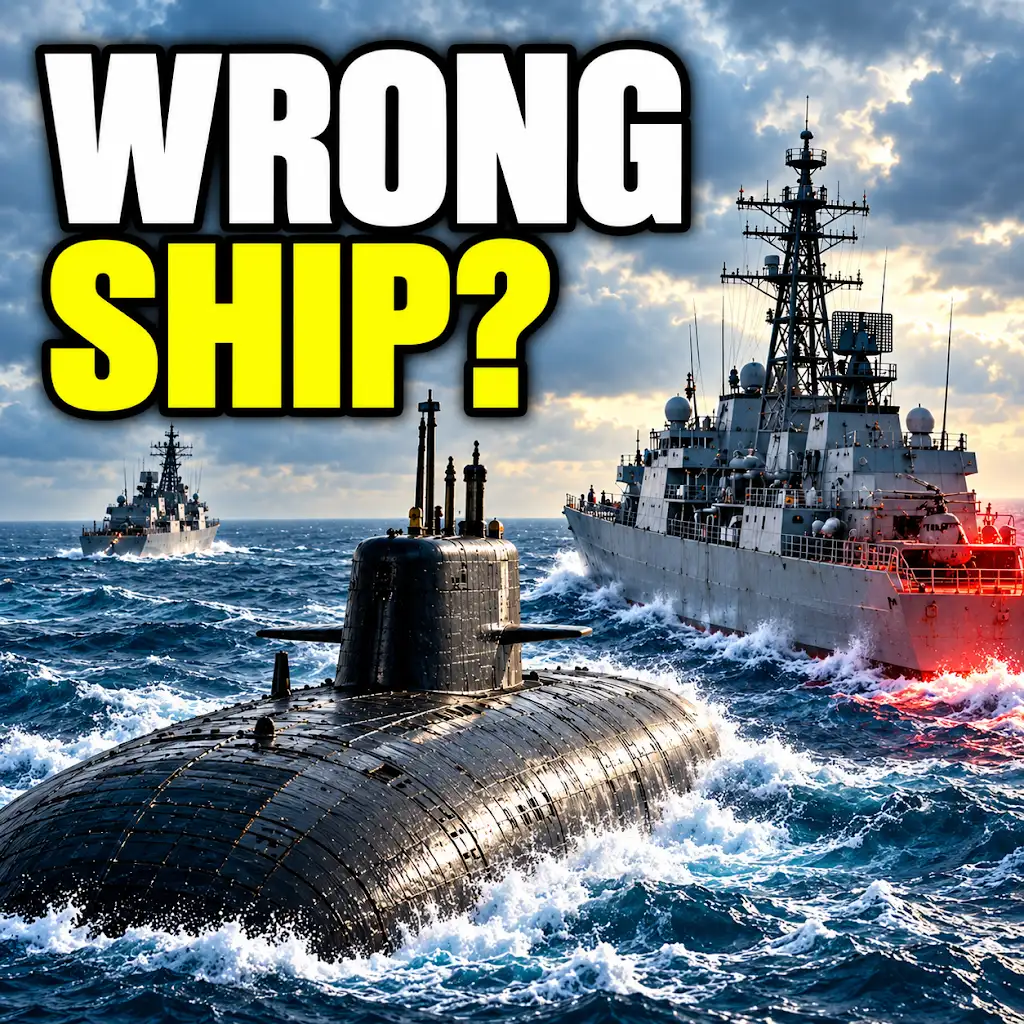
A Soviet Submarine Hit a U.S. Frigate. Was It the Wrong Ship?
FAQs
What happened during the Soviet submarine collision in the Ionian Sea?
On October 22, 1970, two Soviet submarines, the K-8 and K-22, collided in the Ionian Sea. The collision resulted in the sinking of the K-8 submarine, leading to the loss of 52 crew members.
What caused the Soviet submarine collision in the Ionian Sea?
The exact cause of the collision between the K-8 and K-22 submarines in the Ionian Sea was never officially confirmed. However, it is believed that a series of errors in navigation and communication may have contributed to the accident.
Were there any survivors from the Soviet submarine collision in the Ionian Sea?
There were 52 crew members aboard the K-8 submarine when it sank after the collision. Unfortunately, there were no survivors from the K-8 submarine. The crew of the K-22 submarine, involved in the collision, survived the incident.
What was the aftermath of the Soviet submarine collision in the Ionian Sea?
Following the Soviet submarine collision in the Ionian Sea, a large-scale search and rescue operation was conducted by the Soviet Navy to locate and recover the sunken K-8 submarine. The incident also led to increased scrutiny of Soviet submarine operations and safety protocols.
Did the Soviet Union publicly acknowledge the submarine collision in the Ionian Sea?
The Soviet Union initially did not publicly acknowledge the submarine collision in the Ionian Sea. It was only after Western intelligence agencies detected the incident that the Soviet Union confirmed the collision and the loss of the K-8 submarine.