The Silent Depths: Unraveling the Soviet Submarine Collision
The Cold War, a period of simmering tension and proxy conflicts, was characterized by a constant, silent race beneath the waves. Both the United States and the Soviet Union possessed formidable submarine fleets, engaged in cat-and-mouse games, intelligence gathering, and the ever-present threat of mutually assured destruction. Within this shadowy domain, accidents were not uncommon, but few were as dramatic and potentially consequential as the collision between the Soviet submarine K-219 and the American submarine USS Anchorage. While details surrounding such incidents are often shrouded in secrecy, the K-219 disaster, which occurred in 1986, provides a stark case study in the perils of underwater operations, the limitations of technology, and the profound human cost of military brinkmanship. This article will delve into the causes, immediate and long-term impacts, and the crucial lessons learned from this tragic event, highlighting the inherent dangers of operating in the abyss and the critical importance of robust safety protocols and open communication, even between adversaries.
In the realm of military maritime operations, understanding the complexities of submarine collisions is crucial for enhancing safety and operational effectiveness. A related article that delves into the analysis of Soviet submarine collisions can be found at this link: Soviet Submarine Collision Analysis. This piece provides valuable insights into the historical context, technical factors, and strategic implications of these underwater incidents, shedding light on the challenges faced by naval forces during the Cold War era.
The Ill-Fated Voyage of K-219
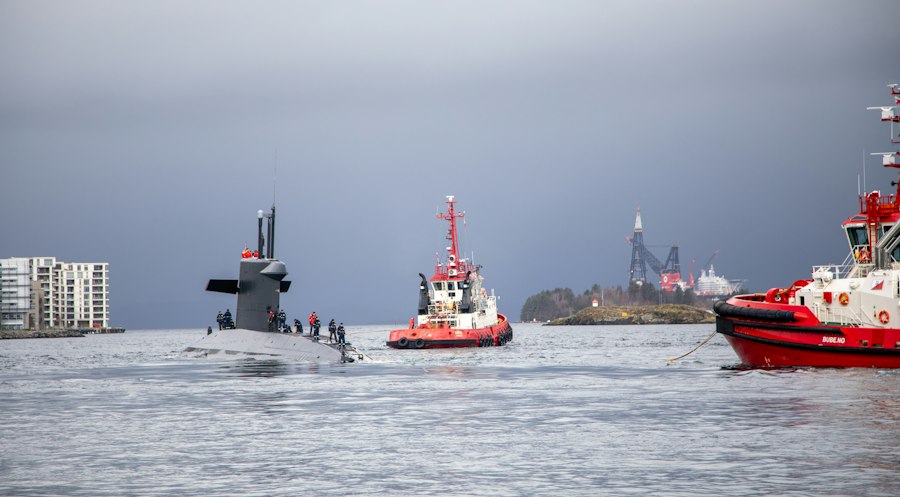
The Soviet submarine K-219, a Golf II-class ballistic missile submarine, embarked on a patrol in the North Atlantic in the late summer of 1986. Its mission, like many during the Cold War, was to maintain a strategic deterrent posture, positioning itself within striking distance of American targets. The Golf II class, while formidable for its time, was not without its limitations, and the specific operational history of K-219 was not pristine. There were reports of previous technical issues, and the crew, while professional, was operating under the immense pressure inherent in submarine service, particularly during extended deployments far from home. The operational environment itself was unforgiving: the deep, cold waters of the North Atlantic presented constant challenges to navigation and communication, and the inherent stealth required for submarine operations meant that visibility was virtually nil, relying on sonar and educated guesswork for situational awareness. The psychological toll of prolonged submersion, confined spaces, and the ever-present threat of detection and potential conflict further added to the stresses on the crew. This particular patrol was no exception, with K-219 operating in a region known for its heavy submarine traffic, a testament to the strategic importance both superpowers placed on this sector of the ocean.
Pre-Collision Circumstances and Contributing Factors
Several factors coalesced to create the perilous situation that led to the collision. The operational tempo was high, with both navies frequently deploying their submarines in close proximity, often without explicit notification. This created a constant risk of accidental encounters, exacerbated by the limitations of sonar technology of the era, which could be hampered by ambient noise, oceanographic conditions, and the inherent difficulty of distinguishing between various underwater objects. The K-219 was reportedly operating at a depth and speed that, while standard for its mission, placed it in a challenging position for avoiding unexpected obstacles. Furthermore, there were allegations of inadequate maintenance and potential equipment failures aboard K-219 prior to its final patrol, though definitive proof remains elusive given the classified nature of such investigations. The rigorous demands of Cold War naval operations, including extended deployments and the pressure to maintain a constant presence, could sometimes lead to compromises in routine maintenance or crew rest, although the Soviet Navy maintained strict operational standards.
The Encounter with USS Anchorage
The exact moment of collision is a subject of conflicting accounts and classified information. However, it is widely believed that K-219 and the American submarine USS Anchorage, a naval transport submarine, were operating in the same general vicinity. The inherent stealth of submarines, coupled with the vastness of the ocean, made it difficult for either vessel to accurately track the other’s precise movements. It is probable that one or both submarines were attempting to maintain a tactical advantage or conduct surveillance, leading them to operate in close proximity, perhaps in a posture of mutual detection but deliberate avoidance. The circumstances surrounding the encounter suggest a failure in either the detection capabilities of one or both vessels, or a miscalculation in their relative movements. The dense acoustic environment of the ocean, filled with natural and man-made noise, could have masked the approach of one submarine to the other, making a collision a tragic, albeit preventable, possibility. The presence of a larger, less agile vessel like the USS Anchorage could have further complicated the maneuvering capabilities of K-219.
The Catastrophic Aftermath
The collision between K-219 and USS Anchorage was not a simple glancing blow. It was a violent impact that had immediate and devastating consequences for the Soviet submarine and its crew. The forceful nature of the collision likely caused significant structural damage to K-219, compromising its watertight integrity and potentially damaging critical systems. The immediate aftermath was a chaotic struggle for survival, with the crew facing a rapidly deteriorating situation deep beneath the ocean’s surface. The psychological impact on the surviving crew members, thrust into a desperate fight for life amidst the wreckage of their vessel, would have been immense, compounded by the knowledge of the significant loss of life. The recovery and salvage efforts, undertaken by both sides, were also fraught with difficulty and posed considerable risks, underscoring the extreme environment in which these events unfolded.
Immediate Damage and Loss of Life
The impact itself was catastrophic. K-219 suffered severe damage, leading to flooding and a loss of buoyancy control. The collision likely ruptured missile launch tubes, potentially exposing the nuclear warheads to seawater, a scenario that fueled fears of a nuclear catastrophe. Tragically, the collision resulted in the deaths of many of K-219’s crew members, either in the initial impact or in the subsequent attempts to manage the crisis. The precise number of casualties has been a subject of some dispute, but it is understood to be substantial, representing a significant loss for the Soviet Navy. The Soviet government, in typical fashion during the Cold War, initially downplayed the incident and attributed the loss to a “technical malfunction,” a stark contrast to the grim reality that had unfolded beneath the waves. The intense pressure and the rapid ingress of water would have made any rescue or immediate evacuation impossible.
The Struggle for Survival and Evacuation
Following the collision, the surviving crew of K-219 faced an almost insurmountable challenge. With a damaged hull and sinking rapidly, their primary objective became survival. Reports indicate that the Soviet crew made heroic efforts to save their vessel, attempting to jettison ballast and restore control. However, the extent of the damage proved too great. A rescue operation was eventually launched by the Soviet Navy, but it was hampered by the remote location of the incident and the limited capabilities for deep-sea rescue at the time. The American submarine USS Anchorage, while also damaged, managed to surface and await rescue. The survivors of K-219 were eventually rescued, but many suffered from hypothermia and the psychological trauma of their ordeal. The rescue efforts themselves were complicated by the need to maintain secrecy and avoid further escalation of tensions between the superpowers.
The Shadow of Nuclear Contamination
One of the most terrifying aspects of the K-219 disaster was the potential for nuclear contamination. The submarine carried ballistic missiles, each
A Soviet Submarine Hit a U.S. Frigate. Was It the Wrong Ship?
FAQs
What was the Soviet submarine collision analysis about?
The Soviet submarine collision analysis was a study conducted to investigate and understand the circumstances surrounding the collision between two Soviet submarines in the Barents Sea.
When did the Soviet submarine collision occur?
The Soviet submarine collision took place on February 11, 1992, in the Barents Sea, near the Kildin Island.
What were the main findings of the Soviet submarine collision analysis?
The analysis revealed that the collision was a result of poor communication, navigation errors, and a lack of proper protocols followed by the submarine crews.
How many submarines were involved in the collision?
Two Soviet submarines were involved in the collision in the Barents Sea, namely the K-276 Kostroma and the K-429 Krasnodar.
What were the consequences of the Soviet submarine collision?
The collision resulted in significant damage to both submarines, loss of lives, and raised concerns about the safety and operational procedures of the Soviet Navy at that time.