Whispers from the Deep: Unearthing a Lost Cold War Catastrophe
The Cold War, a period of intense geopolitical tension and ideological struggle between the United States and the Soviet Union, was characterized by a constant, unspoken threat of nuclear annihilation. Beneath the surface of diplomatic maneuvering and proxy conflicts, a silent arms race raged, pushing technological boundaries and testing the limits of human endurance. While much of the focus remains on missile silos and bomber fleets, the shadowy world of submarine warfare played a crucial, often terrifying, role. These underwater behemoths, bristling with weaponry and prowling the world’s oceans, were both instruments of deterrence and potential harbingers of doom. Accidents, often shrouded in secrecy and buried by the weight of national security concerns, were an inevitable consequence of such high-stakes operations. One such incident, a catastrophic submarine disaster that occurred in the frigid waters of the North Atlantic, remained a closely guarded secret for decades, a chilling testament to the hidden naval tragedies of the Cold War. The full extent of the loss, the bravery of the crew, and the geopolitical ramifications were only slowly pieced together as declassified documents and whispered testimonies began to surface, illuminating a forgotten chapter of maritime history.
During the Cold War, the tension between superpowers often led to dangerous incidents, including accidents involving submarines. One notable event was the tragic sinking of the Soviet submarine K-219 in 1986, which raised concerns about nuclear safety and military protocols. For a deeper understanding of the complexities surrounding such Cold War accidents, you can read a related article that explores the implications and historical context of these events at this link.
The Silent Service and the Shadow of Secrecy
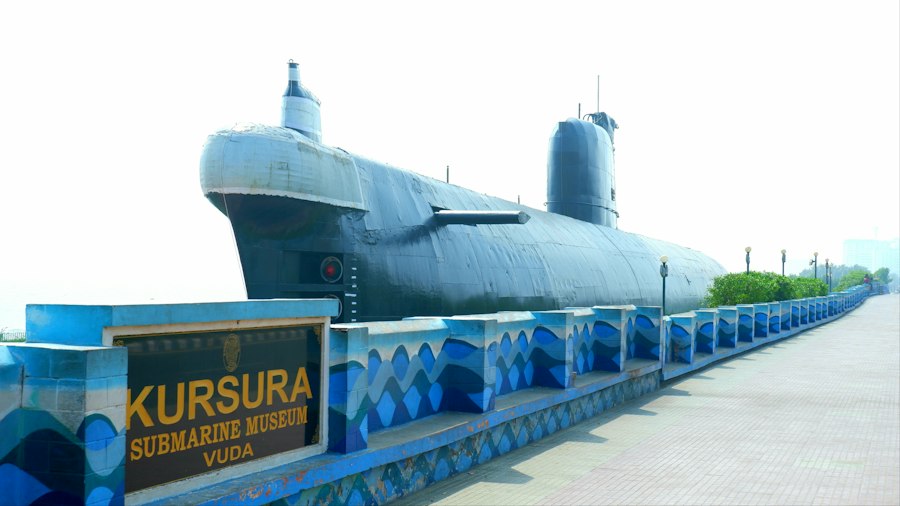
The Soviet Navy’s submarine force, a vital component of its strategic deterrent, operated under a veil of extreme secrecy. For years, the West knew relatively little about the capabilities, deployments, and operational challenges faced by these underwater vessels. The very nature of submarine warfare – operating in stealth, often far from prying eyes, and relying on internal systems for survival – lent itself to clandestine operations and the suppression of information. This inherent secrecy, while understandable from a military perspective, meant that when accidents occurred, they were often met with an immediate and resolute cover-up. The lives lost, the lessons learned, and the technological insights gained were frequently buried along with the sunken vessels. The desire to maintain an image of invincibility and to prevent the enemy from gaining any strategic advantage far outweighed the obligation of transparency.
The Strategic Landscape of the Northern Fleet
The Northern Fleet, based in the icy grip of Murmansk and surrounding areas, was the spearhead of the Soviet Union’s naval power. Its primary mission was to project Soviet influence, counter NATO naval forces, and provide a retaliatory nuclear strike capability. Submarines, particularly the diesel-electric and later nuclear-powered classes, were integral to this strategy. They patrolled the Atlantic, shadowing Western convoys, conducting reconnaissance, and acting as mobile missile platforms. The harsh Arctic environment, with its treacherous ice floes and extreme temperatures, added another layer of complexity and danger to their operations. The constant pressure of being on patrol, the isolation, and the inherent risks of operating in such a demanding theater meant that any malfunction or miscalculation could have dire consequences. The Northern Fleet’s submarines were often the first line of defense and the last line of offense, making their operational readiness and the safety of their crews paramount, yet often sacrificed in the pursuit of strategic superiority.
The Culture of Information Control
Within the Soviet military, a pervasive culture of information control was deeply ingrained. Open discussion of failures, accidents, or weaknesses was actively discouraged, often with severe repercussions for those who deviated from the party line. This extended to the navy, where operational details and incidents were classified at the highest levels. Families of lost sailors were often given vague explanations, if any at all, about the fate of their loved ones. The official narrative was one of unwavering success and the heroic dedication of Soviet servicemen. This policy of silence not only deprived the public of understanding the true human cost of the Cold War but also hindered the learning process within the military itself. Without open analysis of incidents, the recurrence of similar accidents, or the full understanding of design flaws, potential improvements were often delayed. The secrets held within the depths of the ocean were mirrored by the secrets held within the closed doors of Soviet military establishments.
The Ill-Fated Voyage of the K-19
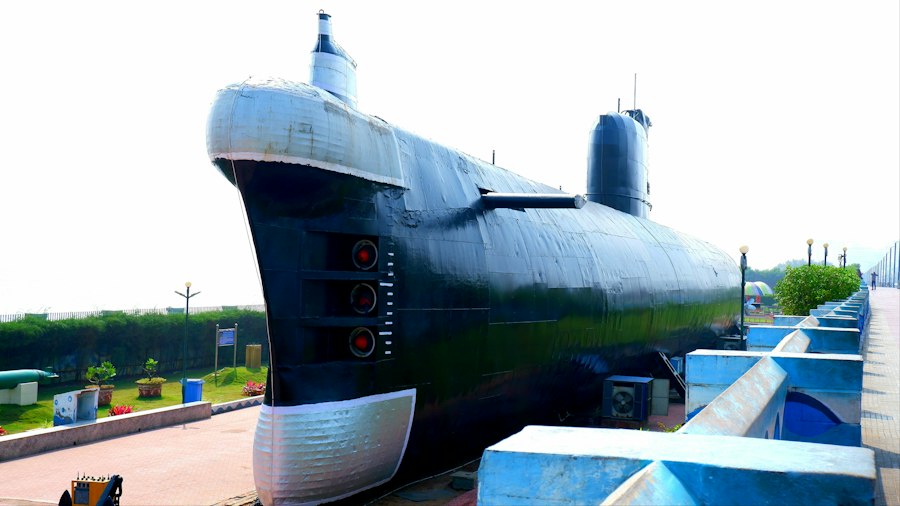
The Soviet submarine K-19, a Project 658 Hotel-class vessel, was a formidable, if troubled, machine. Commissioned in the early 1960s, it was one of the Soviet Union’s first nuclear-powered ballistic missile submarines, a significant technological leap and a cornerstone of its strategic nuclear triad. However, from its very inception, the K-19 was plagued by a series of technical issues and design flaws. These problems, often downplayed or overlooked by the haste to deploy the new weapon system, would ultimately contribute to the catastrophic event that would forever mark its history. The crew, comprised of young men eager to serve their country, were largely unaware of the full extent of the vessel’s vulnerabilities as they embarked on their perilous missions. The K-19 was a symbol of Soviet technological ambition, but also a harbinger of the dangers inherent in that ambition when coupled with pressure and secrecy.
Birth Pangs of a Nuclear Leviathan
The construction and commissioning of the K-19 were rushed. The Soviet Union was locked in an arms race with the United States, and the pressure to deploy a credible nuclear deterrent was immense. This haste led to shortcuts in construction, inadequate testing, and a disregard for certain safety protocols. Reports from former crew members and later declassified documents suggest a litany of minor incidents and near-misses during the K-19’s early operational life. These ranged from faulty equipment to minor leaks, all of which were, by necessity, patched up and integrated into the ship’s operational readiness. The inherent complexities of nuclear propulsion and missile systems meant that any such compromises were inherently risky. The K-19 was, in essence, a marvel of engineering, but one built under immense pressure, with its imperfections concealed beneath a polished, imposing exterior. The ambition to possess cutting-edge technology often overshadowed the meticulous attention to detail required for such complex and dangerous systems.
The Crew’s Unwavering Duty
Despite the inherent risks and the known technical deficiencies of the K-19, the crew was known for its professionalism and dedication. They understood the importance of their mission and the dangers involved. Many were seasoned submariners, accustomed to the rigors of underwater patrols. However, even the most experienced sailors could not have anticipated the specific confluence of events that would lead to the ultimate disaster. The loyalty and sense of duty instilled by the Soviet system meant that the crew would face their fate with a stoic resolve, attempting to mitigate the unfolding catastrophe with courage and self-sacrifice. Their bravery, often unseen and unsung, became a poignant testament to the human element within the sterile, metallic confines of a submarine and the unforgiving environment of the deep. Their story is a reminder that behind every piece of military hardware, there are individuals who risk everything.
The Cataclysm Unfolds: A Reactor’s Final Breath
The fateful incident that would seal the K-19’s fate occurred on July 12, 1961, during a training exercise in the North Atlantic. The submarine was operating under high alert, a common occurrence during the Cold War, as it simulated a response to a perceived threat. The precise sequence of events leading to the reactor accident remains a subject of some debate, with various accounts emerging over the years. However, the core of the catastrophe involved a failure in the submarine’s primary coolant system, leading to a rapid and uncontrolled rise in temperature and pressure within one of the nuclear reactors. The situation quickly escalated from a serious malfunction to an immediate, life-threatening emergency. The confined space of the submarine, coupled with the release of highly radioactive materials, created a nightmarish scenario for the crew.
The Cascade of Failures
The primary coolant pump for the K-19’s starboard reactor began to malfunction, leading to a critical loss of coolant. This initiated a chain reaction of failures. Without adequate cooling, the reactor core began to overheat at an alarming rate. Warning systems blared, and the crew scrambled to understand the extent of the problem. The design of the K-19, it would later be revealed, lacked a crucial backup system for emergency coolant injection. In this desperate situation, a team of seven brave sailors, led by Captain Nikolai Znamensky, volunteered to enter the highly radioactive compartment to attempt a manual repair, a mission that was, in essence, a suicide squad. Their sacrifice, though ultimately unable to prevent the core breach, was a profound act of courage in the face of unimaginable danger. The radioactive steam and gases that were released within the hull of the submarine created an invisible, deadly poison, permeating every compartment.
The Courageous Response and the Unseen Enemy
The crew’s response to the unfolding crisis was a testament to their training and their profound sense of duty. Captain Znamensky, despite the overwhelming odds, prioritized the safety of his vessel and his crew. The volunteers who entered the reactor compartment, knowing the lethal dose of radiation they would be exposed to, acted with selfless heroism. They were aware that their actions would likely cost them their lives, yet they moved forward with grim determination. The immediate aftermath saw the submarine’s internal atmosphere become increasingly toxic. Radiation sickness began to manifest, a horrifying and insidious disease that slowly ravaged the bodies of those exposed. The confined environment meant that escape was impossible, and the internal battle against the unseen enemy of radiation became the primary focus of survival. The efforts to contain the damage and prevent a full-scale nuclear meltdown, though partially successful in avoiding a broader environmental catastrophe, came at an immense personal cost.
During the Cold War, tensions between superpowers often led to dangerous incidents, one of which involved a Soviet submarine accident that raised alarms about nuclear safety. This incident is detailed in a related article that explores the implications of such events on international relations and military strategy. For more insights into this critical period, you can read the article here. Understanding these accidents helps to shed light on the precarious balance of power during a time when the world was on the brink of nuclear conflict.
The Aftermath: A Veil of Silence and Lingering Questions
| Incident | Date | Submarine Name/Number | Location | Cause | Casualties | Outcome |
|---|---|---|---|---|---|---|
| K-219 Missile Submarine Accident | October 3, 1986 | K-219 | Atlantic Ocean, near Bermuda | Missile tube explosion due to seawater ingress | 4 dead | Submarine sank; partial nuclear contamination |
| K-8 Nuclear Submarine Fire | April 8, 1970 | K-8 | Bay of Biscay | Fire in the reactor compartment | 52 dead | Submarine sank; loss of nuclear weapons onboard |
| K-219 Collision with USS Augusta | October 3, 1986 | K-219 | Atlantic Ocean | Collision with US submarine USS Augusta | None reported | Damage to missile tubes; led to explosion |
| K-278 Komsomolets Fire and Sinking | April 7, 1989 | K-278 Komsomolets | Norwegian Sea | Fire in the aft compartments | 42 dead | Submarine sank; nuclear contamination concerns |
| K-219 Reactor Accident | 1986 | K-219 | Atlantic Ocean | Reactor coolant leak | 4 dead | Submarine lost; environmental hazard |
The immediate aftermath of the K-19 incident was characterized by a determined effort by the Soviet authorities to contain the information and manage the narrative. The submarine, severely damaged, was eventually brought back to port, but the full extent of the casualties and the details of the accident were kept under wraps. Families were left in a state of agonizing uncertainty, their loved ones simply “missing in action” or declared deceased in vague terms. The bravery of the volunteers who sacrificed their lives was acknowledged internally, but their story remained largely untold to the outside world. The incident served as a stark reminder of the immense risks inherent in the Soviet nuclear submarine program and the lengths to which the government would go to maintain secrecy.
The Human Cost of a Hidden Tragedy
The K-19 disaster claimed the lives of 22 sailors, most of whom died in the immediate aftermath or succumbed to radiation sickness in the following weeks and months. The crew members
A Soviet Submarine Hit a U.S. Frigate. Was It the Wrong Ship?
FAQs
What was the Soviet submarine Cold War accident?
The Soviet submarine Cold War accident refers to the sinking of the K-219 nuclear-powered ballistic missile submarine in the Atlantic Ocean in October 1986.
What caused the Soviet submarine Cold War accident?
The Soviet submarine Cold War accident was caused by a series of explosions in one of the missile tubes, which led to a fire on board the submarine.
How many crew members were on board the Soviet submarine during the Cold War accident?
There were 115 crew members on board the Soviet submarine K-219 when the Cold War accident occurred.
Were there any casualties as a result of the Soviet submarine Cold War accident?
Four crew members lost their lives as a result of the Soviet submarine Cold War accident, while the remaining crew members were rescued by Soviet and American ships.
What was the impact of the Soviet submarine Cold War accident on international relations?
The Soviet submarine Cold War accident heightened tensions between the Soviet Union and the United States during the already tense period of the Cold War, but ultimately did not escalate into a larger conflict.