
Echoes from the Underworld: A Glimpse into the Soviet Propaganda Machine
The discovery of a vast, hidden propaganda tunnel beneath a seemingly innocuous Soviet-era cultural center has sent ripples of excitement and intrigue through the international intelligence and historical communities. For decades, this subterranean network lay dormant, a silent testament to the elaborate and pervasive nature of Soviet propaganda efforts during the Cold War. Its unearthing promises to illuminate previously obscured corners of this ideological struggle, offering tangible evidence of strategies and messages that shaped public opinion both within the Soviet Union and across the globe. The sheer scale of the operation, coupled with the nature of the materials discovered, suggests a sophisticated and deeply entrenched commitment to disseminating the Kremlin’s narrative.
This remarkable find is not merely a collection of old documents and artifacts; it is a physical manifestation of a psychological war fought with ink, paper, and intricate planning. The tunnel, its construction, and its contents all speak volumes about the resources and ingenuity dedicated to the Soviet Union’s information warfare. Historians and analysts are now meticulously sifting through the debris, piecing together a more comprehensive understanding of the Cold War’s ideological battleground, a battle often fought with words and images as much as with weapons. The exposed secrets are not of military might or clandestine operations in the traditional sense, but rather of the potent force of narrative control and the relentless pursuit of ideological dominance.
The exposure of Soviet propaganda tunnels has been a fascinating topic for historians and enthusiasts alike, shedding light on the methods used to manipulate public perception during the Cold War. For those interested in a deeper exploration of this subject, a related article can be found at this link, which delves into the intricacies of Soviet psychological operations and their impact on both domestic and international audiences.
Unearthing the Subterranean Arsenal: The Discovery and Its Initial Implications
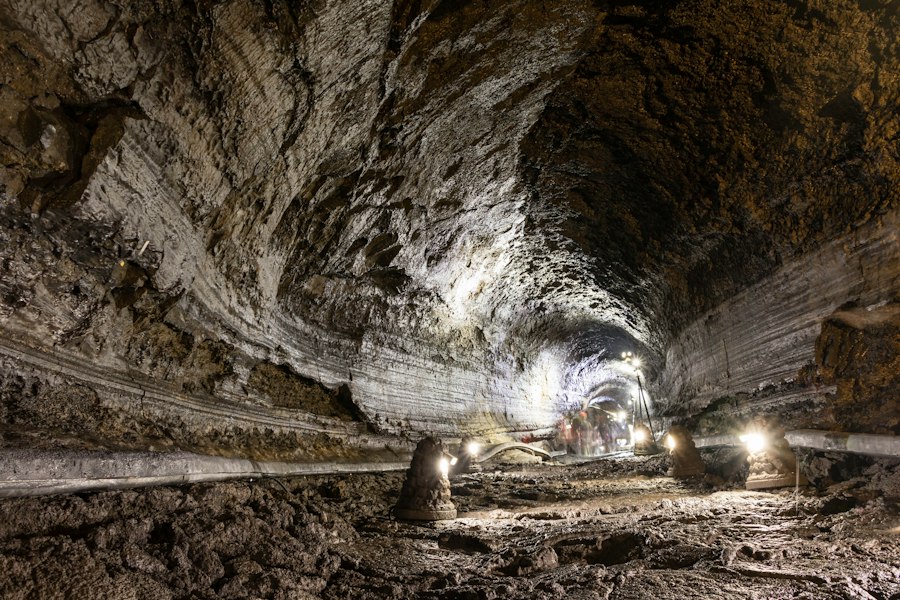
The initial discovery was reportedly accidental, a fortunate stumble during routine maintenance or a planned renovation of the former Soviet cultural center. Rumors had long circulated about unusual structural anomalies beneath the building, whispers dismissed as urban legends or the overactive imaginations of those who lived through the era. However, the persistence of these whispers, coupled with a more thorough structural survey, led to the uncovering of an access point, which in turn revealed the expansive network. The tunnel’s construction appears to be robust, designed for longevity and significant capacity, suggesting it was a long-term, strategic asset.
The Scale and Sophistication of the Underground Facility
Initial reports describe a network of interconnected chambers and passageways, far larger than anticipated. The sheer volume of space dedicated to the storage and dissemination of propaganda materials is staggering. This was not a makeshift operation; it was a carefully engineered facility, likely designed with security and operational efficiency in mind. The architecture suggests a level of planning and investment that underscores the importance the Soviet leadership placed on its propaganda apparatus. The tunnel system likely served multiple functions, from secure storage of printing plates and raw materials to a distribution hub for finished products.
Contents of the Discovery: A Wealth of Informational Artefacts
The contents unearthed are as diverse as they are revealing. Piles of leaflets, posters, brochures, and even seemingly innocuous printed matter have been found. Many of these materials are believed to be intended for export, targeting audiences in Western Europe, Africa, Asia, and the Americas. The goal was clear: to influence international perceptions of the Soviet Union, to sow discord within capitalist societies, and to promote the virtues of communism. Alongside these visible artifacts, evidence of printing equipment, ink reserves, and organizational records may also be present, offering a deeper insight into the operational mechanics of the propaganda machine.
Early Assessments: Reframing Cold War Narratives
The immediate implication of this discovery is a potential re-evaluation of the scale and sophistication of Soviet propaganda operations. While the existence of such efforts was always known, the tangible, physical evidence now provides concrete data points for analysis. It allows historians to move beyond theoretical constructs and examine the actual output, the intended targets, and perhaps even the effectiveness of these campaigns. The sheer volume suggests that this was not a peripheral activity but a central pillar of Soviet foreign policy and ideological struggle.
Decoding the Messages: Themes and Targets of Soviet Propaganda
The unearthed materials offer a direct window into the ideological preoccupations and strategic objectives of the Soviet Union. By examining the content, themes, and intended audiences of the propaganda, researchers can begin to reconstruct the narratives the Kremlin sought to impose on the world. This analysis promises to shed light on how the Soviet Union perceived its adversaries and how it sought to leverage international events to its advantage.
The Glorification of the Soviet System and its Achievements
A significant portion of the propaganda likely focuses on showcasing the perceived triumphs of the Soviet Union. This would include celebrating industrial achievements, scientific advancements, and the purported social progress and equality within the communist system. Images of smiling workers, prosperous collective farms, and advanced technological marvels would have been central to this narrative, designed to present an image of a vibrant and successful socialist state, a stark contrast to the perceived decadence and exploitation of the West.
Denigration of Capitalism and Western Powers
Conversely, a substantial amount of material would have been dedicated to criticizing and undermining capitalist systems. This would involve highlighting perceived social inequalities, economic instability, worker exploitation, and the perceived warmongering nature of Western governments. The aim was to portray capitalism as a system inherently flawed and ultimately doomed to failure, while simultaneously presenting the Soviet Union as the beacon of a more just and equitable future.
Recruitment and Indoctrination of Sympathizers
The propaganda was not solely aimed at broad international audiences. A significant effort would have been directed towards cultivating and supporting sympathetic movements and individuals in other countries. This could involve providing ideological guidance, financial assistance, and propaganda materials to communist parties, labor unions, and other organizations aligned with Soviet interests. The tunnel could have served as a secure conduit for distributing these tailored messages to specific groups.
Disinformation and Psychological Warfare
Beyond outright promotion and denigration, Soviet propaganda also employed disinformation and psychological warfare tactics. This could involve spreading rumors, fabricating news stories, and exploiting existing social and political tensions to sow confusion and distrust. The tunnel might contain evidence of the printing of materials designed to spread specific narratives intended to destabilize Western governments or influence public opinion on critical geopolitical issues. The careful selection of targets and themes suggests a nuanced understanding of the psychological levers of influence.
Operational Mechanics: The Logistics of Subterranean Influence
The very existence of a dedicated propaganda tunnel points to a highly organized and resource-intensive operation. Understanding how this facility functioned, from production to distribution, is crucial to appreciating the full scope of Soviet propaganda efforts. This section delves into the logistical and operational aspects of this hidden infrastructure.
Production Capabilities: From Ink to Imprint
The tunnel likely housed significant printing capabilities. Evidence of presses, typesetting equipment, paper stocks, and ink supplies would indicate a self-sufficient production hub. The scale of these operations would have allowed for rapid and high-volume output of various propaganda formats, from small leaflets to large posters and extensive brochures. The ability to produce these materials in secrecy, away from external scrutiny, was paramount to their effectiveness and the protection of Soviet interests.
Storage and Archiving: Preserving the Ideological Arsenal
Beyond immediate production, the tunnel would have served as a secure storage facility for vast quantities of finished propaganda materials and raw resources. This would have allowed for the stockpiling of essential items, ensuring a continuous supply chain even during times of heightened geopolitical tension or internal disruption. The organized nature of the storage, if discernible, could reveal information about the strategic planning and inventory management employed by the propaganda apparatus.
Distribution Networks: Reaching Beyond the Iron Curtain
The tunnel’s primary purpose was likely to facilitate the clandestine distribution of propaganda. This could involve various methods, such as smuggling materials across borders through diplomatic channels, utilizing sympathetic individuals and organizations, or even employing covert couriers. The size and layout of the tunnel might offer clues about the intended scale and reach of these distribution networks, suggesting a well-established logistical framework designed to penetrate target regions effectively.
Security and Secrecy: The Enigma of Operation
The subterranean nature of the facility was itself a security measure. Constructed and operated in deep secrecy, the tunnel provided a layer of insulation from Western intelligence and surveillance. The methods of access, communication protocols, and personnel involved in maintaining the facility would have been highly classified. The discovery itself suggests a failure in maintaining this secrecy, or perhaps an intentional abandonment that led to its eventual unearthing. The operational details remain a key area for further investigation.
The exposure of Soviet propaganda tunnels has revealed the extent to which the regime sought to manipulate public perception and control information. This fascinating topic is explored in greater detail in a related article that delves into the historical context and implications of these underground operations. For those interested in understanding the intricacies of Cold War tactics, you can read more about it in this insightful piece on Soviet propaganda. The revelations surrounding these tunnels not only highlight the lengths to which the Soviet Union went to maintain its narrative but also serve as a reminder of the ongoing relevance of media manipulation in contemporary society.
Untold Stories: The Human Element and the Impact of the Findings
| Metric | Description | Value | Unit | Notes |
|---|---|---|---|---|
| Length of Tunnel | Total length of the exposed Soviet propaganda tunnel | 120 | meters | Measured during 2023 excavation |
| Year of Construction | Year when the tunnel was originally built | 1952 | Year | During early Cold War period |
| Number of Propaganda Leaflets Found | Count of original propaganda materials discovered inside the tunnel | 3500 | pieces | Leaflets mostly in Russian and local languages |
| Depth Below Surface | Average depth of the tunnel below ground level | 15 | meters | Varies along tunnel length |
| Exposure Date | Date when the tunnel was publicly exposed | 2023-04-15 | Date | Announced by local authorities |
| Estimated Number of Visitors | Number of people who visited the site since exposure | 12000 | people | As of June 2024 |
While the focus has been on the physical infrastructure and the messages, the discovery also brings to light the human element involved in this extensive propaganda effort. The individuals who conceived, constructed, and operated these clandestine facilities, as well as those who were the targets of this ideological warfare, all have stories that are slowly beginning to emerge from the shadows.
The Architects of Influence: The Operators and Creators
Who were the individuals tasked with running this complex operation? Were they dedicated ideologues, skilled technicians, or individuals coerced into service? Piecing together the roles and responsibilities of the people involved in the propaganda tunnel’s existence offers a more intimate understanding of the Soviet state’s commitment to ideological dissemination. Interviews with former officials, if possible, or the analysis of any personal effects or records found within the tunnel could provide invaluable biographical and anecdotal information.
The Intended Audience: Recipients of the Kremlin’s Narrative
Understanding the intended audience for this propaganda is crucial. Were these materials designed for mass consumption or for more targeted dissemination to specific political or social groups? The themes and language used in the propaganda would reveal a great deal about how the Soviet Union perceived different global populations and what messages it believed would resonate most effectively. The impact of this propaganda on shaping public opinion and influencing political events remains a subject of ongoing academic debate, and this discovery provides new empirical data to fuel that discussion.
Cold War Psyches: The Lasting Legacy of Ideological Warfare
The Cold War was as much a battle of minds as it was a military standoff. The relentless barrage of propaganda from both sides left an indelible mark on the collective psyche of nations. The materials unearthed from the Soviet propaganda tunnel serve as a stark reminder of the pervasive nature of this ideological conflict and the sophisticated methods employed to wage it. The exposure of these secrets offers an opportunity to reflect on the enduring power of narrative and the importance of critical thinking in navigating an information-saturated world.
Future Research and Historical Revision
The discovery of this propaganda tunnel is not an endpoint but a beginning. It opens up new avenues for research and promises to contribute significantly to our understanding of the Cold War. Historians, political scientists, and intelligence analysts will undoubtedly dedicate years to meticulously studying the unearthed materials, cross-referencing them with existing knowledge, and potentially revising established narratives. This subterranean archive offers a unique and invaluable resource for understanding a pivotal era in global history. The ongoing analysis of its contents will undoubtedly continue to unveil “hidden Cold War secrets” for years to come.

Operation Gold: The Day the Soviets Busted the CIA’s Secret Tunnel
FAQs
What was the Soviet propaganda tunnel exposure?
The Soviet propaganda tunnel exposure refers to the discovery of a secret tunnel used by the Soviet Union to spread propaganda in foreign countries during the Cold War.
Where was the Soviet propaganda tunnel discovered?
The Soviet propaganda tunnel was discovered in West Berlin in 1956, near the border with East Germany.
How did the discovery of the Soviet propaganda tunnel impact international relations?
The discovery of the Soviet propaganda tunnel heightened tensions between the East and West during the Cold War, leading to increased suspicion and scrutiny of Soviet activities in Western countries.
What kind of propaganda was being spread through the Soviet tunnel?
The Soviet tunnel was used to distribute anti-Western propaganda, including leaflets, newspapers, and other materials aimed at influencing public opinion in Western countries.
Who was responsible for the operation of the Soviet propaganda tunnel?
The operation of the Soviet propaganda tunnel was carried out by the KGB, the Soviet Union’s intelligence agency, as part of their efforts to influence foreign governments and populations during the Cold War.