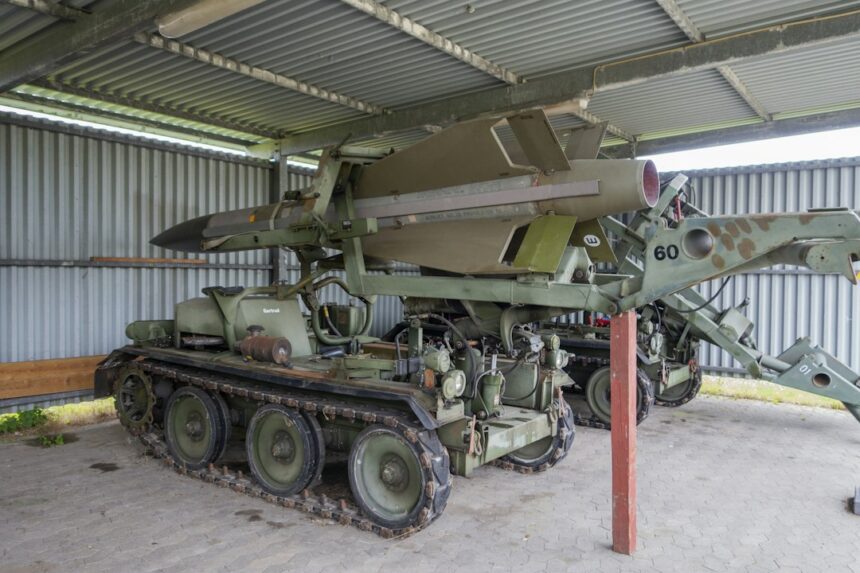
The vast expanse of Soviet technological prowess often conjures images of powerful tanks, formidable rocket systems, and intrepid cosmonauts. However, a crucial, albeit less glamorous, pillar of Soviet military might was its sophisticated air defense network. This network, built upon continuous innovation in radar technology, played a pivotal role in shaping Cold War doctrines and continues to influence modern military systems through its enduring legacy. The Soviet Union recognized early on that the advent of aerial warfare presented an existential threat, necessitating the development of robust systems capable of detecting, tracking, and intercepting enemy aircraft and missiles. This pursuit of air superiority and defense spurred decades of intensive research, development, and deployment of increasingly advanced radar capabilities, establishing a distinct lineage of Soviet radar engineering.
The Genesis of Soviet Radar: Early Motivations and Technological Foundations
The origins of Soviet air defense radar can be traced back to the interwar period and the nascent understanding of aerial threats. The experiences of World War I, while not dominated by air power, foreshadowed its future importance. However, it was the rapid advancements in aviation technology and the chilling effectiveness of air raids during the Spanish Civil War and early stages of World War II that truly galvanized Soviet military planners. The need to defend vast territories against swift, airborne incursions became a paramount concern.
The Pre-War Push: Laying the Groundwork for Radar Detection
Before the widespread adoption of radar as we know it, the Soviet Union, like other major powers, explored optical detection methods and sound locators. These systems, while rudimentary, represented the initial steps in organized air defense. However, their limitations in range, accuracy, and all-weather capability were soon apparent. The theoretical underpinnings of radio wave propagation and reflection, explored by scientists like Alexander Popov in Russia at the turn of the century, provided the scientific foundation for the eventual development of radar. While Popov’s work was foundational, the practical application of radio waves for detection remained largely theoretical until the late 1930s. The Soviet Union, driven by a growing awareness of geopolitical instability and the rapid modernization of Western air forces, began investing more heavily in radio-based detection research. This period saw the establishment of specialized research institutes and the recruitment of talented engineers and physicists. The focus was on understanding how radio waves could be used to detect objects in the atmosphere. Early experiments involved transmitting radio signals and analyzing the echoes that returned, a fundamental principle of radar. Despite resource constraints and the looming shadow of war, this pre-war period was crucial for building the scientific and engineering expertise that would later be deployed in more ambitious radar projects. The Soviet Union’s commitment to this nascent technology, even in the face of significant challenges, set the stage for future breakthroughs.
Wartime Accelerations: The Impact of World War II
The Great Patriotic War (World War II) served as a crucible for Soviet military technology, and radar was no exception. The urgent need to counter German air attacks and to provide early warning for their own forces led to a rapid acceleration of radar development and deployment. While the Soviet Union was initially behind Western powers in radar technology, the war effort forced a rapid catch-up. The focus was on practical, deployable systems. This meant prioritizing ruggedness, ease of operation in harsh conditions, and effectiveness against the types of aircraft employed by the Luftwaffe. Soviet engineers adapted existing technologies and, through Lend-Lease programs, gained access to some Western radar designs and components, which they then modified and improved. Production facilities were retooled, and training programs were established to integrate radar into the existing air defense structure. The war highlighted the critical importance of early warning, enabling fighter aircraft to be scrambled and anti-aircraft artillery to be positioned effectively. The experience gained in operating and maintaining radar systems under combat conditions provided invaluable lessons that would inform subsequent generations of technology. The development of mobile radar units, essential for defending vast and often fluid front lines, was also a significant wartime achievement. The war, despite its immense cost, proved to be a powerful catalyst for Soviet radar innovation, pushing the boundaries of what was achievable within a compressed timeframe.
Soviet air defense technology has long been a subject of interest for military historians and enthusiasts alike, particularly due to its innovative approaches during the Cold War. For a deeper understanding of the evolution and impact of these systems, you can explore a related article that delves into the intricacies of Soviet air defense strategies and their technological advancements. To read more, visit this article.
The Cold War Arms Race: Soviet Radar’s Evolutionary Leap
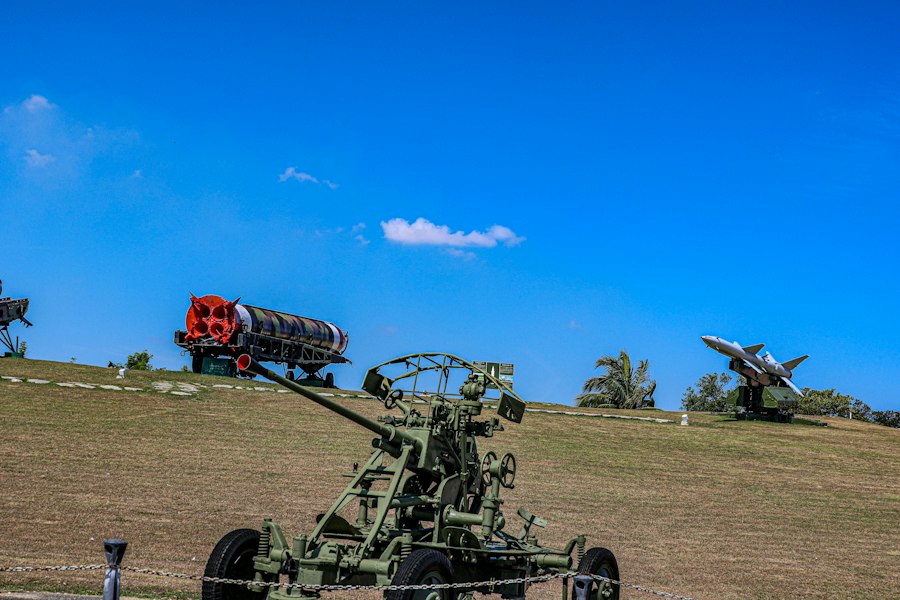
The post-war era ushered in the Cold War, a period of intense ideological and military competition between the Soviet Union and the United States. This rivalry fueled an unprecedented arms race, with radar technology becoming a central battleground. The development of jet aircraft, guided missiles, and eventually nuclear weapons by both sides demanded constant innovation in detection and tracking capabilities. The Soviet Union, facing a perceived technological gap and the strategic threat posed by American long-range bombers and reconnaissance aircraft, poured immense resources into advancing its radar systems. This period saw the emergence of distinctly Soviet radar designs, often characterized by their robustness, powerful transmission capabilities, and adaptability to the vast and varied Soviet landscape.
Early Warning and Ground Control Intercept (GCI) Systems: The Foundation of Air Defense
The bedrock of any effective air defense system is its ability to detect incoming threats at the earliest possible moment and to guide friendly forces to intercept them. In the early Cold War, the Soviet Union prioritized the development of powerful early warning radar systems capable of scanning vast stretches of airspace. These systems were designed to detect aircraft at long ranges, providing crucial minutes for defensive measures to be activated. Simultaneously, Ground Control Intercept (GCI) radars became indispensable. These radars provided precise tracking information for individual aircraft, both enemy and friendly. Controllers on the ground used this data to vector interceptor aircraft towards their targets. The Soviet approach often favored high-power, long-range radars, sometimes at the expense of finer resolution compared to their Western counterparts. This was a strategic choice, dictated by the need to cover enormous territories and to detect threats from significant distances. The development of mobile radar units, mounted on trucks or railway cars, was also crucial, allowing for the rapid deployment and repositioning of GCI capabilities to protect key strategic areas or respond to evolving threats. The integration of these early warning and GCI radars into a cohesive network formed the backbone of Soviet air defense during the initial decades of the Cold War.
The Rise of Missile Guidance and Tracking Radars: A New Frontier
The advent of guided missiles, both air-to-air and surface-to-air, presented a paradigm shift in warfare and a new challenge for radar technology. Soviet engineers were at the forefront of developing radar systems specifically designed to guide these missiles to their targets. This required a new level of precision and speed in radar tracking. Unlike traditional air defense, which focused on vectored interception, missile guidance demanded continuous, accurate tracking of a fast-moving target and the ability to illuminate it for the missile’s seeker head or to directly command the missile’s flight path. This led to the development of highly specialized radar systems, often characterized by their sophisticated signal processing and rapid beam-steering capabilities. These radars were integrated into surface-to-air missile (SAM) systems like the SA-2 (Guideline), SA-3 (Goa), and later, more advanced systems. The ability to track multiple targets simultaneously and to engage them with guided missiles became a hallmark of Soviet air defense. The development of bistatic and multistatic radar concepts, where the transmitter and receiver are separated, also began to emerge, offering potential advantages in battlefield survivability and target discrimination. This era saw a significant shift from general surveillance radars to highly focused, precision-oriented systems essential for the new era of missile warfare.
Distinctive Soviet Innovations: Unique Approaches to Radar Design
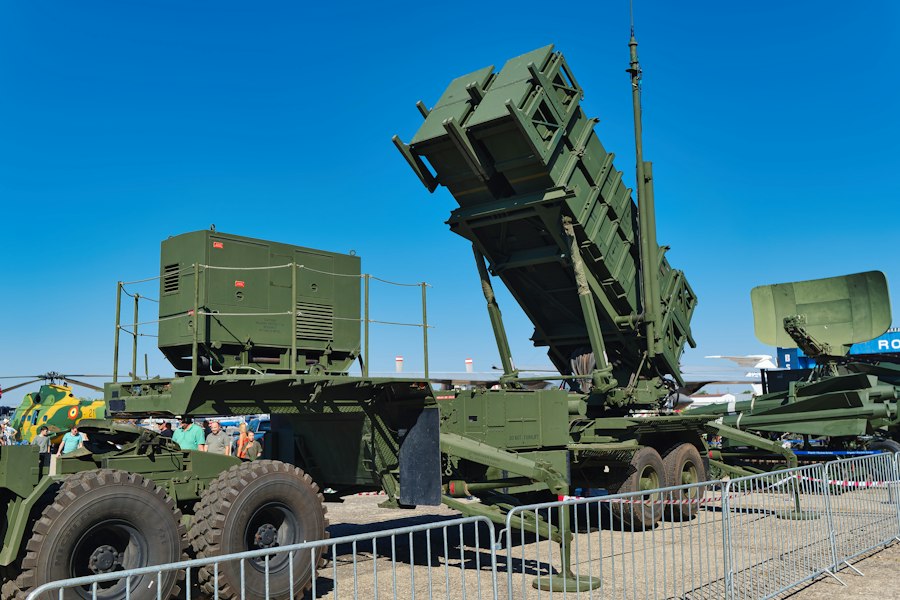
The Soviet Union’s approach to radar development was often characterized by a pragmatic, robust, and sometimes unconventional engineering philosophy. Faced with resource constraints, a vast and challenging geographical landscape, and a constant need for reliable performance in demanding environments, Soviet engineers developed unique solutions that set their radar systems apart. This distinctiveness extended from the fundamental design principles to the specific technological implementations.
Soviet air defense technology played a crucial role during the Cold War, showcasing advanced systems designed to counter various aerial threats. For a deeper understanding of the evolution and effectiveness of these systems, you can explore a related article that delves into the intricacies of Soviet air defense strategies and their impact on global military dynamics. This insightful piece can be found at In the War Room, where you will discover more about the innovations that shaped air defense during this pivotal era.
Power and Range: The “Big Radar” Philosophy
A recurring theme in Soviet radar design was a strong emphasis on sheer power output and long-range detection capabilities. The rationale was clear: the Soviet Union possessed immense borders and vast internal territories that needed to be monitored. The threat of strategic bombers armed with nuclear weapons necessitated early detection from as far away as possible. This led to the development of powerful transmitters, often employing robust vacuum tube technology for a considerable period, capable of broadcasting high-energy radio waves. These “big radars,” as they were sometimes colloquially known, were designed to punch through atmospheric interference and to detect targets at extreme distances. While this often meant sacrificing some resolution or sophistication in signal processing compared to contemporary Western systems, the operational advantage of knowing a threat was coming from hundreds or even thousands of kilometers away was deemed paramount. This philosophy also extended to the physical size and robust construction of many Soviet radar installations, designed to withstand harsh weather conditions and to operate reliably with less frequent maintenance. The pursuit of sheer detection range and power became a defining characteristic of many Soviet radar systems, influencing their overall architecture and performance.
Frequency Agility and ECCM: Adapting to Electronic Warfare
As electronic warfare (EW) capabilities evolved on both sides of the Iron Curtain, Soviet radar designers recognized the critical need to counter enemy jamming efforts. While Western systems often focused on sophisticated signal processing and techniques like frequency hopping in their early stages, the Soviet Union developed its own approaches to ensure radar survivability in a contested electromagnetic spectrum. This included the incorporation of frequency agility, allowing radars to rapidly switch operating frequencies to evade jamming attempts. Moreover, Soviet engineers developed specific Electronic Counter-Countermeasures (ECCM) techniques tailored to their radar architectures. These might include specialized pulse compression techniques, sophisticated clutter rejection mechanisms, and adaptive signal processing that could identify and nullify jamming signals. The sheer power of some Soviet radars could also be considered an inherent form of ECCM, as it could overwhelm weaker jamming signals. The development of these capabilities was not merely reactive; it was a proactive effort to ensure the effectiveness of their air defense network against increasingly sophisticated electronic threats, reflecting a deep understanding of the intertwined nature of radar and electronic warfare.
Mobile and Deployable Systems: Flexibility on the Front Lines
The vast and often fluid nature of Soviet military operations, particularly during wartime and in supporting allied nations, necessitated the development of highly mobile and rapidly deployable radar systems. Unlike static, fixed installations, these mobile radars could be quickly transported by road, rail, or even air, allowing for the establishment of air defense coverage in forward areas or in response to rapidly changing battlefield conditions. This focus on mobility led to innovations in the design of radar antennas, which could often be folded or disassembled for transport, and in the development of self-contained power generation and cooling systems. Examples include the ubiquitous P-18 (Spoon Rest) early warning radar and various mobile GCI radars that were integral to Soviet ground forces. The ability to rapidly deploy these systems was a significant operational advantage, allowing for flexible air defense coverage and the ability to maintain situational awareness even in dynamic environments. This emphasis on mobility and deployability ensured that Soviet air defense could adapt to the diverse operational requirements of the Red Army and its allies.
The Legacy of Soviet Radar: Enduring Influence and Modern Applications
The technological advancements and operational doctrines born from Soviet radar development did not vanish with the dissolution of the Soviet Union. Instead, they have left an indelible mark on the global military landscape, influencing contemporary radar design and continuing to be relevant in the operational capabilities of successor states and in the understanding of historical military engagements. The legacy is multifaceted, encompassing technological heritage, strategic lessons, and a tangible presence in modern military inventories.
Technological Heritage in Successor States
Many of the technological designs and manufacturing capabilities developed during the Soviet era have been inherited by the successor states, most notably Russia. Russian radar manufacturers continue to produce and modernize systems based on these foundational technologies. While significant advancements have been made, the core principles and design philosophies often remain recognizable. For instance, the powerful, long-range surveillance radars developed during the Soviet era continue to form the backbone of Russia’s air and missile defense network. Modern iterations often incorporate digital signal processing, advanced ECCM capabilities, and improved networking, but the fundamental heritage of robust design and emphasis on range persists. Furthermore, the expertise cultivated within Soviet radar research institutes and factories has continued to fuel innovation in these countries, even as they adapt to new technological paradigms and global market demands. The export of Soviet-era radar technology to various countries has also ensured its continued global presence and influence, albeit often with subsequent upgrades and modifications.
Impact on Global Air and Missile Defense Strategies
The operational doctrines and technological approaches pioneered by the Soviet Union in air defense have had a significant impact on global military strategy. The Soviet emphasis on layered air defense, integrating early warning radars, GCI radars, and a variety of surface-to-air missile systems, became a blueprint for many other nations seeking to develop comprehensive air defense capabilities. Their approach to dealing with massed air attacks and the integration of radar with fighter aircraft and missile batteries offered valuable lessons. Moreover, the constant pressure exerted by Soviet radar advancements spurred parallel innovation in Western defense programs. The development of countermeasures and counter-countermeasures created a dynamic feedback loop that ultimately advanced the state of the art in radar technology for all involved. The Soviet Union’s persistent focus on specific threat vectors, such as long-range bombers and cruise missiles, shaped the development of detection and tracking technologies that remain critical today.
Contemporary Relevance and Continued Evolution
Even in the age of stealth technology and advanced electronic warfare, the principles of radar detection and tracking remain fundamental to air and missile defense. Many of the challenges faced by Soviet radar engineers—such as operating in complex environments, dealing with electronic interference, and achieving long-range detection—are still relevant today. Modern radar systems, while employing vastly more sophisticated digital technologies, often build upon the operational experience and fundamental engineering principles established during the Soviet era. The ongoing development of active electronically scanned array (AESA) radars, for example, can be seen as a logical evolution from earlier Soviet efforts to achieve rapid beam steering and multi-target tracking. Furthermore, the lessons learned from Soviet radar systems in terms of reliability, robustness, and cost-effectiveness continue to inform design choices, particularly for nations seeking to develop effective air defense capabilities without the resources of the wealthiest global powers. The legacy of Soviet air defense radar is not merely historical; it is a living testament to a sustained commitment to technological innovation that continues to shape the modern military landscape.
The evolution of Soviet air defense radar technology represents a remarkable journey of innovation, driven by necessity and a relentless pursuit of technological superiority. From its early, rudimentary beginnings to the sophisticated, layered systems of the later Soviet era, radar was a cornerstone of national security. The unique characteristics of Soviet radar design, born from specific geopolitical realities and engineering philosophies, have left an enduring legacy. These systems not only played a crucial role in the Cold War balance of power but also continue to influence modern military radar design and operational strategies worldwide. The technological heritage and strategic lessons derived from Soviet radar development remain a vital component in understanding the history and the future of air and missile defense.

A 3-Year Drought Hit the Hittite Empire. Did It Cause the Collapse?
FAQs
What was the S-75 Dvina missile system?
The S-75 Dvina, also known as the SA-2 Guideline, was a Soviet-designed surface-to-air missile system used for air defense. It was widely used during the Cold War era and was known for its role in shooting down the U-2 spy plane piloted by Gary Powers in 1960.
How did the Soviet Union improve its air defense technology during the Cold War?
During the Cold War, the Soviet Union continuously improved its air defense technology by developing advanced missile systems such as the S-300 and S-400 series. These systems featured better range, accuracy, and electronic countermeasures to counter evolving threats.
What role did radar systems play in Soviet air defense technology?
Radar systems were crucial components of Soviet air defense technology as they provided early warning of incoming enemy aircraft or missiles. The Soviet Union developed sophisticated radar networks like the P-14 Tall King and P-18 Spoon Rest to detect and track aerial threats.
How effective were Soviet air defense systems during the Cold War?
Soviet air defense systems were considered highly effective during the Cold War, with the ability to engage and destroy enemy aircraft at long ranges. The S-75 and S-200 missile systems, in particular, were known for their success in shooting down enemy aircraft in various conflicts.
What impact did Soviet air defense technology have on military strategy?
Soviet air defense technology had a significant impact on military strategy by deterring potential adversaries from conducting air attacks against Soviet territory. The presence of advanced missile systems forced Western powers to adapt their tactics and develop countermeasures to penetrate Soviet air defenses.