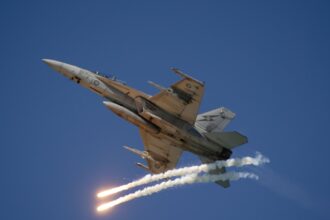
The skies over the Middle East burned with an intensity rarely witnessed in the annals of warfare. In the early hours of June 5, 1967, a meticulously planned and executed air assault, codenamed “Operation Moked,” shattered the fragile peace and irrevocably altered the geopolitical landscape of the region. This was the sortie generation in the Six-Day War, a testament to strategic foresight, technological prowess, and the desperate courage of pilots who flew into the teeth of an anticipated conflict. The success of this initial phase, more than any other single factor, dictated the swift and decisive outcome of the war.
The years leading up to 1967 were marked by a palpable increase in hostility between Israel and its Arab neighbors. The persistent issue of Palestinian refugees, the ongoing border skirmishes, and the rise of Arab nationalism fueled by figures like Gamal Abdel Nasser of Egypt created a volatile atmosphere. Israel, a nation forged in the crucible of war and constantly facing existential threats, meticulously analyzed the military build-up and inflammatory rhetoric emanating from Cairo, Damascus, and Amman. The intelligence gathered pointed towards an imminent coordinated attack designed to annihilate the Jewish state.
The Cartographic Prelude: Geopolitical Stakes
The geopolitical map of the Middle East was a volatile canvas upon which these tensions were painted. The ongoing Arab-Israeli conflict, simmering since the 1948 Arab-Israeli War, had created a deep-seated animosity. The establishment of Israel in 1948 had displaced hundreds of thousands of Palestinians, who became refugees in neighboring Arab countries. This unresolved issue was a constant source of grievance and a powerful mobilizing force for Arab populations.
The Suez Crisis and its Aftermath
The 1956 Suez Crisis, though a military victory for Britain and France, was a political setback. It highlighted the growing influence of the United States and the Soviet Union in the region and exposed the vulnerability of traditional European powers. For Egypt, however, it was a moment of perceived triumph, bolstering Nasser’s image as a pan-Arab leader and further solidifying his anti-Israel stance. The crisis also led to the deployment of the United Nations Emergency Force (UNEF) along the Egyptian-Israeli border and in the Gaza Strip, a fragile peacekeeping measure that would soon prove to be impotent.
The Rise of Pan-Arabism and Nasser’s Leadership
Gamal Abdel Nasser’s vision of a united Arab world, free from foreign influence and spearheaded by Egypt, resonated deeply across the Arab nations. His charisma and powerful oratory inspired millions, and his confrontational rhetoric towards Israel became a rallying cry for many. The formation of the United Arab Republic (UAR) with Syria in 1958, though short-lived, demonstrated the ambition of pan-Arab aspirations. By 1967, Nasser was at the zenith of his regional influence, and his pronouncements carried immense weight.
The Spark Ignites: Border Incidents and Diplomatic Maneuvers
A series of escalating border incidents, particularly along the Syrian-Israeli frontier, served as catalysts. Frequent artillery duels and commando raids intensified the already strained relations. Israel, in response to these provocations, launched retaliatory strikes. Simultaneously, diplomatic channels became increasingly fraught with tension.
The Aqaba Gambit: Egypt’s Assertiveness
A critical turning point arrived when Egypt, on May 22, 1967, announced the closure of the Straits of Tiran to all Israeli shipping. This was a direct violation of international law and a significant blockade, effectively cutting off Israel’s vital southern port of Eilat. For Israel, this act was akin to a declaration of war, as it threatened its economic lifeline and strategic access.
The International Community’s Inaction
The international community, particularly the United Nations, proved largely ineffective in de-escalating the crisis. While calls for restraint were made, concrete actions to prevent the impending conflict were notably absent. The superpowers, engaged in their own geopolitical calculations, offered little decisive intervention. This perceived paralysis emboldened Egypt and its allies.
The concept of sortie generation during the Six Day War is a fascinating topic that highlights the strategic air operations employed by Israel to achieve rapid dominance over its adversaries. For a deeper understanding of the tactical decisions and outcomes of this conflict, you can explore a related article that delves into the intricacies of air power and its impact on warfare. Check out this insightful piece at In the War Room for more information.
Operation Moked: The Preemptive Strike
Facing what it perceived as an unavoidable existential threat, Israel’s leadership made the momentous decision to launch a preemptive air strike. The objective was clear: to cripple the air forces of Egypt, Syria, and Jordan before they could launch their own offensives. This audacious plan, codenamed “Operation Moked” (meaning “Flash” or “Spark” in Hebrew), was designed for speed and surprise, targeting the enemy airfields at dawn.
The Strategic Imperative: Neutralizing the Air Threat
The strategic thinking behind Operation Moked was rooted in the fundamental principle that air superiority is a crucial determinant of success in modern warfare. Israel’s intelligence indicated that the combined air forces of its adversaries significantly outnumbered its own. A head-on aerial engagement was therefore deemed a losing proposition. The preemptive strike aimed to eliminate this numerical disadvantage at the outset.
The Vulnerability of Static Airfields
Airfields, especially during the early hours of the morning when aircraft are often parked and vulnerable, present a prime target for a surprise attack. The Israeli Air Force (IAF) meticulously studied the layout and operational patterns of enemy air bases, identifying the most effective angles of attack and the critical infrastructure to target. The element of surprise was paramount to achieving the desired shock and awe.
The Technological Edge: Mirage III and the French Connection
The success of Operation Moked was heavily reliant on the advanced capabilities of the Israeli Air Force, particularly its fleet of French-made Mirage III fighter jets. These aircraft, known for their speed, maneuverability, and impressive range, provided Israel with a qualitative edge over the Soviet-built aircraft operated by its adversaries. The intelligence and operational planning that accompanied these aircraft were equally crucial.
The Execution: A Symphony of Destruction
At 07:45 on June 5, 1967, the first wave of Israeli aircraft took to the skies. The operation unfolded with astonishing speed and precision, targeting numerous air bases across Egypt, Syria, and Jordan. The element of surprise was absolute.
The Egyptian Front: A Devastating Blow
The primary focus of Operation Moked was the Egyptian Air Force, considered the most formidable threat. Waves of Israeli jets swept in low and fast, strafing runways, taxiways, and parked aircraft. The speed and ferocity of the assault overwhelmed Egyptian defenses.
The Art of the Airfield Attack: Tactics and Techniques
Israeli pilots employed a combination of high-speed bombing runs and cannon fire to maximize destruction. They targeted fuel depots, hangars, and control towers, aiming to disable as many aircraft as possible on the ground. The pilots were trained to identify and prioritize targets that would have the most debilitating impact on enemy air operations.
The First Wave: Decimating the Infrastructure
The initial waves of attacks focused on destroying aircraft while they were still on their stands. Many Egyptian pilots were caught off guard, either still at breakfast or in their barracks. The runways were cratered to prevent any possibility of takeoff, effectively grounding the remaining air force.
The Second Wave: Finishing the Job
A few hours later, a second wave of Israeli aircraft returned to complete the task. This ensured that any aircraft that had managed to escape the initial assault or had been hidden were also destroyed. The efficiency of these repeated strikes was remarkable.
The Syrian and Jordanian Fronts: Complementary Strikes
While Egypt was the main target, strikes were also launched against airfields in Syria and Jordan. These actions were crucial to prevent any potential threat from these air forces and to demonstrate Israel’s reach and determination.
Coordinated Attacks: A Multi-Front Strategy
The synchronization of attacks across different fronts was a testament to meticulous planning and communication. The IAF managed to hit targets in multiple countries within a short span of time, sowing confusion and paralysis among the Arab air commands.
Jordan’s Limited Air Power: A Quick Resolution
Jordan’s air force was relatively small and less of a threat than Egypt’s or Syria’s. Nevertheless, key air bases were targeted to neutralize any residual capabilities and to prevent their involvement in the air war.
Syria’s Air Force: A Significant Blow
Syria possessed a more capable air force than Jordan. The strikes against its airfields were designed to significantly degrade its ability to contest air superiority and to support ground operations.
The Aftermath of the Air War: Air Superiority Achieved

The results of Operation Moked were nothing short of catastrophic for the Arab air forces. Within hours, the vast majority of their operational aircraft were destroyed, either on the ground or in the initial chaotic attempts to scramble. Israel, conversely, suffered minimal losses.
The Statistics of Destruction: A Devastating Toll
The numbers painted a stark picture of the aerial battlefield. Egypt lost over 300 aircraft, Syria around 50, and Jordan a handful. Israel, on the other hand, lost a mere fraction of its fleet. This overwhelming disparity in losses immediately shifted the balance of power in the air.
The Grounded Giants: The Impact on Arab Armies
With their air forces decimated, the Arab armies were left vulnerable to Israeli air power. The lack of aerial reconnaissance and support severely hampered their command and control capabilities. Any attempts at coordinated ground offensives were met with unchallenged Israeli air strikes.
The Psychological Blow: Morale Undermined
The swift and decisive destruction of their air forces had a profound psychological impact on the Arab soldiers and populations. The sense of invincibility, which had been fostered by nationalist rhetoric, was shattered. This undermined morale and contributed to the rapid collapse of Arab defenses.
The Silence of the Skies: A New Reality
The skies, once filled with the potential threat of aerial bombardment, became eerily silent from the Arab perspective. This silence was a constant reminder of their vulnerability and the futility of their military efforts without air cover.
Israel’s Unchallenged Dominance: The Skies Belong to the IAF
For the remainder of the Six-Day War, the Israeli Air Force operated with virtual impunity. It provided crucial close air support to ground troops, conducted reconnaissance missions, and interdicted enemy supply lines. The air superiority achieved on the first day of the war was a decisive factor in every subsequent battle.
The Spearhead of Ground Offensives
The IAF became the primary tool for breaking through enemy lines and exploiting breakthroughs. Its ability to neutralize enemy armor and artillery with precision bombing enabled Israeli ground forces to advance rapidly and with fewer casualties.
Strategic Bombing: Targeting Infrastructure
Beyond battlefield support, the IAF also undertook strategic bombing missions, targeting key infrastructure such as bridges, railway lines, and command centers. This further crippled the enemy’s ability to wage war.
The Strategic Implications: A War Won in the First Few Hours
The sortie generation in the Six-Day War, epitomized by Operation Moked, was not merely an opening salvo; it was the decisive moment that determined the war’s outcome. The preemptive strike, executed with such remarkable efficiency, neutralized the primary threat to Israel and fundamentally altered the strategic calculus of the conflict.
The Illusion of Arab Invincibility Shattered
Prior to the war, the rhetoric of Arab leaders had fostered an image of overwhelming military might and an impending victory over Israel. The speed and totality of the Israeli air strike exposed the hollowness of this propaganda and shattered the illusion of Arab invincibility.
The Arab Military Machine Exposed
The swift collapse of the Arab air forces, followed by the rapid defeat of their ground forces, revealed significant shortcomings in their military organization, training, and equipment. The reliance on outdated Soviet tactics and the lack of effective command and control structures became evident.
The Question of Preparedness
The Egyptian, Syrian, and Jordanian air forces, despite numerical superiority on paper, were not prepared for a modern, high-intensity conflict. Their response to the surprise attack was disorganized and ineffective, highlighting a lack of operational readiness.
The Soviet Influence: A Double-Edged Sword
While Arab nations were heavily equipped with Soviet weaponry, the Soviet military doctrine and training they received proved to be ill-suited to the dynamic nature of the Six-Day War. The emphasis on mass and firepower often lacked the adaptability and tactical flexibility demonstrated by the IAF.
Israel’s Strategic Masterstroke: The Importance of Foresight
Operation Moked was a testament to Israel’s strategic foresight, its intelligence gathering capabilities, and its willingness to take calculated risks. The decision to launch a preemptive strike, though controversial, proved to be the correct one.
The Intelligence Network: Eyes and Ears in the Sky
Israel’s intelligence apparatus played a crucial role in identifying the impending threat and in providing the detailed information necessary for Operation Moked to succeed. The ability to accurately assess enemy capabilities and intentions was paramount.
The Human Element: Courage and Professionalism
Beyond technology and strategy, the success of Operation Moked rested on the shoulders of the pilots. Their courage, professionalism, and dedication under immense pressure were extraordinary. They flew into known danger, executing complex maneuvers and facing the real possibility of death or capture.
The Legacy of the Pilots: Heroes of the Skies
The pilots of the IAF who participated in Operation Moked became national heroes. Their actions on that fateful morning secured Israel’s airspace and paved the way for the swift victory that followed. Their bravery continues to be a source of inspiration.
The Six Day War marked a significant turning point in Middle Eastern history, showcasing the rapid and effective sortie generation capabilities of the Israeli Air Force. For a deeper understanding of the strategies employed during this conflict, you can explore a related article that delves into the tactical innovations and air operations that defined the war. This insightful piece can be found at In The War Room, where you will discover how these military strategies shaped the outcomes of the engagements.
The Lasting Impact: Redrawing the Map and Shifting Power Dynamics
| Event | Date | Sortie Generation |
|---|---|---|
| Six Day War | June 5-10, 1967 | Israeli Air Force: 11,000 sorties |
The sortie generation of the Six-Day War, with its devastating aerial assault, had consequences that rippled far beyond the battlefield. It redrew the map of the Middle East, altered regional power dynamics, and created new geopolitical challenges that continue to shape the region to this day.
Territorial Conquests and Strategic Realignments
The most immediate and tangible outcome of the Six-Day War was Israel’s significant territorial expansion. The capture of the Sinai Peninsula and the Gaza Strip from Egypt, the West Bank and East Jerusalem from Jordan, and the Golan Heights from Syria fundamentally reshaped the political geography of the region.
The Occupied Territories: A Persistent Source of Conflict
The occupation of these territories became a central and enduring issue in the Arab-Israeli conflict. The establishment of Israeli settlements in the West Bank and Gaza Strip, the ongoing Palestinian struggle for self-determination, and the international condemnation of the occupation have fueled decades of instability and violence.
The Palestinian Question Intensified
The Six-Day War dramatically intensified the Palestinian question. The displacement of hundreds of thousands more Palestinians and the loss of their remaining territories further fueled the desire for statehood and justice. The occupied territories became the focal point of the Palestinian liberation movement.
The Rise of the PLO
In the aftermath of the war, the Palestine Liberation Organization (PLO) gained increased prominence as the voice of the Palestinian people, advocating for their rights and aspirations on the international stage.
Shifting Superpower Influence and Regional Alliances
The war also had a profound impact on the influence of the superpowers in the Middle East. The Soviet Union, heavily invested in supporting its Arab allies, found its clients defeated, leading to a re-evaluation of its regional strategy. The United States, conversely, saw its influence grow, becoming a more dominant player in brokering peace and providing military aid.
The Arms Race Continues
The war triggered a significant arms race in the region. Both Israel and its Arab neighbors continued to procure advanced weaponry, leading to a heightened state of military preparedness and a persistent threat of renewed conflict.
The Question of Peace and Security
Despite the clear military outcome of the Six-Day War, a lasting peace remained elusive. The territorial disputes, the unresolved Palestinian issue, and the deep-seated animosity continued to be formidable obstacles to achieving lasting security and stability in the Middle East. The sorties generated on that historic morning had effectively ended one phase of the conflict but set the stage for many more to come, forever marking the skies of the Middle East with the memory of that decisive generation of sorties.

The Intelligence System That Won the Six-Day War Before It Began
FAQs
What was the Six Day War?
The Six Day War was a brief but significant conflict that took place between June 5 and June 10, 1967, involving Israel and the neighboring states of Egypt, Jordan, and Syria.
What led to the outbreak of the Six Day War?
Tensions had been escalating between Israel and its Arab neighbors, particularly Egypt, due to issues such as border disputes, access to water resources, and the presence of Palestinian guerrilla fighters.
What were the main outcomes of the Six Day War?
Israel emerged victorious and gained control of the Sinai Peninsula, the Gaza Strip, the West Bank, and the Golan Heights. This significantly altered the geopolitical landscape of the region.
How did the Six Day War impact the Middle East?
The war had far-reaching consequences, including the displacement of hundreds of thousands of Palestinians, the further entrenchment of Israeli occupation in the newly acquired territories, and a deepening of animosities between Israel and its Arab neighbors.
What is the significance of the Six Day War in history?
The Six Day War is considered a pivotal event in the history of the Middle East, shaping the ongoing Israeli-Palestinian conflict, influencing regional alliances, and impacting international diplomacy.