The Cold War was characterized by intense geopolitical tension between the United States and the Soviet Union, during which nuclear submarines emerged as critical components of military strategy. Both superpowers prioritized the development of nuclear-powered submarines to strengthen their naval forces. These submarines could remain submerged for extended periods and carried ballistic missiles, representing a major advancement in naval warfare technology.
The competition for nuclear submarine superiority reflected both military ambitions and national technological achievement. As the Cold War intensified, both the United States and the Soviet Union significantly increased their submarine fleet investments, triggering a technological arms race that influenced naval strategy for decades. The deployment of submarines equipped with intercontinental ballistic missiles (ICBMs) fundamentally changed strategic calculations by enabling second-strike capabilities that discouraged direct military confrontation.
This development emphasized the strategic value of stealth and mobility, as each nation worked to gain advantages in underwater operations. The Cold War’s underlying tensions were inseparable from the submarine technology innovations that characterized the period.
Key Takeaways
- Nuclear submarines were central to Cold War power struggles and espionage efforts.
- Espionage involving nuclear submarines was covert, highly strategic, and technologically advanced.
- Key tactics included stealth surveillance, signal interception, and underwater intelligence gathering.
- Nuclear submarine espionage significantly influenced Cold War political dynamics and military strategies.
- The legacy of these operations continues to shape modern warfare and raises ongoing ethical concerns.
The Role of Nuclear Submarines in Cold War Espionage
Nuclear submarines played a crucial role in espionage during the Cold War, serving as both platforms for intelligence gathering and tools for strategic deterrence. Their ability to operate undetected in enemy waters allowed them to collect vital information on naval movements, military installations, and other sensitive activities. The stealthy nature of these vessels made them ideal for covert operations, enabling nations to monitor their adversaries without revealing their own capabilities.
This intelligence-gathering function was essential in a time when information was power, and understanding an opponent’s intentions could mean the difference between peace and war. Moreover, nuclear submarines were not just passive observers; they were active participants in the intricate game of espionage. Missions often involved close surveillance of enemy fleets or monitoring missile tests, providing invaluable data that could inform military strategies.
The ability to launch reconnaissance missions from the depths of the ocean added a layer of complexity to Cold War dynamics, as both sides engaged in a cat-and-mouse game beneath the surface. The presence of these submarines in contested waters served as a constant reminder of the ever-present threat of nuclear conflict, heightening tensions and shaping diplomatic relations. The documentary reveals the shocking story of a KGB mole who infiltrated the highest levels of government.
The Silent and Deadly Nature of Nuclear Submarine Espionage

The silent and deadly nature of nuclear submarine espionage was one of its most defining characteristics. Unlike surface vessels, submarines could operate without drawing attention, allowing them to infiltrate enemy territories undetected. This stealth capability was enhanced by advanced technologies such as sound-dampening materials and sophisticated sonar systems, which enabled submarines to navigate through hostile waters while remaining largely invisible to enemy detection methods.
The very essence of submarine warfare lay in its ability to strike from the shadows, making it a formidable tool for espionage. The implications of this silent warfare were profound. Submarines could gather intelligence on enemy activities without alerting their targets, creating a significant advantage in strategic planning.
The ability to remain submerged for extended periods meant that submarines could monitor critical areas continuously, providing real-time intelligence that was crucial for decision-making at the highest levels of government. This silent approach not only enhanced military effectiveness but also contributed to an atmosphere of paranoia and mistrust between the superpowers, as each side sought to uncover the other’s secrets while concealing its own.
The Tactics and Techniques Used in Nuclear Submarine Espionage
The tactics employed in nuclear submarine espionage were as varied as they were sophisticated. One common technique involved “intelligence gathering” missions where submarines would position themselves near enemy naval bases or strategic chokepoints to intercept communications and monitor ship movements. These operations often required careful planning and execution, as submarines had to navigate through potentially hostile waters while avoiding detection.
Another tactic involved the use of “decoy” submarines designed to mislead enemy forces. By deploying these decoys, nations could create confusion about their actual submarine capabilities and movements, thereby enhancing their strategic advantage.
Additionally, submarines were equipped with advanced electronic warfare systems that allowed them to jam enemy communications or gather signals intelligence from adversary vessels. These techniques not only bolstered national security but also contributed to the broader intelligence landscape during the Cold War, where information warfare became an essential component of military strategy.
The Impact of Nuclear Submarine Espionage on Cold War Politics
| Metric | Description | Cold War Context | Impact on Espionage |
|---|---|---|---|
| Number of Nuclear Submarines | Total deployed by US and USSR | USSR and US each deployed hundreds of nuclear subs by 1980s | Increased need for underwater surveillance and intelligence gathering |
| Espionage Missions | Number of known submarine espionage operations | Dozens of missions involving tapping undersea cables and trailing subs | Provided critical intelligence on enemy capabilities and movements |
| Undersea Cable Tapping | Operations to intercept communications | US Navy’s Operation Ivy Bells tapped Soviet communication cables | Revealed Soviet naval communications and strategic plans |
| Submarine Tracking Technologies | Sonar and signal detection advancements | Development of SOSUS (Sound Surveillance System) by US | Enhanced detection of Soviet subs, aiding espionage and defense |
| Notable Incidents | Famous espionage-related submarine events | 1981 Soviet submarine K-219 explosion, 1985 US submarine USS Augusta trailing | Highlighted risks and strategic importance of submarine espionage |
The impact of nuclear submarine espionage on Cold War politics was significant and far-reaching. As both superpowers engaged in covert operations beneath the waves, the balance of power shifted continually based on the intelligence gathered by these submarines. Successful espionage missions could provide critical insights into an adversary’s military capabilities or intentions, influencing diplomatic negotiations and military posturing.
The information gleaned from submarine operations often shaped national security policies and informed decisions regarding arms control agreements. Moreover, the revelations surrounding submarine espionage operations occasionally led to public outcry and political fallout. Incidents where submarines were detected or engaged in confrontations with enemy vessels heightened tensions and sparked debates about military spending and strategic priorities.
The clandestine nature of these operations meant that much remained hidden from public scrutiny, but when details emerged, they often fueled fears about an escalating arms race or potential conflict. Thus, nuclear submarine espionage not only influenced military strategies but also played a crucial role in shaping public perception and political discourse during the Cold War.
The Key Players in Nuclear Submarine Espionage
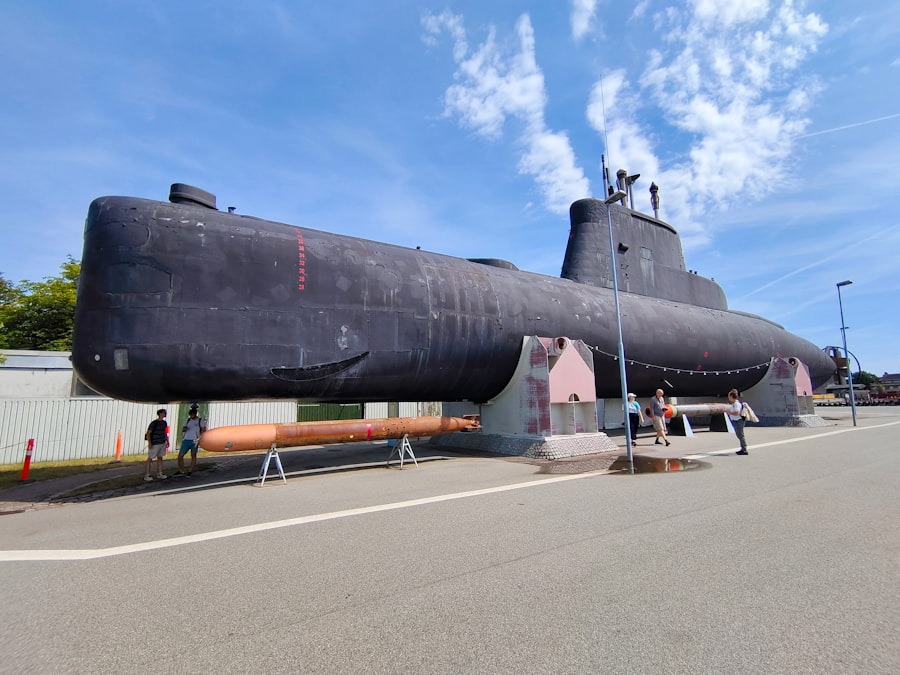
Several key players emerged during the Cold War’s nuclear submarine espionage landscape, each contributing to the intricate web of intelligence gathering and military strategy. The United States Navy, with its advanced fleet of nuclear submarines, was at the forefront of this clandestine warfare. Notable figures such as Admiral Hyman Rickover, often referred to as the “father of the nuclear navy,” played pivotal roles in developing submarine technology and operational strategies that would define American naval power during this era.
On the other side of the Iron Curtain, the Soviet Navy also made significant strides in submarine technology and espionage tactics. Figures like Admiral Sergei Gorshkov were instrumental in modernizing the Soviet fleet and emphasizing the importance of submarines in national defense strategy. Both nations engaged in a continuous cycle of innovation and counter-innovation, with each side striving to outpace the other in terms of technological advancements and operational effectiveness.
This rivalry not only shaped military strategies but also fostered a culture of secrecy and competition that characterized Cold War dynamics.
The Legacy of Nuclear Submarine Espionage in Modern Warfare
The legacy of nuclear submarine espionage continues to resonate in modern warfare, influencing contemporary military strategies and technologies. The lessons learned during the Cold War have informed how nations approach underwater warfare today, with an emphasis on stealth, mobility, and advanced technology. Modern submarines are equipped with cutting-edge sensors and communication systems that allow for real-time data sharing and enhanced situational awareness, reflecting the evolution of tactics first developed during this tumultuous period.
Furthermore, the geopolitical landscape has shifted since the end of the Cold War, but the principles underlying submarine espionage remain relevant. Nations continue to invest heavily in their underwater capabilities as they navigate complex international relations characterized by emerging threats and regional conflicts. The ability to conduct covert operations beneath the waves is still seen as a critical component of national security strategy, ensuring that the legacy of Cold War submarine espionage endures in contemporary military thought.
The Ethical and Moral Dilemmas of Nuclear Submarine Espionage
The ethical and moral dilemmas surrounding nuclear submarine espionage are complex and multifaceted. On one hand, nations argue that such operations are necessary for national security and deterrence against potential threats. The intelligence gathered through these covert missions can prevent conflicts or inform diplomatic negotiations, ultimately serving a greater good.
However, this justification raises questions about transparency, accountability, and the potential consequences of espionage activities on international relations. Moreover, there are concerns about the potential for escalation resulting from submarine espionage operations. Incidents where submarines are detected or engaged can lead to misunderstandings or miscalculations that heighten tensions between nations.
The ethical implications extend beyond immediate military concerns; they encompass broader questions about sovereignty, privacy, and the moral responsibilities of nations engaged in covert operations. As technology continues to evolve, these dilemmas will likely persist, challenging policymakers to navigate the fine line between security interests and ethical considerations.
The Technological Advancements Driven by Nuclear Submarine Espionage
Nuclear submarine espionage has driven significant technological advancements that have transformed naval warfare over the decades. The need for stealthy operations led to innovations in materials science, resulting in quieter hull designs that minimize noise signatures—a critical factor for evading detection by enemy sonar systems. Additionally, advancements in propulsion technology have allowed submarines to operate more efficiently at greater depths and speeds, enhancing their operational capabilities.
Moreover, developments in sensor technology have revolutionized how submarines gather intelligence. Modern submarines are equipped with sophisticated sonar systems capable of detecting even faint sounds from distant vessels or underwater activities. These advancements have not only improved reconnaissance capabilities but have also influenced broader naval strategies by enabling more effective anti-submarine warfare measures.
As nations continue to invest in research and development driven by past experiences in submarine espionage, it is clear that technological progress remains intertwined with military objectives.
The Uncovering of Nuclear Submarine Espionage Operations
The uncovering of nuclear submarine espionage operations has often led to significant political ramifications and shifts in public perception regarding military activities. Instances where submarines were detected or engaged by enemy forces have sometimes resulted in diplomatic crises or heightened tensions between nations. For example, incidents involving close encounters between American and Soviet submarines during the Cold War brought issues of maritime sovereignty and international law into sharp focus.
Additionally, revelations about specific espionage missions can lead to public scrutiny regarding government transparency and accountability. When details emerge about covert operations—whether through whistleblowers or declassified documents—there is often a renewed debate about the ethics of such actions and their implications for national security policy.
The Ongoing Threat of Nuclear Submarine Espionage in the 21st Century
In the 21st century, nuclear submarine espionage remains a relevant concern as geopolitical tensions continue to evolve across various regions worldwide. Nations are increasingly aware that underwater capabilities can serve as both deterrents and tools for intelligence gathering amid rising threats from state actors and non-state entities alike. As countries invest in modernizing their naval fleets with advanced technologies—such as unmanned underwater vehicles (UUVs) and artificial intelligence—the dynamics surrounding submarine espionage are likely to become even more complex.
Furthermore, emerging powers are entering this arena with ambitions to develop their own nuclear submarine capabilities, raising questions about regional stability and security dynamics. As new players join the fray, traditional powers must adapt their strategies while navigating an increasingly crowded underwater landscape fraught with potential conflicts over maritime rights and resources. In this context, nuclear submarine espionage will continue to play a critical role in shaping international relations as nations seek to protect their interests beneath the waves while grappling with evolving threats on a global scale.
During the Cold War, nuclear submarine espionage played a crucial role in the tense standoff between superpowers, as both the United States and the Soviet Union sought to gain an upper hand in underwater warfare capabilities. A related article that delves deeper into this topic can be found at this link, where you can explore the intricate strategies and covert operations that defined this era of military intelligence.
WATCH THIS 🛑 SHOCKING: The KGB Mole Who Made Every Soviet Submarine Visible
FAQs
What was the role of nuclear submarines during the Cold War?
Nuclear submarines played a critical role in the Cold War as strategic deterrents. They were equipped with ballistic missiles capable of delivering nuclear warheads, allowing for a second-strike capability that helped maintain the balance of power between the United States and the Soviet Union.
What is nuclear submarine espionage?
Nuclear submarine espionage refers to the covert activities undertaken by intelligence agencies to gather information about the design, capabilities, and operations of rival nations’ nuclear submarines. This included intercepting communications, tracking submarine movements, and attempting to capture or photograph sensitive technology.
Why was espionage focused on nuclear submarines during the Cold War?
Espionage was focused on nuclear submarines because they were key components of nuclear deterrence strategies. Understanding the capabilities and deployment of an adversary’s submarines was crucial for national security, strategic planning, and maintaining a technological edge.
What methods were used for nuclear submarine espionage in the Cold War?
Methods included underwater surveillance using sonar and hydrophones, deploying spy submarines to shadow enemy vessels, intercepting communications, satellite reconnaissance, and human intelligence operations such as recruiting insiders or defectors.
Were there any notable espionage incidents involving nuclear submarines during the Cold War?
Yes, several incidents occurred, such as the capture of the Soviet submarine K-129 by the U.S. in 1974 (Project Azorian), and the use of the U.S. submarine USS Parche for intelligence gathering. These operations provided valuable intelligence but were often highly secretive.
How did nuclear submarine espionage impact Cold War relations?
Espionage heightened tensions but also contributed to strategic stability by providing both sides with better information about each other’s capabilities. This helped prevent misunderstandings and miscalculations that could have led to conflict.
Did nuclear submarine espionage continue after the Cold War?
Yes, espionage related to nuclear submarines has continued post-Cold War, as nations still consider submarine capabilities vital to their defense strategies. However, the focus and intensity have evolved with changing geopolitical dynamics and technological advancements.