The narrative of the Cold War often evokes images of intercontinental ballistic missiles, clandestine espionage, and ideological clashes in divided cities. Less frequently illuminated, yet equally profound, is the naval dimension of this simmering conflict. This article explores “Silent Seas: Cold War Naval History Documentary,” a program dedicated to uncovering the intricate and often perilous maritime strategies, technologies, and human experiences that shaped the latter half of the 20th century. By delving into the documentary’s structure, insights, and historical context, one can gain a deeper appreciation for the ‘silent war’ that unfolded beneath the waves and across vast ocean expanses.
The Cold War was, at its core, a struggle for global influence, and control of the seas was paramount to both superpowers. “Silent Seas” meticulously illustrates how naval power was not merely about projecting force, but about safeguarding supply lines, conducting intelligence gathering, and, ultimately, deterring nuclear annihilation.
Geopolitical Chessboard: Navigating the Global Stage
The documentary emphasizes the global nature of naval operations, presenting the world’s oceans as a vast chessboard where the US Navy and Soviet Red Banner Fleets engaged in a constant, high-stakes game. From the Atlantic convoys to the Pacific Rim, each maritime choke point and strategic waterway became a potential flashpoint. The program details how the North Atlantic, in particular, was seen as a vital pipeline for reinforcements and supplies to Europe, making its control a primary objective for both sides. Conversely, the Soviet Union’s efforts to project power beyond its traditional coastal zones are thoroughly explored, highlighting the strategic shifts and technological advancements required to achieve such ambitions.
Deterrence and Containment: The Nuclear Shadow
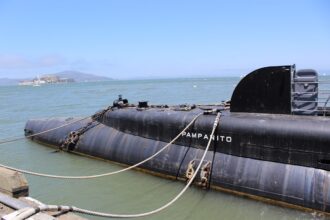
The advent of nuclear weapons fundamentally altered naval strategy. “Silent Seas” devotes significant attention to the concept of Mutually Assured Destruction (MAD) and the critical role of submarine-launched ballistic missiles (SLBMs) in its maintenance. The documentary explains how the US Navy’s fleet of Polaris and later Trident submarines, along with their Soviet counterparts, formed the ultimate deterrent. These silent hunters, often operating deep beneath the ocean’s surface for months at a time, were designed to survive a first strike and deliver a devastating retaliatory blow, thus ensuring that any nuclear aggression would be suicidal. The intricate dance of these submarines, constantly seeking to evade detection or, conversely, to shadow their adversaries, forms a core theme of the documentary.
For those interested in delving deeper into Cold War naval history, the documentary “Battleships of the Cold War” provides an in-depth look at the naval strategies and technologies that defined this tense period. This documentary explores the significant role that naval power played in the geopolitical landscape, highlighting key events and vessels that shaped maritime warfare. To learn more about this fascinating topic, you can check out the related article at In The War Room.
Technological Arms Race: Innovation and Espionage
The Cold War spurred an unprecedented technological arms race, and naval warfare was no exception. “Silent Seas” showcases the relentless pursuit of superior weaponry, propulsion systems, and detection capabilities by both the United States and the Soviet Union. This innovation was often driven by intelligence gathered through covert means.
Submarine Warfare: The Apex Predators
The documentary particularly excels in its depiction of submarine development. Viewers are introduced to the generational leaps in submarine design, from the early diesel-electric boats to the sophisticated nuclear-powered warships.
Acoustic Superiority: The Battle for Silence
A central focus is the race for acoustic superiority. The United States, through extensive research and development, aimed to make its submarines as quiet as possible, while simultaneously developing advanced sonar systems to detect their Soviet counterparts. “Silent Seas” explains the scientific principles behind stealth technology, such as anechoic coatings, advanced propeller designs, and sophisticated vibration dampening. Conversely, the Soviet Union invested heavily in hydrophone arrays and towed array sonars, attempting to pierce the American sub’s acoustic veil. The constant cat-and-mouse game of detection and evasion, often involving minute sound differentials, is vividly portrayed.
Propeller Design and Nuclear Propulsion
The shift to nuclear propulsion dramatically expanded the operational range and endurance of submarines. The documentary details the engineering challenges and triumphs associated with developing and deploying these complex reactors. Furthermore, the evolution of propeller design, from multi-blade designs to the specialized pump-jet propulsors, is examined in the context of reducing acoustic signatures and increasing speed. The implications of these advancements for underwater endurance and strategic reach are thoroughly analyzed.
Surface Fleets: Carriers, Cruisers, and Covert Operations
While submarines dominated the nuclear deterrent, surface fleets remained crucial for conventional power projection and supporting specific missions.
Aircraft Carriers: Floating Airbases
The US Navy’s supercarriers, capable of launching dozens of aircraft, represented a formidable projection of power. “Silent Seas” illustrates their role in various global hotspots, serving as mobile airfields for reconnaissance, strike missions, and anti-submarine warfare. The documentary explores the strategic thinking behind their deployment and the challenges involved in defending these valuable assets against potential Soviet threats, particularly long-range bombers armed with anti-ship missiles.
Soviet Missile Cruisers and Naval Aviation
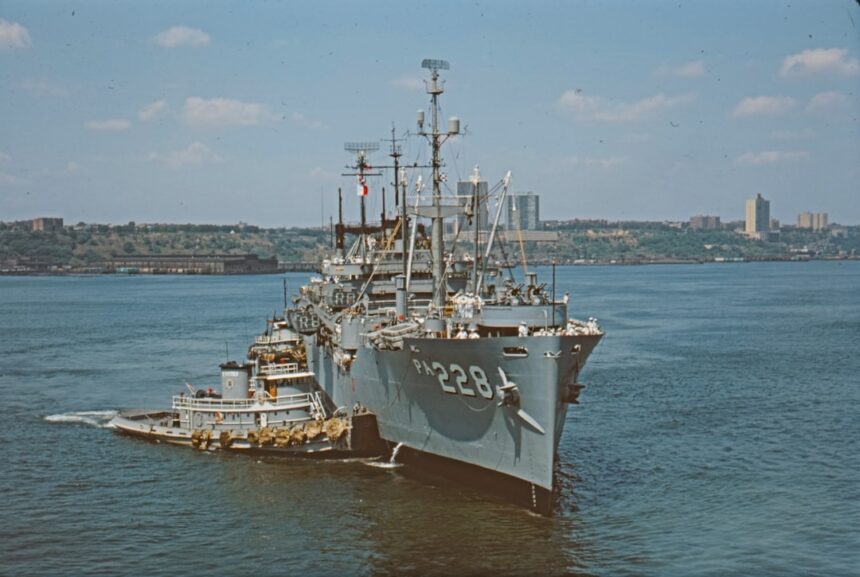
The Soviet Union, recognizing the American advantage in aircraft carriers, developed a counter-strategy centered on missile-armed surface combatants and a robust land-based naval aviation force. The documentary details the impressive firepower of Soviet Kirov-class battlecruisers and Slava-class cruisers, equipped with powerful anti-ship and anti-air missile systems. The symbiotic relationship between these surface ships and Soviet maritime patrol aircraft, designed to locate and target enemy naval formations, is carefully explained.
Human Element: The Sailors Beneath the Surface
Beyond the technological marvels and strategic calculations, “Silent Seas” dedicates significant attention to the human experience of Cold War naval personnel. The psychological toll, the camaraderie, and the constant readiness for conflict are central to understanding this era.
For those interested in exploring the intricate details of Cold War naval history, a fascinating resource can be found in a related article that delves into the strategic maritime confrontations of the era. This piece not only highlights the technological advancements in naval warfare but also examines the geopolitical implications of naval power during the Cold War. To read more about these pivotal moments, you can check out the article here.
Life Aboard: Confinement and Readiness
Life aboard a Cold War submarine or warship was characterized by extreme confinement, demanding schedules, and an ever-present sense of readiness. The documentary utilizes interviews with veterans to provide firsthand accounts of these unique challenges.
The Silent Watch: Psychological Pressures
For submariners, particularly those on prolonged deterrent patrols, the psychological pressures were immense. The constant awareness of carrying nuclear weapons, the isolation from the outside world, and the perpetual vigilance against detection created a unique strain. “Silent Seas” features anecdotes and psychological expert commentary on how crews coped with the absence of natural light, the hum of machinery, and the knowledge that a single command could trigger a global catastrophe. The program effectively conveys the claustrophobic environment and the intricate social dynamics that developed within these highly specialized crews.
Surface Crew Dynamics and Training Regimen
Life on surface ships, while offering more space, still demanded a high degree of discipline and constant training. The documentary highlights the extensive drills – from damage control to anti-air warfare – that prepared crews for any contingency. The narratives of enlisted personnel and officers reveal the bonds forged under pressure and the sacrifices made in service of their respective nations. The focus is on the rigorous training required to operate complex systems and respond effectively in situations where fractions of a second could determine the outcome.
Incidents and Near Misses: The Brink of Conflict
The Cold War naval confrontation was not without its moments of extreme tension, when miscalculation or accident could have escalated into open warfare. “Silent Seas” recounts several such incidents, offering valuable case studies in brinksmanship and crisis management.
The Cuban Missile Crisis (1962): Underwater Confrontation
The documentary provides a detailed account of the naval dimensions of the Cuban Missile Crisis, focusing on the harrowing encounters between US Navy destroyers and Soviet diesel submarines. The events surrounding Soviet submarine B-59, where a decision to launch a nuclear torpedo was narrowly averted, are presented with chilling clarity. This segment underscores the immense stakes involved and the personal courage of individuals who, under extreme duress, made decisions that impacted global security. The program carefully dissects the communication breakdowns and individual judgments that characterized this perilous episode.
Collision Incidents and Close Encounters
Throughout the Cold War, there were numerous instances of “close encounters” between US and Soviet naval vessels, ranging from shadowing operations to accidental collisions. “Silent Seas” examines several of these events, explaining how they could easily have escalated into something far more serious. The documentary analyzes the rules of engagement, the political directives, and the individual actions that often prevented these incidents from spiraling out of control. It demonstrates the constant threat of misinterpretation and the ever-present danger of two powerful navies operating in close proximity.
Legacy and Lessons Learned
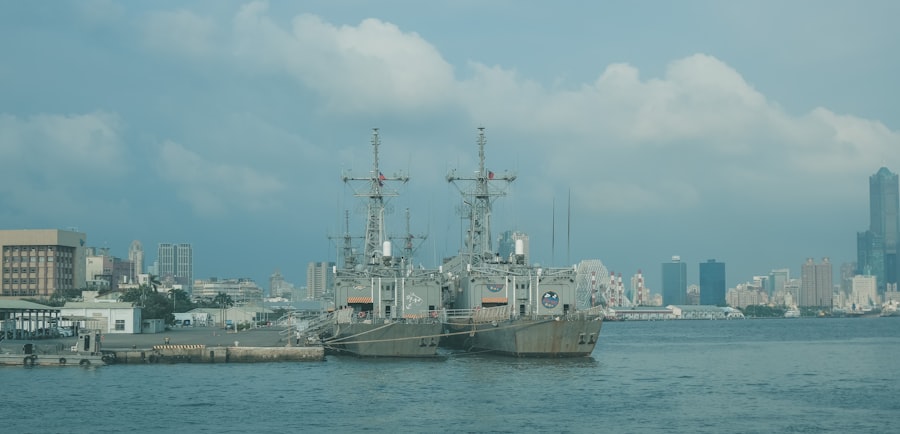
The Cold War’s naval history left an indelible mark on global geopolitics, military strategy, and technological development. “Silent Seas” concludes by reflecting on these enduring legacies.
Enduring Naval Principles: From Cold War to Present Day
Many of the strategic principles and technological advancements forged during the Cold War continue to influence modern naval doctrine. The documentary explores how concepts such as anti-access/area denial (A2/AD), undersea stealth, and the importance of global maritime presence remain central to naval strategy in the 21st century. The evolution of precision-guided munitions and sophisticated sensor technologies, while far advanced, still trace their lineage back to the Cold War’s intense period of innovation.
Environmental Impact and Disarmament Challenges
The legacy of the Cold War also includes significant environmental concerns, particularly regarding nuclear waste from decommissioned submarines and the potential dangers of sunken vessels containing radioactive materials. “Silent Seas” briefly touches upon these issues, highlighting the long-term challenges associated with managing the remnants of this technologically intense era. The complexities of disarmament, particularly concerning nuclear weapons carried by submarines, are also acknowledged as ongoing global challenges.
The Human Cost: Reflections of Veterans
Perhaps the most poignant legacy explored by the documentary is the human cost of the Cold War. Through interviews with veterans, “Silent Seas” allows the audience to reflect on the sacrifices made, the close calls experienced, and the camaraderie forged in the crucible of constant readiness. These personal narratives humanize the overarching geostrategic struggle, reminding the viewer that behind every strategic decision, every technological breakthrough, and every near-miss, there were ordinary individuals performing extraordinary duties, often in a world teetering on the edge of global conflict. The documentary closes on a contemplative note, inviting the viewer to consider the delicate balance maintained by these ‘silent seas’ and the profound implications of their vigilance.

WATCH NOW ▶️ SHOCKING: How The CIA Stole A Nuclear Submarine
FAQs
What is the focus of a Cold War naval history documentary?
A Cold War naval history documentary typically explores the naval strategies, battles, technological advancements, and key events involving naval forces during the Cold War period, roughly from 1947 to 1991.
Which countries’ navies are most commonly featured in Cold War naval documentaries?
The navies of the United States and the Soviet Union are most commonly featured, as they were the primary naval powers during the Cold War. Other countries such as the United Kingdom, China, and NATO allies may also be included.
What types of naval technology are highlighted in Cold War naval history documentaries?
These documentaries often highlight technologies such as nuclear-powered submarines, aircraft carriers, missile systems, sonar and radar advancements, and the development of naval nuclear weapons.
Why is the Cold War period significant in naval history?
The Cold War was significant because it marked a period of intense naval competition and innovation between superpowers, with a focus on deterrence, intelligence gathering, and power projection without direct large-scale naval battles.
Where can one watch Cold War naval history documentaries?
Cold War naval history documentaries can be found on streaming platforms like Netflix, Amazon Prime, and YouTube, as well as on specialized history channels such as the History Channel, National Geographic, and PBS. Libraries and educational institutions may also have relevant documentary collections.