The underwater environment, often perceived as a silent abyss, is, in reality, a complex acoustic landscape teeming with diverse sound sources. While natural phenomena like seismic activity and marine mammal vocalizations contribute to this acoustic tapestry, the pervasive and often overlooked noise generated by snapping shrimp presents a significant challenge to the effective deployment and interpretation of sonar systems. This pervasive biological sound, far from being a mere curiosity, possesses the disruptive potential to mask vital acoustic signals, compromise navigation, and impede scientific observation. Understanding the characteristics of snapping shrimp noise and its interaction with sonar is therefore crucial for anyone working within or studying the underwater acoustic domain.
Recent studies have highlighted the intriguing relationship between the snapping noise produced by shrimp and its potential interference with sonar systems used in marine research. This phenomenon raises concerns about how these natural sounds might affect underwater communication and navigation technologies. For more insights on this topic, you can read the related article at In the War Room.
The Anatomy of a Snap: Biological Origins of Underwater Noise
The characteristic “snap” sound produced by certain species of shrimp originates from a fascinating biological mechanism. This process, while seemingly simple, generates a wideband acoustic pulse with considerable intensity, capable of propagating significant distances through the water column.
The Caridid Shrimp and the Cavitation Bubble
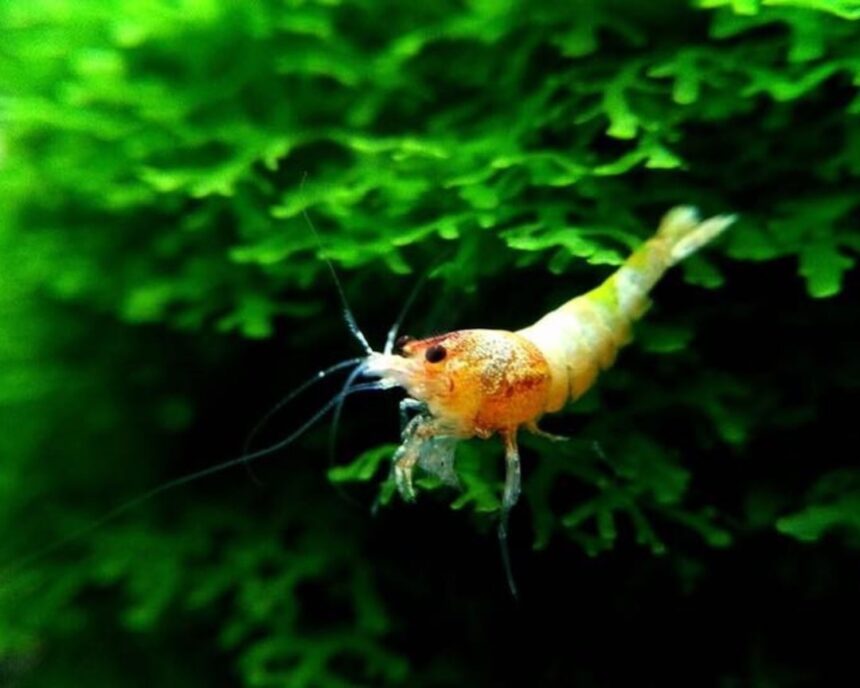
The primary culprits behind this widespread underwater clamor are pistol shrimp, also known as snapping shrimp, belonging to the family Alpheidae. These crustaceans possess a specialized claw, typically one vastly enlarged compared to the other. This oversized claw functions as a sonic weapon.
The Mechanism of Claw Closure
The snapping process involves the rapid closure of this specialized claw. Within the claw, a paddle-like appendage is forced shut against a precisely shaped socket. This rapid movement creates a powerful jet of water.
The Formation and Collapse of a Cavitation Bubble
The high-speed water jet, moving at over 50 miles per hour, generates a localized region of extremely low pressure behind it. When this pressure drops below the vapor pressure of the surrounding water, a void – a cavitation bubble – forms instantaneously. The subsequent collapse of this bubble is the source of the audible snap. The implosion of the bubble creates a shockwave, generating broadband acoustic energy extending into the ultrasonic frequencies. The rapid flow and subsequent collapse are essential for sound generation, not the physical impact of the claw itself.
Spectral Characteristics of the Snap
The acoustic signature of a snapping shrimp’s sound is notable for its broadband nature. This means it produces sound across a wide range of frequencies, rather than a narrow band.
High-Frequency Content
A significant portion of the energy in a snapping shrimp sound lies in the higher frequency ranges, particularly above 10 kHz, extending well into the ultrasonic spectrum (above 20 kHz). This high-frequency content is attributed to the rapid collapse of the cavitation bubble.
Low-Frequency Components
While the most intense energy is in the higher frequencies, snapping shrimp also generate lower frequency components, typically below 1 kHz. These lower frequencies contribute to the overall background noise level and can mask signals in these same frequency bands.
Temporal Structure and Repetition Rate
Individual snaps are extremely brief, lasting mere microseconds. However, in dense populations, these snaps occur in rapid succession, creating a continuous or near-continuous “hissing” or “crackling” sound. The repetition rate can vary significantly depending on environmental factors such as food availability, time of day, and predator presence. This temporal clustering further exacerbates the masking effect for sonar systems.
Sonar Systems and Their Acoustic Vulnerabilities
Sonar (Sound Navigation and Ranging) systems rely on the propagation of sound through water to detect objects, navigate, and map the seafloor. The effectiveness of these systems is directly linked to the clarity of the acoustic signals received, making them inherently susceptible to the presence of interfering noise.
Principles of Active Sonar Operation
Active sonar systems emit acoustic pulses into the water and then listen for the echoes that return after reflecting off objects. The characteristics of these echoes (time delay, frequency shift, intensity) provide information about the target.
Signal Emission and Reception
A transducer emits a sound wave (ping). This wave travels through the water, interacts with objects in its path, and reflects back as an echo. The transducer then acts as a hydrophone, receiving these returning echoes.
Target Detection and Localization
The time it takes for the echo to return indicates the distance to the target. The direction from which the echo is received helps determine the target’s bearing. Analyzing the Doppler shift in the echo’s frequency can reveal the target’s velocity.
Signal Processing and Interpretation
Sophisticated signal processing techniques are employed to extract meaningful information from the received echoes. This involves filtering out unwanted noise and identifying subtle changes in the acoustic signal that indicate the presence and characteristics of a target.
The Impact of Ambient Noise on Sonar Performance
Ambient noise is the sum of all sounds present in a given underwater environment. This noise can originate from a multitude of sources, both biological and anthropogenic. Snapping shrimp represent a significant component of biological ambient noise.
Masking of Target Echoes
The most direct and detrimental impact of snapping shrimp noise on sonar is the phenomenon of masking. When the intensity of the background noise approaches or exceeds the intensity of the target’s echo, the sonar system struggles to distinguish the relevant signal from the surrounding clamor.
Signal-to-Noise Ratio Reduction
Sonar performance is fundamentally governed by the signal-to-noise ratio (SNR). As snapping shrimp noise increases, the SNR decreases, making it more difficult to confidently detect weak or distant targets.
False Alarms and Missed Detections
Low SNRs can lead to an increased rate of false alarms, where the sonar system identifies noise as a legitimate target. Conversely, it can also result in missed detections, where actual targets are overlooked because their echoes are submerged within the overwhelming clamor.
Degraded Range and Resolution
The ability of a sonar system to detect targets at greater distances and to distinguish between closely spaced objects is directly influenced by the noise floor. High levels of snapping shrimp noise can effectively reduce the operational range of sonar systems and degrade their ability to resolve fine details.
Limited Detection Range
As the reverberation and ambient noise increase, the maximum range at which a sonar can reliably detect a target is diminished. This is because the target echo simply becomes too weak to be discernable from the background noise.
Reduced Target Discrimination
The ability of sonar to differentiate between two distinct targets that are close together relies on the clarity of their reflected signals. Excessive noise can blur these signals, making it impossible to resolve them as separate entities.
Snapping Shrimp Noise: A Pervasome Underwater Acoustic Contaminant
The ubiquity of snapping shrimp in many marine environments makes their acoustic contribution a persistent challenge. Their presence is not confined to specific depths or geographical locations, impacting a wide range of sonar applications.
Geographical Distribution and Habitat Preference
Snapping shrimp are found in tropical and subtropical waters worldwide, inhabiting a variety of benthic environments. Their presence has been documented across diverse marine ecosystems.
Coral Reefs and Seagrass Beds
These highly productive and biodiverse habitats are particularly rich in snapping shrimp populations. The complex structures of reefs and seagrasses provide ample hiding places and food sources for these crustaceans.
High Biomass and Acoustic Output
Due to the favorable conditions, these areas often exhibit extremely high densities of snapping shrimp, leading to exceptionally high levels of acoustic output. This can render sonar operations in and around these regions exceedingly difficult.
Sandy Bottoms and Rocky Substrates
While less dense than reef environments, snapping shrimp also colonize sandy bottoms and rocky substrates, especially in areas with some degree of complexity or protection. Their presence here, though potentially less intense, can still contribute significantly to the overall ambient noise budget.
Temporal Variability in Snapping Shrimp Activity
The acoustic output of snapping shrimp is not constant; it fluctuates both diurnally and seasonally, influenced by a range of ecological and environmental factors.
Diurnal Rhythms
Snapping shrimp behavior often exhibits diurnal patterns, with increased activity and snapping rates occurring during specific periods of the day, often correlating with crepuscular or nocturnal periods. This temporal variation can be predicted and potentially mitigated in sonar operations.
Nocturnal Peaks in Activity
It has been observed that snapping shrimp activity often peaks during the night. This can pose a particular challenge for sonar systems deployed for nocturnal surveillance or research.
Seasonal Fluctuations
Breeding seasons and food availability can also influence snapping shrimp populations and their snapping rates, leading to seasonal variations in ambient noise levels.
Reproductive Cycles and Population Density
Changes in population density due to reproduction can directly impact the total acoustic energy produced by snapping shrimp in a given area.
Factors Influencing Snapping Intensity and Frequency
The intensity and frequency of snapping can also be influenced by environmental conditions, further complicating the acoustic environment.
Temperature and Salinity
Water temperature and salinity can affect the metabolic rates and physiological processes of snapping shrimp, potentially influencing their snapping behavior.
Predator Avoidance and Foraging
Snapping shrimp may increase their snapping activity in response to perceived threats (predators) or during periods of intensive foraging. This means their noise output can be context-dependent.
Recent studies have highlighted the intriguing phenomenon of shrimp producing snapping noises, which can interfere with sonar systems used in marine research. This interference poses challenges for scientists trying to accurately map underwater environments. For a deeper understanding of this issue, you can explore a related article that discusses the impact of marine life on sonar technology. The article provides valuable insights into how these natural sounds can disrupt sonar readings, making it essential for researchers to consider these factors in their work. To read more about this topic, visit this article.
Sonar Interference Mitigation Strategies
| Category | Shrimp Snapping Noise | Sonar Interference |
|---|---|---|
| Frequency | 200 Hz – 1000 Hz | Depends on sonar frequency |
| Impact on Marine Life | Attracts predators | Disrupts communication and navigation |
| Location | Coastal areas, estuaries | Underwater environments |
| Research | Studied for communication and behavior | Investigated for mitigation methods |
Addressing the challenge of snapping shrimp noise requires a multi-faceted approach, involving both improvements in sonar technology and strategic operational planning.
Advanced Signal Processing Techniques
Developments in signal processing offer promising avenues for reducing the impact of snapping shrimp noise on sonar performance.
Noise Reduction Algorithms
Sophisticated algorithms can be employed to identify and suppress the characteristic spectral and temporal signatures of snapping shrimp noise.
Spectral Subtraction and Filtering
Techniques such as spectral subtraction can estimate the noise spectrum and then subtract it from the received signal, aiming to isolate the target echoes. Adaptive filtering can dynamically adjust to the changing noise environment.
Source Localization and Nulling
In some advanced sonar systems, it may be possible to identify the spatial location of snapping shrimp aggregations. Once located, sonar beams can be steered to avoid these noisy areas, or to “null” the noise by transmitting or receiving signals in a way that cancels out the interfering sound.
Broadband Signal Design
Modifying the characteristics of the transmitted sonar pulse can also improve performance in noisy environments.
Wider Bandwidth and Optimized Waveforms
Using sonar pulses with wider bandwidths or employing specific waveform designs can make it easier to distinguish target echoes from the broadband noise of snapping shrimp. This can involve transmitting chirps or other complex signals rather than simple pulses.
Operational Planning and Environmental Awareness
Understanding the acoustic environment and planning operations accordingly can significantly mitigate the impact of snapping shrimp noise.
Pre-Mission Environmental Surveys
Conducting acoustic surveys prior to sonar deployment can map areas of high snapping shrimp activity and inform operational planning. This allows for the avoidance of notoriously noisy regions.
Habitat Mapping and Acoustic Characterization
Detailed mapping of benthic habitats known to support high snapping shrimp populations can provide an a priori understanding of potential noise sources. Acoustic measurements can further quantify the expected noise levels in different areas.
Temporal Synchronization with Noise Patterns
Exploiting known diurnal or seasonal variations in snapping shrimp activity can optimize sonar operational windows.
Scheduling Operations During Lulls
If snapping shrimp activity exhibits predictable lulls, sonar operations can be scheduled to coincide with these quieter periods, maximizing the potential for successful detection.
Hardware and System Design Considerations
Certain aspects of sonar hardware and system design can also be optimized to improve resilience against ambient noise.
Improved Hydrophone Sensitivity and Directivity
The selection and design of hydrophones play a crucial role. Highly sensitive hydrophones are better able to detect faint echoes, while directional hydrophones can focus on specific areas and reject noise from other directions.
Directional Arrays and Beamforming
Employing sonar systems with multiple hydrophones arranged in arrays allows for sophisticated beamforming. This technique can electronically steer the sonar’s receiving beam, focusing on the area of interest while simultaneously suppressing noise arriving from other directions.
Robust Transducer Design
Transducers that generate and receive a wider range of frequencies, including those less affected by snapping shrimp, can offer an advantage.
Frequency Band Selection
Understanding the spectral characteristics of snapping shrimp noise is crucial. Sonar systems can be designed to operate in frequency bands where the noise is less intense or to utilize multiple frequency bands to overcome masking at any single frequency.
Future Research Directions and Technological Advancements
The ongoing challenge posed by snapping shrimp noise necessitates continued research and development in underwater acoustics. Understanding the intricate relationship between these biological sound producers and acoustic technologies will drive future innovations.
Deeper Understanding of Snapping Shrimp Ecology and Acoustics
Further research into the specific behaviors, ecological drivers, and acoustic variability of different snapping shrimp species is essential.
Population Dynamics and Acoustic Output Correlation
Investigating the precise correlation between population density, individual snapping behavior, and overall acoustic output under varying environmental conditions will refine predictive models.
Sensor Networks for Real-Time Noise Monitoring
The development of distributed underwater sensor networks capable of real-time acoustic monitoring could provide invaluable data on the temporal and spatial distribution of snapping shrimp noise, feeding into adaptive sonar systems.
Development of Novel Sonar Technologies
The next generation of sonar systems will likely incorporate more sophisticated methods for dealing with biological noise.
Bio-Inspired Acoustic Mitigation
Exploring bio-mimicry, perhaps by studying how certain marine organisms themselves navigate or communicate within noisy environments, could inspire new approaches to designing robust sonar systems.
Active Cancellation Techniques
The advancement of active acoustic cancellation technologies, analogous to noise-canceling headphones, could offer a more direct method of neutralizing snapping shrimp noise.
Unconventional Sensing Modalities
While primarily an acoustic challenge, the potential for integrating other sensing modalities, such as optical or magnetic sensors, alongside sonar could provide complementary data and reduce reliance on purely acoustic detection in very noisy areas.
International Collaboration and Data Sharing
The widespread nature of this problem calls for collaborative efforts to share data, research findings, and best practices.
Standardized Noise Measurement Protocols
Establishing standardized protocols for measuring and reporting underwater ambient noise, including contributions from snapping shrimp, will facilitate comparisons across different studies and regions.
Open-Source Data Repositories
The creation of open-source repositories for underwater acoustic data, specifically focusing on biological noise sources like snapping shrimp, could accelerate research by providing a common resource for scientists globally.
The persistent acoustic presence of snapping shrimp noise is not merely an environmental footnote; it represents a significant and ongoing challenge for the effective utilization of underwater acoustic technologies. By understanding the biological origins of this noise, its impact on sonar systems, and developing sophisticated mitigation strategies, researchers and engineers can strive to enhance the clarity and reliability of underwater acoustics, enabling a more comprehensive understanding of our planet’s oceans.
FAQs
What is the shrimp snapping noise?
The shrimp snapping noise is a sound produced by the rapid closing of the shrimp’s specialized claw, known as the snapping claw. This sound is used by shrimp for communication, hunting, and defense.
How does the shrimp snapping noise interfere with sonar?
The shrimp snapping noise can interfere with sonar by creating false echoes and masking other sounds. This interference can affect the ability of sonar systems to accurately detect and locate underwater objects.
What are the potential impacts of sonar interference from shrimp snapping noise?
The potential impacts of sonar interference from shrimp snapping noise include reduced effectiveness of sonar systems for navigation, communication, and detection of underwater objects. This can have implications for marine research, military operations, and commercial activities.
How do scientists and engineers address sonar interference from shrimp snapping noise?
Scientists and engineers address sonar interference from shrimp snapping noise by developing advanced signal processing techniques, acoustic modeling, and underwater noise mitigation strategies. These efforts aim to improve the performance of sonar systems in the presence of shrimp snapping noise.
What are the implications of understanding shrimp snapping noise and sonar interference?
Understanding shrimp snapping noise and its interference with sonar has implications for marine biology, acoustics, underwater technology, and environmental conservation. It can lead to the development of more effective sonar systems, better management of underwater noise, and improved understanding of marine ecosystems.