Senior Airman David Livingston: Titan II Legacy
The annals of military history are punctuated by the quiet dedication of individuals whose contributions, though perhaps not always heralded on the grandest stages, form the bedrock of critical missions. Senior Airman David Livingston stands as a prime example of such a figure, an airman whose service became inextricably linked with the formidable Titan II intercontinental ballistic missile (ICBM) system. His story is not just one of personal commitment but also a testament to the intricate and often unseen work that sustained a vital component of American strategic deterrence during the Cold War. Livingston’s tenure with the Titan II program, a period marked by both immense technological sophistication and existential tension, highlights the crucial role played by enlisted personnel in maintaining readiness and ensuring the nation’s security.
The Titan II missile system represented a significant leap in American nuclear capability during the latter half of the Cold War. Unlike its predecessors, the Titan II was a two-stage, liquid-fueled ICBM, designed to carry a single, powerful thermonuclear warhead capable of reaching targets across continents. Its sheer destructive potential made it a cornerstone of the United States’ nuclear triad, alongside submarine-launched ballistic missiles (SLBMs) and strategic bombers. The presence of these massive weapons, housed in hardened underground silos across the American heartland, served as a powerful deterrent, a silent promise of retaliation that aimed to dissuade any potential aggressor.
The Genesis of the Titan II Program
The development of the Titan II was a direct response to the escalating arms race with the Soviet Union. Following the Cuban Missile Crisis, the urgency to modernize and expand America’s nuclear arsenal became acutely apparent. The Titan II, with its enhanced payload capacity and extended range, offered a critical upgrade over earlier ICBM designs. Its development was a monumental undertaking, involving complex engineering, extensive testing, and the establishment of a vast infrastructure to support its deployment and operation. This massive project required a skilled workforce at every level, from the engineers and scientists designing the missile to the technicians and security forces tasked with its day-to-day maintenance.
The Cold War Context: A World on Edge
Senior Airman David Livingston’s service unfolded against the backdrop of a world perpetually teetering on the brink of nuclear war. The Cold War was a period of intense geopolitical rivalry, ideological conflict, and proxy wars. The constant threat of mutual assured destruction (MAD) hung heavy in the air, shaping foreign policy, military strategy, and societal anxieties. The Titan II, as a visible and potent symbol of American nuclear might, played a significant role in this tense standoff. Its operational status was a matter of national security, and its readiness, therefore, was paramount.
Senior Airman David Livingston Titan II played a crucial role in the operations of the Titan II missile system during the Cold War, showcasing the importance of airmen in maintaining national security. For a deeper understanding of the historical context and technological advancements of this era, you can read a related article that explores the intricacies of missile defense systems and their impact on military strategy. Check it out here: related article.
Senior Airman David Livingston: A Life in the Silo
Senior Airman David Livingston’s journey within the Titan II program was not one of glamorous frontline combat, but rather one of meticulous dedication and unwavering responsibility within the confines of underground launch facilities. His role, while often physically demanding and psychologically taxing, was indispensable to the operational readiness of this strategic asset. The complex machinery, the intricate systems, and the constant vigilance required to maintain the Titan II demanded a specialized and highly trained workforce, and Livingston was an integral part of that team.
Enlisting and Initial Training
Like many young men of his generation, David Livingston answered the call to service. His enlistment predated his assignment to the Titan II, and his initial training would have covered fundamental Air Force doctrine, physical conditioning, and general military skills. However, the true specialization began with his assignment to a specific missile maintenance or operations career field. This would have involved rigorous technical training, often at specialized schools, where he learned the intricate details of the Titan II system. This training was not superficial; it delved deep into the mechanics, electronics, and operational procedures of a weapon system designed for extreme performance and reliability.
The Rigors of Missile Maintenance Training
The training for Titan II missile technicians was notoriously demanding. Trainees were exposed to the complex engineering of the missile’s propulsion systems, guidance and control systems, and its warhead interface. They learned about the unique challenges of handling and maintaining liquid propellants, the volatile fuels and oxidizers that powered the behemoth. Safety protocols were drilled relentlessly, as any misstep could have catastrophic consequences. The curriculum would have included extensive theoretical instruction, practical hands-on exercises with mock-ups and actual components, and simulated operational scenarios. This intensive preparation ensured that by the time an airman was assigned to an operational silo, they possessed the knowledge and skills to perform their duties with the highest level of competence.
Life Underground: The Daily Grind
The operational life of a Titan II crew was far removed from the typical image of military service. Instead of open skies and barracks, their world was the confined, subterranean environment of a launch silo. These facilities were designed to withstand nuclear attack, making them highly secure but also stark and utilitarian. Senior Airman Livingston, as part of a launch crew, would have spent extended periods in these underground complexes, living, working, and sleeping in close proximity to the missile.
The Silo Environment: A Unique Ecosystem
The launch silo was a self-contained world, engineered for one purpose: to house and launch the Titan II. These were typically located in remote areas, often in the plains states, dispersed across vast geographical regions to reduce vulnerability. Inside, the environment was a stark contrast to the natural world above. Concrete walls, reinforced steel, and the constant hum of machinery characterized the atmosphere. Power generation, life support systems, and waste management were all critical elements of the silo’s internal ecosystem. For the airmen stationed there, it was a life dictated by strict routines, constant vigilance, and the ever-present knowledge of the weapon they guarded.
Routine and Vigilance: The Pillars of Readiness
The daily life of a Titan II crew was a meticulous ballet of routine inspections, system checks, and maintenance procedures. Every dial, every gauge, every cable had to be monitored and accounted for. The Titan II, with its complex liquid fuel system, required constant attention. Propellants needed to be carefully managed, temperature and pressure levels meticulously maintained, and all components subjected to regular diagnostics. This was not a job for the inattentive; a single oversight could compromise the entire system. Senior Airman Livingston’s role would have involved performing many of these critical tasks, ensuring that the missile remained in a state of peak operational readiness at all times.
The Psychological Toll of the Silo
Life in the underground silos was not just physically demanding; it also presented significant psychological challenges. Extended periods of isolation, the confinement of the underground environment, and the constant awareness of the immense destructive power they were tasked with controlling could take a toll on even the most resilient individuals. The absence of natural light, the limited social interaction, and the sheer weight of their responsibility contributed to a unique form of stress. Airmen developed coping mechanisms, fostered strong bonds of camaraderie, and relied on the discipline instilled during their training to navigate these challenges.
Camaraderie and Mutual Reliance
In the confined spaces of the silo, teamwork was not just a matter of efficiency; it was a matter of survival and mutual reliance. The airmen of a launch crew formed an incredibly tight-knit unit, sharing a common purpose and facing similar challenges. They learned to trust each other implicitly, knowing that their lives and the security of the nation depended on their collective ability to perform their duties flawlessly. These bonds of camaraderie were forged in the shared experience of long shifts, the quiet hours of vigilance, and the inherent risks of their mission.
The Titan II’s Technological Prowess: A Goliath of Its Time
The Titan II was a marvel of engineering for its era, representing the cutting edge of missile technology. Its sheer size, power, and advanced guidance systems were a testament to the ingenuity and dedication of the scientists and engineers who designed it. Senior Airman Livingston’s role was to understand and maintain this technological marvel, ensuring its intricate components functioned as intended.
Propulsion and Fueling: The Heart of the Beast
The Titan II’s most distinguishing feature was its powerful liquid-fueled propulsion system. It utilized a hypergolic propellant combination: Aerozine 50 (a mixture of hydrazine and unsymmetrical dimethylhydrazine) as fuel and nitrogen tetroxide as an oxidizer. These propellants ignites spontaneously upon contact, simplifying the ignition sequence but also requiring extremely careful handling due to their toxicity and corrosive nature.
The Volatility of Liquid Propellants
Maintaining the Titan II’s liquid propellants was a highly specialized and dangerous task. The fuels and oxidizers had to be stored and managed at precise temperatures and pressures to prevent degradation or unwanted reactions. Senior Airman Livingston, in his capacity as a technician, would have been intimately involved in the procedures for loading, transferring, and monitoring these volatile substances. This involved specialized equipment, extensive safety protocols, and a deep understanding of the chemical properties of these propellants. The constant threat of leaks, spills, or accidental ignition underscored the critical need for unwavering attention to detail and adherence to stringent safety measures.
Guidance and Control: The Brains of the Operation
The Titan II was equipped with a sophisticated Inertial Guidance System (IGS). This system used a gyroscope-based platform to track the missile’s position and velocity, providing real-time data for course corrections. The accuracy of the IGS was crucial for ensuring that the warhead reached its intended target, even at intercontinental distances.
Navigating the Heavens: The Role of the Guidance System
Senior Airman Livingston’s responsibilities would have included ensuring the integrity and functionality of the IGS. This involved checking gyroscopes, accelerometers, and the associated electronic systems. He would have participated in calibration procedures and system diagnostics to verify the accuracy of the guidance computer. The ability of the Titan II to hit its target with precision was a critical factor in its deterrent value, and the IGS was the technological heart of that capability.
The Warhead: The Ultimate Payload
Atop the massive rocket sat the payload – a formidable thermonuclear warhead. The Mark 43 warhead, later replaced by the more advanced Mark 66 in some Titan II missiles, possessed a yield capable of causing widespread devastation. The integration of the warhead with the missile system was a highly sensitive operation, requiring specialized procedures and strict security measures.
The Weight of Deterrence: The Warhead’s Significance
While Senior Airman Livingston’s direct involvement with the warhead itself might have been limited due to security protocols and specialized roles, he was undoubtedly aware of its presence and its significance. His work in maintaining the missile’s structural integrity, its propulsion, and its guidance systems directly contributed to the effective delivery of this ultimate payload. The warhead was the embodiment of the Titan II’s strategic purpose, and the airman’s diligence ensured that this capability remained a credible threat.
The Titan II’s Legacy: A Chapter Closed, Lessons Learned
The Titan II missile system, a stalwart of America’s nuclear arsenal for nearly two decades, was eventually retired. The program’s conclusion marked the end of an era, but its legacy continues to inform strategic thinking and technological development. Senior Airman David Livingston’s service, though no longer tied to an active missile, is a part of this enduring legacy.
The End of an Era: Deactivation and Demilitarization
By the late 1970s and early 1980s, the strategic landscape had shifted. New generations of ICBMs, such as the Minuteman series, offered greater flexibility, speed, and a more survivable deployment posture. The aging Titan II fleet, while still potent, was gradually phased out. The deactivation of the Titan II program involved the careful and systematic dismantling of the missiles, the clearing of launch facilities, and the disposal of hazardous materials.
The Challenges of Demilitarization
The process of demilitarizing the Titan II system was a complex undertaking. The large size of the missiles, the presence of volatile propellants, and the potential for environmental contamination required meticulous planning and execution. Senior Airman Livingston, depending on his specific role, may have participated in some aspects of this deactivation process, applying his acquired knowledge and skills to safely bring down this formidable weapon system. The dismantling of such a powerful deterrent was a significant moment, signaling a transition in America’s strategic posture.
Lessons from the Silo: Deterrence, Technology, and Human Ingenuity
The Titan II program, and the service of individuals like Senior Airman David Livingston, provided invaluable lessons. It demonstrated the effectiveness of a robust nuclear deterrent in maintaining peace through the threat of retaliation. It showcased the remarkable achievements of American engineering and the critical role of highly trained enlisted personnel in operating and maintaining complex weapon systems. The experiences of those stationed in the silos offered insights into the psychological demands of nuclear readiness and the importance of strong leadership and camaraderie.
The Enduring Significance of Enlisted Service
Senior Airman David Livingston’s story underscores a fundamental truth: the success of any military operation, especially one as critical and complex as maintaining a nuclear deterrent, relies heavily on the dedication and expertise of its enlisted ranks. While generals and strategists may set the course, it is the hands-on work of individuals like Livingston that ensures the machinery of defense functions as intended. His commitment to his duty, often performed in challenging and austere conditions, was vital to the nation’s security.
Senior Airman David Livingston’s remarkable contributions to the Titan II program highlight the critical role of airmen in maintaining national security. His dedication and expertise are further explored in a related article that delves into the history and impact of the Titan II missile system. For those interested in learning more about this significant aspect of military history, you can read the full article here.
Beyond the Missile: A Life of Service
| Metric | Details |
|---|---|
| Name | Senior Airman David Livingston |
| Aircraft | Titan II |
| Rank | Senior Airman |
| Role | Missile Crew Member |
| Service Branch | United States Air Force |
| Mission Type | Intercontinental Ballistic Missile (ICBM) Operations |
| Years of Service | Data not publicly available |
| Notable Achievements | Part of Titan II missile operations team |
The conclusion of the Titan II program marked a new chapter for Senior Airman David Livingston and his fellow airmen. Their skills and experiences, honed in the demanding environment of the silos, were transferable to other roles within the Air Force or in civilian life. The discipline, technical proficiency, and sense of responsibility instilled during their service remained with them.
Transitioning to New Roles and Responsibilities
After the deactivation of the Titan II, airmen like Livingston would have transitioned into new career fields or pursued further training. The highly specialized skills acquired in missile maintenance could have led to opportunities in advanced electronics, aerospace technology, or other technical fields. Their military experience provided a solid foundation for a wide range of future endeavors, both within and outside the military.
The Lasting Impact of a Mission Accomplished
Senior Airman David Livingston’s service with the Titan II program was a critical contribution to a national endeavor of immense importance. While the missiles themselves are now relics of a bygone era, the dedication of the airmen who maintained them remains a testament to the strength and resilience of the U.S. Air Force. His story, intertwined with the powerful legacy of the Titan II, serves as a reminder of the silent guardians who stood watch, ensuring the nation’s security during a period of unprecedented global tension. The Titan II may be a memory, but the spirit of service exemplified by Senior Airman David Livingston endures.
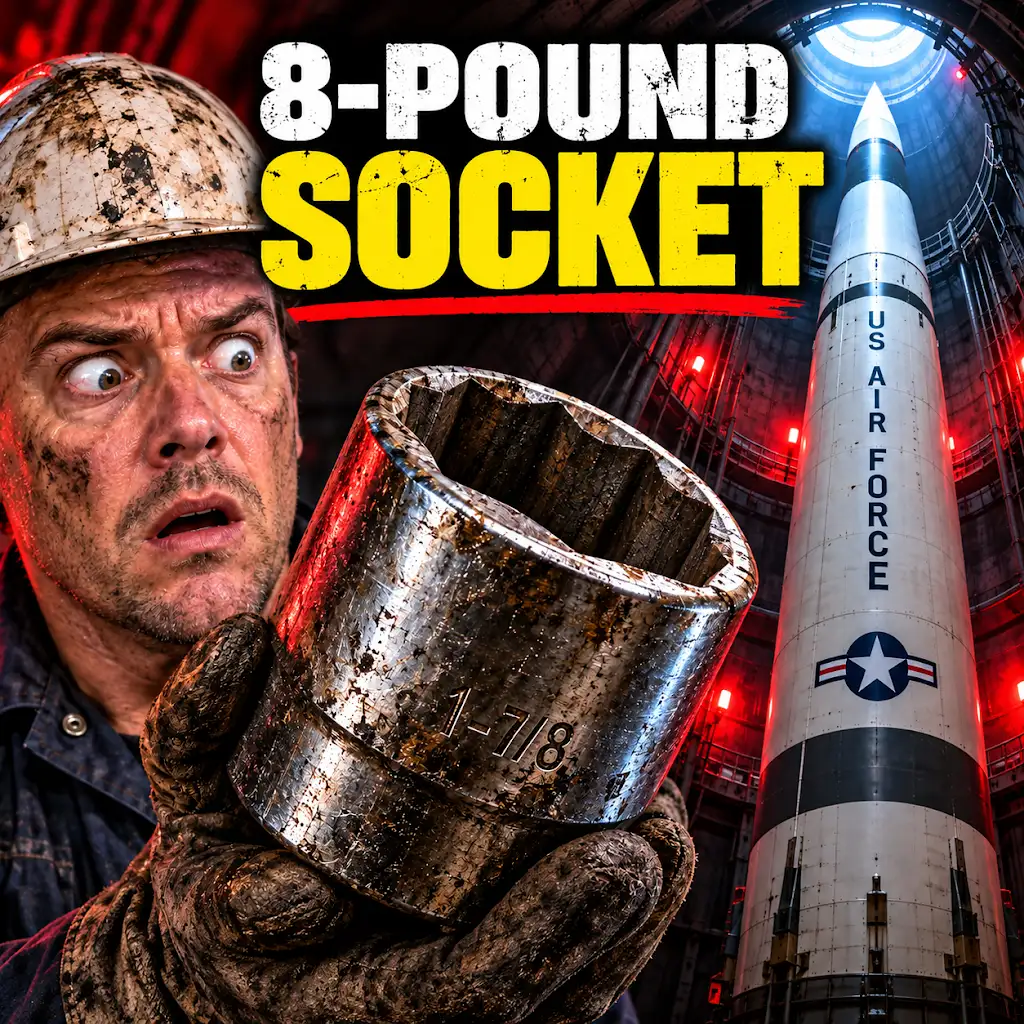
How a Dropped Socket Destroyed a Titan II Missile
FAQs
What is Senior Airman David Livingston Titan II known for?
Senior Airman David Livingston Titan II is known for his heroic actions during a missile explosion incident in 1980.
What happened during the missile explosion incident involving Senior Airman David Livingston Titan II?
During the incident, a Titan II intercontinental ballistic missile exploded in its silo in Arkansas, and Senior Airman David Livingston risked his life to prevent a catastrophic explosion.
Was Senior Airman David Livingston Titan II successful in preventing a catastrophic explosion?
Yes, Senior Airman David Livingston Titan II successfully prevented a catastrophic explosion by manually closing a valve that would have released highly toxic and explosive fuel.
What recognition did Senior Airman David Livingston Titan II receive for his actions?
Senior Airman David Livingston Titan II received the Airman’s Medal, which is awarded for heroism involving voluntary risk of life under conditions other than those of conflict.
How did Senior Airman David Livingston Titan II’s actions impact the Air Force and missile safety protocols?
Senior Airman David Livingston Titan II’s actions highlighted the importance of safety protocols and training in the Air Force, leading to improvements in missile safety procedures and emergency response training.