The flow of information across the globe has become the lifeblood of modern society, powering everything from financial markets and global communication to scientific research and national security. This digital nervous system, however, relies on a surprisingly terrestrial-like infrastructure: vast networks of undersea cables. These submerged arteries, spanning thousands of kilometers across the ocean floor, carry an estimated 99% of international data traffic. Consequently, their security is paramount, a complex challenge in the 21st century, where geopolitical tensions, environmental threats, and technological advancements converge.
The seemingly innocuous act of laying a cable on the seabed belies the sophisticated engineering and constant vigilance required to protect it. Unlike the well-guarded server farms on land, these vital conduits are largely invisible, buried beneath the waves, making them susceptible to a unique set of vulnerabilities. Understanding these threats and the multifaceted strategies employed to mitigate them is essential to maintaining the seamless flow of data that defines our interconnected world.
Undersea cables are the unsung heroes of the digital age, silently transmitting the torrent of data that underpins our daily lives. Their construction and maintenance represent a triumph of human ingenuity, pushing the boundaries of engineering into some of the most hostile environments on Earth.
Anatomy of an Undersea Cable
The physical structure of an undersea cable is a testament to robust design, built to withstand immense pressure, corrosive saltwater, and the general ruggedness of the ocean floor.
Core Components: The Data Highway
At the heart of every fiber optic cable lies a bundle of thin glass or plastic fibers. These fibers are the conduits through which light pulses, representing binary data, travel at incredible speeds. The purity of the glass is critical; even microscopic impurities can scatter or absorb the light, leading to signal degradation.
Protective Layers: Shielding the Lifeline
Surrounding the precious fiber core is a series of protective layers, each fulfilling a specific role in ensuring the cable’s longevity and functionality. These layers act as a multi-pronged defense, much like the armor plating on a historical vessel.
Sheathing and Armoring: From Light Shielding to Battering Rams
Initial layers typically include plastic sheathing to prevent water ingress and provide insulation. For deeper water deployments, this is followed by steel wires, providing tensile strength to withstand the considerable forces involved during laying and potential impacts. In shallower, more vulnerable areas, these wires are often further encased in a robust steel tape or a concrete coating, transforming the cable into a formidable barrier against abrasion and accidental damage.
Optical Amplifiers: Boosting the Signal Over Distance
Over long distances, the light signal inevitably weakens. To counteract this, optical amplifiers are strategically placed along the cable route, typically every 50 to 100 kilometers. These repeaters act like digital couriers, boosting the light signal without needing to convert it back into an electrical form, thus preserving the integrity of the data and minimizing latency.
Deployment and Maintenance: Navigating the Deep
The process of laying and maintaining these crucial lifelines is a complex logistical and engineering feat. It involves specialized vessels, precise navigation, and a deep understanding of underwater topography.
Cable-Laying Vessels: The Floating Shipyards
The deployment of undersea cables is the exclusive domain of highly specialized vessels, akin to miniature, mobile shipyards. These “cable ships” are equipped with massive carousels to store kilometers of cable, advanced dynamic positioning systems to maintain a steady course over the seabed, and sophisticated ploughs or trenchers that can bury the cable for added protection. The routes are meticulously surveyed and planned, often taking months to finalize, considering seabed conditions, potential geological hazards, and existing infrastructure.
Repair and Fault Finding: Finding a Needle in an Ocean of Hay
When a cable fault occurs, often due to anchors, fishing nets, or seismic activity, the repair process is a race against time. Specialized repair ships are dispatched to the precise location, identified through sophisticated diagnostic tools. Submersibles or remotely operated vehicles (ROVs) are then deployed to locate the damaged section, excavate it from the seabed if buried, and bring it to the surface. The damaged section is then spliced with a new piece of cable, a highly delicate operation performed under stringent conditions to maintain the optical integrity of the fibers, before being re-laid on the ocean floor.
In the 21st century, the security of undersea cables has become increasingly critical as these infrastructures are vital for global communication and data transfer. A related article that delves into the challenges and strategies for safeguarding these underwater networks can be found at In The War Room. This piece highlights the geopolitical implications of undersea cable vulnerabilities and discusses the measures being taken to protect these essential assets from potential threats.
Threats to Undersea Cables: The Invisible Dangers
The resilience of undersea cables is constantly tested by a variety of threats, ranging from accidental damage to deliberate acts of sabotage. These dangers are often insidious, making their detection and prevention a significant challenge.
Natural and Environmental Hazards: The Ocean’s Fury
The underwater environment, while seemingly serene, harbors powerful forces that can severely disrupt cable operations.
Geological Instability: The Shifting Seabed
Seismic activity, including earthquakes and underwater landslides (turbidity currents), can physically sever cables. These powerful natural events can create dramatic shifts in the ocean floor, dragging and breaking the cables caught in their path. Areas prone to tectonic activity are particularly vulnerable, requiring careful consideration during route planning and often necessitating burial in more stable sub-seabed layers.
Marine Life and Accidental Encounters: Unintended Consequences
While less dramatic than seismic events, interactions with marine life and accidental encounters with human activities pose ongoing risks. Large whales, during their migrations, can inadvertently snag cables with their flippers or bodies, especially in shallower waters where they might be closer to the surface. Human activities, most notably fishing and shipping, represent a significant source of damage. Fishing trawlers, dragging their nets across the seabed, can snag and sever cables, much like a farmer’s plow might inadvertently damage an underground utility line. Ship anchors, dropped carelessly, can also cause catastrophic damage, slicing through protective layers and fiber cores.
Human-Induced Threats: Intentional and Unintentional Acts
Beyond natural forces, human actions, both deliberate and accidental, present a more complex and often more concerning set of risks.
Accidental Damage: The Perils of Human Activity
As mentioned, fishing and anchoring are primary culprits for accidental cable damage. These are often unintentional acts by individuals or vessels unaware of the critical infrastructure lying beneath the waves. The sheer volume of maritime traffic and fishing activity globally means that the risk of such encounters remains persistently high.
Intentional Sabotage and Espionage: The Shadow of Geopolitics
The increasing reliance on undersea cables for global communication and data transfer has turned them into potential targets for state and non-state actors. The ability to disrupt or eavesdrop on these data flows offers significant strategic advantages. While overt acts of sabotage are rare due to the technical difficulty and potential for attribution, the threat of stealthy interference, whether for intelligence gathering or to cause disruption, looms large. This introduces a new dimension of security, moving beyond physical resilience to encompass cyber and intelligence countermeasures.
The Growing Sophitability of Threats: Adapting to Evolving Dangers
As technology advances, so too do the methods and motivations of those who might seek to exploit or damage undersea cables.
Advanced Interception Techniques: Subtle Surveillance
The ability to tap into an undersea cable without physically severing it presents a sophisticated espionage threat. Advanced techniques might involve electromagnetic induction or other non-invasive methods to intercept data signals. While requiring a high level of technical expertise and proximity, the potential for undetectable surveillance makes this a serious concern for national security.
State-Sponsored Interference: A Strategic Weapon
In an era of heightened geopolitical competition, undersea cables can be viewed as a strategic asset, akin to a vital supply line for a nation’s digital economy and defense capabilities. This has led to concerns about state-sponsored actors developing capabilities to disrupt or compromise these networks, either to gain a tactical advantage or to inflict economic damage on adversaries. The murky waters of international relations often mean that attributing such actions definitively can be challenging, further complicating the security calculus.
Securing the Cables: A Multi-Layered Defense Strategy

Protecting the vast network of undersea cables requires a comprehensive and collaborative approach, involving technological innovation, international cooperation, and robust surveillance. No single solution suffices; instead, a mosaic of strategies is employed to safeguard these crucial data arteries.
Technological Safeguards: Building a Resilient Network
Innovation in materials science, manufacturing, and monitoring technology plays a crucial role in enhancing cable resilience and early threat detection.
Enhanced Cable Design and Burial: Fortifying the Infrastructure
The physical design of undersea cables has evolved to incorporate greater resilience. This includes using stronger, more corrosion-resistant materials and developing more effective burial techniques.
Advanced Armoring and Shielding: Like Adding a Second Skin
Modern cables often feature multiple layers of steel armoring and specialized sheathing designed to withstand greater impact and abrasion. In vulnerable areas, such as shipping lanes and fishing grounds, cables are increasingly buried deeper into the seabed using advanced ploughs and trenchers. This burial acts as a significant deterrent, making accidental snagging or deliberate interference far more difficult and time-consuming. The depth of burial is a strategic decision, balancing protection with the practicalities and costs of deployment.
Self-Healing Materials and Smart Coatings: The Future of Durability
Research is ongoing into developing “smart” or self-healing materials that could potentially repair minor abrasions or damage automatically. While still largely in the experimental phase, these advancements could revolutionize cable maintenance and longevity, reducing the need for costly and disruptive repairs. Similarly, smart coatings could detect and react to environmental stressors or potential threats.
Real-Time Monitoring and Anomaly Detection: The Eyes and Ears of the Deep
Continuous monitoring of cable performance is essential for identifying deviations from normal operational patterns that might indicate a developing problem.
Fiber Optic Sensing and Acoustic Monitoring: Listening to the Ocean’s Pulse
Advanced sensing technologies are being integrated into cables themselves. Distributed acoustic sensing (DAS), for instance, can detect vibrations along the entire length of the cable, providing early warnings of approaching vessels, seismic activity, or even the distinctive signatures of marine animals. Hydrophones placed along the cable route can also provide valuable acoustic data, helping to differentiate between natural events and potential human interference.
Satellite and Surface Surveillance: Watching from Above and On the Waves
Complementing underwater monitoring, a range of surface and satellite-based surveillance capabilities are employed. This includes monitoring maritime traffic in the vicinity of cable landing stations and along known cable routes. Identifying unusual vessel activity or the presence of potentially disruptive equipment can provide an early warning of impending threats.
International Cooperation and Policy: A United Front Against the Tides
The global nature of undersea cable networks necessitates strong international collaboration and clear policy frameworks to ensure their collective security.
Information Sharing and Joint Threat Assessments: Bridging the Gaps
Operators, governments, and intelligence agencies must share information and intelligence regarding potential threats. This collective awareness, much like a fleet of ships coordinating their patrols, is crucial for identifying patterns and developing proactive security measures. Joint threat assessments help to prioritize vulnerabilities and allocate resources effectively.
Legal Frameworks and Incident Response Protocols: Establishing the Rules of Engagement
Clear international laws and agreements are needed to define responsibilities and facilitate coordinated responses to cable incidents. This includes establishing protocols for damage attribution, liability, and joint repair operations. The absence of such clear frameworks can lead to delays and disputes during critical repair periods, exacerbating the impact of an incident.
Joint Patrols and Military Exercises: Deterrence Through Presence
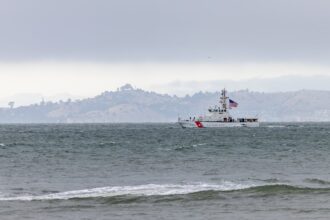
In strategically sensitive regions, joint naval patrols and exercises involving multiple nations can serve as a powerful deterrent. The visible presence of naval assets patrolling cable routes signals a commitment to their security and demonstrates the capability to respond to threats, much like a lighthouse warns ships of approaching hazards.
Cable Landing Station Security: The Gateway to the Network
While most of the cable network is submerged, the critical points where they emerge from the ocean and connect to terrestrial networks – the cable landing stations – are equally vital and require robust protection.
Physical Security Measures: Fortifying the Landings
These facilities are typically heavily fortified with physical barriers, access control systems, and round-the-clock surveillance. They are designed to prevent unauthorized access and protect the sensitive termination points of the undersea infrastructure.
Cybersecurity Protocols: Guarding the Digital Frontier
Beyond physical security, stringent cybersecurity measures are implemented to protect the network infrastructure within the landing stations from cyberattacks. This includes firewalls, intrusion detection systems, and regular security audits to safeguard the digital gates connecting the undersea cables to the global internet.
The Future of Undersea Cable Security: Navigating Uncharted Waters

The challenges to undersea cable security are dynamic and evolving, requiring continuous adaptation and innovation to stay ahead of emerging threats. The ever-increasing demand for data, coupled with geopolitical anxieties, will only amplify the importance of safeguarding these submerged lifelines.
Emerging Technologies and Threats: A Constant Arms Race
The development of new technologies, both for protection and potential exploitation, will continue to shape the landscape of undersea cable security. Quantum computing, for instance, could eventually pose a threat to current encryption methods, necessitating the development of quantum-resistant cryptography for data transmitted over these cables. Similarly, advancements in autonomous underwater vehicles (AUVs) could be used for both enhanced surveillance and potentially for more discreet forms of tampering.
The Digital Silk Road and Global Interconnectivity: A Double-Edged Sword
As nations invest in expanding undersea cable networks, particularly through initiatives like the “Digital Silk Road,” the sheer volume and interconnectedness of these systems present new complexities. While promoting global connectivity, this expansion also creates a larger attack surface and raises questions about the security implications of infrastructure controlled by various international actors. Ensuring trust and transparency in the deployment and operation of these global networks will be paramount.
The Human Element: Training and Awareness: The First Line of Defense
Despite the technological advancements, the human element remains critical. Educating vessel operators, fishermen, and port authorities about the presence and importance of undersea cables is a fundamental, yet often overlooked, aspect of security. Raising awareness about the potential consequences of accidental damage can foster a sense of responsibility and encourage safer maritime practices.
In the 21st century, the security of undersea cables has become increasingly critical as they form the backbone of global internet connectivity. A related article discusses the vulnerabilities and potential threats to these vital infrastructures, highlighting the need for enhanced protection measures. For more insights on this topic, you can read the article here: undersea cable security. As cyber threats evolve, ensuring the integrity of these cables is essential for maintaining seamless communication across the globe.
Conclusion: The Unbroken Chain of Data
| Metric | Value/Description | Relevance to Undersea Cable Security |
|---|---|---|
| Number of Active Undersea Cables (2023) | 450+ | Indicates the scale of global undersea cable infrastructure requiring security measures |
| Average Cable Length | 5,000 – 20,000 km | Long distances increase vulnerability to physical damage and interception |
| Reported Cable Faults per Year | ~200 | Includes accidental damage and potential security breaches |
| Estimated Repair Time | 3-7 days | Time during which data transmission may be disrupted, highlighting need for redundancy |
| Percentage of Global Internet Traffic via Undersea Cables | 95% | Shows critical importance of cable security for global communications |
| Known Security Threats | Physical sabotage, espionage, cyber attacks on landing stations | Identifies key vulnerabilities to address in security protocols |
| Investment in Cable Security Technologies (Annual) | Increasing trend, estimated billions globally | Reflects growing focus on protecting undersea cable infrastructure |
| International Cooperation Initiatives | Multiple treaties and agreements (e.g., UNCLOS, bilateral security pacts) | Essential for coordinated protection and rapid response to threats |
Undersea cables are the silent, invisible arteries of our digital world. Their security is not merely a technical concern; it is a cornerstone of global economic stability, national security, and the very fabric of modern communication. The challenges are significant and multifaceted, spanning from the unpredictable forces of nature to the calculated machinations of geopolitical rivals.
The strategies to secure these vital networks are equally diverse, employing a blend of advanced technology, international cooperation, and vigilant surveillance. From the robust armoring of the cables themselves to the meticulous monitoring of oceanic activity and the fortified security of landing stations, every layer of defense plays a critical role.
As the world becomes ever more reliant on the seamless flow of data, the commitment to protecting these submerged lifelines must remain unwavering. The continuous evolution of threats necessitates a proactive and adaptive approach. The future of global connectivity hinges on our ability to ensure that these undersea cables remain an unbroken chain, carrying the essential currents of information that power our 21st-century civilization.
FAQs
What are undersea cables and why are they important?
Undersea cables are fiber-optic cables laid on the ocean floor that carry the majority of international internet and telecommunications traffic. They are crucial for global connectivity, enabling fast and reliable communication between continents.
What are the main security threats to undersea cables in the 21st century?
The primary security threats include physical damage from fishing trawlers, ship anchors, natural disasters like earthquakes, and deliberate sabotage or espionage by state or non-state actors. Cybersecurity threats targeting the data transmitted through these cables are also a concern.
How do countries and companies protect undersea cables?
Protection measures include monitoring cable routes, deploying surveillance technologies, enforcing maritime laws to prevent accidental damage, and international cooperation for rapid repair and response. Some cables are buried under the seabed in shallow waters to reduce vulnerability.
What role does international law play in undersea cable security?
International law, including the United Nations Convention on the Law of the Sea (UNCLOS), provides a legal framework for the protection of undersea cables. It prohibits intentional damage and mandates cooperation among nations to ensure the security and maintenance of these critical infrastructures.
How is technology evolving to enhance the security of undersea cables?
Advancements include improved cable materials for durability, real-time monitoring systems using sensors and AI to detect threats, and enhanced encryption methods to secure data transmission. Research is also ongoing into autonomous underwater vehicles for inspection and repair tasks.