The vast expanse of the Pacific Ocean, a theater of both trade and potential conflict, is punctuated by a series of island chains that have become central to modern military strategy. Among these, the Second Island Chain – stretching from the Marianas to the Aleutians, with a key focus on Guam and the Northern Mariana Islands – has emerged as a critical defensive perimeter for nations looking to project power and secure vital maritime interests. Its strategic importance lies not only in its geographical position but also in the complex interplay of naval, air, and missile capabilities that define its defense.
The Second Island Chain’s significance is multifaceted, encompassing economic security, power projection, and deterrence. Its control is vital for maintaining freedom of navigation for global trade routes, which are heavily reliant on maritime passage through the Indo-Pacific. For nations seeking to influence regional affairs and maintain stability, securing this chain is a prerequisite for projecting military power effectively. Furthermore, its defensive posture acts as a crucial deterrent against potential aggression, signaling a nation’s resolve and capability to protect its interests and allies.
Economic Lifelines and Freedom of Navigation
The economic prosperity of many nations, particularly in East Asia and the Americas, is intrinsically linked to the unhindered movement of goods across the Pacific. The Second Island Chain lies astride some of the busiest shipping lanes in the world. Disruption to these routes, whether through overt military action or the threat thereof, could have devastating economic consequences, leading to supply chain collapses, soaring prices, and widespread economic instability. Therefore, securing the Second Island Chain is not merely a military objective; it is an economic imperative, ensuring the continued flow of commerce that underpins global prosperity.
The Projection of Power and Regional Stability
For powers seeking to maintain a significant presence and influence in the Indo-Pacific, the Second Island Chain serves as a forward operating base and a vital staging ground. Its islands offer strategically located airfields and naval facilities that enable rapid deployment of forces and sustained operations throughout the region. The presence of robust military assets within this chain allows for effective power projection, demonstrating a nation’s commitment to its allies and its capacity to respond to emerging threats. This, in turn, contributes to regional stability by deterring potential adversaries and reassuring partners.
Deterrence and the Balance of Power
The Second Island Chain plays a critical role in the broader geopolitical balance of power. Its fortification and the deployment of advanced military capabilities serve as a potent deterrent against any nation contemplating aggressive actions in the region. The ability to intercept, monitor, and, if necessary, neutralize threats originating from beyond this chain significantly raises the cost and risk of such endeavors. In essence, the Second Island Chain acts as a sophisticated shield, contributing to a delicate equilibrium that discourages conflict and promotes peaceful resolution of disputes.
The Second Island Chain military strategy plays a crucial role in the United States’ defense posture in the Indo-Pacific region, particularly in countering potential threats from adversaries like China. For a deeper understanding of the implications and developments surrounding this strategy, you can refer to a related article that discusses the strategic importance of various island chains in maintaining regional stability. To explore this topic further, visit the article at this link.
Key Geopolitical Nodes within the Second Island Chain
Within the broad sweep of the Second Island Chain, certain islands and archipelagos hold disproportionate strategic value due to their location, existing infrastructure, and geopolitical significance. These nodes are not merely geographical points but crucial pillars upon which a comprehensive defense strategy is built. Their development and fortification are paramount to maintaining an effective deterrent and ensuring the operational reach of military forces.
Guam: The “Keystone” of Pacific Power
Guam, a U.S. unincorporated territory, stands as the linchpin of the Second Island Chain’s defense. Its strategic location, approximately 3,300 miles west of Hawaii, positions it as an ideal forward base for naval and air operations. The island hosts significant U.S. military installations, including Andersen Air Force Base and Naval Base Guam, which are critical for power projection, logistical support, and intelligence gathering. The continuous modernization and expansion of these facilities underscore Guam’s irreplaceable role in the U.S. military’s Indo-Pacific strategy.
Andersen Air Force Base: Air Superiority and Global Reach
Andersen Air Force Base on Guam is a cornerstone of U.S. airpower in the Pacific. Its runways are capable of handling the largest U.S. Air Force aircraft, enabling the deployment of strategic bombers, cargo planes, and fighter jets for extended operations. The base serves as a vital hub for power projection missions, including bomber task force rotations, which demonstrate U.S. commitment and capability to allies and deter potential adversaries. Its presence ensures that U.S. air assets can reach critical areas of the Indo-Pacific rapidly and sustain operations effectively.
Naval Base Guam: Submarine Dominance and Fleet Support
Naval Base Guam provides essential support for U.S. Navy operations in the Western Pacific. It is a critical homeport for submarines, allowing for discreet and persistent presence in strategically important waters. The base also offers crucial repair, resupply, and refueling capabilities for naval vessels, enabling U.S. fleets to operate effectively far from continental shores. The strategic depth provided by Guam’s naval facilities is indispensable for maintaining maritime security and responding to a wide range of contingencies.
The Commonwealth of the Northern Mariana Islands (CNMI): Emerging Strategic Depth
The Commonwealth of the Northern Mariana Islands, a U.S. commonwealth, offers additional strategic depth and flexibility to the Second Island Chain’s defense architecture. Comprising islands like Saipan, Tinian, and Rota, the CNMI’s geographic proximity to Guam and its potential for hosting military infrastructure make it a valuable asset. The U.S. military has been investing in developing capabilities in the CNMI, recognizing its role in enhancing the survivability and operational flexibility of forces operating in the region.
Tinian: Amphibious Operations and Training Grounds
Tinian, in particular, is being developed as a key location for amphibious operations and large-scale military training. Its natural harbor and ample land space provide an ideal environment for practicing complex joint and combined exercises involving U.S. and allied forces. The ability to conduct such exercises enhances interoperability and readiness, crucial elements for effective deterrence and response. Tinian’s development also diversifies basing options, reducing reliance on a single point of vulnerability.
Saipan and Rota: Logistic Support and Forward Presence
Saipan and Rota, while smaller, also contribute to the overall strategic posture of the CNMI. They can serve as auxiliary logistic hubs and provide forward presence for surveillance and reconnaissance assets. Their development complements the larger capabilities on Guam and Tinian, creating a more resilient and distributed network of military infrastructure within the Second Island Chain.
Modern Military Capabilities and the Defense of the Chain

The effective defense of the Second Island Chain necessitates the deployment of a sophisticated array of modern military capabilities. This includes advanced air and missile defense systems, robust naval forces, and a network of intelligence, surveillance, and reconnaissance (ISR) assets. The integration of these capabilities is crucial for creating a layered defense that can detect, track, and neutralize threats effectively.
Advanced Air and Missile Defense Systems
The growing threat of advanced ballistic and cruise missiles from potential adversaries necessitates a layered and sophisticated air and missile defense (AMD) network along the Second Island Chain. This includes ground-based systems capable of intercepting incoming projectiles at various stages of flight. The deployment of Patriot Advanced Capability-3 (PAC-3) interceptors and Terminal High Altitude Area Defense (THAAD) systems provides crucial defensive capabilities against a range of aerial threats, from tactical ballistic missiles to intermediate-range ballistic missiles.
Patriot Systems: Tactical Ballistic Missile Defense
The U.S. Army’s Patriot missile system, particularly its PAC-3 variant, is designed to provide defense against tactical ballistic missiles, cruise missiles, and advanced aircraft. Stationing Patriot batteries at key locations within and around the Second Island Chain provides a vital layer of defense for critical military installations and civilian population centers. Its mobile nature allows for flexible deployment and rapid response to evolving threat assessments.
THAAD: High-Altitude Intercept Capabilities
The Terminal High Altitude Area Defense (THAAD) system offers a crucial high-altitude intercept capability, designed to engage ballistic missiles in their terminal phase of flight, before they descend into the atmosphere. Its deployment on Guam, for instance, provides an additional layer of protection against longer-range ballistic missile threats, offering a significant deterrent and defensive advantage.
Naval Power Projection and Interdiction
A strong naval presence is indispensable for defending the maritime expanse of the Second Island Chain. This includes carrier strike groups, amphibious ready groups, submarines, and a host of support vessels. These naval assets are crucial for maintaining freedom of navigation, projecting power ashore, and interdicting enemy forces at sea.
Carrier Strike Groups: Forward Presence and Deterrence
U.S. Navy carrier strike groups, centered around aircraft carriers, are mobile airbases that provide unmatched power projection capabilities. Their presence in the Western Pacific demonstrates U.S. commitment to regional security and acts as a potent deterrent. The aircraft operating from these carriers can conduct a wide range of missions, from air superiority to strike operations, significantly enhancing the defensive posture of the Second Island Chain.
Amphibious Ready Groups and Marine Expeditionary Units: Expeditionary Warfare
Amphibious ready groups (ARGs), accompanied by Marine Expeditionary Units (MEUs), are designed for expeditionary warfare. They provide the capability to project significant combat power ashore, conduct amphibious assaults, and respond to a variety of crises. Their presence within the Second Island Chain enhances the ability to rapidly deploy forces to contested areas and support allies during times of conflict.
Subsurface Dominance: Stealth and Intelligence Gathering
Submarines, both attack and ballistic missile submarines, play a critical role in the Second Island Chain’s defense. Their stealth capabilities allow for clandestine intelligence gathering, anti-submarine warfare operations, and the deployment of cruise missiles. The silent presence of submarines beneath the waves of the Pacific provides a significant, often unseen, deterrent and an invaluable intelligence asset.
Intelligence, Surveillance, and Reconnaissance (ISR) Networks
Effective defense relies on superior situational awareness. Advanced ISR networks, comprising satellites, drones, maritime patrol aircraft, and ground-based sensors, are crucial for detecting and tracking potential threats throughout the vast expanse of the Pacific. These networks provide commanders with the real-time information needed to make informed decisions and to generate rapid responses.
Satellite Constellations: Global Monitoring Capabilities
A robust constellation of intelligence, surveillance, and reconnaissance satellites provides near-global coverage and real-time intelligence on troop movements, missile launches, and naval activities. These satellites are essential for early warning, threat assessment, and the monitoring of adherence to international agreements.
Unmanned Aerial Vehicles (UAVs): Persistent Surveillance and Reconnaissance
Unmanned Aerial Vehicles (UAVs), ranging from small tactical drones to large, long-endurance platforms, offer persistent surveillance and reconnaissance capabilities over vast areas. Their ability to operate in denied or dangerous environments without risking pilot lives makes them invaluable for intelligence gathering and situational awareness within the Second Island Chain.
Maritime Patrol Aircraft: Anti-Submarine and Anti-Surface Warfare
Maritime patrol aircraft, such as the P-8 Poseidon, are vital for detecting and tracking submarines and surface vessels. They conduct anti-submarine warfare (ASW) and anti-surface warfare (ASUW) missions, providing crucial intelligence on the disposition and activities of potential adversaries in the maritime domain.
The Challenge of Geographic Dispersion and Logistics
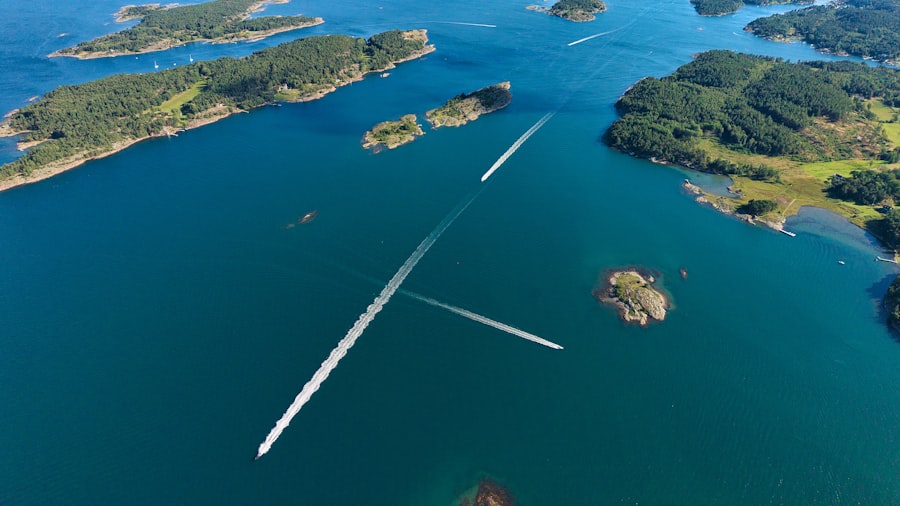
The very nature of the Second Island Chain – a series of widely dispersed islands separated by vast ocean distances – presents significant logistical challenges for military operations. Maintaining readiness and ensuring the seamless flow of personnel, equipment, and supplies across this dispersed area requires meticulous planning, robust transportation networks, and a resilient logistical infrastructure.
Maintaining Forward Deployed Forces
The continuous presence of military forces across multiple islands requires a sophisticated system of supply and support. This involves regular resupply missions for food, fuel, ammunition, and spare parts, as well as the rotation of personnel. The distances involved mean that these logistical chains are vulnerable to disruption, necessitating redundancies and contingency plans.
Resupply Operations: The Lifeline of Forward Bases
Effective resupply operations are the lifeline of any forward-deployed force. This entails a constant flow of cargo ships, aircraft, and smaller vessels transporting essential materiel to the various island bases. The efficiency and resilience of these operations are paramount to maintaining operational readiness and ensuring that forces have the resources they need to function effectively.
Personnel Rotation and Sustainment
Beyond materiel, the sustainment of personnel is equally critical. Regular rotation schedules for troops, along with adequate provisions for morale, welfare, and recreation, are essential for maintaining troop effectiveness and preventing burnout. The logistical support for these personnel needs is as vital as the support for equipment.
Infrastructure Development and Maintenance
The military bases and facilities scattered across the Second Island Chain require continuous development and maintenance. This includes the construction and upkeep of runways, harbors, barracks, communication systems, and defensive structures. The harsh tropical and maritime environments can accelerate wear and tear, requiring dedicated efforts to ensure the operational integrity of these facilities.
Harbor and Airfield Operations: Critical Nodes for Deployment
The functionality of harbors and airfields on these islands is critical for the movement of personnel and materiel. Maintaining their operational capacity, including dredging harbors and ensuring clear flight paths, is a constant undertaking. These are the critical nodes through which forces deploy and receive their vital supplies.
Communication Networks: The Nervous System of Command
Robust and secure communication networks are the nervous system of any military operation. The dispersed nature of the Second Island Chain necessitates a complex web of satellite, radio, and fiber-optic links to ensure seamless command and control. Maintaining the integrity and security of these networks is paramount to effective coordination.
The Second Island Chain military strategy plays a crucial role in the United States’ approach to maintaining stability in the Indo-Pacific region. This strategy emphasizes the importance of a robust defense posture that extends beyond the first island chain, allowing for greater operational flexibility and deterrence against potential adversaries. For a deeper understanding of the implications and developments surrounding this strategy, you can read a related article on the topic at In The War Room, which provides insightful analysis and expert opinions on current military strategies in the region.
Allied Cooperation and Interoperability
| Country | Military Presence | Alliances |
|---|---|---|
| United States | Naval and air force bases | Alliance with Japan, South Korea, Taiwan |
| Japan | Naval and air force bases | Alliance with the United States |
| South Korea | Naval and air force bases | Alliance with the United States |
| Taiwan | Naval and air force bases | Unofficial alliance with the United States |
No single nation can effectively secure the Second Island Chain alone. The immense scale of the region and the complexity of the threats necessitate strong alliances and close cooperation among like-minded nations. Enhancing interoperability between allied forces ensures that they can operate together seamlessly during joint exercises and actual contingencies.
Joint Exercises and Training
Regular joint exercises between the United States and its regional allies, such as Japan, Australia, and South Korea, are crucial for building trust and refining operational procedures. These exercises simulate various scenarios, from humanitarian assistance and disaster relief to complex combat operations, allowing forces to practice working together in a coordinated manner.
Bilateral and Multilateral Drills: Practicing Together
Bilateral drills, involving two nations, and multilateral drills, involving multiple nations, are essential for developing shared understanding and standard operating procedures. These exercises test the ability of different military branches and national forces to integrate their capabilities and achieve common objectives.
Scenario-Based Training: Preparing for the Unexpected
Scenario-based training allows allied forces to prepare for a wide range of potential threats and contingencies. This can include practicing responses to territorial disputes, freedom of navigation operations, or the aftermath of natural disasters. The ability to react effectively and in a coordinated manner is a direct outcome of such focused training.
Information Sharing and Intelligence Collaboration
Effective intelligence sharing and collaboration are vital for building a comprehensive picture of the regional security environment. Open lines of communication and established protocols for sharing classified information enable allies to pool their intelligence resources, identify emerging threats, and develop coordinated strategies.
Intelligence Fusion Centers: A Unified Threat Assessment
The establishment of intelligence fusion centers where analysts from different allied nations can work together to process and analyze intelligence data is crucial. This collaborative approach allows for a more comprehensive and nuanced understanding of the threat landscape, leading to more effective threat assessment and response planning.
Cyber Security Cooperation: Protecting Shared Networks
In the modern era, cyber security is an integral part of national defense. Allies must cooperate to protect their shared networks and critical infrastructure from cyber attacks. This involves developing common cyber defense strategies, sharing threat intelligence, and conducting joint exercises to test and improve cyber resilience.
The Evolving Threat Landscape and Future Strategies
The security environment in the Indo-Pacific is dynamic and constantly evolving. The rise of new technologies, the shifting geopolitical landscape, and the potential for novel forms of conflict require continuous adaptation of military strategies for the Second Island Chain. Future defense efforts will need to focus on addressing these evolving challenges.
Emerging Technologies and the Future of Warfare
The integration of artificial intelligence, hypersonic weapons, autonomous systems, and advanced cyber warfare capabilities is reshaping the future of warfare. Military strategists must consider how these technologies can be both leveraged for defensive purposes and countered when employed by adversaries.
Hypersonic Missiles: A New Strategic Challenge
The development and proliferation of hypersonic missiles, capable of evading existing missile defense systems, pose a significant strategic challenge. Research and development into counter-hypersonic technologies and innovative defensive architectures are essential for maintaining deterrence.
Unmanned and Autonomous Systems: The Rise of AI in Defense
The increasing sophistication of unmanned and autonomous systems, from drones to robotic ground vehicles, will significantly alter military operations. The Second Island Chain’s defense will need to incorporate these technologies for enhanced reconnaissance, logistics, and even combat roles, while also preparing to counter their use by adversaries.
The Importance of Resilience and Distributed Operations
The traditional concentration of forces at fixed bases can be a vulnerability. Future strategies will likely emphasize resilience through distributed operations, where military capabilities are spread across multiple locations, making them more difficult to neutralize in a single strike.
Diversifying Basing Options: Reducing Single Points of Failure
The development of capabilities on multiple islands within the Second Island Chain, as seen with the CNMI, aims to diversify basing options. This reduces reliance on a single, potentially vulnerable, hub and enhances the overall survivability of the defense posture.
Dispersed Command and Control: Maintaining Operational Continuity
Ensuring that command and control functions can continue even if key communication nodes are degraded is critical. Distributed command and control architectures, utilizing redundant systems and alternative communication pathways, are essential for maintaining operational continuity in a contested environment.
The Role of Deterrence in a Contested Environment
Ultimately, the primary goal of securing the Second Island Chain is to deter aggression and maintain peace. This requires a credible and adaptable deterrence posture that signals a nation’s resolve and its capability to respond effectively to any form of coercion or attack. The evolving threat landscape necessitates a continuous re-evaluation and strengthening of these deterrence strategies.
Communicating Resolve: Signal Intelligence and Military Posture
The visible posture of military forces, coupled with strategic signaling through exercises and public statements, plays a crucial role in communicating resolve. The Second Island Chain’s robust defenses serve as a clear signal to potential adversaries of the significant costs and risks associated with aggressive actions.
Adaptable Response Options: Tailoring Deterrence to Threats
A truly effective deterrence strategy must be adaptable, capable of responding to a wide range of threats, from conventional military aggression to hybrid warfare tactics. The military strategies employed in securing the Second Island Chain must therefore be flexible and capable of evolving to meet new challenges. The ongoing investment in its defense reflects its enduring importance as a cornerstone of regional security and global stability.
What Happens If China Moves Before America Rearms?
FAQs
What is the Second Island Chain military strategy?
The Second Island Chain military strategy is a concept used by the United States and its allies to maintain security and stability in the Western Pacific region. It involves the defense and control of a series of islands and territories stretching from Japan to the Philippines, including Guam and the Mariana Islands.
What is the significance of the Second Island Chain?
The Second Island Chain is strategically significant because it serves as a barrier to potential adversaries seeking to expand their influence in the Pacific region. It also provides a buffer zone for the defense of key U.S. allies and interests in the area.
How does the Second Island Chain military strategy impact regional security?
The Second Island Chain military strategy aims to deter aggression and maintain stability in the Western Pacific region by enhancing the defense capabilities of the U.S. and its allies, as well as promoting cooperation and coordination among regional partners.
What are the key components of the Second Island Chain military strategy?
Key components of the Second Island Chain military strategy include the deployment of military forces, the development of infrastructure and facilities, the establishment of security partnerships with regional allies, and the implementation of joint training and exercises.
How does the Second Island Chain military strategy relate to U.S. national security interests?
The Second Island Chain military strategy is aligned with U.S. national security interests by safeguarding the freedom of navigation, deterring potential adversaries, and maintaining a rules-based international order in the Western Pacific region.