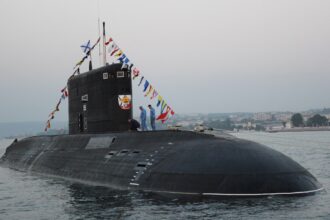
Submarine detection networks represent a critical component of modern naval warfare and maritime security. These sophisticated systems are designed to identify, track, and monitor submarines, which are often considered the stealthiest vessels in the ocean. The ability to detect submarines is not merely a matter of military strategy; it also plays a vital role in ensuring the safety of international waters and protecting vital trade routes.
As nations continue to invest in their naval capabilities, the development and enhancement of submarine detection networks have become increasingly important. The evolution of submarine detection technologies has been driven by the need for enhanced security in an era marked by geopolitical tensions and maritime disputes. With the rise of advanced submarine fleets, including nuclear-powered and unmanned vessels, the challenge of detecting these underwater threats has intensified.
Consequently, nations are compelled to innovate and adapt their detection strategies to maintain a strategic advantage over potential adversaries. This article delves into the significance of submarine detection networks, their operational mechanisms, technological advancements, and the collaborative efforts required to secure the seas.
Key Takeaways
- Submarine detection networks are crucial for maintaining maritime security and monitoring underwater activities.
- Advanced technologies like sonar and AI play a key role in detecting and tracking submarines effectively.
- Securing the seas faces challenges such as technological limitations, environmental concerns, and geopolitical tensions.
- Global collaboration and cooperation are essential to enhance the effectiveness of submarine detection efforts.
- Future advancements aim to improve detection accuracy while minimizing environmental impact and fostering international partnerships.
The Importance of Securing the Seas
Securing the seas is paramount for several reasons, ranging from national security to economic stability. The oceans cover more than 70% of the Earth’s surface and serve as vital conduits for global trade. Approximately 90% of international trade is transported by sea, making maritime security essential for economic prosperity.
Therefore, maintaining a secure maritime environment is crucial for safeguarding national interests and ensuring the uninterrupted flow of goods. Moreover, the oceans are home to a wealth of natural resources, including fisheries and underwater minerals.
The protection of these resources from illegal exploitation is another reason why securing the seas is vital. Submarine detection networks play a pivotal role in monitoring these areas, helping to prevent illegal fishing and resource extraction. In addition to economic considerations, securing the seas also involves protecting marine ecosystems from potential threats posed by military activities.
The balance between national defense and environmental stewardship is a delicate one that underscores the importance of effective submarine detection systems.
How Submarine Detection Networks Work

Submarine detection networks operate through a combination of various technologies and methodologies designed to locate and track submarines in real-time. These networks typically integrate sonar systems, satellite surveillance, and advanced data analytics to create a comprehensive picture of underwater activity. Sonar systems, both active and passive, are fundamental to submarine detection.
Active sonar emits sound waves that bounce off objects in the water, while passive sonar listens for sounds generated by submarines, such as engine noise or propeller cavitation. In addition to sonar technology, submarine detection networks utilize underwater sensors and buoys strategically placed in key maritime regions. These sensors can detect changes in water pressure, temperature, and salinity that may indicate the presence of a submarine.
Data collected from these sensors is transmitted to command centers where analysts can interpret the information and make informed decisions regarding potential threats. The integration of artificial intelligence and machine learning algorithms further enhances the capabilities of these networks by enabling faster data processing and more accurate threat assessments.
The Role of Technology in Submarine Detection
Technology plays an indispensable role in enhancing submarine detection capabilities. Over the years, advancements in sensor technology have significantly improved the accuracy and reliability of detection systems. Modern sonar systems are equipped with sophisticated algorithms that can filter out background noise and focus on specific frequencies associated with submarines.
This increased sensitivity allows for the detection of even the quietest vessels operating at great depths. Furthermore, satellite technology has revolutionized maritime surveillance by providing real-time imagery and data on surface activities. Satellites equipped with synthetic aperture radar (SAR) can detect surface vessels that may be operating in conjunction with submarines, offering valuable context for analysts monitoring underwater threats.
The fusion of satellite data with sonar information creates a multi-dimensional view of maritime environments, enabling more effective tracking and engagement strategies.
Challenges in Securing the Seas
| Metric | Description | Typical Value | Unit | Notes |
|---|---|---|---|---|
| Detection Range | Maximum distance at which a submarine can be detected | 10-50 | km | Varies with sensor type and ocean conditions |
| Sensor Types | Types of sensors used in the network | Acoustic, Magnetic, Infrared, Satellite | N/A | Combination improves detection accuracy |
| Network Coverage Area | Total area monitored by the detection network | 100,000+ | km² | Depends on deployment scale |
| False Alarm Rate | Percentage of false detections | 5-15 | % | Lower rates indicate better system reliability |
| Response Time | Time taken to confirm and respond to detection | 5-20 | minutes | Critical for timely countermeasures |
| Data Transmission Latency | Delay in transmitting sensor data to command center | 1-3 | seconds | Depends on communication infrastructure |
| Network Nodes | Number of sensor nodes deployed | 500-2000 | units | Higher node density improves detection resolution |
| Power Consumption | Average power usage per sensor node | 10-50 | Watts | Important for autonomous underwater sensors |
Despite advancements in submarine detection technologies, several challenges persist in securing the seas. One significant challenge is the increasing sophistication of submarine designs. Modern submarines are engineered to be quieter and more difficult to detect than their predecessors.
This stealth technology complicates traditional detection methods, requiring continuous innovation in detection strategies to keep pace with evolving threats. Another challenge lies in the vastness of the oceans themselves. The sheer size of maritime environments makes comprehensive surveillance difficult.
Submarine detection networks must cover extensive areas while maintaining high levels of accuracy and responsiveness. Additionally, environmental factors such as ocean currents, temperature variations, and underwater topography can affect sonar performance and complicate detection efforts. Addressing these challenges requires ongoing research and development to enhance existing technologies and explore new methodologies for submarine detection.
Global Efforts in Submarine Detection

Recognizing the importance of submarine detection networks, nations around the world have initiated collaborative efforts to enhance their capabilities. International partnerships have emerged as countries seek to share knowledge, resources, and technologies to address common maritime security challenges. Joint exercises involving multiple navies allow for the testing of detection systems in real-world scenarios, fostering cooperation and improving interoperability among allied forces.
Organizations such as NATO have also prioritized submarine detection as part of their collective defense strategies. By pooling resources and expertise, member nations can develop more robust detection networks that enhance overall maritime security. Additionally, regional alliances have formed to address specific threats posed by submarines operating in contested waters.
These collaborative efforts underscore the recognition that securing the seas is a shared responsibility that transcends national borders.
Advancements in Submarine Detection Technology
The field of submarine detection technology continues to evolve rapidly, driven by advancements in various scientific disciplines. One notable area of progress is the development of unmanned underwater vehicles (UUVs) equipped with advanced sensors for detecting submarines. These autonomous systems can operate in challenging environments where manned vessels may be at risk, providing valuable intelligence without exposing personnel to danger.
Moreover, machine learning algorithms are being increasingly integrated into submarine detection systems. By analyzing vast amounts of data collected from various sources, these algorithms can identify patterns and anomalies that may indicate submarine activity. This capability not only enhances detection accuracy but also allows for predictive analytics that can anticipate potential threats before they materialize.
Environmental Impact of Submarine Detection Networks
While submarine detection networks are essential for ensuring maritime security, they also raise concerns regarding their environmental impact. The use of sonar technology can have adverse effects on marine life, particularly on species that rely on echolocation for navigation and communication. High-intensity sound waves generated by active sonar can disrupt natural behaviors in marine mammals such as dolphins and whales.
To mitigate these environmental concerns, researchers are exploring alternative detection methods that minimize acoustic disturbances while maintaining effectiveness. Passive sonar systems, which rely on listening rather than emitting sound waves, present a less intrusive option for monitoring underwater activity. Additionally, ongoing studies aim to better understand the ecological implications of submarine detection technologies, fostering a balance between national security needs and environmental preservation.
Future of Submarine Detection Networks
The future of submarine detection networks is poised for significant transformation as technological advancements continue to reshape maritime security landscapes. Emerging technologies such as quantum sensing hold promise for revolutionizing underwater detection capabilities by offering unprecedented sensitivity levels that could detect even the faintest signals from submarines. Furthermore, as nations increasingly recognize the importance of cybersecurity in modern warfare, efforts will likely focus on protecting submarine detection networks from cyber threats.
Ensuring the integrity and reliability of these systems will be paramount as adversaries seek to exploit vulnerabilities in digital infrastructure.
Collaboration and Cooperation in Securing the Seas
Collaboration among nations is essential for effectively securing the seas against submarine threats. As maritime challenges become more complex and interconnected, countries must work together to share intelligence, resources, and best practices in submarine detection. Joint training exercises and information-sharing initiatives foster trust among allies while enhancing collective capabilities.
International forums provide platforms for dialogue on maritime security issues, allowing nations to address concerns related to submarine activities collaboratively. By fostering cooperation at various levels—bilateral agreements, regional partnerships, and multilateral organizations—countries can create a unified front against potential threats lurking beneath the waves.
The Importance of Invisible Submarine Detection Networks
In conclusion, invisible submarine detection networks play an indispensable role in safeguarding maritime security and ensuring the stability of global trade routes. As nations navigate an increasingly complex geopolitical landscape marked by evolving threats from advanced submarines, the importance of these networks cannot be overstated. Through technological advancements, collaborative efforts, and a commitment to balancing security needs with environmental considerations, countries can enhance their capabilities to detect and deter underwater threats effectively.
The future holds promise for further innovations in submarine detection technology that will bolster national defense while minimizing ecological impacts. As nations continue to invest in these critical systems, they must also prioritize cooperation and collaboration to address shared challenges effectively. Ultimately, invisible submarine detection networks will remain a cornerstone of maritime security strategies as countries strive to protect their interests beneath the waves.
The development of an invisible submarine detection network is a critical advancement in modern naval warfare, as it enhances the ability to monitor and track underwater threats. For further insights into the implications of such technologies, you can read a related article on this topic at com/sample-page/’>this link.
This article delves into the strategic advantages and challenges posed by advanced detection systems in maritime security.
WATCH THIS! 🎖️ The Silent Underwater Network That Doomed Every Soviet Submarine
FAQs
What is an invisible submarine detection network?
An invisible submarine detection network refers to a system of sensors and technologies designed to detect and track submarines without being easily detected themselves. These networks often use advanced sonar, underwater acoustics, and other stealthy monitoring methods.
How does an invisible submarine detection network work?
Such networks typically employ a combination of passive and active sonar arrays, underwater microphones (hydrophones), and sometimes satellite or aerial surveillance to monitor underwater activity. The goal is to identify submarine movements while minimizing the network’s own detectability.
Why is invisibility important in submarine detection networks?
Invisibility or stealth is crucial because if the detection network is discovered by enemy submarines, they can avoid or disable it. Maintaining a covert presence ensures continuous monitoring and increases the chances of early detection.
What technologies are used in invisible submarine detection networks?
Technologies include passive sonar arrays, low-frequency acoustic sensors, underwater drones, fiber-optic cables for sensing vibrations, and advanced signal processing algorithms. Some networks also integrate satellite data and AI for enhanced detection capabilities.
Where are invisible submarine detection networks typically deployed?
These networks are often deployed in strategic maritime chokepoints, coastal areas, and regions with high submarine activity. Examples include narrow straits, naval bases, and important shipping lanes.
Who operates invisible submarine detection networks?
Typically, navies and defense organizations of various countries operate these networks to protect national security and maintain maritime situational awareness.
What are the challenges in developing invisible submarine detection networks?
Challenges include minimizing the network’s own acoustic signature, ensuring long-term durability of underwater sensors, dealing with complex underwater environments, and processing large volumes of data to accurately identify submarines.
Can invisible submarine detection networks detect all types of submarines?
While these networks are designed to detect a wide range of submarines, detection effectiveness can vary depending on the submarine’s size, speed, noise level, and stealth technologies. Some advanced submarines are specifically engineered to evade detection.
How does an invisible submarine detection network differ from traditional sonar systems?
Traditional sonar systems may be more easily detected by enemy submarines due to active sonar pings or visible infrastructure. Invisible networks emphasize stealth, passive detection methods, and distributed sensor arrays to remain covert.
What is the strategic importance of invisible submarine detection networks?
They provide critical early warning of submarine threats, enhance maritime security, protect naval assets, and contribute to deterrence by reducing the ability of adversaries to operate undetected underwater.