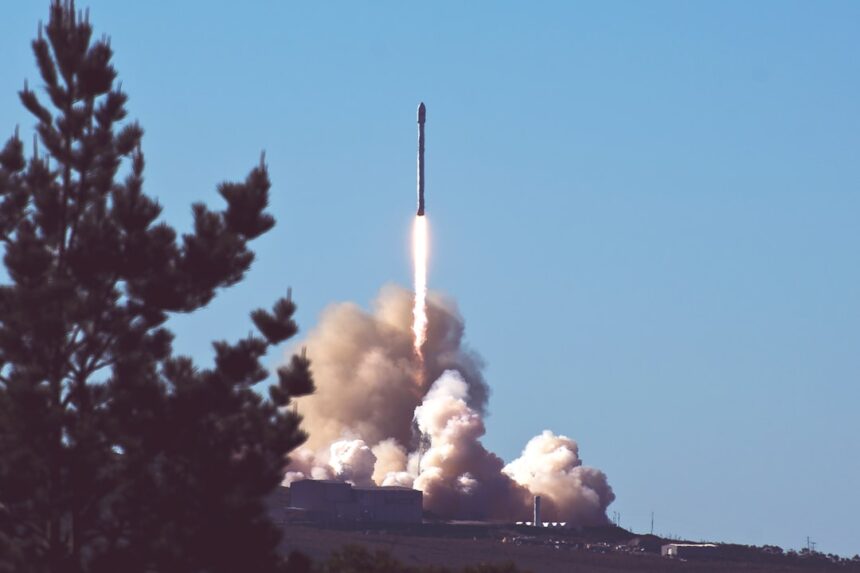
The Vympel Nuclear Command Missile is a military communication system designed to maintain command and control capabilities over nuclear forces during crisis situations.
The system operates as part of a nation’s strategic nuclear deterrent framework, providing redundant communication pathways between command authorities and nuclear forces.
Unlike traditional ballistic missiles designed for target destruction, the Vympel functions primarily as a communication relay platform, ensuring continuity of command during potential nuclear conflicts or electromagnetic pulse scenarios that could disrupt standard communication channels. The missile incorporates specialized communication equipment and transmission systems capable of broadcasting command signals across wide geographic areas. Its design prioritizes survivability and reliability under extreme conditions, including nuclear environments where conventional communication infrastructure may be inoperable.
The system represents one approach to addressing the technical challenges of maintaining command authority during nuclear crisis scenarios, contributing to strategic stability through assured command and control capabilities.
Key Takeaways
- The Vympel Nuclear Command Missile is a critical component of national security and nuclear command systems.
- It has a rich history and has undergone significant technical advancements since its development.
- Strict security measures and specialized training are essential for personnel managing the Vympel missile system.
- The missile plays a strategic role in international relations and is subject to various agreements and protocols.
- Ongoing upgrades and addressing future challenges are vital to maintaining the missile’s stability and security.
History and Development of Vympel Missile System
The origins of the Vympel missile system can be traced back to the Cold War era, a time characterized by intense geopolitical rivalry and an arms race between superpowers. As tensions escalated, the need for a robust nuclear command system became increasingly apparent. The development of the Vympel missile was initiated in response to these strategic imperatives, with engineers and military strategists working collaboratively to create a system that could withstand the pressures of modern warfare.
Over the years, the Vympel missile has undergone numerous iterations and enhancements, reflecting advancements in technology and changes in military doctrine. Initial prototypes were designed with basic functionalities, but as threats evolved, so too did the missile’s capabilities. The integration of advanced guidance systems, improved communication technologies, and enhanced payload options has transformed the Vympel into a versatile tool for national defense.
This evolution underscores the importance of continuous innovation in military technology, as nations strive to maintain their strategic edge.
Technical Specifications of Vympel Missile
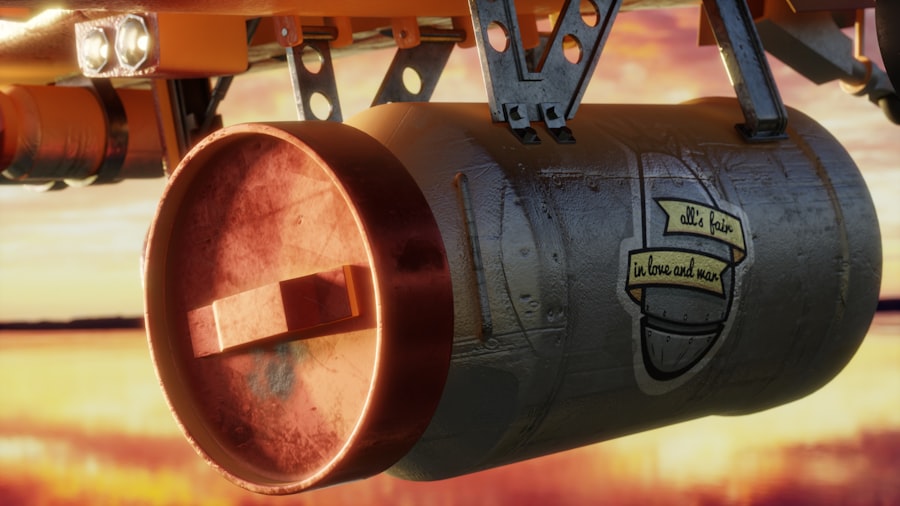
The technical specifications of the Vympel missile are a testament to its sophisticated engineering and design. It boasts a range that allows for strategic flexibility, enabling it to engage targets at varying distances with precision. The missile is equipped with advanced guidance systems that enhance its accuracy, ensuring that it can deliver its payload effectively even in challenging conditions.
This level of precision is crucial for minimizing collateral damage and maximizing the impact on designated targets. In addition to its range and accuracy, the Vympel missile features robust communication systems that facilitate real-time data exchange between command centers and deployed units. This capability is vital for maintaining situational awareness and ensuring that decision-makers have access to critical information during operations.
Furthermore, the missile’s design incorporates stealth technologies that reduce its radar signature, making it more difficult for adversaries to detect and intercept. These technical specifications collectively contribute to the Vympel missile’s reputation as a formidable asset in any nation’s arsenal.
Role of Vympel Missile in National Security
The role of the Vympel missile in national security cannot be overstated. It serves as a cornerstone of deterrence strategy, providing assurance that a nation can respond effectively to any nuclear threat. By maintaining a credible nuclear capability, the Vympel missile helps to dissuade potential aggressors from considering an attack.
This deterrent effect is crucial in an era where nuclear proliferation remains a pressing concern. Moreover, the Vympel missile enhances a nation’s ability to project power on the global stage. Its presence signals to both allies and adversaries that the nation is prepared to defend its interests vigorously.
This capability fosters stability within regions where tensions may be high, as adversaries are less likely to engage in aggressive actions when faced with a credible nuclear response. Thus, the Vympel missile not only contributes to national security but also plays a vital role in shaping international relations.
Strategic Importance of Vympel Missile in Nuclear Command
| Metric | Details |
|---|---|
| Name | Nuclear Command Missile Vympel |
| Type | Intercontinental Ballistic Missile (ICBM) Command System |
| Country of Origin | Russia |
| Purpose | Command and control of nuclear missile forces |
| Operational Status | Active/Modernized (subject to verification) |
| Range | Varies depending on missile system controlled |
| Launch Platform | Mobile and fixed command centers |
| Communication System | Secure, encrypted, multi-channel communication links |
| Command Authority | Strategic Rocket Forces Command |
| Deployment | Strategic missile bases and mobile command posts |
The strategic importance of the Vympel missile within nuclear command structures is profound. It serves as a critical link between political leadership and military execution, ensuring that commands can be transmitted swiftly and securely during crises. This capability is essential for maintaining an effective nuclear posture, as timely decision-making can be the difference between escalation and de-escalation in high-stakes situations.
Furthermore, the Vympel missile’s integration into broader military strategies highlights its role in ensuring that nuclear forces remain responsive and adaptable. As geopolitical dynamics shift, the ability to modify command protocols and operational plans becomes increasingly important. The Vympel missile facilitates this adaptability by providing commanders with reliable tools for communication and control, thereby enhancing overall strategic flexibility.
Security Measures and Protocols for Vympel Missile System
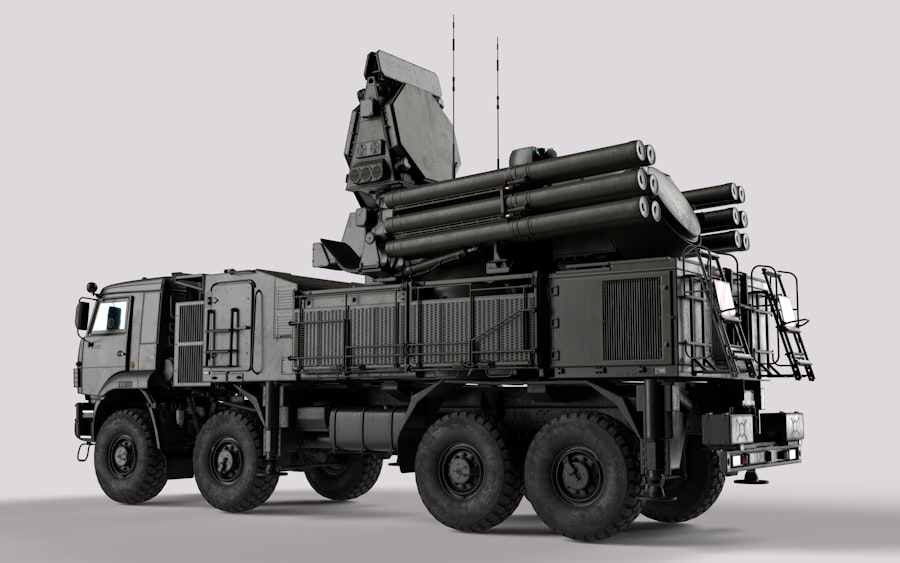
Given the sensitive nature of nuclear weapons, security measures surrounding the Vympel missile system are stringent and multifaceted. These protocols are designed to prevent unauthorized access and ensure that only authorized personnel can operate or interact with the missile system. Physical security measures include fortified storage facilities, surveillance systems, and armed guards, all aimed at safeguarding against potential threats.
In addition to physical security, cybersecurity measures are equally critical in protecting the integrity of the Vympel missile system. As technology evolves, so do the methods employed by adversaries seeking to exploit vulnerabilities within military systems. Therefore, continuous assessments and updates to cybersecurity protocols are essential for maintaining operational security.
These comprehensive security measures reflect a commitment to safeguarding national assets while ensuring that the Vympel missile remains an effective tool for deterrence.
Training and Education for Personnel Handling Vympel Missile
The effective operation of the Vympel missile system relies heavily on well-trained personnel who understand both its technical specifications and operational protocols. Training programs are meticulously designed to equip military personnel with the necessary skills to handle this sophisticated weaponry safely and effectively. These programs encompass various aspects, including technical training on missile systems, simulations of operational scenarios, and crisis management exercises.
Moreover, ongoing education is crucial for personnel involved in the Vympel missile program. As technology advances and new threats emerge, continuous learning ensures that operators remain proficient in their roles. This commitment to training not only enhances individual capabilities but also fosters a culture of excellence within military ranks.
By investing in personnel development, nations can ensure that their nuclear command systems remain effective and responsive in an ever-changing security environment.
International Relations and Agreements Regarding Vympel Missile
The presence of advanced missile systems like the Vympel has significant implications for international relations and arms control agreements. Nations possessing such capabilities must navigate complex diplomatic landscapes to manage perceptions and mitigate tensions with other countries. The existence of the Vympel missile can influence negotiations surrounding arms reduction treaties and non-proliferation efforts, as nations seek to balance their security needs with global stability.
Furthermore, transparency regarding missile capabilities can play a crucial role in building trust among nations. Engaging in dialogue about the purpose and limitations of systems like the Vympel can help alleviate fears of aggressive intentions. By participating in international forums and adhering to established agreements, nations can work towards fostering an environment where nuclear weapons are viewed as tools of deterrence rather than instruments of war.
Future Upgrades and Developments for Vympel Missile System
As technological advancements continue to reshape military capabilities, future upgrades for the Vympel missile system are anticipated to enhance its effectiveness further. These upgrades may include improvements in guidance systems, increased range capabilities, and enhanced payload options tailored to evolving threats. The integration of artificial intelligence could also play a role in optimizing targeting processes and decision-making during operations.
Additionally, future developments may focus on enhancing interoperability with allied forces. As global security challenges become more interconnected, ensuring that different nations’ systems can communicate effectively will be paramount. Upgrading the Vympel missile system to facilitate joint operations could strengthen alliances and improve collective defense strategies.
Challenges and Risks in Securing the Future of Vympel Missile
Despite its advanced capabilities, securing the future of the Vympel missile system presents several challenges and risks. One significant concern is the potential for technological obsolescence as new advancements emerge in missile defense systems or countermeasures developed by adversaries. To maintain its strategic relevance, continuous investment in research and development is essential.
Moreover, geopolitical tensions can pose risks to the stability surrounding nuclear command systems like the Vympel missile. Escalating conflicts or misunderstandings between nations could lead to miscalculations or unintended escalations involving nuclear forces. Therefore, fostering diplomatic channels and engaging in confidence-building measures will be crucial for mitigating these risks while ensuring that systems like the Vympel remain effective deterrents.
Ensuring the Stability and Security of Vympel Nuclear Command Missile
In conclusion, the Vympel Nuclear Command Missile stands as a critical component of modern military strategy and national security frameworks. Its sophisticated design, robust capabilities, and strategic importance underscore its role as a deterrent against potential threats. However, ensuring its stability and security requires ongoing commitment from nations to invest in training, technological upgrades, and diplomatic engagement.
As global dynamics continue to evolve, so too must approaches to managing nuclear arsenals like the Vympel missile system. By prioritizing security measures, fostering international cooperation, and embracing innovation, nations can work towards maintaining peace while safeguarding their interests in an increasingly complex world. The future of the Vympel missile will depend not only on technological advancements but also on the ability of nations to navigate challenges collaboratively while upholding principles of stability and security.
The Vympel missile system, a critical component of Russia’s nuclear command and control, has garnered significant attention due to its advanced capabilities and strategic implications.