The South Pars gas field, a titanic energy reserve shared by Iran and Qatar, stands as a critical component of global energy supply chains. Its offshore infrastructure, a sprawling network of platforms, pipelines, and processing facilities, is inherently vulnerable to a range of threats, from environmental hazards to deliberate acts of sabotage. Ensuring the continuous and secure operation of South Pars necessitates a multi-layered approach to underwater security, focusing on the detection, deterrence, and mitigation of potential risks before they can impact the field’s integrity or production. This article examines the various underwater security measures employed and considered for the South Pars gas field, acknowledging the complex challenges inherent in protecting such a vast and vital subsea environment.
The security of offshore energy installations like South Pars is a multifaceted issue, with potential threats originating from diverse sources. Understanding these threats is the foundational step in developing effective security strategies.
Environmental and Natural Threats
The marine environment itself presents significant challenges to the structural integrity and operational continuity of the South Pars field.
Extreme Weather Events
Cyclonic storms, high winds, and powerful wave action can exert immense physical stress on platforms, risers, and subsea pipelines. These events can lead to structural fatigue, displacement, or even catastrophic failure if not adequately addressed through robust engineering and maintenance regimes. The remote location of many South Pars facilities in the Persian Gulf exacerbates the difficulties in responding to and mitigating damage caused by such events.
Seafloor Instability and Currents
Seismic activity, though generally moderate in the Persian Gulf, can pose a long-term risk to subsea infrastructure. More immediate concerns include seafloor instability due to natural sediment movement or human-induced dredging activities in the vicinity of operational areas. Strong underwater currents, especially in constricted waterways, can also lead to scouring around pipeline and structural foundations, potentially compromising their stability over time.
Accidental and Operational Risks
Human error and equipment malfunction can lead to unintended consequences that threaten the safety and security of the field.
Third-Party Interference
Unregulated maritime traffic, including fishing vessels, cargo ships, and smaller craft, poses a significant risk. Accidental collisions with platforms, anchoring operations impacting subsea pipelines, or the improper disposal of waste can cause damage. The sheer volume of shipping in the Persian Gulf makes constant vigilance and clear demarcation of operational zones essential.
Equipment Malfunction and Structural Degradation
Over time, the harsh marine environment can lead to corrosion, fatigue, and wear and tear on subsea equipment, including pipelines, valves, and structural supports. Failures in critical systems, such as leak detection or pressure monitoring, can lead to environmental incidents or compromise operational safety. Regular, thorough inspections and proactive maintenance are paramount.
Deliberate and Malicious Threats
The strategic importance of the South Pars gas field makes it a potential target for intentional acts designed to disrupt operations or cause significant economic and political damage.
Sabotage and Terrorism
The possibility of deliberate acts of sabotage, such as the placement of explosive devices or the intentional damage of critical infrastructure, remains a primary concern for underwater security. Terrorist organizations or state-sponsored actors could seek to leverage the vulnerability of subsea assets for strategic advantage.
Illegal Activities
The vastness of the offshore area can also attract illicit activities, such as smuggling or illegal fishing, which may inadvertently or intentionally encroach upon or damage operational assets. While not directly aimed at disrupting production, these activities can nonetheless present security risks.
The security of the South Pars gas field, one of the largest gas reserves in the world, has become a focal point for geopolitical discussions, particularly given its strategic importance in the region. An insightful article that delves into the underwater security challenges faced by this vital energy resource can be found at In The War Room. This piece explores the implications of potential threats and the measures being implemented to safeguard the field from various underwater risks.
Detection and Surveillance Systems
The first line of defense for any underwater security operation lies in the ability to accurately detect and monitor activity within and around the critical infrastructure of the South Pars gas field. This requires a sophisticated suite of technologies capable of operating in the challenging marine environment.
Sonar Technologies
Sonar, a portmanteau of SOund Navigation And Ranging, remains a cornerstone of underwater detection. Various forms of sonar are employed to suit different operational requirements.
Hull-Mounted Sonar
Installed on surface vessels or underwater vehicles, hull-mounted sonar systems can provide high-resolution imagery of the seabed and submerged objects within a defined range. These systems are crucial for routine surveys and for investigating anomalies detected by other sensors.
Towed Array Sonar
Consisting of a series of hydrophones towed behind a vessel, towed array sonar offers a wider area of coverage and increased sensitivity. This makes it particularly effective for detecting submerged objects, such as subsea pipelines, and for initial reconnaissance of large areas.
Side-Scan Sonar
Side-scan sonar systems emit acoustic pulses that reflect off the seabed and submerged objects, creating detailed acoustic images. These images are invaluable for mapping the seafloor, identifying pipelines, detecting debris, and pinpointing potential hazards that might pose a threat.
Remotely Operated Vehicles (ROVs)
ROVs are uncrewed, tethered underwater robots that are essential for close-up inspection, manipulation, and intervention tasks.
Visual Inspection ROVs
Equipped with high-definition cameras and powerful lights, these ROVs provide real-time visual data of subsea infrastructure. They are critical for identifying external damage, corrosion, or any signs of tampering.
Intervention ROVs
More advanced ROVs are equipped with manipulators and tools that allow them to perform tasks such as valve operation, cutting, or retrieval of objects. This capability is vital for urgent repairs or for removing potential threats that have been identified.
Acoustic Monitoring Systems
Beyond active sonar, passive acoustic monitoring systems can detect and classify underwater sounds.
Hydrophone Networks
Strategic placement of hydrophones on the seabed or integrated into subsea structures can detect a wide range of acoustic signatures, including those of vessels, divers, and potentially underwater explosions. Analysis of these sounds can provide early warning of unauthorized activity.
Passive Acoustic Monitoring for Marine Life
While not directly a security measure, monitoring the acoustic environment for changes in marine mammal activity can also be an indirect indicator of unusual human presence or noise pollution, which might warrant further investigation.
Underwater Imagery and Video Analysis
The vast amounts of visual data generated by ROVs and other survey platforms require robust analysis capabilities.
Automated Object Recognition
Advanced algorithms can be employed to automatically identify and classify known subsea assets, such as pipelines, valves, and protective structures, from visual data. This allows operators to focus on detecting anomalies and unrecognized objects.
Change Detection Algorithms
By comparing current imagery with historical datasets, change detection algorithms can highlight areas where the seabed or infrastructure has been altered, signaling potential interference or degradation that requires immediate attention.
Physical Barriers and Deterrents
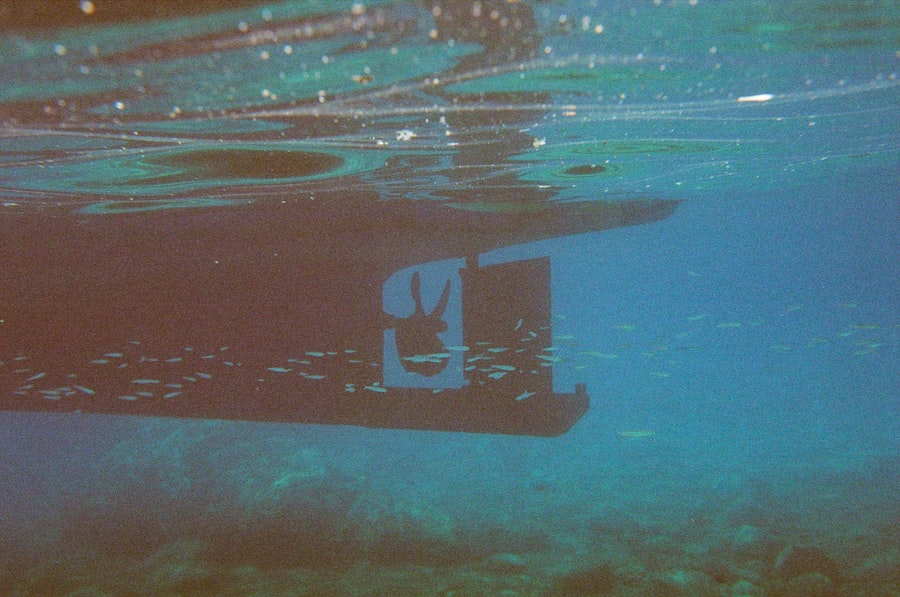
Beyond detection, physical measures are crucial to prevent unauthorized access and deter malicious intent in the underwater environment.
Subsea Security Hubs and Infrastructure
The platforms themselves serve as focal points for security, acting as deterrents and bases for response.
Enhanced Platform Security
Platforms are equipped with a range of surveillance systems, including radar, optical cameras, and often, underwater sensors. Their physical presence and operational lights act as a deterrent to unauthorized surface and near-surface approaches.
Guard Vessels and Patrol Routes
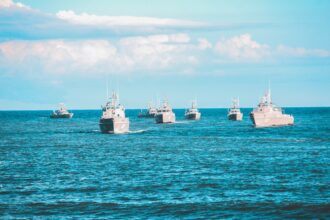
Assigned guard vessels patrol the perimeter of operational areas, monitoring maritime traffic and responding to potential incursions. Established patrol routes ensure consistent coverage of critical zones.
Physical Protection of Subsea Assets
Direct protection of pipelines and other subsea infrastructure is a critical component of a comprehensive security strategy.
Pipeline Burial and Coating
Burying pipelines beneath the seafloor offers a significant degree of protection against accidental damage from anchors or fishing gear. Advanced anti-corrosion coatings also extend the lifespan and integrity of exposed pipelines.
Protective Structures and Sleeves
For critical sections of pipelines or wellheads, reinforced concrete mattresses, rock berms, or specialized protective sleeves can be deployed to provide localized physical shielding against external impact.
Access Control for Underwater Operations
Managing who or what can access the underwater environment is paramount.
Restricted Zones and Buoyancy Markers
Clearly defined exclusion zones are established around gas field infrastructure, marked by buoys and communicated through maritime advisories. Unauthorized entry into these zones triggers immediate alerts.
Prohibition of Anchoring and Dredging
Strict regulations and enforcement are in place to prohibit anchoring and dredging activities within designated safety zones around South Pars infrastructure.
Response and Intervention Capabilities

Even with robust detection and deterrence measures, the possibility of an incident necessitates well-rehearsed and effective response capabilities.
Incident Detection and Alerting Protocols
The speed and efficiency of the response are directly proportional to the effectiveness of the initial detection and alerting systems.
Real-time Data Integration
Data from all surveillance sensors is integrated into a central command and control center, allowing for real-time monitoring and immediate identification of potential threats or anomalies.
Automated Alerting Systems
Pre-programmed thresholds and algorithms trigger automated alerts to the relevant security and operational teams upon detection of suspicious activity or deviations from normal parameters.
Deployment of Specialized Response Teams
When a threat is identified, rapid deployment of specialized personnel is crucial.
Dive Teams and ROV Support
Trained dive teams, equipped with specialized diving gear, are available for emergency inspections and minor repairs. They are often supported by ROVs for deeper or more hazardous operations.
Security Patrol Vessels
Fast response vessels are on standby to intercept and investigate any unauthorized maritime activity approaching the security perimeter.
Emergency Repair and Containment Procedures
In the event of damage, immediate action is required to mitigate consequences.
Subsea Emergency Response Plans
Detailed emergency response plans outline procedures for various scenarios, including pipeline breaches, structural damage, or attempted sabotage. These plans are regularly reviewed and updated.
Rapid Repair Technologies
Pre-positioned materials and equipment, as well as access to specialized subsea repair technologies, are essential for quick and effective restoration of damaged infrastructure.
The underwater security of the South Pars gas field has become a critical concern given its strategic importance in the region. Recent developments highlight the need for enhanced protective measures to safeguard this vital resource against potential threats. For a deeper understanding of the geopolitical implications and security challenges surrounding underwater energy infrastructure, you can read a related article that explores these issues in detail. This insightful piece can be found here.
Technology Advancement and Future Considerations
| Security Metric | Value |
|---|---|
| Number of underwater security cameras | 25 |
| Depth of underwater security barriers | 10 meters |
| Number of security personnel patrolling underwater | 15 |
| Number of underwater security checkpoints | 5 |
The evolving nature of threats and the relentless march of technological innovation demand a proactive approach to the continuous enhancement of underwater security for the South Pars gas field.
Artificial Intelligence and Machine Learning
The application of AI and ML offers significant potential for improving the efficiency and accuracy of underwater security operations.
Predictive Analytics for Infrastructure Health
AI algorithms can analyze historical data from sensors and inspections to predict potential points of failure in subsea infrastructure, allowing for proactive maintenance and risk mitigation before an incident occurs.
Advanced Anomaly Detection
Machine learning models can be trained to differentiate between normal operational sounds and external intrusions, significantly reducing false alarms and enabling faster identification of genuine threats. Analyzing vast datasets of sonar and video imagery can identify subtle patterns indicative of unauthorized activity.
Autonomous Underwater Vehicles (AUVs)
AUVs, unlike ROVs, operate independently without a tether, offering greater flexibility and access to more remote or hazardous areas.
Persistent Surveillance AUVs
AUVs can be deployed for long-duration missions, continuously patrolling predefined areas and gathering data without direct human control. This allows for more comprehensive and cost-effective surveillance of the vast South Pars operational zones.
Swarming AUVs for Area Denial
The deployment of multiple AUVs working in coordination, known as swarming, could create a dynamic surveillance and deterrent network, making it significantly harder for unauthorized craft or divers to operate undetected.
Advanced Sensor Fusion and Data Analysis
Combining data from multiple sensor types provides a more comprehensive and accurate picture of the underwater environment.
Multi-Sensor Integration Platforms
Developing platforms that seamlessly integrate data from sonar, acoustic monitors, visual cameras, and even environmental sensors allows for cross-validation of information and a more robust threat assessment.
Secure Data Transmission and Storage
Ensuring the secure transmission and storage of sensitive security data is paramount, employing robust encryption and access control measures to prevent unauthorized access or manipulation.
International Cooperation and Information Sharing
The transboundary nature of the South Pars field underscores the importance of collaboration.
Joint Security Exercises and Drills
Conducting regular joint security exercises with neighboring countries and relevant international bodies helps to harmonize response protocols and improve coordination in the event of a joint threat.
Intelligence Sharing and Threat Assessment
Establishing secure channels for intelligence sharing regarding maritime activity, potential threats, and emerging technologies is crucial for a proactive and informed security posture.
In conclusion, the security of the South Pars gas field’s underwater infrastructure is a complex and ongoing challenge. A combination of advanced detection systems, physical deterrents, rapid response capabilities, and a commitment to technological advancement and international cooperation is essential to safeguarding this vital energy resource. The continuous evaluation of threats and the adaptation of security strategies are not merely advisable but are fundamental requirements for ensuring the uninterrupted and secure operation of South Pars for the foreseeable future.
FAQs
What is the South Pars Gas Field?
The South Pars Gas Field is the world’s largest natural gas field, located in the Persian Gulf between Iran and Qatar. It is a major source of natural gas and condensate.
Why is underwater security important for the South Pars Gas Field?
Underwater security is important for the South Pars Gas Field to protect its infrastructure, prevent sabotage, and ensure the safety of workers and the environment. It also helps to deter unauthorized access and protect against potential terrorist threats.
What are some of the security measures in place for the South Pars Gas Field?
Security measures for the South Pars Gas Field include underwater surveillance systems, sonar technology, underwater barriers, regular patrols by security personnel, and coordination with naval forces for additional protection.
What are the potential threats to the South Pars Gas Field’s underwater security?
Potential threats to the South Pars Gas Field’s underwater security include sabotage, unauthorized access by hostile entities, terrorist attacks, and natural disasters such as underwater earthquakes or tsunamis.
How does the underwater security of the South Pars Gas Field impact global energy supply?
The underwater security of the South Pars Gas Field is crucial for maintaining a stable and reliable global energy supply, as any disruption to its operations could have significant impacts on natural gas and condensate production and distribution worldwide.