Securing Critical Minerals: A Supply Chain Documentary unravels the complex and increasingly vital journey of the raw materials that power our modern world. In an era defined by technological advancement and the urgent transition to green energy, these “critical minerals” – essential for everything from smartphones and electric vehicles to renewable energy infrastructure and defense systems – have become the bedrock of global prosperity and security. This documentary offers a compelling and insightful exploration, taking viewers behind the scenes of a supply chain fraught with geopolitical tensions, environmental challenges, and the relentless pursuit of innovation. It meticulously details the lifecycle of these minerals, from their extraction in far-flung corners of the earth to their transformation into the finished products that shape our daily lives.
The documentary opens with a stark depiction of our dependence on a select group of elements. It highlights how seemingly commonplace items, from the batteries in our laptops to the solar panels on our roofs, are profoundly reliant on specific mineral compositions. The narrative underscores that “criticality” is not an arbitrary designation but a carefully considered assessment of both the economic importance of a mineral and the significant risk associated with its supply chain. These risks, the film explains, can stem from geographic concentration of deposits, geopolitical instability in producing nations, limited substitution possibilities, and the sheer complexity of the extraction and processing stages.
Defining Criticality: More Than Just Abundance
The film delves into the criteria used by governments and international bodies to classify minerals as critical. It illustrates how factors such as market dominance by a few countries, the potential for supply disruptions due to political events or trade disputes, and the sheer indispensability of the mineral for key industrial sectors are all taken into account. viewers are introduced to the mineral families that consistently appear on these lists, such as rare earth elements (REEs), lithium, cobalt, nickel, and platinum group metals (PGMs). The documentary goes beyond a simple alphabetical listing, providing context for why each of these groups is so crucial.
Rare Earth Elements: The Enablers of High Technology
A significant portion of the documentary focuses on rare earth elements. It paints a vivid picture of their unique properties and their indispensable role in a vast array of high-tech applications. From powerful magnets in wind turbines and electric vehicle motors to components in advanced electronics, medical imaging devices, and defense systems, REEs are portrayed as the unsung heroes of technological progress. The film highlights the historical dominance of China in the extraction and processing of these elements, explaining how this concentration has led to significant supply chain vulnerabilities for the rest of the world, prompting a global scramble to diversify sources.
Lithium and Cobalt: The Lifeblood of the Electric Revolution
The documentary then turns its attention to the minerals powering the electric vehicle (EV) revolution. Lithium, extracted from brine pools in arid landscapes and hard rock deposits, and cobalt, often a byproduct of copper and nickel mining, are presented as the essential components of modern battery technology. The film explores the environmental and social implications of their extraction, showcasing the vast water usage in lithium-rich salt flats and the ethical concerns surrounding cobalt mining in regions like the Democratic Republic of Congo. It underscores that while EVs are a cornerstone of the green transition, their production is not without its own set of critical supply chain challenges.
Nickel and Platinum Group Metals: Versatility and Vitality
Nickel’s role in stainless steel and its increasing importance in EV batteries are thoroughly examined. The documentary highlights how nickel deposits are geographically dispersed but often subject to complex processing requirements. Similarly, the film sheds light on platinum group metals (PGMs) – platinum, palladium, rhodium, iridium, ruthenium, and osmium – and their vital applications in catalytic converters for vehicles, fuel cells, and various industrial processes. The rarity and specialized extraction methods for PGMs are emphasized, underscoring their inherent supply chain risks.
In the context of the critical mineral supply chain, the documentary sheds light on the intricate processes and geopolitical factors that influence the availability of essential resources. For a deeper understanding of the challenges and opportunities within this sector, you can explore a related article that discusses the strategic importance of these minerals in modern technology and national security. Check it out here: In The War Room.
The Global Scramble: From Mine to Market
The documentary vividly illustrates the arduous and often contentious journey that critical minerals undertake from their initial extraction to their integration into consumer products. This segment provides a ground-level perspective, showcasing the diverse and often challenging environments where these vital resources are unearthed. It emphasizes that the location of mineral deposits is rarely convenient, often situated in remote, politically unstable, or ecologically sensitive regions, adding layers of complexity to the supply chain.
Extraction: The Harsh Realities of Mining
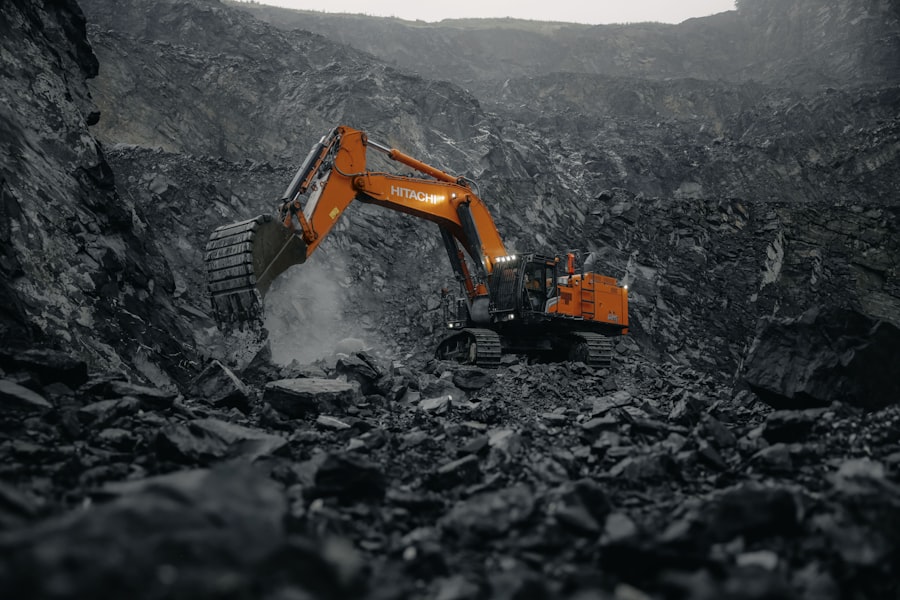
Viewers are taken to the front lines of mining operations, witnessing the raw power and technological sophistication required to extract minerals from the earth. The film explores both conventional open-pit and underground mines, as well as more specialized techniques like placer mining and in-situ recovery. It doesn’t shy away from the environmental impact of these operations, depicting landscapes transformed by mining activity, the challenges of water management, and the generation of waste materials. The human element is also central, with interviews with miners offering perspectives on the labor-intensive nature of the work and the safety considerations involved.
Open-Pit Mining: Reshaping Landscapes for Resources
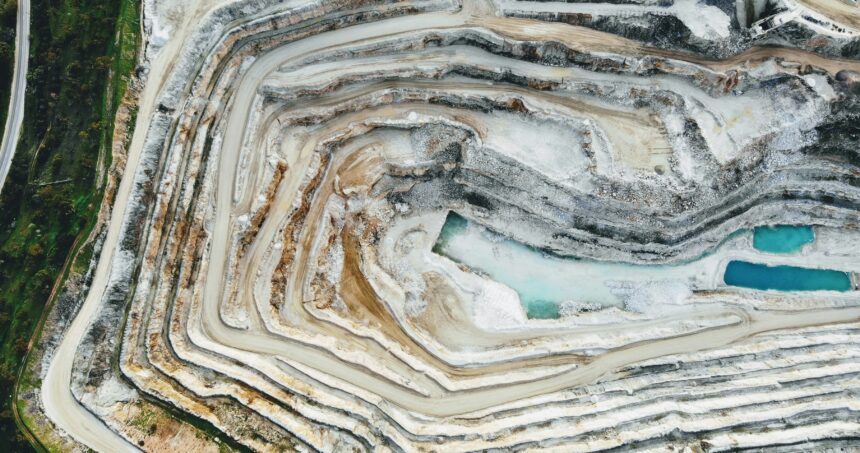
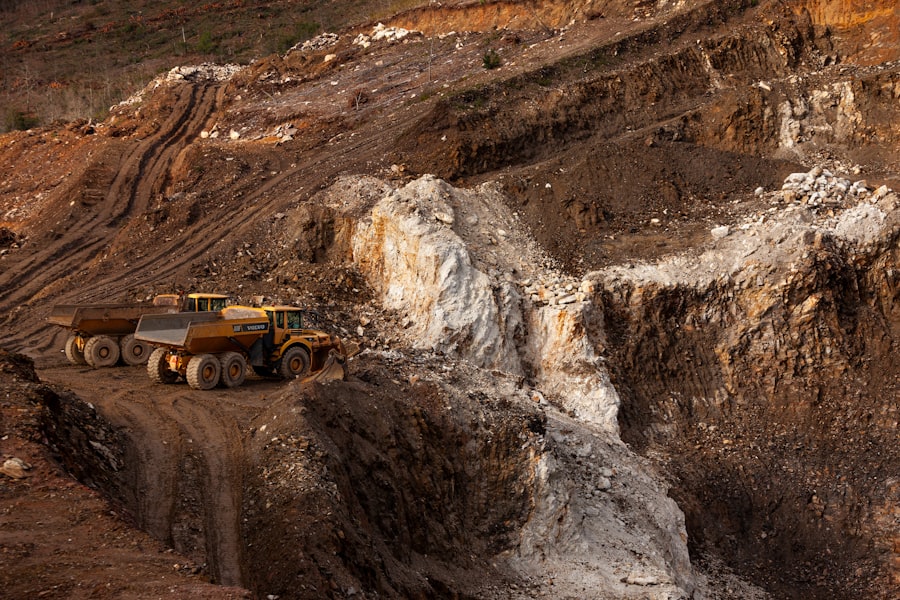
A significant focus is placed on open-pit mining, a method that often involves the removal of vast quantities of overburden to access shallower ore bodies. The documentary uses visual examples to demonstrate how these operations can dramatically alter the topography of a region, creating enormous pits and vast waste rock dumps. It explores the engineering feats required to manage these massive sites, including the design of haul roads, the use of heavy machinery, and the implementation of safety protocols. The film also touches upon the long-term land reclamation efforts that are increasingly becoming a standard practice, though the scars of extraction often remain visible.
Underground Mining: Venturing into the Earth’s Depths
The documentary also ventures into the depths of underground mines, highlighting the unique challenges and dangers associated with extracting minerals from below the surface. It showcases the specialized equipment and ventilation systems necessary to ensure the safety of miners in these confined and often hazardous environments. The film illustrates how different ore bodies necessitate different mining techniques, from room and pillar mining to block caving, each with its own set of geological and engineering considerations. The importance of resource estimation and mine planning is also underscored in this section.
Processing and Refining: Transforming Raw Ore into Usable Materials
Once extracted, the raw ore undergoes a series of complex chemical and physical processes to isolate and purify the desired minerals. This stage, the documentary explains, is often as critical and as challenging as the extraction itself, and is frequently a point of geographic concentration that creates supply chain vulnerabilities. The film illustrates the various methods employed, from crushing and grinding to flotation, leaching, and smelting, each tailored to the specific mineral being processed.
Hydrometallurgy: The Aqueous Art of Mineral Separation
The documentary dedicates considerable screen time to hydrometallurgical processes, which involve the use of aqueous solutions to dissolve and separate minerals. This is particularly relevant for metals like copper, nickel, and lithium. Viewers witness the science behind these techniques, including the role of chemical reagents, temperature, and pH levels in achieving efficient extraction. The film also touches upon the environmental considerations associated with hydrometallurgy, such as the management of process water and the potential for chemical contamination if not handled properly.
Pyrometallurgy: Harnessing Heat for Extraction
Pyrometallurgical techniques, which involve the use of high temperatures to extract and refine metals, are also extensively explored. This method is crucial for processing many ores, including those containing iron, copper, and precious metals. The documentary showcases the massive furnaces and kilns used in smelting and refining, and explains the complex chemical reactions that occur at these extreme temperatures. The energy intensity of pyrometallurgy is highlighted, along with efforts to improve energy efficiency and reduce emissions.
Geopolitical Chessboard: Nations, Dependencies, and the Race for Resources
The documentary pivots to the intricate geopolitical landscape that surrounds critical mineral supply chains. It argues that control over these resources is increasingly becoming a major factor in international relations, shaping trade policies, fostering strategic alliances, and fueling geopolitical rivalries. The film unpacks how the concentration of critical mineral deposits in a few countries creates inherent dependencies and vulnerabilities for nations that rely on imports.
China’s Dominance: A Concentration of Power and Risk
A significant portion of this segment is dedicated to examining China’s preeminent position in the global supply of many critical minerals, particularly rare earth elements. The documentary explores the historical reasons behind this dominance, including early investment in exploration and processing capabilities, supportive government policies, and cost advantages. It illustrates how this concentration has given China considerable leverage in international trade and diplomacy, leading to concerns about supply security for other nations.
The Strategic Importance of Rare Earths: A Lever of Influence
The film meticulously details how China’s control over rare earths has been perceived as a strategic advantage, enabling it to influence global technology development and manufacturing. It recounts past instances where export restrictions have been leveraged, demonstrating the potential for supply disruptions to impact critical industries worldwide. The documentary emphasizes that this has spurred a global effort to de-risk supply chains and find alternative sources outside of China.
Diversification Efforts: The Global Push for New Sources
In response to these geopolitical realities, the documentary showcases the global push for diversification of critical mineral supply chains. It highlights initiatives in North America, Europe, and Australia to explore new deposits, develop domestic processing capabilities, and foster collaborations with like-minded nations. The film presents examples of new mining projects being developed, investments in advanced mineral processing technologies, and strategic partnerships aimed at creating more resilient and secure supply chains.
Policy Responses: Government Initiatives and Investment
The documentary examines the various policy responses being implemented by governments to secure critical mineral supplies. This includes direct government investment in exploration and research, tax incentives for domestic mining and processing, and the establishment of strategic mineral stockpiles. It also explores the role of international cooperation through bilateral and multilateral agreements aimed at fostering responsible and sustainable mineral development.
Resource Nationalism: A Double-Edged Sword
The film also addresses the phenomenon of “resource nationalism,” where countries richest in critical minerals seek to gain greater control over their extraction and export. While this can lead to fairer distribution of profits and greater economic benefit for producing nations, the documentary cautions that it can also lead to protectionist policies, export restrictions, and further exacerbate supply chain fragilities if not managed responsibly.
Environmental and Social Stewardship: The Ethical Imperative
Beyond the economic and geopolitical dimensions, Securing Critical Minerals: A Supply Chain Documentary places a strong emphasis on the environmental and social responsibilities associated with mineral extraction. The film confronts the often-unseen impacts of mining on ecosystems and communities, urging a more sustainable and ethical approach to securing these vital resources. It underscores that the transition to a greener future must not come at the cost of environmental degradation or social injustice.
The Footprint of Extraction: Land, Water, and Biodiversity
The documentary vividly illustrates the environmental footprint of mining operations. It showcases how large-scale mining can lead to habitat destruction, deforestation, and significant alterations to local hydrology. The film highlights the challenges of water management, particularly in arid regions heavily reliant on lithium extraction, and the potential for contamination of water sources from mining waste. The impact on biodiversity is also a key theme, with examples of ecosystems threatened by mining expansion.
Water Scarcity and Contamination: A Growing Concern
A significant focus is given to the impact of mining on water resources. The documentary explores the immense quantities of water required for many extraction and processing activities, particularly for lithium from brine evaporation. It also addresses the risk of water contamination from heavy metals and chemicals used in mining, posing a threat to both human health and aquatic ecosystems. The film highlights how responsible mining practices and advanced water treatment technologies are crucial for mitigating these impacts.
Land Reclamation and Rehabilitation: Restoring the Balance
The documentary showcases efforts towards land reclamation and rehabilitation after mining operations cease. It presents examples of successful projects where former mining sites have been transformed into natural habitats, recreational areas, or even agricultural land. The film emphasizes the importance of long-term planning for post-mining land use and the commitment required from mining companies to restore the land to a functional state.
Ethical Mining: Labor Rights and Community Engagement
The film delves into the crucial ethical dimensions of mineral extraction, particularly concerning labor rights and community engagement. It highlights the challenges of ensuring fair wages, safe working conditions, and the protection of human rights in all mining operations, especially in developing countries. The documentary features stories from communities impacted by mining, exploring issues of land rights, cultural preservation, and the equitable distribution of benefits.
Fair Labor Practices: Ensuring Dignity and Safety
The documentary underscores the importance of robust labor standards and a commitment to fair labor practices throughout the critical mineral supply chain. It examines the efforts being made to combat child labor, forced labor, and exploitative working conditions. The film highlights the role of independent audits, certifications, and worker advocacy groups in holding the industry accountable for ensuring the dignity and safety of its workforce.
Community Relations: Partnership and Benefit Sharing
The film emphasizes the vital role of open and transparent communication between mining companies and the communities in which they operate. It explores the principles of Free, Prior, and Informed Consent (FPIC) for indigenous communities and the need for genuine partnership and benefit-sharing agreements. The documentary showcases examples of successful community engagement initiatives that have led to positive social and economic outcomes for local populations.
In exploring the complexities of the critical mineral supply chain, a fascinating documentary sheds light on the challenges and opportunities within this vital industry. For those interested in a deeper understanding, a related article provides additional insights into the geopolitical implications of mineral sourcing. You can read more about this topic in the article found here, which complements the documentary’s exploration of how these resources impact global relations and economic stability.
Innovation and the Future: Towards a Sustainable Supply Chain
| Mineral | Production | Reserves | Top Producing Countries |
|---|---|---|---|
| Lithium | 82,000 metric tons | 17 million metric tons | Australia, Chile, China |
| Cobalt | 140,000 metric tons | 7.1 million metric tons | Congo, Australia, Philippines |
| Rare Earth Elements | 210,000 metric tons | 120 million metric tons | China, United States, Myanmar |
The concluding segment of the documentary looks towards the future, focusing on the role of innovation in creating more sustainable and resilient critical mineral supply chains. It explores advancements in exploration, extraction, recycling, and material science that hold the promise of reducing environmental impact, enhancing resource efficiency, and mitigating geopolitical risks. The film offers a hopeful outlook, suggesting that through technological ingenuity and a commitment to sustainability, the world can secure the critical minerals it needs for a prosperous and environmentally responsible future.
Advanced Exploration and Extraction Technologies
The documentary highlights cutting-edge technologies that are revolutionizing the way critical minerals are discovered and extracted. This includes the use of artificial intelligence and machine learning for geological surveying, advanced remote sensing techniques for identifying mineral deposits, and the development of more efficient and less disruptive extraction methods. The film showcases innovations that aim to reduce the environmental footprint of mining from its earliest stages.
AI and Machine Learning: Mapping the Earth’s Riches
The documentary explores how artificial intelligence and machine learning are being employed to analyze vast datasets of geological information, leading to more accurate and efficient mineral exploration. It demonstrates how these technologies can identify patterns and anomalies that might be missed by traditional methods, accelerating the discovery of new deposits and reducing the cost and time associated with exploration.
Innovative Extraction Methods: Minimizing Impact
The film delves into emerging extraction technologies designed to minimize environmental impact. This includes in-situ leaching techniques that extract minerals without significant surface disturbance, advancements in bio-mining that utilize microorganisms to extract metals, and the development of more precise drilling and excavation methods. These innovations are presented as crucial steps towards a more responsible approach to resource extraction.
The Circular Economy: Recycling and Reclamation
A significant portion of the future focus is dedicated to the principles of the circular economy and the growing importance of recycling and reclamation of critical minerals. The documentary explains how valuable materials can be recovered from end-of-life products, such as electronic waste, batteries, and spent catalysts, thereby reducing the need for virgin extraction.
Urban Mining: Unlocking Value from Waste Streams
The concept of “urban mining” is particularly emphasized. The film showcases how discarded electronics and batteries are becoming an increasingly important source of critical minerals, such as lithium, cobalt, and precious metals. It illustrates the sophisticated processes involved in dismantling and refining these waste streams, highlighting the economic and environmental benefits of recovering these valuable materials.
Battery Recycling: Powering the Future with Reclaimed Resources
Given the burgeoning demand for batteries in EVs and renewable energy storage, the documentary dedicates considerable attention to battery recycling. It explores the challenges and opportunities associated with recovering critical materials like lithium, cobalt, nickel, and graphite from spent batteries. The film presents advancements in chemical and mechanical recycling processes that are making battery recycling more efficient and economically viable, paving the way for a more closed-loop system.
Material Science and Substitution: Designing for Sustainability
Finally, the documentary touches upon the role of material science in developing alternative materials and improving the efficiency of existing technologies. It explores research into mineral-free magnets, batteries that utilize more abundant materials, and the development of advanced alloys that require less of certain critical minerals. The film suggests that innovation in material science can play a crucial role in reducing our overall dependence on the most constrained critical minerals.
Securing Critical Minerals: A Supply Chain Documentary serves as an essential primer on the complex, vital, and often overlooked world of critical minerals. It educates and enlightens, urging viewers to consider the profound implications of these materials for our planet’s future and the need for responsible, sustainable, and ethically sound practices throughout their entire lifecycle. The film leaves audiences with a deeper appreciation for the invisible pillars of modernity and the urgent need to secure them for generations to come.

China’s Invisible Chokehold on Modern Weapons
FAQs
What is the critical mineral supply chain documentary about?
The critical mineral supply chain documentary explores the global supply chain of critical minerals, including their extraction, processing, and distribution, and the impact of this supply chain on various industries and economies.
Why are critical minerals important?
Critical minerals are essential for the production of various high-tech and green energy technologies, including electric vehicles, wind turbines, and solar panels. They are also crucial for national security and defense technologies.
What are some of the challenges in the critical mineral supply chain?
Challenges in the critical mineral supply chain include geopolitical tensions, environmental concerns related to mining and processing, supply chain disruptions, and the need for sustainable and ethical sourcing practices.
How does the critical mineral supply chain documentary address these challenges?
The documentary provides insights into the complexities of the critical mineral supply chain, highlighting the efforts of industry stakeholders, policymakers, and environmental advocates to address the challenges through innovation, collaboration, and responsible sourcing practices.
What are the potential implications of disruptions in the critical mineral supply chain?
Disruptions in the critical mineral supply chain could lead to shortages of key components for high-tech and green energy technologies, impacting global economic growth, energy security, and the transition to a low-carbon economy.