The flickering screen cast an ethereal glow across the darkened room, illuminating faces rapt with a mixture of trepidation and fascination. “Secrets Unveiled: Covert Operations Documentary” had just premiered, and its impact was immediate and profound. This wasn’t just another historical recap; it was a plunge into the shadowy corners of global power, a meticulously researched and unflinchingly presented exposé of the clandestine machinations that have shaped the modern world. From the hushed corridors of intelligence agencies to the remote, windswept landscapes where crucial decisions were made, the documentary promised to lift the veil on operations that, until now, existed only in whispers and redacted files.
The Genesis of the Project
The genesis of “Secrets Unveiled” lay in a decade-long pursuit of truth by its creators. A team of investigative journalists, historians, and former intelligence operatives, united by a shared commitment to transparency, painstakingly gathered evidence. They navigated a labyrinth of declassified documents, clandestine sources, and the often-unreliable memories of those who had lived through these pivotal moments. The initial concept was simple, yet ambitious: to chronicle the most impactful covert operations of the 20th and 21st centuries, demonstrating their far-reaching consequences and the ethical quandaries they presented. The documentary’s director, a seasoned filmmaker with a reputation for tackling controversial subjects, described the process as akin to “piecing together a shattered mirror, where each shard, once revealed, reflected a larger, more complex truth.”
The Scope of the Unveiling
The documentary’s scope was nothing short of breathtaking. It didn’t confine itself to a single nation or conflict. Instead, it spanned continents and decades, weaving a narrative tapestry of espionage, sabotage, political intrigue, and the human cost of secrecy. Viewers were transported from the Cold War battlegrounds, where ideological divides fueled phantom wars, to the post-9/11 era, where the lines between national security and civil liberties became increasingly blurred. The sheer volume of information presented was staggering, yet the filmmakers managed to maintain a narrative coherence that kept the audience engaged, even as the revelations became increasingly disquieting.
The Cold War, a period defined by ideological struggle and the ever-present threat of nuclear annihilation, served as a fertile ground for the documentary’s early revelations. The films delves deep into the shadowy world of espionage that characterized this era, showcasing the high-stakes games of cat and mouse played out between superpowers.
The Shadowy Art of Espionage
The first section dedicated to this era focused on the fundamental principles and practices of Cold War espionage. It highlighted the development of sophisticated surveillance techniques, the recruitment and training of agents, and the intricate networks that facilitated the flow of intelligence.
The Rise of the Agencies
The documentary traced the evolution of intelligence agencies like the CIA, KGB, and MI6, examining their burgeoning powers and their increasingly instrumental role in shaping foreign policy. It revealed how these organizations, initially conceived to protect national interests, often operated beyond the direct oversight of elected officials, leading to operations with unforeseen and sometimes devastating consequences. Archival footage, rarely seen by the public, depicted the clandestine training camps, the sophisticated gadgetry of the time, and the clandestine meetings that took place in dimly lit European cafes.
The Art of Deception and Disinformation
A significant portion of the Cold War segment was dedicated to the pervasive use of deception and disinformation. The documentary meticulously illustrated how both sides engaged in elaborate propaganda campaigns, creating fictional narratives to influence public opinion, destabilize enemy regimes, and sow seeds of doubt. Examples included the alleged funding of subversive movements, the dissemination of fabricated news reports, and the use of psychological operations to demoralize opposing forces. The film presented declassified documents that exposed the internal deliberations behind these operations, revealing the calculated cynicism that often guided their implementation.
The Cuban Missile Crisis: A Near Miss
The documentary offered a chillingly detailed account of the Cuban Missile Crisis, emphasizing the role of covert intelligence gathering and the crucial, yet often unacknowledged, covert actions that averted a global catastrophe.
The Intelligence Behind the Crisis
The film highlighted how U-2 spy planes provided the definitive proof of Soviet missile installations in Cuba, a revelation that brought the world to the brink of nuclear war. It explored the tense deliberations within the White House and the Kremlin, revealing the difficult choices faced by leaders under immense pressure. The documentary also touched upon the covert efforts to establish lines of communication and negotiation, often through unofficial channels, that helped de-escalate the crisis.
The Human Cost of Brinkmanship
Beyond the geopolitical implications, the documentary didn’t shy away from the human cost of such high-stakes brinkmanship. It featured interviews with individuals who lived through the crisis, their voices tinged with the lingering fear of annihilation. The film showed how the threat of nuclear war permeated daily life, influencing art, literature, and the collective consciousness of a generation.
If you’re intrigued by the intricate world of covert operations, you might find the documentary on espionage tactics particularly enlightening. It delves into the strategies and psychological maneuvers employed by intelligence agencies throughout history. For a deeper understanding of these themes, you can explore a related article that discusses the evolution of covert missions and their impact on global politics. Check it out here for more insights into this fascinating subject.
Proxy Wars and Covert Interventions
The Cold War was also characterized by a series of proxy wars, where superpowers supported opposing factions in conflicts around the globe without engaging in direct military confrontation. “Secrets Unveiled” meticulously documented the covert interventions that fueled these conflicts.
The Scars of Vietnam
The Vietnam War, a deeply divisive conflict, was explored through the lens of covert operations. The documentary revealed the extent to which clandestine activities, including the early stages of the Phoenix Program, played a role in escalating the conflict and contributing to its brutal nature. It highlighted the ethical compromises made in the name of winning hearts and minds, and the long-lasting scars these operations left on both Vietnamese and American society.
The Shadowy Struggle in Central America
The documentary then shifted its focus to Central America, detailing the covert support provided to various factions during the civil wars of the 1980s. It exposed the funding of contra rebels in Nicaragua, the covert training of anti-insurgency forces in El Salvador, and the destabilizing impact these interventions had on the region. The film presented evidence of illegal arms shipments, secret bases, and the clandestine efforts to manipulate political outcomes, painting a grim picture of superpower meddling.
For those interested in the intricate world of covert operations, a fascinating article can be found on the topic at In the War Room. This documentary delves into the secretive strategies and tactics employed by intelligence agencies, providing a gripping look at the challenges and ethical dilemmas faced by operatives in the field. The article complements the documentary by offering additional insights and real-life examples that highlight the complexities of conducting covert missions in various geopolitical contexts.
The Shifting Sands of Geopolitics
As the Cold War thawed and new global challenges emerged, the nature of covert operations evolved. The documentary masterfully transitioned into the post-Cold War era, illustrating how intelligence agencies adapted to a world grappling with new threats.
The Rise of Asymmetrical Warfare
The documentary dedicated a significant segment to the rise of asymmetrical warfare and the corresponding shift in covert tactics. It explored how non-state actors and terrorist organizations presented new challenges that required innovative and often ethically ambiguous responses.
The Dawn of the War on Terror
The September 11th attacks marked a watershed moment, and the documentary provided a searing analysis of the covert operations that followed. It examined the intelligence failures that preceded the attacks, as well as the subsequent covert efforts to dismantle Al-Qaeda and prevent future atrocities.
Drone Warfare and Targeted Killings
A particularly controversial aspect explored was the rise of drone warfare and targeted killings. The film presented the ethical debates surrounding the use of unmanned aerial vehicles, the arguments for their effectiveness in combating terrorism, and the concerns about civilian casualties and the erosion of due process. It featured anonymized interviews with former drone operators, offering a glimpse into the psychological toll of making life-and-death decisions from thousands of miles away.
The Digital Battlefield
The digital age ushered in a new frontier for covert operations: cyberspace. “Secrets Unveiled” illuminated the clandestine battles being waged in the invisible realm of networks and data.
The Art of Cyber Espionage
The documentary detailed the sophisticated methods of cyber espionage, showcasing how state-sponsored hackers infiltrated government networks, stole sensitive information, and disrupted critical infrastructure. It offered declassified evidence of cyberattacks that had previously been attributed to unknown actors, revealing the state actors behind them.
The Influence of Social Media
The film also delved into the increasingly significant role of social media in covert operations. It exposed how these platforms were weaponized for disinformation campaigns, election interference, and the manipulation of public opinion on a global scale. The documentary presented case studies of documented foreign interference in democratic processes, highlighting the insidious nature of these digital incursions.
The Global War on Drugs and its Covert Dimensions
Beyond counter-terrorism, the documentary explored the covert dimensions of the global war on drugs, a long-standing and often controversial initiative.
The Unseen Hand in Latin America
The film revealed how covert operations were frequently employed in Latin America, often in conjunction with anti-drug efforts, leading to complex alliances and questionable tactics. It examined the involvement of intelligence agencies in training and supporting local law enforcement, as well as the controversial use of informants and clandestine surveillance.
The Ethical Minefield
The documentary did not shy away from the ethical minefield that the war on drugs presented. It highlighted instances where covert operations, ostensibly aimed at drug eradication, had unintended consequences, contributing to political instability and human rights abuses. The film presented testimonies from individuals who had been caught in the crossfire of these clandestine campaigns, their lives irrevocably altered by operations they never fully understood.
The Human Element: Operatives and Victims
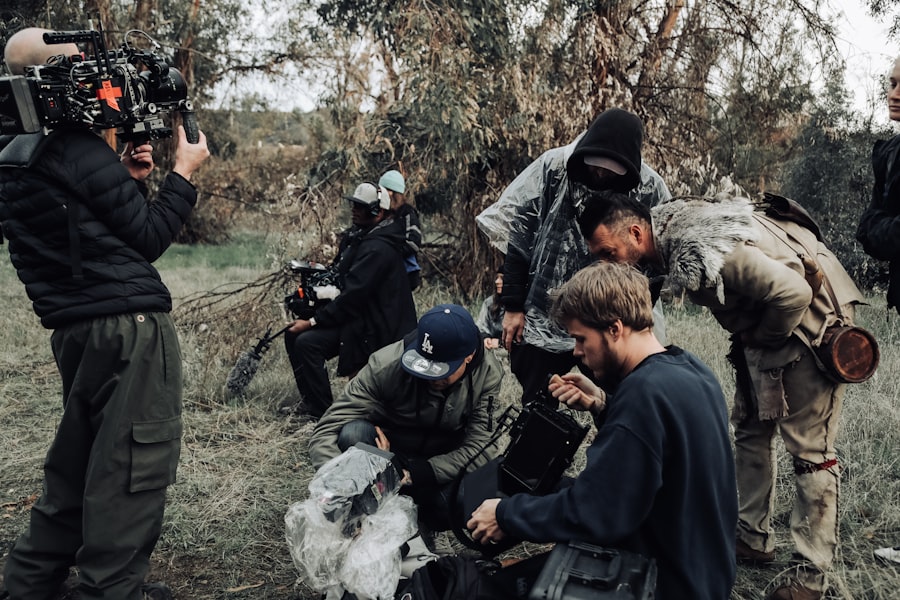
While the documentary focused on the grand strategies and geopolitical implications of covert operations, it never lost sight of the human element. The stories of the individuals involved, both those carrying out the missions and those affected by them, were central to the narrative.
The Operative’s Dilemma
The film provided rare insights into the lives of covert operatives, exploring the psychological toll of living a life of secrecy and deception.
The Burden of Secrecy
Through anonymized interviews and carefully constructed re-enactments, the documentary depicted the immense pressure operatives faced, the constant need for vigilance, and the often-difficult ethical compromises they were forced to make. The interviews revealed the profound sense of isolation and the long-term psychological impact of a career spent operating in the shadows.
Loyalty and Betrayal
The documentary also explored the complex dynamics of loyalty and betrayal within the intelligence community. It recounted stories of agents who became double agents, the motivations behind their decisions, and the devastating consequences for those who were deceived. The film showcased how personal relationships could become intertwined with national security, leading to deeply personal and often tragic outcomes.
The Unseen Victims
Perhaps the most poignant aspect of “Secrets Unveiled” was its dedication to the stories of those who were unknowingly or unwillingly caught in the crosshairs of covert operations.
Collateral Damage and Unintended Consequences
The documentary presented documented cases of civilian casualties resulting from covert actions, from drone strikes to sabotage missions. It highlighted the often-unacknowledged ripple effects of these operations, illustrating how political destabilization and conflict could lead to humanitarian crises and widespread suffering.
The Erosion of Trust
Furthermore, the film explored the broader societal impact of pervasive covert operations, arguing that they contributed to a pervasive erosion of trust between governments and their citizens, and between nations. The constant suspicion of hidden agendas and the knowledge that clandestine actions were shaping events, often without public consent, fostered an atmosphere of cynicism and apprehension.
The Legacy and the Future

As the credits rolled and the audience slowly emerged from their captivated stupor, the question lingered: what is the legacy of these covert operations, and what does their unveiling mean for the future?
The Double-Edged Sword of Secrecy
The documentary powerfully illustrated the inherent paradox of covert operations: they are often seen as necessary for national security, yet their secrecy can breed distrust and lead to unintended consequences. The film argued that while some operations may have achieved their objectives, the long-term costs, both in human lives and in the erosion of democratic principles, are often too high.
The Demand for Transparency
“Secrets Unveiled” served as a powerful call for greater transparency and accountability in the realm of covert operations. By bringing these hidden stories to light, the documentary empowered viewers to question the narratives they had been fed and to demand more informed public discourse about the actions of their governments.
The Ongoing Shadow War
The film concluded with a stark reminder that covert operations are not a relic of the past. The digital age and the evolving geopolitical landscape have only amplified the reach and sophistication of clandestine activities. The documentary left the audience with a sense of urgency, emphasizing the need for continued vigilance and a commitment to shedding light on the operations that continue to shape our world, often from the deepest shadows. The unveiling of these secrets was not an end, but a beginning – a call to arms for a more informed and engaged citizenry, demanding that the shadows be illuminated and the truth, however uncomfortable, be brought into the light.
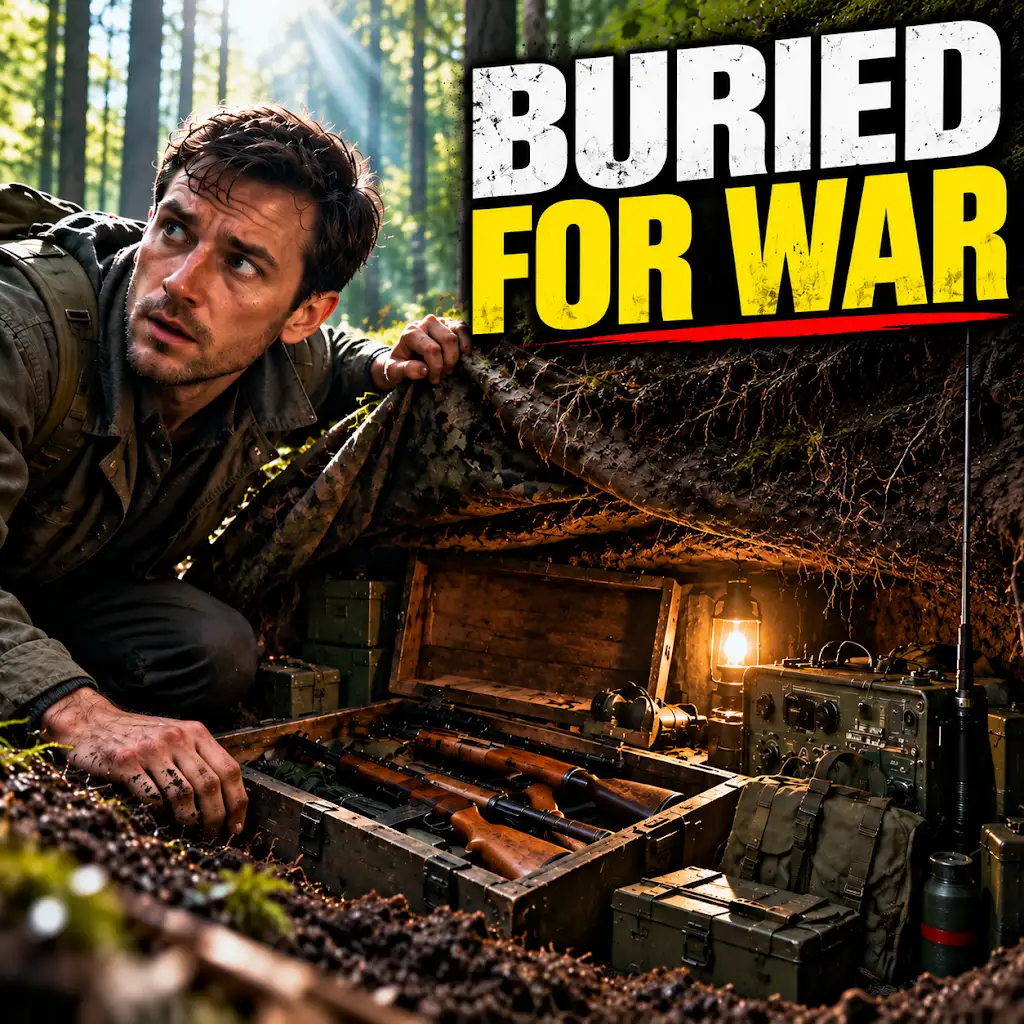
The Secret Armies NATO Prepared for a Soviet Invasion
FAQs
What is a covert operations documentary?
A covert operations documentary is a film or video that explores secret or undercover military, intelligence, or political operations. These documentaries often reveal previously classified information and provide insight into the tactics and strategies used in covert operations.
What are some examples of covert operations documentaries?
Some examples of covert operations documentaries include “Zero Dark Thirty,” which details the hunt for Osama bin Laden, “Dirty Wars,” which investigates covert military operations in the War on Terror, and “The Fog of War,” which examines the decision-making process behind covert operations during the Vietnam War.
What are the benefits of watching covert operations documentaries?
Watching covert operations documentaries can provide viewers with a deeper understanding of historical events, geopolitical dynamics, and the complexities of covert operations. These documentaries can also shed light on the ethical and moral implications of secret military and intelligence activities.
Are covert operations documentaries based on real events?
Yes, covert operations documentaries are typically based on real events and often feature interviews with key figures involved in the operations, as well as archival footage and documents. These documentaries aim to provide an accurate and informative portrayal of covert operations.
Where can I watch covert operations documentaries?
Covert operations documentaries can be found on streaming platforms such as Netflix, Amazon Prime Video, and Hulu, as well as on DVD and Blu-ray. Additionally, some documentaries may be available for purchase or rental through digital platforms like iTunes and Google Play.