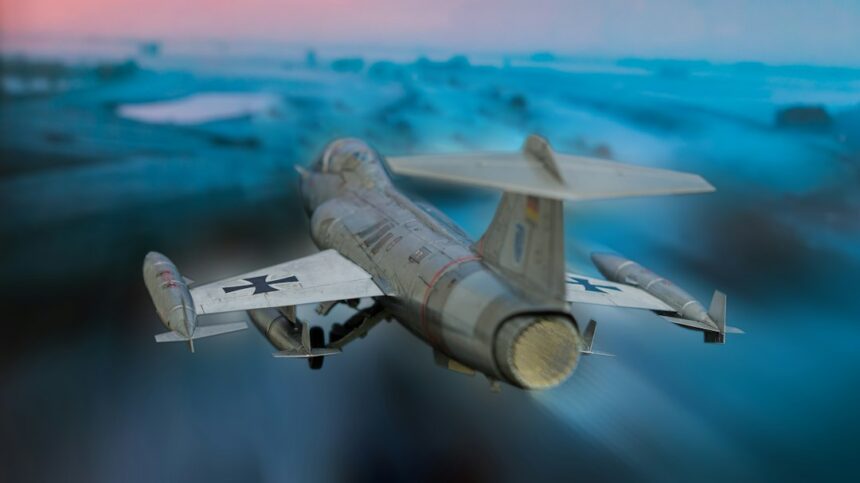
The shadowy world of clandestine military aviation, once the exclusive domain of hushed whispers and speculative intelligence reports, has begun to yield its secrets, thanks to a series of recently unveiled Cold War documentaries. These films, painstakingly pieced together from declassified archives and corroborated by interviews with the individuals who lived and breathed these projects, offer an unprecedented glimpse into the technological arms race that defined a generation. The era of mutually assured destruction spurred innovation at an almost unimaginable pace, pushing the boundaries of aeronautical engineering and human ingenuity to their absolute limits. What was once relegated to the realm of science fiction – aircraft that could fly higher, faster, and more stealthily than anything previously conceived – became a tangible, albeit highly guarded, reality. These documentaries serve not merely as historical records but as powerful testaments to the dedication, sacrifice, and sheer audacity of the engineers, test pilots, and intelligence operatives who operated in the deep shadows of the Cold War.
The Dawn of the Unseen: Early Reconnaissance and the U-2’s Shadow
The initial impetus for many of these secret military aircraft projects was born from a desperate need for intelligence. During the nascent stages of the Cold War, understanding the capabilities and intentions of the Soviet Union was paramount. Conventional reconnaissance methods, reliant on visual observation and limited aerial photography, were simply insufficient to penetrate the Iron Curtain. This created a vacuum that only the most advanced and audacious aerial platforms could fill.
Project AQUATONE: The High-Altitude Eye in the Sky
The development of the Lockheed U-2 “Dragon Lady” stands as a seminal moment in the history of secret military aviation. Born from the highly classified Project AQUATONE, the U-2 was designed to operate at altitudes previously unattainable by most aircraft, effectively placing it beyond the reach of Soviet air defenses for much of its early operational life. The documentary footage, often grainy and rendered in stark black and white, reveals the immense challenges faced by the engineers at Lockheed’s Skunk Works, led by the legendary Clarence “Kelly” Johnson. They were tasked with creating an aircraft that was not only technologically revolutionary but also incredibly fragile and difficult to fly, requiring a special breed of pilot willing to push the envelope of human endurance.
The documentaries delve into the rigorous selection and training of the U-2 pilots. These individuals were not just aviators; they were chosen for their psychological resilience, their ability to withstand extreme isolation and the psychological toll of operating at the fringes of space. The film segments depicting their early flights, often at oxygen-starved altitudes where the aircraft would “fly on the edge of a stall,” are particularly gripping. They highlight the immense risk involved, where a single miscalculation or mechanical failure could result in a catastrophic loss of control and the pilot’s demise, or worse, capture and exposure of the highly sensitive program. The iconic image of Francis Gary Powers’ U-2, brought down over Sverdlovsk in 1960, is presented not just as a moment of espionage failure, but as a stark reminder of the inherent dangers and the high stakes involved in high-altitude reconnaissance.
The Birth of Stealth: Breaking the Radar Barrier
The success of the U-2, while providing invaluable intelligence, also highlighted its vulnerability. As Soviet air defenses improved, the need for aircraft that could evade detection altogether became increasingly urgent. This led to the genesis of what would become the cornerstone of modern military aviation: stealth technology. The documentaries explore the early, often theoretical, research into radar absorption and reduction of radar cross-section.
The development of materials and designs that could literally “swallow” or deflect radar waves was a monumental undertaking. Interviews with retired engineers reveal the painstaking trial-and-error process, the skepticism encountered, and the sheer intellectual leaps required. Concepts that now seem commonplace, such as the use of radar-absorbent materials (RAM) and the shaping of aircraft to minimize radar reflections, were revolutionary in their time. The documentaries showcase early prototypes and experimental designs, some of which were surprisingly crude in appearance but laid the foundational principles for future generations of stealth aircraft. The viewer gets a sense of the clandestine nature of this research, conducted in isolated facilities, where any breach of secrecy could have had devastating geopolitical consequences.
For those interested in the intriguing world of secret military aircraft during the Cold War, a fascinating article can be found at this link. The article delves into the development and deployment of clandestine aircraft, exploring how these innovations played a crucial role in espionage and military strategy during a time of heightened tensions. Documentaries on this subject provide a captivating look at the technological advancements and the covert operations that defined an era, making it a must-read for enthusiasts of military history.
The Supersonic Race: Mach 3 and Beyond
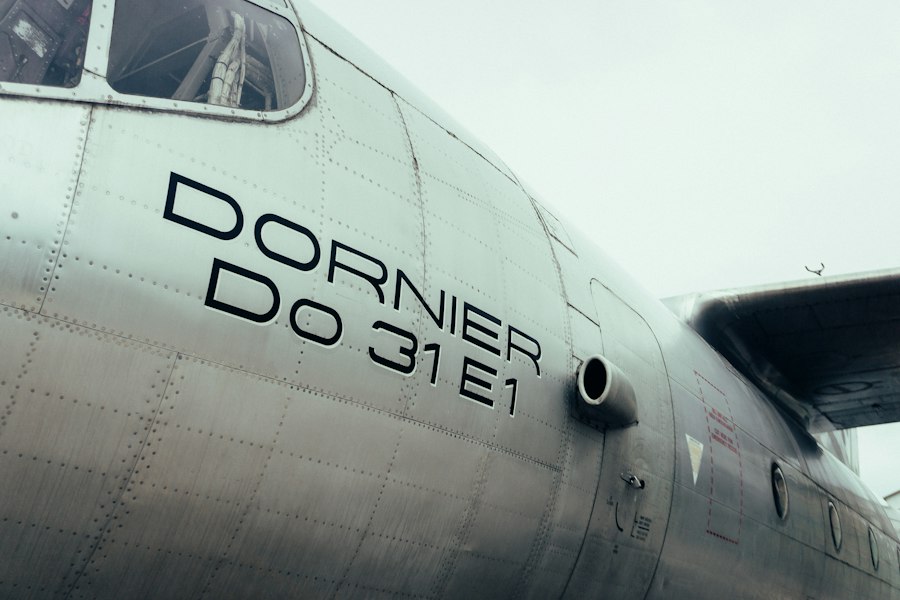
The Cold War was not just about seeing over enemy lines; it was also about reaching them rapidly and with overwhelming force. The pursuit of supersonic speed, particularly at the Mach 3 mark, became a critical objective for both the United States and the Soviet Union. This quest for extreme velocity pushed the boundaries of materials science, engine technology, and aerodynamic design to their breaking point.
Project OXCART and the SR-71 Blackbird: A Symbol of Unrivaled Speed
Perhaps the most iconic symbol of this supersonic race is the Lockheed SR-71 Blackbird. The documentaries dedicate significant segments to the development and operational history of this legendary aircraft. They detail the immense engineering challenges of achieving sustained Mach 3 flight, a feat that generated incredible heat and stress on the airframe. The SR-71’s unique design, with its distinctive chine forebodies and blended wing-body, is explained not just as an aesthetic choice but as a necessity for aerodynamic efficiency at extreme speeds.
The interviews with former SR-71 pilots are particularly compelling. They describe the sensation of flying the Blackbird, of pushing the throttles forward and feeling the aircraft accelerate through the sound barrier, then again at Mach 2, and finally reaching its operational speed. The pilots speak of the immense heat generated, the need for specialized flight suits, and the constant vigilance required to manage the aircraft’s systems at such extreme performance levels. The documentaries also touch upon the strategic importance of the SR-71, its ability to fly deep into enemy territory, gather vital intelligence, and return before any interception could be realistically mounted. The footage of the SR-71 in flight, often captured in rare, authorized documentaries, is breathtaking, showcasing its sleek, almost alien silhouette against the vast expanse of the sky.
The XB-70 Valkyrie: A Ghost of Unfulfilled Potential
While the SR-71 achieved operational success, the documentaries also shed light on projects that, while technologically brilliant, never reached their full potential. The North American XB-70 Valkyrie, a massive Mach 3 bomber designed to penetrate Soviet air defenses, is presented as a prime example. The films explore the reasons for its eventual cancellation, including the shifting strategic landscape and the prohibitive cost of its development and deployment.
The XB-70, with its distinctive six-engine configuration and delta wing, was a marvel of engineering for its time. The documentaries showcase the extensive testing and flight trials, demonstrating its incredible speed and altitude capabilities. The interviews with engineers and test pilots involved in the XB-70 program reveal a sense of pride in their creation, coupled with a tinge of regret for its unfulfilled destiny. The footage of the XB-70 flying in formation, a sight that would have been a terrifying omen for any adversary, is a poignant reminder of the immense power that was developed but ultimately mothballed. The documentaries use archival footage and expert analysis to explain the complex geopolitical and economic factors that led to the XB-70’s demise, offering a nuanced perspective on the challenges of military R&D.
The Covert Wings of Espionage: Unmasking the Spy Planes
Beyond reconnaissance and strategic bombing, the Cold War also saw the development of aircraft specifically designed for covert operations and electronic warfare. These were the “spy planes” in the truest sense, designed to infiltrate, surveil, and disrupt enemy communications and radar systems with unparalleled effectiveness.
The REVENGE Factor: Electronic Intelligence Gathering
The documentaries explore the evolution of electronic intelligence (ELINT) gathering capabilities. Aircraft equipped with sophisticated sensors and antennas became vital tools in understanding the Soviet Union’s military posture, tracking missile launches, and monitoring radar networks. The films highlight the innovative designs and technologies employed to achieve these objectives, often involving miniaturization of complex electronics and integration into airframes that were already pushing the envelope of performance.
The challenges of operating these ELINT platforms are also detailed. Pilots and sensor operators had to work in tandem, navigating dangerous airspace while simultaneously monitoring a barrage of electronic signals. The documentaries feature interviews where former ELINT specialists describe the thrill and the tension of their missions, of listening in on enemy communications and piecing together critical intelligence from seemingly innocuous electronic emissions. The visual elements often include simulated displays of the data being collected, giving the viewer a tangible understanding of the information being gathered and its strategic importance.
Beyond the Horizon: Signals Intelligence and Covert Surveillance
The pursuit of signals intelligence (SIGINT) led to the development of even more specialized aircraft. These platforms were designed to operate at extreme ranges, often loitering on the periphery of enemy airspace or conducting highly clandestine penetrations to intercept communications. The documentaries touch upon the development of aircraft with advanced jamming capabilities, designed to disrupt enemy radar and communications systems during critical operations.
The films also delve into the ethical and operational complexities of such missions. The constant threat of detection, the need for absolute discretion, and the potential for escalating international tensions all played a role in the operational parameters of these aircraft. The documentaries present archival footage of test flights and simulations, illustrating the sophisticated maneuvers and operational doctrines employed by these covert platforms. The interviews with retired intelligence officers provide invaluable context, explaining the strategic rationale behind these programs and the immense pressure under which their crews operated. The overarching theme is one of a constant, silent battle waged in the skies, where information was the most potent weapon.
The Unseen Costs: Pilots, Personnel, and the Price of Secrecy
The glamorous image of advanced aircraft often overshadows the human element involved in their creation and operation. The Cold War’s secret military aircraft programs demanded immense personal sacrifices from the individuals who dedicated their lives to these clandestine endeavors. The documentaries offer a poignant look at the human cost of this technological race.
The Ultimate Test Pilots: Courage Under Fire and the Edge of Disaster
The test pilots who flew these experimental aircraft were, without question, among the bravest individuals of their generation. The documentaries feature interviews with surviving test pilots who recount harrowing experiences, near-fatal accidents, and the psychological toll of flying machines that were often unpredictable and unforgiving. They describe the immense pressure to perform, to push the aircraft to its limits, and to provide the critical data that would inform future designs.
The films use archival footage of test flights, often showing aircraft performing extreme maneuvers, with occasional glimpses of close calls and aborts. The narrative emphasizes the camaraderie and trust that existed between test pilots and their engineering teams, a bond forged in the crucible of high-stakes testing. The documentaries also touch upon the personal sacrifices, the long hours, the time away from families, and the constant awareness of the risks involved. The quiet dignity and understated courage of these pilots shine through, offering a profound human perspective on the technological advancements.
The Silent Service: Life in the Shadows of Secrecy
Beyond the pilots, a vast network of engineers, mechanics, intelligence analysts, and support personnel worked tirelessly to bring these secret programs to fruition. The documentaries highlight the challenges of working in highly classified environments, where operational security was paramount and personal lives were often compartmentalized. The films feature interviews with individuals from various roles, who speak of the dedication, the shared sense of purpose, and the unique bonds that formed within these clandestine communities.
The documentaries explore the psychological impact of working on projects that were largely unknown to the public, and often even to many within the military. The sense of being a vital, yet invisible, part of national defense created a unique dynamic. The films also touch upon the difficulties in transitioning back to civilian life after years spent in such specialized and secretive environments. The overarching message is one of profound respect for the individuals who dedicated their careers to these often unheralded, yet critically important, endeavors, forming the silent backbone of a technological revolution.
For those interested in the intriguing world of secret military aircraft during the Cold War, a fascinating article can be found at In the War Room. This resource delves into the development and deployment of advanced aerial technologies that were shrouded in secrecy, providing insights into how these innovations shaped military strategies and international relations during a tense period in history.
Legacy and Lessons: What the Skies Still Hold
| Documentary Title | Year Released | Featured Aircraft | Country | Duration (minutes) | Focus Area |
|---|---|---|---|---|---|
| Black Projects: The Secret Cold War Aircraft | 2015 | SR-71 Blackbird | USA | 60 | Reconnaissance and Stealth Technology |
| Stealth in the Shadows | 2018 | F-117 Nighthawk | USA | 45 | Stealth Development and Testing |
| Cold War Skies: The U-2 Spy Plane | 2012 | Lockheed U-2 | USA | 50 | Surveillance Missions and Incidents |
| MiG Mysteries: Soviet Secret Fighters | 2016 | Mikoyan-Gurevich MiG-25 | USSR | 55 | High-Speed Interceptor Development |
| Project Aurora: The Hypersonic Enigma | 2020 | Hypothetical Aurora Aircraft | USA | 40 | Speculative Technology and Rumors |
The unveiling of these Cold War documentaries marks a significant moment in our understanding of 20th-century military aviation. They offer not just a historical record, but a valuable set of lessons that continue to resonate in the contemporary geopolitical landscape. The advancements made during this era laid the groundwork for many of the military technologies we rely on today, and the challenges faced by those involved continue to inform our approach to innovation and national security.
The Echoes of Innovation: Shaping Modern Air Power
The technologies and concepts pioneered during the Cold War secret aircraft programs have had a profound and lasting impact on modern air power. The principles of stealth, advanced reconnaissance, and high-speed flight, once the exclusive domain of classified projects, are now fundamental components of military aviation worldwide. The documentaries serve as a testament to the power of focused R&D and the ability of human ingenuity to overcome seemingly insurmountable obstacles.
The films illustrate how early experiments in radar absorption and aerodynamic shaping directly led to the development of aircraft like the F-117 Nighthawk and the B-2 Spirit. Similarly, the lessons learned from the SR-71’s operational challenges in terms of engine efficiency and materials science have influenced the design of modern high-performance aircraft. The documentaries provide a clear lineage from the clandestine laboratories of the Cold War to the advanced airframes that patrol the skies today, showcasing the evolutionary nature of military technology.
A Cautionary Tale: The Enduring Importance of Oversight and Diplomacy
While celebrating the technological achievements, the documentaries also serve as a potent reminder of the immense resources and risks associated with a prolonged arms race. The constant pursuit of technological superiority, while driving innovation, also created a climate of fear and the ever-present threat of global conflict. The films implicitly highlight the importance of diplomatic efforts and international cooperation in de-escalating tensions and preventing the catastrophic consequences of unchecked military build-up.
The documentaries underscore the fact that while technological advancements are crucial for defense, they are not a substitute for thoughtful foreign policy and a commitment to peace. The legacy of the secret military aircraft programs is therefore a dual one: a testament to human ingenuity and a cautionary tale about the dangers of an unchecked arms race. By unveiling these hidden chapters of history, these documentaries encourage a deeper understanding of the past and offer valuable insights for navigating the complexities of the present and future. They remind us that the skies, while once a battleground of unseen machines, also hold the potential for a more peaceful and cooperative future.
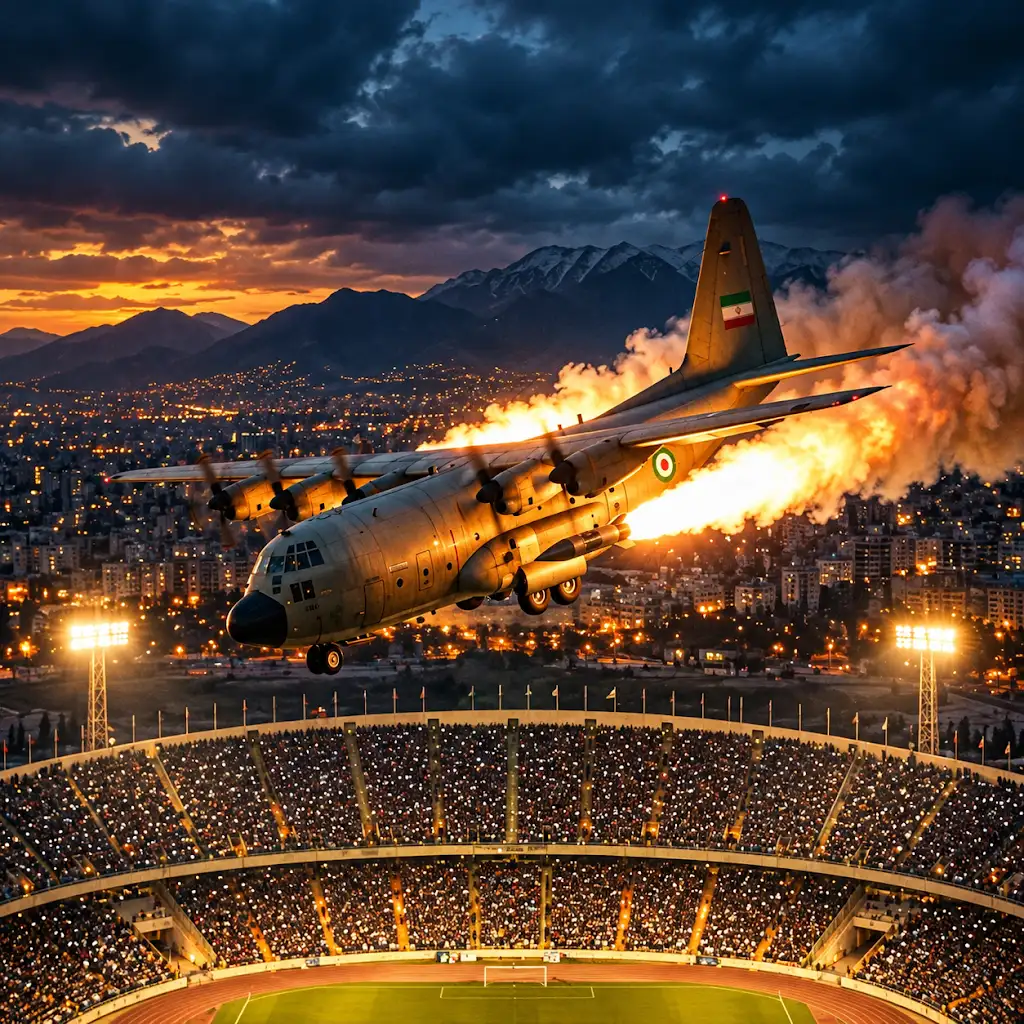
The Secret Plane Built to Land Inside a Stadium
FAQs
1. What are some examples of secret military aircraft from the Cold War era?
Some examples of secret military aircraft from the Cold War era include the Lockheed A-12, the SR-71 Blackbird, the Northrop Grumman B-2 Spirit, and the Lockheed F-117 Nighthawk.
2. Are there any documentaries that focus on secret military aircraft from the Cold War?
Yes, there are several documentaries that focus on secret military aircraft from the Cold War era. These documentaries often explore the development, missions, and technology behind these aircraft.
3. What information do these documentaries typically cover about secret military aircraft?
These documentaries typically cover the history of the aircraft, the technology and engineering involved, the missions they were used for, the impact they had on military operations, and the secrecy surrounding their development.
4. Where can I watch documentaries about secret military aircraft from the Cold War?
Documentaries about secret military aircraft from the Cold War can often be found on streaming platforms like Netflix, Amazon Prime Video, and YouTube. They may also be available for purchase or rental on platforms like iTunes or Google Play.
5. Why are documentaries about secret military aircraft from the Cold War popular?
Documentaries about secret military aircraft from the Cold War are popular because they offer a glimpse into the secretive world of military technology and operations during a tense period in history. They also showcase the incredible engineering feats and advancements made in aircraft design during that time.