The hushed halls of power and the churning depths of the ocean held their breath as October 1962 bled into a terrifying new reality. While the world fixated on the aerial ballet of reconnaissance flights and the tense pronouncements from Washington and Moscow, a more clandestine drama unfolded beneath the waves, a silent, desperate struggle aboard the Soviet submarine B-59. This was the secret Cuban Missile Crisis submarine drama, a story of near-catastrophe, of men pushed to their breaking point, and of a decision that could have plunged the planet into nuclear hell.
The deployment of Soviet medium-range and intermediate-range ballistic missile bases in Cuba was the audacious gamble that ignited the Cuban Missile Crisis. From the perspective of the Soviet Union, it was a strategic masterstroke, a means to redress the imbalance of nuclear power and counter perceived American aggression, particularly the Jupiter missiles stationed in Turkey. However, this audacious move was not solely conducted by bombers and ICBMs. A less visible, but equally crucial, element of the Soviet response involved their growing submarine fleet. These silent hunters, equipped with a variety of armaments, were tasked with a multifaceted mission: to provide a credible deterrent, to protect the missile sites, and to challenge American naval dominance in the Western Hemisphere.
The Strategic Imperative: Deterrence and Retaliation
The presence of Soviet submarines in the Caribbean was a tangible demonstration of their ability to project power far from Soviet shores. For Moscow, this served as a powerful deterrent against any potential American invasion of Cuba or any escalation of the conflict that might spill over beyond the island itself. The submarines represented a mobile, elusive strike force, capable of inflicting significant damage on American naval assets or even, in the worst-case scenario, launching retaliatory nuclear strikes. This strategic calculus was as much about signaling resolve as it was about actual military capability. The United States, acutely aware of the submarine threat, would be forced to divert significant resources to anti-submarine warfare, adding another layer of complexity and tension to the unfolding crisis.
Submarine Doctrine: The Role of the “Foxes”
Soviet submarine doctrine at the time emphasized aggressive reconnaissance and the potential for offensive operations. Unlike some Western navies, which might have viewed submarines primarily as defensive platforms, the Soviets saw them as potent offensive weapons. The submarines deployed to Cuba, often referred to colloquially as “foxes” due to their stealthy hunting capabilities, were equipped with both conventional and nuclear-armed torpedoes. Their mission profiles were designed to exploit weaknesses in American defenses and to sow confusion and fear among enemy fleets. This aggressive doctrine, coupled with the inherent dangers of operating in close proximity to an adversary, contributed to the volatile atmosphere surrounding these underwater missions.
The Cuban Missile Crisis was a pivotal moment in Cold War history, and its impact extended beyond the immediate political tensions to include significant naval operations, particularly involving nuclear submarines. For a deeper understanding of the strategic maneuvers and the role of submarines during this critical period, you can read a related article that explores these underwater operations in detail. Check it out here: Cuban Missile Crisis and the Role of Nuclear Submarines.
The Unlucky Voyage: B-59 and its Crew
Among the silent fleet that patrolled the waters around Cuba was the B-59, a diesel-electric Foxtrot-class submarine. Its mission was ostensibly to provide a protective screen for Soviet ships carrying military hardware to the island. However, the B-59, like many submarines on such high-stakes deployments, was woefully unprepared for the intensity of the crisis it would find itself embroiled in. Its crew, comprised of men in their early twenties, was not privy to the full scope of the strategic game being played out above them. Their reality was the cramped, suffocating confines of the submarine, the constant hum of machinery, and the gnawing uncertainty of their mission.
The Burden of Secrecy: Uninformed Crew
The officers and crew of B-59 operated under an extreme burden of secrecy. They were aware that they were involved in a sensitive operation related to Cuba, but the full gravity of the missile crisis and the potential for nuclear war was not explicitly communicated to them. This lack of information, while intended to maintain operational security, had a chilling effect on morale and decision-making. Imagine being thrust into a situation where the fate of the world hangs in the balance, and you are only given fragments of the picture. This was the unenviable position of the B-59’s crew, fostering an environment of anxiety and heightened stress.
Technological Limitations and Environmental Hardship
The Foxtrot-class submarine, while a capable vessel for its time, was not without its limitations. Operating in the warm, tropical waters of the Caribbean presented unique challenges. The diesel engines struggled to perform optimally, and the need for frequent surfacing to recharge batteries made them vulnerable to detection. The internal environment of the submarine was also a testament to human endurance. Extreme heat, poor ventilation, and a constant shortage of fresh water created a physically taxing and psychologically draining atmosphere. These environmental hardships compounded the stress of the mission, pushing the crew to their physical and mental limits.
The Confrontation: Depth Charges and Desperation
As the crisis intensified and the United States imposed a naval quarantine around Cuba, B-59 found itself in an increasingly perilous situation. American naval vessels, on high alert, began to shadow and interdict any Soviet ships approaching the island. For a submarine operating submerged, this meant evading detection by a determined adversary actively hunting for them. The encounter that would define B-59’s voyage occurred on October 27, 1962, a day now etched in the annals of near-nuclear apocalypse.
The Trigger: “Practice” Depth Charges
The fateful encounter began when American destroyers, believing they had located a Soviet submarine, began dropping “practice” depth charges. These were not intended to be lethal but were designed to force any submerged submarine to surface. The concussion of these charges, however, was terrifyingly real to the crew of B-59. For a submarine, depth charges are the ultimate existential threat. The percussive blasts shook the vessel, threatening its structural integrity and causing immense psychological distress. The crew, already operating under extreme pressure, interpreted these charges as a direct attack.
The Officer’s Dilemma: To Launch or Not to Launch?
The captain of B-59, Valentin Savitsky, and his political officer, Ivan Maslennikov, were faced with an unimaginable decision. They believed they were under direct attack and that their lives, and potentially the lives of their crew, were in imminent danger. They were also aware that B-59 carried nuclear torpedoes. The prevailing Soviet doctrine, in the event of an attack and inability to communicate with Moscow, was to retaliate. However, the launch of a nuclear weapon would have been an act of war, an escalation that could have irrevocably triggered a global nuclear conflict.
The Role of Vasili Arkhipov: The Man Who Saved the World
At the heart of the B-59 drama lies the crucial role of Vasili Arkhipov, the flotilla commander who happened to be on board B-59. Arkhipov was a man of immense calm and strategic foresight. While Captain Savitsky and Political Officer Maslennikov were leaning towards launching a nuclear torpedo, Arkhipov held a dissenting opinion. He argued that the “practice” depth charges might not be an actual act of war but rather a desperate attempt by the Americans to force them to surface. Crucially, he knew that they had lost radio contact with Moscow for days, and any impulsive action would be taken without central command’s knowledge or approval. Arkhipov’s refusal to authorize the launch, requiring unanimous consent from the three senior officers to fire a nuclear weapon, was the single most important factor in averting a global catastrophe. His calm reason and unwavering commitment to preventing an unthinkable outcome stood as a beacon of sanity in the midst of a crisis.
The Near Miss: A World on the Brink
The minutes on board B-59 stretched into an eternity. The relentless depth charges continued to pound the hull. The tension was palpable, a suffocating blanket of fear and adrenaline. Captain Savitsky, enraged and convinced of an impending attack, was ready to unleash the fury of their nuclear arsenal. It was in this crucible of fear and desperation that Vasili Arkhipov’s quiet dissent and reasoned argument prevailed. He convinced his fellow officers that the potential consequences of launching a nuclear torpedo were far too great, and that they should attempt to break contact and escape. The world never knew how close it came to annihilation on that fateful day, saved by the courage and wisdom of one man who refused to succumb to the pressure.
The Aftermath: Whispers and Revelations
The immediate aftermath of the B-59 encounter was marked by a collective sigh of relief, though the full extent of the near-catastrophe remained largely unknown to the public. The U.S. Navy, while aware of the intense submarine activity, did not fully comprehend the terrifying stakes of their actions on that particular day. For the Soviet Union, the incident was a stark reminder of the dangers of brinkmanship and the fragility of peace. The story of B-59 remained a closely guarded secret for decades, a testament to the enduring power of classified information and the reluctance to revisit moments of such profound vulnerability.
A Silent Victory for Diplomacy
While the confrontation on the surface between Kennedy and Khrushchev dominated headlines, the silent victory aboard B-59 underscored the importance of de-escalation and communication, however imperfect. Arkhipov’s actions were a microcosm of the broader diplomatic efforts that ultimately pulled the world back from the brink. The incident served as a potent, albeit secret, lesson for both superpowers about the uncontrollable nature of escalating conflict and the absolute necessity of finding diplomatic solutions, even in the face of extreme provocation.
The Long Shadow of Secrecy
The long shadow of secrecy that enveloped the B-59 incident for so many years is a common theme in Cold War history. The full narrative of the crisis, with its nuanced dangers and the crucial interventions of individuals like Vasili Arkhipov, was obscured by the need for national security and the desire to avoid public admission of near-failures. It was only through the meticulous work of historians and the eventual declassification of documents that the true depth of this submarine drama began to emerge, offering a more complete and sobering understanding of how close the world came to nuclear war.
The Cuban Missile Crisis was a pivotal moment in Cold War history, highlighting the intense standoff between the United States and the Soviet Union. A fascinating aspect of this crisis involved the role of nuclear submarines, which played a crucial part in the naval strategies employed during this tense period. For a deeper understanding of the strategic implications and the underwater maneuvers that took place, you can read more in this insightful article on the subject. Explore the details further by visiting this link.
The Legacy: A Quiet Hero and a Stark Warning
| Event | Details |
|---|---|
| Location | Caribbean Sea |
| Submarine | USS Scorpion |
| Role | Surveillance of Soviet ships |
| Depth | Approximately 300 feet |
| Duration | 13 days |
The story of the B-59 and Vasili Arkhipov is more than just a footnote to the Cuban Missile Crisis; it is a profound testament to the power of individual courage and the devastating consequences of unchecked aggression. Arkhipov, a man who never sought the spotlight, became an accidental hero, his quiet act of defiance saving countless lives. His story serves as a stark and enduring warning about the perils of nuclear brinkmanship and the ever-present need for rational decision-making in times of extreme tension.
The Unsung Heroes of the Deep
The crew of B-59, though largely unknown to the world, were also caught in an extraordinary circumstance. They endured extreme pressure, physical hardship, and the terrifying threat of annihilation. Their silent service, their resilience in the face of an existential threat, is a testament to the human capacity to endure and to serve, even when unaware of the full gravity of their mission. The secret Cuban Missile Crisis submarine drama reminds us that history is not solely made by leaders in opulent rooms but also by ordinary individuals facing extraordinary circumstances, often in the most unforgiving environments.
Lessons for the Present and Future
The lessons learned from the B-59 incident are as relevant today as they were in 1962. The story underscores the critical importance of clear communication, de-escalation protocols, and the need for individuals in positions of responsibility to exercise restraint and sound judgment, especially when nuclear weapons are involved. It is a powerful reminder that even in the most dire of circumstances, the potential for reason and humanity to prevail, however slim, must always be prioritized. The secret submarine drama beneath the waves of the Caribbean serves as an indelible mark on our collective memory, a silent scream from the depths warning us to never again flirt with the abyss.
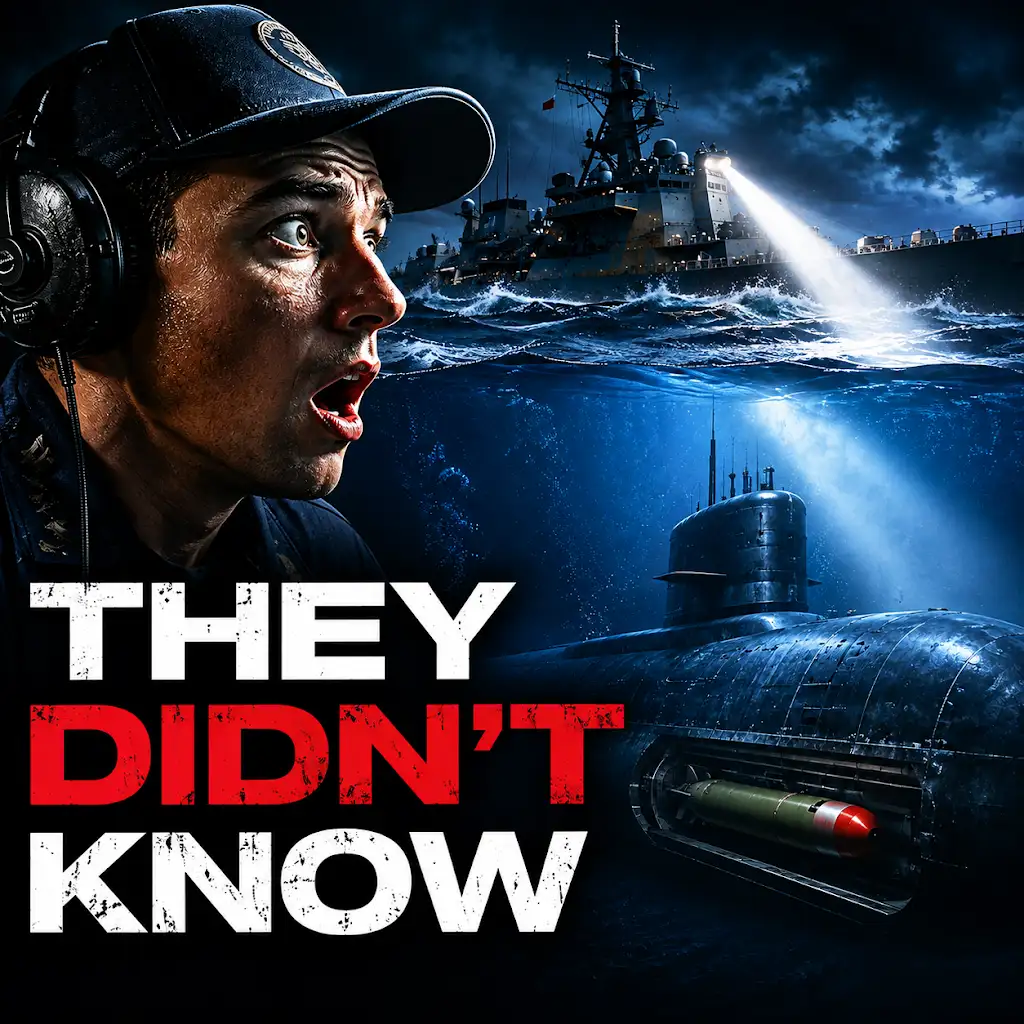
The U.S. Navy Didn’t Know This Submarine Had a Nuclear Torpedo
FAQs
What was the Cuban Missile Crisis?
The Cuban Missile Crisis was a 13-day confrontation between the United States and the Soviet Union in October 1962, stemming from the installation of nuclear-armed Soviet missiles in Cuba.
What role did nuclear submarines play in the Cuban Missile Crisis?
Nuclear submarines played a crucial role in the Cuban Missile Crisis by providing the United States with a covert means of monitoring and potentially intercepting Soviet ships carrying missiles to Cuba.
How did the nuclear submarine USS Scorpion contribute to the Cuban Missile Crisis?
The USS Scorpion, a nuclear submarine, was tasked with monitoring Soviet ships and submarines during the Cuban Missile Crisis. Its surveillance efforts helped the United States gather crucial intelligence on Soviet activities in the Caribbean.
What was the outcome of the Cuban Missile Crisis for nuclear submarines?
The Cuban Missile Crisis highlighted the strategic importance of nuclear submarines in providing covert surveillance and deterrence capabilities. It led to increased investment in submarine technology and reinforced the role of submarines in Cold War strategies.
What is the legacy of the Cuban Missile Crisis for nuclear submarines today?
The Cuban Missile Crisis underscored the significance of nuclear submarines in global security and continues to influence submarine warfare strategies and technologies. It serves as a historical example of the pivotal role submarines can play in international conflicts.