The shadows of the Cold War were long, and beneath the surface of international diplomacy, a silent, ceaseless naval ballet unfolded. This intricate dance, fraught with peril and driven by the existential threat of nuclear annihilation, remained largely hidden from public view for decades. A revealing new documentary, “Secret Cold War Naval Operations,” pulls back the curtain on these clandestine maneuvers, offering a rare and factual glimpse into the strategies, technologies, and human sacrifices that shaped the geopolitical landscape. The film, drawing on declassified documents, eyewitness accounts from former naval personnel, and expert analysis, serves as a crucial repository of a history that, if left unexamined, risks fading into the mists of time.
The documentary meticulously lays out the foundational reasons for the extensive naval operations during the Cold War. The oceans, vast and largely unpoliced in the traditional sense, became the ultimate chessboard where the United States and the Soviet Union vied for dominance. The sheer immensity of these maritime domains provided both a sanctuary and a stage for the superpowers’ most sensitive and risky endeavors.
The Nuclear Sword of Damocles
Submarine Warfare: The Silent Deterrent
The Arctic Frontier: A Frozen Standoff
The Mediterranean Crucible: A Tightrope Walk
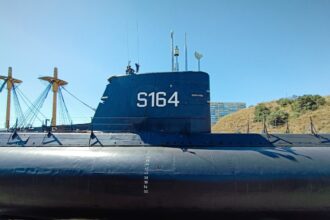
The film emphasizes that naval power was not merely about projecting force but was intrinsically linked to the doctrine of nuclear deterrence. The ability to launch a retaliatory nuclear strike from a submerged submarine, undetectable and thus invulnerable to a first strike, was a cornerstone of mutual assured destruction (MAD). This concept, seemingly paradoxical, acted as a grim guarantor of peace, albeit a peace held by a thread. The documentary illustrates how both sides invested heavily in submarine technology, pushing the boundaries of acoustic stealth, sonar capabilities, and underwater endurance. The silent hunter, the submarine, became the ultimate embodiment of this precarious balance of power.
The Arctic, a desolate and icy expanse, transformed into a critical theater of operations. Its proximity to both Soviet and American homelands made it a launching point for nuclear-armed bombers and, more significantly, a strategic transit route for ballistic missile submarines. The documentary details the constant surveillance, the daring reconnaissance missions, and the near-misses that characterized naval activity in this unforgiving environment. The frozen surface of the Arctic Ocean concealed a molten core of tension, a silent arms race played out in frigid waters.
The Mediterranean Sea, a historical nexus of global trade and political intrigue, was another focal point of Cold War rivalry. The presence of Soviet naval bases in Syria and their increasing influence in North Africa provided a constant challenge to NATO’s southern flank. The documentary explores the intricate game of cat and mouse played out between American carrier battle groups and Soviet naval flotillas, a delicate dance where miscalculation could have had catastrophic consequences.
For those interested in the covert strategies and tactics employed during the Cold War, a fascinating article can be found at In The War Room. This piece delves into the secret naval operations that played a crucial role in the geopolitical landscape of the era, providing insights into the hidden maneuvers and intelligence-gathering missions that shaped international relations. The documentary accompanying this article further explores the complexities and challenges faced by naval forces during this tense period in history.
The Unseen Arsenal: Covert Missions and Espionage
Beyond the overt displays of naval power, “Secret Cold War Naval Operations” delves into the clandestine world of espionage and covert action. The documentary argues that a significant portion of naval resources was dedicated to missions that operated far from the public eye, gathering intelligence and disrupting enemy capabilities without explicit declaration of conflict.
Intelligence Gathering: Listening to the Enemy
Special Operations Forces: The Shadow Mariners
Sabotage and Disruption: The Invisible War
The film highlights the crucial role of intelligence gathering, particularly the methods employed by specialized naval units to intercept Soviet communications, track their submarine movements, and monitor their technological advancements. The development of advanced sonar and electronic eavesdropping technologies is presented as a critical element of this intelligence war. These efforts were akin to a cosmic surveyor trying to map an uncharted star system, painstakingly piecing together fragmented data into a coherent picture.
The documentary also sheds light on the operations of special operations forces, the naval commandos who conducted dangerous missions deep behind enemy lines. These were the surgical instruments of naval strategy, tasked with reconnaissance, sabotage, and potentially even high-value target acquisition. The risks they undertook, often in isolation and with limited support, underscore the immense human cost of this unseen conflict. Their actions, though never officially acknowledged, were vital in maintaining a strategic edge.
Technological Triumphs and Tragic Flaws
The Cold War naval arms race was a crucible of innovation, pushing the boundaries of what was technologically possible. The documentary meticulously details the development of groundbreaking naval technologies, from nuclear submarines to advanced sonar systems and stealth technology. However, it also acknowledges the inherent risks and tragic consequences that often accompanied these advancements.
The Dawn of Nuclear Propulsion
Sonar Dominance: The Quest for the Unseen
The Limits of Technology: Accidents and Incidents
The advent of nuclear propulsion for submarines revolutionized naval warfare. The documentary explains how this technology granted submarines unparalleled endurance, allowing them to remain submerged for months on end, extending their operational range and complicating detection efforts immensely. The nuclear submarine became the phantom of the deep, capable of projecting power globally without the need for frequent resupply.
The ongoing battle for sonar dominance is a recurring theme. The film illustrates how both sides poured resources into developing increasingly sophisticated sonar systems, capable of detecting submarines at greater distances and with greater accuracy. This technological arms race led to constant innovation, but also to a perpetual game of cat and mouse, with submarines constantly developing countermeasures and new methods of evasion.
However, the documentary does not shy away from the darker side of this technological advancement. It recounts several instances where cutting-edge technology failed, leading to tragic accidents, such as the loss of submarines and their crews. These incidents serve as stark reminders of the immense pressure and inherent dangers faced by those who operated these advanced vessels, often under extreme conditions. The relentless pursuit of technological superiority, while crucial for national security, came with an unacceptably high price in human lives.
The Human Element: Courage Under Pressure
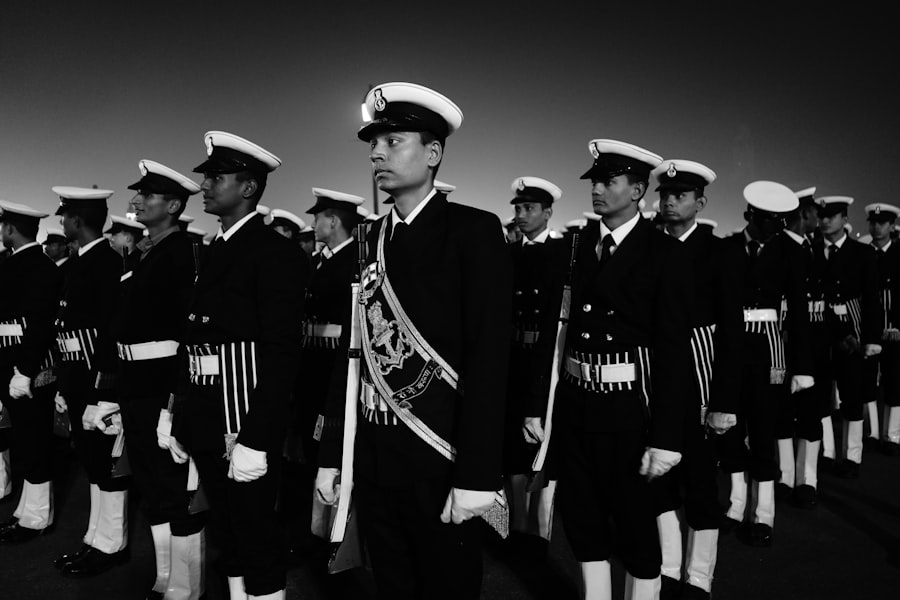
While the documentary focuses on strategies and technology, it never loses sight of the human element. The film features poignant interviews with former naval officers and enlisted personnel who recount their experiences on the front lines of the Cold War. Their stories provide a raw and authentic perspective on the psychological toll of constant vigilance, the camaraderie forged in the face of danger, and the profound sense of duty that motivated them.
Personal Accounts: The Voice of Experience
The Psychological Strain of Submarine Operations
The Legacy of Service: Unsung Heroes
The personal accounts are the beating heart of the documentary. These individuals, often speaking for the first time in decades, paint a vivid picture of life aboard submarines, the constant hum of machinery, the claustrophobic confines, and the ever-present awareness of the potential for catastrophe. Their narratives highlight the extraordinary courage and resilience required to perform such demanding duties, often in complete isolation from the outside world for extended periods. Imagine being a single droplet of water in an immense ocean, acutely aware of the immense pressure surrounding you, yet compelled to maintain your form and function.
The psychological strain of prolonged submarine operations is a significant focus. The documentary explores the mental fortitude required to cope with isolation, confinement, and the constant threat of unknown dangers lurking in the depths. The interviews reveal the coping mechanisms employed, the importance of strong leadership, and the deep bonds of trust that developed between crew members. This was not just a job; it was an existential trial by fire.
The film concludes by reflecting on the legacy of these unsung heroes. Many of these operations were classified, and the sacrifices made by naval personnel were largely unacknowledged. The documentary serves as a powerful tribute to their dedication and service, ensuring that their contributions to global peace and security are not forgotten. They were the silent guardians, the bedrock upon which a fragile peace was built, and their stories deserve to be told.
The documentary on secret Cold War naval operations offers a fascinating glimpse into the covert strategies employed during a time of heightened tension between superpowers. For those interested in exploring this topic further, a related article provides an in-depth analysis of the technological advancements that shaped naval warfare during this era. You can read more about these innovations and their impact on military tactics by visiting this insightful article.
The Unfinished Symphony: Lessons for Today
| Operation Name | Year | Location | Objective | Outcome | Notable Vessels |
|---|---|---|---|---|---|
| Operation Ivy Bells | 1970-1980 | Sea of Okhotsk | Wiretapping Soviet underwater communication cables | Successful intelligence gathering | USS Halibut (SSN-587) |
| Operation Sand Dollar | 1960s | North Atlantic Ocean | Surveillance of Soviet submarine movements | Enhanced NATO anti-submarine tactics | USS Parche (SSN-683) |
| Operation Azorian | 1974 | Pacific Ocean, near Hawaii | Recovery of sunken Soviet submarine K-129 | Partial recovery, classified technology obtained | Hughes Glomar Explorer |
| Operation Ivy Bells II | 1980s | Sea of Okhotsk | Continued tapping of Soviet communication cables | Maintained intelligence advantage | USS Parche (SSN-683) |
| Operation Moby Dick | 1960s | Arctic Ocean | Tracking Soviet ballistic missile submarines | Improved early warning systems | USS Skate (SSN-578) |
“Secret Cold War Naval Operations” is more than just a historical record; it is a profound examination of the complex dynamics of international relations and the enduring consequences of superpower rivalry. The documentary offers valuable lessons for contemporary audiences, highlighting the importance of transparency, diplomacy, and the careful management of military capabilities.
The Perils of Secrecy
The Importance of Diplomacy
The Evolving Maritime Landscape
The film implicitly critiques the nature of secrecy that shielded these operations for so long. While acknowledging the necessity of some classified activities during an era of existential threat, it suggests that excessive secrecy can breed mistrust and obscure the true costs of conflict, both human and material. The veil of secrecy, while protecting operational integrity, also prevented public understanding and debate.
The documentary underscores the paramount importance of diplomacy, even in the most tense of circumstances. It illustrates how communication channels, however strained, were crucial in preventing escalation and miscalculation. The constant naval presence, while a show of strength, was often balanced by diplomatic efforts to de-escalate potential crises.
In conclusion, “Secret Cold War Naval Operations” is a vital documentary that illuminates a crucial, yet often overlooked, chapter of 20th-century history. It offers a factual, unvarnished account of the naval strategies and operations that shaped the Cold War. By delving into the technological advancements, the human sacrifices, and the clandestine missions, the film provides a comprehensive and compelling narrative that will resonate with anyone seeking to understand the complex geopolitical forces that continue to influence our world. It is a testament to the power of human endeavor, the sobering consequences of conflict, and the enduring importance of remembering the past to navigate the future. The oceans may be vast and deep, but they hold stories that, when brought to light, offer essential wisdom.
FAQs
What is the focus of the documentary on secret Cold War naval operations?
The documentary explores covert naval missions and intelligence activities conducted by various countries during the Cold War, highlighting espionage, submarine warfare, and secret surveillance operations.
Which countries’ naval forces are featured in the documentary?
The documentary primarily features the naval forces of the United States and the Soviet Union, but it may also include insights into the roles of allied and other involved nations during the Cold War period.
What types of naval vessels are discussed in the documentary?
The documentary covers a range of naval vessels including submarines, spy ships, aircraft carriers, and specialized reconnaissance vessels used for secret missions and intelligence gathering.
Does the documentary include declassified information or firsthand accounts?
Yes, the documentary incorporates declassified government documents, archival footage, and interviews with former naval officers and intelligence personnel who participated in or have knowledge of these secret operations.
Why were these naval operations kept secret during the Cold War?
These operations were kept secret to maintain strategic advantages, prevent escalation of conflicts, protect intelligence sources and methods, and avoid political repercussions during the tense geopolitical rivalry between the superpowers.