The sands of the Iranian desert, vast and unforgiving, hold the ghosts of a mission that has captivated and haunted imaginations for decades. The aborted attempt to rescue the American hostages held in Tehran in 1980, often referred to as Operation Eagle Claw, is a stark reminder of the complexities and inherent risks of clandestine operations. Yet, beyond the widely known narrative of its failure, lay a crucial, often overlooked, second iteration of the plan, a testament to the unwavering resolve of those tasked with bringing the captives home. This exploration delves into the underpinnings of this second rescue attempt, examining the strategic shifts, the technological advancements, and the sheer audacity that characterized this bold, albeit ultimately unrealized, endeavor.
The Shadow of Failure and the Genesis of Renewal
The stinging defeat of Operation Eagle Claw in April 1980 reverberated through the halls of power in Washington and across the globe. The public humiliation of a superpower unable to extricate its citizens from a foreign entanglement was a profound blow to American prestige. The operational breakdown, marked by mechanical failures, pilot disorientation, and a tragic helicopter collision, led to the withdrawal of forces before any attempt at infiltration could be made. The images of burning helicopters and the loss of eight brave servicemen were etched into the collective memory, painting a grim picture of a mission gone catastrophically wrong. However, the human cost of the prolonged captivity of the fifty-two American diplomats and citizens in the U.S. Embassy compound in Tehran remained a constant, gnawing concern for President Jimmy Carter and his administration. The initial failure did not extinguish the commitment to a rescue; instead, it ignited a fierce determination to learn from the mistakes and devise a more robust and sophisticated plan. The impetus for a second attempt was not born of arrogance or a desire for retribution, but from a deep-seated sense of duty and a moral imperative to secure the freedom of the hostages.
Examining the Flaws of the First Attempt
The debriefing and subsequent investigations into Operation Eagle Claw were exhaustive and brutal. The report by Admiral James Holloway III, commander of the U.S. Naval surface forces Atlantic Fleet, highlighted critical deficiencies in planning, intelligence, and operational execution. The core issues revolved around a complex multi-force, multi-location operation that lacked sufficient redundancy and contingency planning. The reliance on a limited number of helicopters, susceptible to mechanical issues and the harsh desert environment, proved to be a fatal flaw. The decision to assemble at “Desert One,” a remote desert location, introduced an unnecessary layer of complexity and vulnerability. The lack of robust communication protocols between the various units and the potential for mid-air refueling issues also contributed to the overall fragility of the mission. Furthermore, the intelligence regarding the precise layout of the embassy and the disposition of the hostages, while deemed sufficient at the time, ultimately proved to be inadequate for a swift and decisive strike. The failure to adequately anticipate and mitigate the risks associated with operating in an unfamiliar and hostile environment became a central lesson.
The Mandate for a Revitalized Strategy
Following the initial disaster, the immediate priority was to avoid a repeat of the catastrophic errors. President Carter, though politically wounded, remained steadfast in his resolve to secure the hostages’ release. He authorized the formation of a new task force, operating under even greater secrecy and with a singular focus on rectifying the shortcomings of Eagle Claw. This new entity, designated Task Force 1-70, was imbued with a mandate to re-evaluate every aspect of the failed mission and to forge a plan that minimized risk and maximized the probability of success. The psychological impact of the first failure was profound, but it also served as a powerful motivator. The men and women tasked with this new endeavor understood the immense pressure and the unforgiving scrutiny that would accompany any future attempt. Their mission was not just to rescue the hostages, but to restore faith in America’s ability to protect its citizens and project its power effectively.
In light of the recent developments surrounding the second Iran hostage rescue plan, it is essential to explore the broader implications of military strategies in such high-stakes situations. A related article that delves into the complexities of hostage rescue operations and their potential outcomes can be found at In The War Room. This resource provides valuable insights into the planning and execution of rescue missions, highlighting the challenges faced by military personnel in ensuring the safety of hostages while navigating geopolitical tensions.
Recalibrating the Instruments: Technological and Tactical Evolution
The period between the first failed attempt and the conceptualization of the second rescue plan was characterized by an intense period of innovation and rigorous re-evaluation. The lessons learned were not just about better communication or more reliable aircraft; they spurred a deeper examination of technological capabilities and tactical approaches. The objective was to build a plan that was not only feasible but also adaptable and resilient to the unpredictable nature of such a high-stakes operation. This involved a significant investment in research and development, alongside a critical reassessment of existing assets. The aim was to create a system that could overcome the environmental challenges and the potential for enemy interference.
Advancements in Aircraft and Navigation
Recognizing the critical role of rotary-wing aircraft in the initial failure, significant attention was paid to improving their reliability and operational capabilities. The idea of relying on a small fleet of less-than-ideal helicopters was discarded. Instead, the focus shifted to exploring more advanced and versatile aircraft. While specific details of the proposed aircraft for the second plan remain largely classified, it is understood that efforts were made to procure or adapt helicopters with greater range, endurance, and payload capacity. Enhancements in night-vision technology were also a crucial area of development. The ability to operate effectively under the cloak of darkness was paramount, and improvements in infrared imaging and low-light amplification systems were integrated into the planning. Furthermore, advancements in navigation systems, including more precise GPS (Global Positioning System) capabilities, were explored to mitigate the disorientation experienced in the vast, featureless desert. The aim was to ensure that pilots could navigate accurately and safely, even in challenging conditions, and to reduce the reliance on visual cues that were prone to error.
Rethinking Infiltration and Exfiltration
The original plan’s infiltration strategy, which involved a complex rendezvous in the desert, was a significant point of vulnerability. The second iteration sought to streamline and secure this critical phase. The concept of multiple staging points and a more coordinated approach to insertion was explored. The possibility of using fixed-wing aircraft to deliver assets closer to the target, followed by a helicopter lift for the final approach, was considered. This would have reduced the time helicopters spent in the air and minimized their exposure to potential threats. Similarly, the exfiltration strategy, which involved extracting the hostages and the rescue force under fire, was subjected to intense scrutiny. The aim was to create a rapid and efficient egress route, with pre-positioned support and contingencies for unexpected resistance. The idea of employing specialized equipment to neutralize immediate threats and secure the extraction points was also a key consideration. The emphasis was on creating a seamless and swift withdrawal, minimizing the time the hostages and the rescue team were vulnerable.
The Architects of the Unseen: Key Players and Their Roles
Behind every complex military operation lies a dedicated group of individuals who translate strategy into action. The second Iran hostage rescue plan was no exception. While many of the key figures remained in the shadows, their contributions were instrumental in shaping the revised approach. Their expertise spanned across various disciplines, from intelligence analysis and special forces operations to logistical planning and technological innovation. The weight of past failure rested heavily on their shoulders, but it also fueled an extraordinary level of commitment and meticulousness. Their understanding of the political and human dimensions of the crisis was as crucial as their military acumen.
The Intelligence Nexus and Operational Planning
The intelligence community played an absolutely pivotal role in the genesis of the second rescue plan. Unlike the first attempt, where intelligence gaps were later identified, this iteration was built upon a foundation of more comprehensive and continuously updated intelligence. This included detailed reconnaissance of the embassy compound, understanding the routines of the guards, and assessing the potential for Iranian military or revolutionary guard response. Analysts worked tirelessly to map out the embassy’s interior, identify potential ingress and egress points, and even study the likely locations of the hostages within the compound. This intelligence was not static; it was a living, breathing entity, constantly being updated through a variety of covert means. The operational planners then took this rich tapestry of information and wove it into a coherent and executable strategy. They had to consider not only the direct action against the embassy but also the broader implications of the mission, including potential diplomatic fallout and the possibility of retaliatory actions.
Elite Units and Specialized Training
The operational execution of the second rescue plan would have fallen to highly trained and specialized units. While the exact composition of these units remains classified, it is understood that they would have comprised members drawn from elite special operations forces, such as the U.S. Army’s Delta Force and potentially elements of the U.S. Navy’s SEALs. These individuals undergo rigorous and specialized training that prepares them for the most demanding and unconventional missions. Their training would have been intensified and tailored specifically to the challenges presented by the Iranian scenario. This would have included extensive rehearsals in simulated embassy environments, advanced combat tactics, hostage negotiation techniques (even if not directly employed, understanding the dynamics is crucial), and survival skills in desert conditions. The psychological conditioning of these operators was equally important. They needed to be prepared for the immense pressure, the potential for casualties, and the ethical dilemmas inherent in such a mission. Their unwavering discipline and ability to operate with precision under extreme duress were paramount.
The Enigmatic Nature of the Unlaunched Operation
The second Iran hostage rescue plan, unlike its predecessor, never saw the light of day in terms of active execution. The reasons for its ultimate shelving are multifaceted and, to this day, subject to considerable debate and speculation. While the operational plan itself may have been perfected, external factors and evolving geopolitical realities rendered the risk of its deployment too great. The meticulous preparations and the immense resources invested remained a testament to the commitment to the mission, even as the window of opportunity slowly closed. The decision to not proceed was not an admission of failure in the planning stage, but rather a strategic calculation based on a shifting landscape.
The Shifting Sands of Diplomacy
As time wore on, the diplomatic channels, though fraught with tension and setbacks, began to show faint glimmers of progress. The protracted negotiations, often characterized by Thorne’s rigid stance and the volatile political climate within Iran, were a complex dance. However, the international pressure, coupled with the internal machinations of Iranian politics, slowly began to create an environment where a diplomatic resolution, however imperfect, became increasingly feasible. The potential consequences of a failed or even a successful rescue mission on these delicate diplomatic efforts were a significant factor in the decision-making process. The administration had to weigh the immediate gratification of a rescue against the long-term implications for regional stability and the potential for further escalation of tensions. The growing possibility of a negotiated release, however protracted, started to dilute the immediate urgency for a military intervention.
The Looming Presidential Election
The political landscape in the United States was also a critical consideration. The Iran hostage crisis had become a dominant issue in the 1980 presidential election, deeply impacting President Carter’s popularity. The perception of American weakness and the inability to secure the release of its citizens played a significant role in public discourse. A dramatic rescue attempt, while potentially restoring national pride, also carried immense risk. A botched operation, even more so than the first attempt, could have been politically devastating. Conversely, a successful rescue could have been a significant electoral triumph. However, the uncertainty surrounding the outcome, the potential for casualties, and the complex ethical considerations likely led to a cautious approach. The looming election added another layer of strategic calculation, making the decision to launch such a high-stakes operation even more fraught with peril. The potential for the mission to become a partisan football, or to be perceived as a desperate political gamble, undoubtedly weighed heavily on the decision-makers.
In the context of the second Iran hostage rescue plan, the use of advanced technology such as rockets has become a focal point of discussion among military strategists. The implications of these developments are explored in a related article that delves into the strategic considerations and potential outcomes of such operations. For further insights, you can read more about this topic in the article available here. Understanding the complexities of these missions is crucial for grasping the broader geopolitical landscape.
Echoes in the Desert: Legacy and Lessons Learned
| Metric | Details |
|---|---|
| Operation Name | Operation Credible Sport |
| Purpose | Rescue of American hostages in Iran |
| Rocket System | Modified Lockheed C-130 Hercules with rocket-assisted landing and takeoff |
| Number of Rockets | Approximately 30 rockets installed on each aircraft |
| Rocket Types | Descent rockets, lift rockets, and braking rockets |
| Rocket Purpose | Enable short, vertical landing and takeoff in confined spaces |
| Test Date | November 1979 |
| Outcome | Test crash due to premature rocket firing; operation canceled |
| Hostage Rescue Result | Operation not executed; hostages released after diplomatic negotiations |
Although the second Iran hostage rescue plan never culminated in an actual rescue mission, its existence and the extensive preparations undertaken offer invaluable insights into the evolution of special operations capabilities and crisis management. The commitment to revisiting and refining a failed strategy underscores the resilience of military planning and the unwavering dedication to national interests. The lessons learned from both attempts have had a lasting impact on how the United States approaches hostage situations and asymmetric warfare. The meticulous planning, the technological advancements explored, and the understanding of the complex interplay between military action and diplomatic resolution continue to inform contemporary security doctrines.
The Enduring Impact on Special Operations
The intense scrutiny and the subsequent rigorous re-evaluation of the first rescue attempt directly contributed to a significant enhancement of U.S. special operations forces. The perceived shortcomings of Eagle Claw spurred investment in specialized equipment, advanced training methodologies, and improved command and control structures. The development of more robust helicopters, advanced night-vision technology, and more sophisticated communication systems can be traced, in part, to the lessons derived from these planning phases. The establishment of specialized units like Delta Force, with their focus on counter-terrorism and hostage rescue, was significantly shaped by the experiences and perceived needs arising from the Iran crisis. The emphasis on detailed intelligence gathering, meticulous planning, and seamless execution became hallmarks of modern special operations, directly influenced by the crucible of the Iran hostage situation.
A Paradigm Shift in Crisis Response
The Iran hostage crisis, with its two distinct rescue planning phases, served as a profound learning experience for American policymakers and military strategists. It highlighted the limitations of conventional military might in certain asymmetrical conflicts and underscored the critical importance of a multi-faceted approach to crisis resolution. The balance between military options and diplomatic efforts became a central theme in subsequent U.S. foreign policy. The understanding that a purely military solution might not always be the most effective, or even feasible, was deeply ingrained. The crisis also emphasized the importance of public diplomacy and the management of international perceptions during prolonged hostage situations. The lessons learned from the agonizing months of the hostage crisis continue to inform how the United States prepares for and responds to similar complex, high-stakes international challenges, shaping a more nuanced and comprehensive approach to national security in the face of unconventional threats.
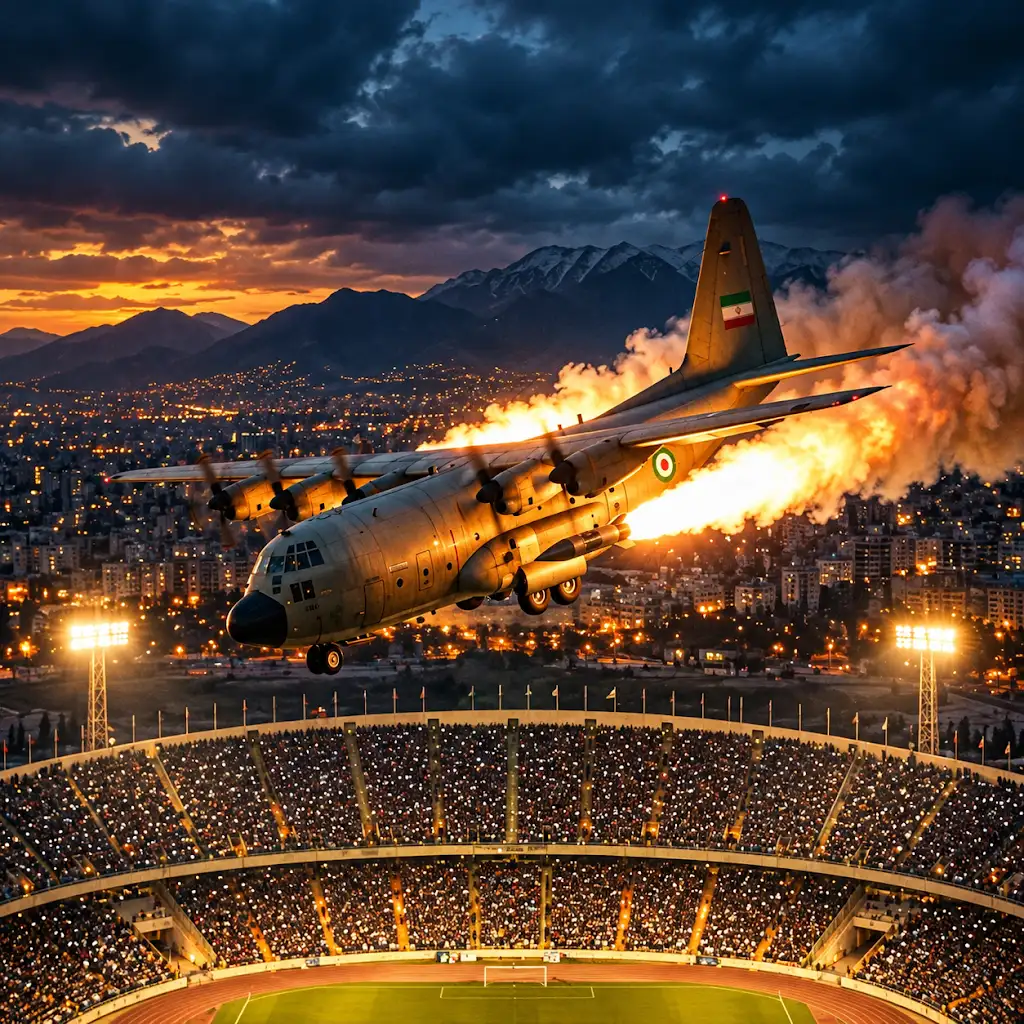
The Secret Plane Built to Land Inside a Stadium
FAQs
What was the Second Iran Hostage Rescue Plan?
The Second Iran Hostage Rescue Plan was a military operation devised by the United States to rescue 52 American hostages held in the U.S. Embassy in Tehran, Iran, in 1980.
Why did the Second Iran Hostage Rescue Plan involve rockets?
The plan involved the use of rockets to destroy key targets at the embassy compound in Tehran, creating a diversion to allow the rescue team to enter and extract the hostages.
What caused the Second Iran Hostage Rescue Plan to be aborted?
The Second Iran Hostage Rescue Plan was aborted after encountering several issues, including a sandstorm that damaged helicopters and caused a collision during a refueling operation.
Were there any casualties during the Second Iran Hostage Rescue Plan?
Tragically, eight American servicemen lost their lives during the failed rescue attempt as a result of the helicopter collision and subsequent explosion.
How did the failure of the Second Iran Hostage Rescue Plan impact US-Iran relations?
The failure of the Second Iran Hostage Rescue Plan further strained relations between the United States and Iran, leading to increased tensions and diplomatic challenges between the two countries.