The desert wind, a relentless sculptor of sand and secrets, whispered tales of what could have been. It was a tapestry woven with threads of desperation, daring, and ultimately, failure. Operation Eagle Claw, the audacious attempt to rescue the American hostages held in Iran in 1980, remains a stark reminder of the complexities and pitfalls of unconventional warfare. While the narrative often focuses on the tragic helicopter crashes and the loss of life, the unsung hero, or perhaps more accurately, the crucial enabler that was never fully utilized, was the Lockheed C-130 Hercules. This venerable aircraft, known for its ruggedness and versatility, played a pivotal, albeit indirect, role in the planning and execution of this ill-fated mission, and its potential, had circumstances been different, could have significantly altered the outcome.
The Ghost of Tabas: Setting the Stage for Desperate Measures
The seizure of the American Embassy in Tehran on November 4, 1979, plunged the United States into a national crisis. Fifty-two American diplomats and citizens were held captive, becoming pawns in a geopolitical game that captivated the world. Months of diplomatic efforts yielded no fruit, and the pressure on President Jimmy Carter to act decisively mounted. The idea of a military rescue mission, once deemed too risky, began to gain traction as other avenues closed. This desperation, born from a prolonged diplomatic stalemate, paved the way for the conception of Operation Eagle Claw, a plan so complex and reliant on intricate coordination that it bordered on the fantastical. The C-130, with its ability to transport large numbers of personnel and equipment, and its proven track record in various combat and transport roles, was an obvious candidate for any large-scale military operation, even one as unconventional as Eagle Claw.
The Genesis of a Risky Venture: Diplomacy’s Dead End
The initial response to the hostage crisis was primarily diplomatic. The United States, through various channels, attempted to negotiate the release of its citizens. However, the Iranian regime, fueled by revolutionary fervor and anti-American sentiment, remained steadfast. Sanctions were imposed, and international condemnation was voiced, but these measures failed to sway the captors. The prolonged nature of the crisis began to erode public confidence and increase domestic pressure on the Carter administration. The perceived impotence of traditional diplomatic tools highlighted the need for more forceful intervention, and the seeds of a military solution were sown in the fertile ground of frustration. The C-130, as a symbol of American military projection capability, would have been an integral part of any larger logistical plan, even if its specific role in Eagle Claw was not as direct as that of the helicopters. Its inherent ability to move large forces and supplies meant it was a foundational element in the thinking behind such an ambitious operation.
The Decision to Strike: The Unfolding of Operational Imperatives
As diplomatic avenues became increasingly blocked, the option of a military rescue mission moved from theoretical discussion to serious consideration. The perceived success of past special operations and the desire to project strength and resolve led to the development of Operation Eagle Claw. The mission’s complexity stemmed from the need to infiltrate a significant number of personnel deep into enemy territory, conduct a swift and decisive rescue, and then exfiltrate them without significant loss of life or compromise of the operation. This required a meticulously planned sequence of events, a robust logistical backbone, and the coordination of various specialized units. The C-130, with its ability to carry troops, equipment, and even ground support vehicles, was a natural consideration for the logistical chain that would be necessary to support such an endeavor, even if it wasn’t the primary insertion asset.
The second Iran hostage rescue mission, which involved the use of C-130 aircraft, was a pivotal moment in U.S. military history, showcasing the complexities and challenges of executing such high-stakes operations. For a deeper understanding of the strategic implications and the operational details surrounding this mission, you can read a related article that provides valuable insights into the planning and execution of these rescue attempts. Check it out here: In The War Room.
The C-130’s Indirect Influence: Logistics and Preparation
While the dramatic failure of the helicopters often overshadows other aspects of Eagle Claw, the C-130 Hercules was instrumental in the extensive preparation and logistical planning that underpinned the mission. Its ability to carry heavy payloads and its range made it the workhorse for transporting personnel, equipment, and supplies to staging areas. The very feasibility of an operation of this scale, involving multiple aircraft and units, relied heavily on the C-130’s logistical capabilities. Without the C-130, the planning and execution of the pre-mission training and deployment would have been exponentially more difficult, if not impossible. The aircraft’s inherent reliability and adaptability meant it could be pressed into service for a variety of preparatory tasks, from ferrying specialized equipment to deploying teams for reconnaissance and training exercises.
The Backbone of Infiltration: Transporting the Force
The initial concept of Eagle Claw involved a multi-stage infiltration. C-130s were slated to fly into a remote desert landing strip, codenamed “Desert One,” in Iran. There, they were intended to deliver the assault force, provide logistical support, and await the helicopters. This initial phase, though never fully realized due to the mission’s premature abort, highlights the C-130’s critical role as the transport backbone for the ground element of the operation. The sheer volume of personnel and equipment required for such a raid meant that only aircraft like the C-130 could provide the necessary carrying capacity. The ruggedness of the C-130 was also a key consideration; it was capable of operating from austere, unimproved landing strips, a crucial factor given the mission’s clandestine nature and the lack of suitable airfields near the target.
Fueling the Phantom: Aerial Refueling Considerations
A significant logistical challenge for any long-range military operation is the need for sustained fuel. While not directly involved in the aerial refueling of the helicopters themselves in Eagle Claw, the C-130’s role as a heavy-lift transport aircraft meant it was deeply integrated into the overall fuel planning. C-130s would have been responsible for transporting specialized fuel bladders and support equipment to forward operating bases or staging areas, ensuring that the rotary-wing aircraft, and potentially other support aircraft, had the fuel reserves needed for their missions. The reliance on these transports underscored the intricate web of logistical dependencies that characterized Eagle Claw, where the failure of one element could cascade and impact others. The C-130’s ability to carry significant fuel loads itself also made it a potential candidate for certain mission profiles, though the primary aerial refueling was intended to be handled by dedicated tanker aircraft.
The Unfulfilled Promise: C-130’s Contingency Roles
Beyond its primary transport duties, the C-130 Hercules was envisioned to play several crucial contingency roles in Operation Eagle Claw, roles that unfortunately never came to fruition. These included acting as a command and control platform, a vital medical evacuation asset, and even a potential ground assault support aircraft. The versatility of the C-130 meant it was considered for a wide array of potential scenarios, showcasing the foresight of the planners in anticipating various operational needs, even if those needs were never tested in the crucible of the actual mission. The aircraft’s adaptability made it a valuable asset in the planning phase, providing a degree of flexibility that few other aircraft could match.
Command and Control Hub: A Mobile Headquarters
The complex nature of Eagle Claw, involving multiple disparate units operating in a hostile environment, necessitated a robust command and control structure. Planners considered utilizing C-130s as airborne command posts, providing a mobile and secure platform for senior leadership to oversee the operation in real-time. These aircraft could have been equipped with sophisticated communication systems, allowing for continuous contact with all elements of the mission, from the helicopters en route to the ground assault teams. This would have offered a significant advantage in managing the unfolding events, allowing for rapid decision-making and adjustments to the plan as circumstances dictated. The C-130’s spacious interior was well-suited for accommodating the necessary command and control equipment and personnel, making it an ideal candidate for this vital role.
Airborne Ambulance: Evacuating the Wounded
A critical, and often overlooked, aspect of any military operation is the capability for medical evacuation. In the event of casualties, the C-130 Hercules was designated as the primary medical evacuation platform for Operation Eagle Claw. Equipped with medical personnel and specialized equipment, these aircraft were prepared to rapidly transport wounded personnel from the landing zones to medical facilities. The C-130’s ability to land on relatively short and unimproved strips made it an ideal choice for reaching the remote locations where the mission was intended to take place. Its large cargo bay could be configured to accommodate multiple stretchers and the necessary medical support, providing a vital lifeline for those injured during the operation. The presence of these dedicated medevac C-130s was a testament to the comprehensive planning that went into the mission, acknowledging the inherent risks involved.
Ground Support and Diversion: An Unexpected Utility
In some conceptualizations of the mission, the C-130 was also considered for less conventional roles, such as providing ground support and potentially creating diversions. While the primary focus was on helicopters for the immediate hostage extraction, the presence of C-130s could have offered a tactical advantage. For instance, they could have been used to rapidly deploy additional ground forces if needed or to provide suppressive fire if the situation warranted. Furthermore, the distinct sound and visual signature of a C-130 could have been used as a diversionary tactic, drawing attention away from the main assault helicopters. This multifaceted consideration of the C-130’s capabilities demonstrates the depth of planning and the willingness of the mission planners to explore all available assets to maximize the chances of success.
The Desert’s Harsh Reality: The Aborted Mission and the C-130’s Fate
The night of April 24-25, 1980, remains a scar on the history of American special operations. A series of unfortunate events, culminating in a catastrophic helicopter crash, forced the immediate abort of Operation Eagle Claw. The C-130s, positioned at Desert One as intended, became witnesses to the unfolding disaster. While they were not directly involved in the combat engagement or the helicopter losses, their presence at the abort point meant they were immediately tasked with the difficult and somber mission of extracting the surviving personnel and equipment from the now compromised desert landing zone. The C-130’s role shifted from an enabler of the mission to a crucial element in the mission’s painful conclusion.
The Unforeseen Encounter: The Collision at Desert One
The mission’s unraveling began with a series of unforeseen challenges and equipment failures. The critical juncture at Desert One was marred by a dust storm and the unexpected encounter between a C-130 and a RH-53D Sea Stallion helicopter. The helicopter, experiencing mechanical issues and low on fuel, attempted to refuel from the C-130 but misjudged its approach in the poor visibility. The ensuing collision ignited both aircraft and resulted in the tragic loss of eight American servicemen. This single event, a confluence of adverse weather, mechanical unreliability, and navigational error, extinguished the mission’s hopes and underscored the immense risks inherent in operating in such a harsh and unforgiving environment. The C-130, despite its robust construction, was critically damaged in the inferno.
The Grim Extraction: Recovering the Survivors
Following the abort command, the surviving C-130s at Desert One were tasked with the harrowing duty of extracting the mission’s personnel and any salvageable equipment. This was a perilous undertaking, as the enemy was now aware of the American presence. The C-130s had to navigate the dust-filled airspace and land amidst the wreckage, under the assumption of potential enemy fire. The aircraft that were not destroyed in the collision performed this grim task with professionalism, loading the survivors and essential gear before departing the compromised staging area. This final act for the C-130s in Eagle Claw was one of rescue and recovery, a stark contrast to their intended role of facilitating a triumphant extraction. The C-130’s ability to perform under extreme stress, even in the aftermath of such a devastating failure, showcased its resilience and the skill of its crews.
The Legacy of “Operation Burnt Toast”: Lessons Learned
The failure of Operation Eagle Claw, often referred to by the derisive nickname “Operation Burnt Toast,” became a pivotal moment in the evolution of American special operations. The mission highlighted critical deficiencies in planning, inter-service coordination, equipment reliability, and operational security. The C-130, while not the cause of the failure, became inextricably linked to the event. The lessons learned from Eagle Claw led to the establishment of a dedicated joint special operations command, namely the Joint Special Operations Command (JSOC), and a renewed emphasis on rigorous training, realistic simulations, and the development of specialized equipment and aircraft. The experiences of Eagle Claw, including the role and limitations of the C-130 in such a complex operation, directly influenced the planning and execution of subsequent, more successful, rescue missions.
The second Iran hostage rescue mission, which involved the daring use of C-130 aircraft, is a pivotal moment in U.S. military history. This operation, aimed at rescuing American hostages held in Iran, faced numerous challenges and ultimately highlighted the complexities of military intervention. For a deeper understanding of the events surrounding this mission, you can read more in this insightful article that provides a comprehensive overview of the operation and its implications. Check it out here.
The C-130’s Enduring Significance: A Symbol of Resilient Capability
| Metric | Details |
|---|---|
| Operation Name | Operation Eagle Claw |
| Date | April 24-25, 1980 |
| Aircraft Used | Lockheed C-130 Hercules |
| Number of C-130s | 3 |
| Mission Objective | Rescue 52 American hostages held in Tehran, Iran |
| Outcome | Mission aborted due to mechanical failures and a fatal helicopter crash |
| Casualties | 8 U.S. servicemen killed |
| Location of Incident | Desert near Tabas, Iran |
| Significance | Led to reorganization of U.S. special operations forces |
Despite the tragic outcome of Operation Eagle Claw, the Lockheed C-130 Hercules emerged from the experience not as a symbol of failure, but as a testament to resilient capability. Its role in the mission, though largely in support and contingency capacities, underscored its inherent value in complex, long-range operations. The aircraft’s ability to operate in austere environments, transport significant payloads, and adapt to various mission profiles made it an indispensable asset in the planning and, ultimately, the difficult aftermath of the rescue attempt. The C-130’s enduring legacy lies in its proven track record of reliability and versatility, making it a cornerstone of military logistics and special operations for decades to come. Its presence, even in an aborted mission, demonstrated its fundamental importance in the military’s strategic toolkit.
A Platform for Future Operations: Evolution and Adaptation
The lessons learned from Eagle Claw spurred significant advancements in special operations capabilities, and the C-130, in its various forms, continued to be a critical platform in this evolution. Subsequent rescue missions, such as Operation Urgent Fury in Grenada and the operations in Somalia, would see enhanced integration and utilization of specialized variants of the C-130, including those equipped for electronic warfare, aerial refueling, and specialized assault operations. The aircraft’s adaptability allowed it to be continually updated and modified to meet the changing demands of modern warfare. Its ability to serve as a base for a wide array of modifications and enhancements ensured its continued relevance and effectiveness in supporting the most sensitive and dangerous military missions.
The Unseen Hand: Logistical Prowess in Crisis
The C-130’s significance in Operation Eagle Claw lies not in its direct combat role but in its unseen, yet crucial, logistical prowess. It was the workhorse that enabled the mission’s preparatory phases, the potential lifeline for medical evacuation, and the grim retriever of survivors. Its presence, even as part of an aborted plan, showcased the foundational importance of robust airlift capabilities in any large-scale military endeavor. The C-130 represents the unsung heroes of military operations: the aircraft and personnel who provide the essential support, the infrastructure, and the resilience that allows specialized units to even contemplate such daring missions. Its role in Eagle Claw, though shadowed by tragedy, serves as a potent reminder of the indispensable nature of air transport in the realm of national security and crisis response. The C-130’s enduring presence in military inventories worldwide speaks volumes about its inherent design, its adaptability, and its unwavering reliability in the face of adversity.
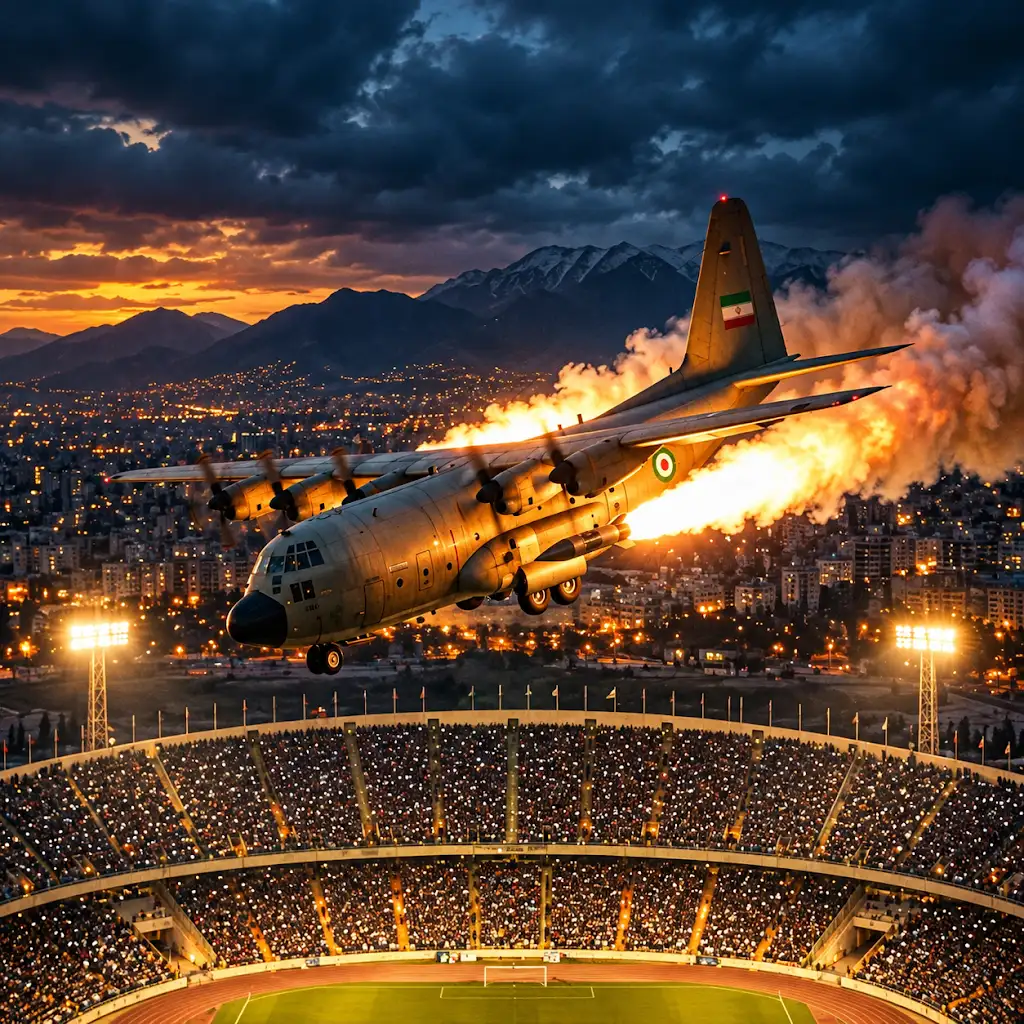
The Secret Plane Built to Land Inside a Stadium
FAQs
What was the purpose of the second Iran hostage rescue mission?
The second Iran hostage rescue mission, known as Operation Honey Badger, was intended to rescue the 52 American hostages held in the U.S. Embassy in Tehran, Iran.
When did the second Iran hostage rescue mission take place?
The second Iran hostage rescue mission occurred on April 24, 1980.
What type of aircraft was used in the second Iran hostage rescue mission?
The C-130 Hercules aircraft was used in the second Iran hostage rescue mission. It was a specially modified version of the C-130 for this specific operation.
Did the second Iran hostage rescue mission succeed?
No, unfortunately, the second Iran hostage rescue mission was aborted after encountering several mechanical problems with the aircraft and a sandstorm in the Iranian desert.
How did the failure of the second Iran hostage rescue mission impact U.S.-Iran relations?
The failure of the second Iran hostage rescue mission further strained relations between the United States and Iran, leading to increased tensions between the two countries.