
The Salang Tunnel stands as a critical artery for connectivity in Afghanistan, linking the northern and southern regions of the country. This engineering marvel, situated in the Hindu Kush mountain range, serves as a vital passageway for both civilian and military transport. Its strategic location not only facilitates the movement of goods and people but also plays a significant role in national integration.
The tunnel reduces travel time significantly, allowing for quicker access to essential services and resources, which is particularly crucial in a country where infrastructure is often lacking. Moreover, the Salang Tunnel is indispensable for international trade routes that traverse Afghanistan. It connects various provinces and serves as a gateway for imports and exports, thereby enhancing economic opportunities.
The tunnel’s importance is further underscored by its role in humanitarian efforts, as it enables the delivery of aid to remote areas that are otherwise difficult to reach. In a nation grappling with ongoing challenges, the Salang Tunnel remains a beacon of hope for improved connectivity and development.
Key Takeaways
- The Salang Tunnel is crucial for connectivity in Afghanistan, serving as a vital supply route for goods and people.
- The tunnel was constructed in the 1960s to connect northern and southern Afghanistan, improving transportation and trade.
- Challenges and risks of using the Salang Tunnel include traffic congestion, accidents, and the threat of natural disasters such as avalanches.
- Weather conditions, including heavy snowfall and avalanches, can lead to closures and disruptions at the Salang Tunnel, impacting supply routes.
- Strategies to mitigate supply bottlenecks at the Salang Tunnel include improving infrastructure, implementing safety measures, and exploring alternative routes.
History and Construction of Salang Tunnel
The history of the Salang Tunnel dates back to the 1960s when it was conceived as part of a broader initiative to enhance Afghanistan’s infrastructure. Construction began in 1964, with the aim of creating a reliable route through the treacherous terrain of the Hindu Kush mountains. The project faced numerous challenges, including harsh weather conditions and difficult geological formations.
Despite these obstacles, the tunnel was completed in 1967, marking a significant achievement in Afghan engineering. The construction of the Salang Tunnel was not merely an engineering feat; it also symbolized a period of optimism for Afghanistan. The tunnel was built with assistance from the Soviet Union, reflecting the geopolitical dynamics of the time.
Its completion opened up new avenues for trade and travel, fostering greater connectivity within the country. However, the subsequent decades brought turmoil and conflict, which impacted the maintenance and operation of this vital infrastructure.
Challenges and Risks of Using Salang Tunnel as a Supply Route

While the Salang Tunnel is essential for connectivity, it is not without its challenges and risks. One of the primary concerns is its vulnerability to natural disasters, such as avalanches and landslides, which can obstruct traffic and disrupt supply chains. The tunnel’s location in a mountainous region makes it susceptible to these hazards, posing significant risks to those who rely on it for transportation.
Additionally, the tunnel’s aging infrastructure presents another layer of challenges. Over the years, wear and tear have taken their toll, leading to concerns about safety and reliability. Traffic congestion is also a common issue, particularly during peak travel seasons or when military operations necessitate increased movement through the tunnel.
These factors contribute to delays and inefficiencies in supply routes, complicating logistics for businesses and humanitarian organizations alike.
Impact of Weather Conditions on Salang Tunnel
| Weather Condition | Impact |
|---|---|
| Heavy Snowfall | Causes road closures and traffic delays |
| Strong Winds | Increases risk of vehicle accidents |
| Heavy Rain | May lead to landslides and road blockages |
| Low Visibility | Increases risk of collisions and accidents |
Weather conditions play a pivotal role in determining the operational status of the Salang Tunnel. The region experiences harsh winters characterized by heavy snowfall and freezing temperatures, which can lead to road closures and hazardous driving conditions. During these months, travel through the tunnel becomes perilous, with avalanches posing a constant threat to vehicles attempting to navigate its length.
Conversely, summer months can bring heavy rains that may result in landslides or flooding within the tunnel. Such weather-related incidents can disrupt supply routes and hinder access to essential goods and services. The unpredictability of weather patterns adds an additional layer of complexity for those relying on the tunnel for transportation, necessitating contingency plans to address potential disruptions.
Strategies to Mitigate Supply Bottlenecks at Salang Tunnel
To address the supply bottlenecks that frequently occur at the Salang Tunnel, various strategies can be implemented. One approach involves enhancing maintenance efforts to ensure that the tunnel remains safe and operational year-round. Regular inspections and timely repairs can help mitigate risks associated with aging infrastructure and reduce the likelihood of closures due to structural issues.
Another strategy involves improving traffic management within the tunnel. Implementing a system for monitoring vehicle flow can help alleviate congestion during peak times. Additionally, establishing alternative routes or temporary bypasses during adverse weather conditions can provide relief when the tunnel is impassable.
By adopting these measures, stakeholders can work towards ensuring that the Salang Tunnel remains a reliable supply route for all who depend on it.
Alternatives to Salang Tunnel for Connectivity
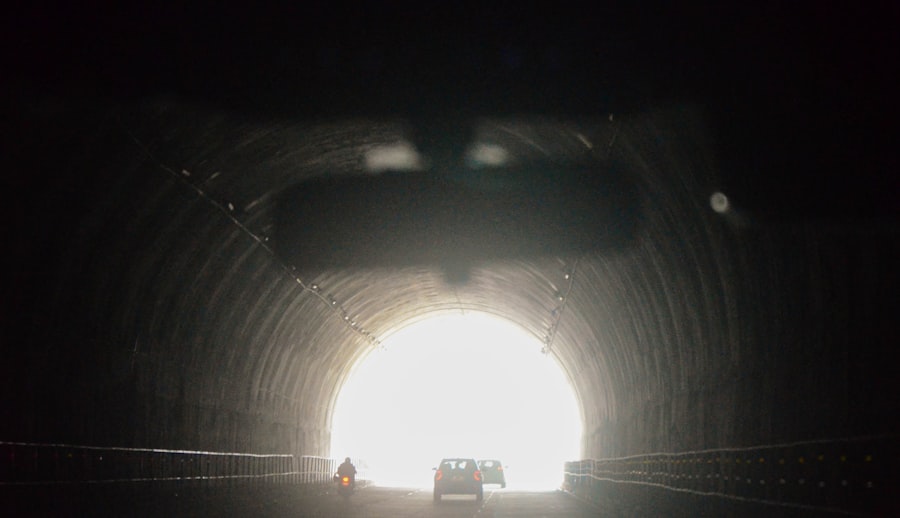
While the Salang Tunnel is a vital link in Afghanistan’s transportation network, exploring alternative routes is essential for enhancing connectivity across the country. One potential alternative is the construction of new tunnels or roads that bypass the mountainous terrain altogether.
Additionally, improving existing road networks outside of the tunnel could offer viable alternatives for transporting goods and people. Enhancing connectivity between provinces through better road infrastructure would not only ease pressure on the Salang Tunnel but also promote regional development. By diversifying transportation options, Afghanistan can create a more resilient supply chain that is less susceptible to disruptions.
Role of Salang Tunnel in Afghanistan’s Economy
The economic significance of the Salang Tunnel cannot be overstated. As a crucial supply route, it facilitates trade between different regions of Afghanistan and beyond. The tunnel enables businesses to transport goods more efficiently, reducing costs associated with logistics and distribution.
This efficiency is particularly important in a country where economic opportunities are often limited due to infrastructural challenges. Furthermore, the Salang Tunnel plays a vital role in supporting local economies by providing access to markets and resources. Farmers and producers can reach urban centers more easily, allowing them to sell their products and generate income.
The tunnel also attracts investment in various sectors, including tourism and commerce, contributing to overall economic growth. In this way, the Salang Tunnel serves as a lifeline for Afghanistan’s economy, fostering development and prosperity.
Security Concerns at Salang Tunnel
Security concerns are an ever-present issue at the Salang Tunnel, particularly given Afghanistan’s complex geopolitical landscape. The tunnel has been targeted by various factions over the years, raising fears about safety for travelers and transporters alike. Incidents of violence or sabotage can disrupt operations and deter individuals from using this critical route.
Moreover, the presence of military convoys traveling through the tunnel adds another layer of complexity to security dynamics. While these convoys are necessary for national defense, they can also create tensions with local populations or insurgent groups. Ensuring safe passage through the Salang Tunnel requires coordinated efforts between security forces and local communities to foster trust and mitigate potential conflicts.
The Future of Salang Tunnel as a Supply Route
The future of the Salang Tunnel as a supply route hinges on several factors, including ongoing maintenance efforts, security improvements, and investment in infrastructure development. As Afghanistan continues to navigate its post-conflict landscape, prioritizing the tunnel’s upkeep will be essential for maintaining its operational status. Without adequate investment in repairs and enhancements, the tunnel risks becoming increasingly unreliable.
Additionally, fostering collaboration between government entities, local communities, and international partners will be crucial for ensuring that the Salang Tunnel remains a viable supply route. By addressing security concerns and investing in infrastructure improvements, stakeholders can work towards creating a safer and more efficient transportation network that benefits all Afghans.
International Support and Investment in Salang Tunnel
International support plays a pivotal role in securing the future of the Salang Tunnel as a vital supply route. Various countries and organizations have recognized its importance and have provided funding or technical assistance for maintenance projects over the years. Such investments are crucial for ensuring that this critical infrastructure remains operational amid ongoing challenges.
Furthermore, fostering partnerships with international stakeholders can lead to innovative solutions for enhancing connectivity through the Salang Tunnel. Collaborative efforts focused on infrastructure development can help address existing bottlenecks while promoting sustainable economic growth in Afghanistan. By leveraging international support effectively, Afghanistan can work towards revitalizing this essential supply route.
Addressing the Supply Bottleneck at Salang Tunnel
In conclusion, addressing the supply bottleneck at the Salang Tunnel requires a multifaceted approach that encompasses maintenance, security improvements, and investment in alternative routes. As a critical artery for connectivity in Afghanistan, ensuring its operational status is paramount for facilitating trade and supporting economic growth. By implementing strategies to mitigate risks associated with weather conditions and aging infrastructure, stakeholders can work towards creating a more resilient transportation network.
Moreover, fostering international partnerships will be essential for securing funding and technical expertise needed to enhance the Salang Tunnel’s capacity as a supply route. As Afghanistan continues to navigate its complex challenges, prioritizing this vital infrastructure will be key to unlocking its potential for development and prosperity in the years to come.
The Salang Tunnel, a crucial passageway in Afghanistan, has been facing significant supply bottlenecks that hinder transportation and logistics in the region. This issue has been highlighted in various discussions about infrastructure challenges in conflict zones. For a deeper understanding of the implications of such bottlenecks on military operations and supply chains, you can read more in this related article on