The vast, resource-rich expanse of the Arctic has long been a strategic focus for Russia. Its extensive Arctic coastline and the development of its Northern Fleet represent a significant military projection capability. While the ongoing conflict in Ukraine has largely dominated global attention, the implications of Russia’s Arctic military posture for this war, both directly and indirectly, are substantial and warrant careful examination. The presence and potential deployment of these forces, alongside the broader strategic calculations they represent, offer a unique lens through which to understand the multifaceted nature of Russia’s military endeavors.
The Arctic as a Strategic Frontier
Russia’s claim to the Arctic is deeply rooted in history and perceived national interest. The region’s immense natural resources, including oil, gas, and minerals, are a key economic driver. However, the strategic importance extends far beyond economics. The Northern Sea Route (NSR), a potential ice-free passage that could significantly shorten shipping times between Europe and Asia, is a major geopolitical prize. Russia views the NSR as its internal waters and seeks to control its transit. This ambition necessitates a robust military presence to secure its borders, protect its economic interests, and project power. The increasing accessibility of the Arctic due to climate change, while a global concern, has also intensified Russia’s focus on bolstering its military capabilities in the region. This strategic calculus has led to a significant investment in infrastructure, including new military bases, airfields, and modernized naval and air assets specifically tailored for the harsh Arctic environment.
Historical Context of Russian Arctic Military Buildup
The current emphasis on the Arctic is not a sudden development. Following the collapse of the Soviet Union, Russia’s military presence in the Arctic experienced a decline. However, by the mid-2000s, a renewed focus began, driven by rediscovered resource potential and a reassertion of national sovereignty. This period saw the reactivation of Soviet-era military installations, the establishment of new bases, and the modernization of the Northern Fleet. The strategy was to reassert Russia’s dominance in its northern territories, ensuring its ability to defend its interests and control key maritime routes. This sustained buildup has laid the groundwork for the present-day capabilities that are now being considered in the context of broader geopolitical conflicts.
Climate Change and Arctic Access
The thawing of Arctic ice, a direct consequence of global climate change, has opened up new possibilities for shipping and resource extraction. This increased accessibility presents both opportunities and challenges. For Russia, it signifies the potential for enhanced economic activity and greater strategic reach. However, it also raises concerns about increased international interest and potential competition. Russia’s military buildup in the Arctic can be seen as a proactive measure to secure its advantage in this evolving environment, ensuring it can both exploit new opportunities and deter potential rivals. The development of ice-breaking capabilities and specialized Arctic warfare training are direct responses to these changing conditions.
The ongoing conflict in Ukraine has significant implications for Russia’s military strategy in the Arctic, as highlighted in a related article discussing the shifting dynamics of Arctic security. As Russia reallocates resources to support its operations in Ukraine, the impact on its Arctic forces could reshape the balance of power in this strategically vital region. For more insights into this topic, you can read the full article at In the War Room.
Northern Fleet: A Potent Military Arm
Russia’s Northern Fleet, headquartered in Severomorsk, is its largest and most powerful fleet. It is equipped with a formidable array of submarines, surface vessels, and naval aviation, designed to operate in the challenging Arctic conditions. The fleet’s primary mission is to protect Russia’s Arctic coastline, secure its strategic nuclear deterrent, and project power in the North Atlantic and Arctic oceans. The modernization of the Northern Fleet has been a priority for the Russian military, with new classes of frigates, corvettes, and advanced submarines being commissioned. This includes nuclear-powered icebreakers capable of escorting warships and commercial vessels through frozen waters, further enhancing Russia’s operational capabilities in the region.
Submarine Capabilities and Strategic Deterrence
The backbone of the Northern Fleet’s strategic deterrence lies in its submarine force. Russia operates a significant number of both nuclear-powered ballistic missile submarines (SSBNs) and nuclear-powered attack submarines (SSNs). These submarines are designed for stealth and endurance, capable of operating for extended periods in harsh environments. Their strategic role is to maintain a credible nuclear deterrent, able to survive a first strike and retaliate. In the context of the Ukraine war, the presence of these submarines, while not directly engaged in the conflict, contributes to the overall strategic calculus of NATO and other Western powers, influencing their decision-making and force posture. The deployment of these submarines in the Arctic also allows for increased operational flexibility and a reduced risk of detection compared to operations in more congested waters.
Surface Fleet Modernization
Beyond submarines, Russia has been investing heavily in modernizing its surface fleet. New frigates, such as the Admiral Gorshkov class, equipped with advanced missile systems, including Kalibr cruise missiles, have been added. These vessels are designed to operate in all weather conditions and are capable of conducting a range of missions, from anti-submarine warfare to land-attack operations. The presence of these modern surface combatants in the Arctic enhances Russia’s ability to patrol its waters, project power, and respond to potential threats. Their advanced weapon systems also contribute to Russia’s overall military capabilities, which can be indirectly felt in the context of the Ukraine conflict by freeing up other naval assets or by posing a distant threat.
Direct and Indirect Impacts on the Ukraine War
While Russian Arctic forces are geographically distant from the primary theaters of the Ukraine war, their impact is felt in several key ways. The deployment and maintenance of these forces require significant logistical and financial resources, which could otherwise be allocated to the conflict in Ukraine. Conversely, the Arctic provides a strategic buffer and a potential avenue for redeployment or reinforcement, although the practicalities of such movements are complex. Furthermore, the existence of a powerful and modern Arctic military capability influences the broader geopolitical landscape and the strategic calculations of Russia’s adversaries.
Resource Allocation and Military Priorities
The significant investment in developing and maintaining Russia’s Arctic military infrastructure and forces represents a substantial drain on its overall military budget. This raises questions about the extent to which these resources could have been diverted to support the war effort in Ukraine. Conversely, the ongoing conflict in Ukraine might necessitate a reassessment of Arctic defense priorities, potentially leading to the redeployment of some assets or personnel, though the specialized nature of Arctic forces might limit this flexibility. The decision-making process regarding resource allocation between these two strategic priorities is a critical aspect of understanding Russia’s military strategy.
Strategic Deterrence and NATO Posture
The continued presence of Russia’s formidable Arctic forces, particularly its submarine fleet, plays a role in the broader strategic deterrence equation. NATO and its member states must account for this capability when formulating their own defense strategies. This can lead to a more cautious approach in the context of the Ukraine conflict, as the potential for escalation or diversion of attention to the Arctic remains a consideration. NATO’s own Arctic presence and patrols are also influenced by Russia’s buildup, creating a complex strategic interplay. The perceived threat from Russia’s Arctic military can thus indirectly shape NATO’s responses and troop deployments in Europe.
Potential for Diversion or Alternative Fronts
Although highly unlikely due to geographical and logistical challenges, the theoretical possibility of Arctic forces being used to open a diversionary front or support operations in other regions cannot be entirely dismissed. More realistically, the Arctic forces represent a reserve capability that Russia can draw upon or leverage diplomatically. Their presence can be used to project an image of strength and resolve, influencing perceptions of Russia’s overall military power and its commitment to defending its interests across its vast territory, including its Arctic domain. This can be particularly relevant in the context of information warfare and the shaping of international narratives surrounding the conflict.
Arctic Warfare Capabilities and Training
Operating in the Arctic presents unique challenges, from extreme cold and limited visibility to ice formations and remote terrain. Russia has invested significantly in developing specialized Arctic warfare capabilities and conducting rigorous training exercises to ensure its forces are proficient in this demanding environment. This includes the development of specialized equipment, such as all-terrain vehicles, cold-weather gear, and ice-capable naval vessels, as well as extensive training in survival, navigation, and combat operations in Arctic conditions. These capabilities are designed to enable Russia to project power and defend its interests effectively in its northern territories.
Specialized Equipment and Technology
The development of specialized equipment is crucial for effective Arctic operations. This includes ice-hardened ships capable of breaking through thick ice, advanced navigation systems that can function in low-visibility conditions, and specialized cold-weather gear for personnel. Russia has also invested in advanced communication systems that can operate reliably in harsh environments. The deployment of unmanned aerial vehicles (UAVs) and drones designed for cold-weather operations also enhances surveillance and reconnaissance capabilities in the Arctic. The focus on technological advancement ensures that Russian forces are well-equipped to operate and maintain superiority in this challenging domain.
Training Exercises and Arctic Doctrines
Russia regularly conducts large-scale military exercises in the Arctic, simulating various operational scenarios. These exercises are designed to test the readiness of its Arctic forces, refine its operational doctrines, and identify areas for improvement. The training often involves combined arms operations, naval exercises, and airborne assault simulations, all conducted under challenging Arctic conditions. The emphasis on realistic training ensures that personnel are prepared to handle the unique demands of Arctic warfare, from operating in extreme temperatures to conducting complex logistical operations in remote and often inaccessible areas. These doctrines are continuously evolving to adapt to new technological advancements and changing geopolitical realities.
The ongoing conflict in Ukraine has significant implications for Russia’s military strategy in the Arctic region, as highlighted in a recent article. As Russia reallocates resources to bolster its presence in Ukraine, the Arctic forces are also being affected, potentially altering the balance of power in this strategically vital area. For a deeper understanding of how these developments intertwine, you can read more in this insightful piece on the subject here.
Geopolitical Implications and Future Considerations
The implications of Russia’s Arctic military posture extend beyond the immediate conflict in Ukraine. The ongoing militarization of the Arctic has raised concerns among neighboring countries and international observers about regional security and the potential for increased tensions. As climate change continues to open up the Arctic, the strategic importance of the region is likely to grow, leading to further competition and potential friction. Russia’s Arctic forces are a key factor in this evolving geopolitical landscape, influencing regional dynamics and international relations.
Regional Security and International Tensions
The build-up of military forces in the Arctic by Russia, alongside increased activity from other Arctic nations, has contributed to a heightened sense of regional security concern. While the immediate focus is often on the Ukraine conflict, the long-term implications of this Arctic militarization are significant. The potential for miscalculation or escalation in this sparsely populated yet strategically vital region remains a concern. The international community is closely monitoring the development of Arctic military capabilities and seeking to promote cooperation and de-escalation to prevent the region from becoming a new arena of conflict.
The Arctic Council and Cooperation
The Arctic Council, an intergovernmental forum for cooperation on Arctic issues, plays a crucial role in managing regional challenges. However, the ongoing geopolitical tensions, including the war in Ukraine, have strained cooperation within the Council. While scientific and environmental cooperation continues to some extent, security discussions have become more sensitive. Russia’s assertive stance in the Arctic, coupled with the broader geopolitical climate, presents a significant challenge to maintaining a cooperative and peaceful Arctic environment. The future of Arctic governance and cooperation will depend on the ability of nations to navigate these complex security and geopolitical challenges.
Long-Term Strategic Importance
The Arctic’s strategic importance is poised to increase in the coming decades due to factors such as the melting ice, its resource potential, and its position as a transit route. Russia’s significant investment in its Arctic forces positions it to be a dominant player in the region. Understanding the capabilities and strategic intentions of these forces is crucial for all nations with interests in the Arctic. Their role in Russia’s broader geopolitical strategy, even when not directly involved in conflicts like the one in Ukraine, shapes global security dynamics and necessitates ongoing vigilance and diplomatic engagement.
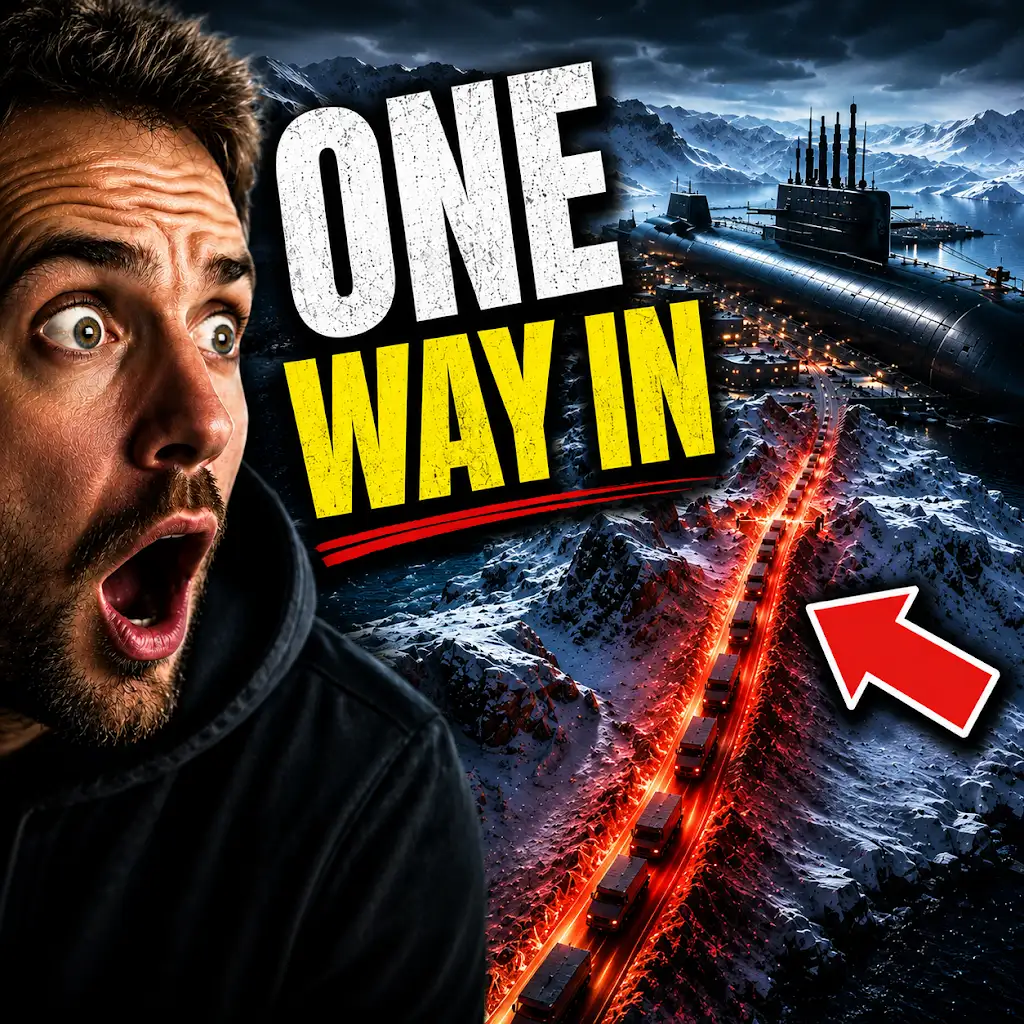
Russia’s Nuclear Submarines Depend on This Arctic Lifeline
FAQs

What is the current situation between Russia and Ukraine in the Arctic?
The current situation between Russia and Ukraine in the Arctic is tense due to Russia’s military buildup in the region. This has raised concerns about potential conflict and its impact on Ukraine.
How has Russia’s Arctic forces affected the ongoing war in Ukraine?
Russia’s Arctic forces have heightened tensions in the region and raised concerns about potential military escalation. The buildup of Russian forces in the Arctic has added to the existing conflict between Russia and Ukraine.
What are the potential implications of Russia’s Arctic forces on the Ukraine war?
The potential implications of Russia’s Arctic forces on the Ukraine war include increased military pressure on Ukraine, heightened regional tensions, and the potential for a broader conflict involving other countries.
What is the international community’s response to Russia’s Arctic forces and their impact on Ukraine?
The international community has expressed concern over Russia’s military buildup in the Arctic and its potential impact on the Ukraine war. There have been calls for diplomatic efforts to de-escalate tensions and prevent further conflict.
How does the situation between Russia and Ukraine in the Arctic impact global geopolitics?
The situation between Russia and Ukraine in the Arctic has implications for global geopolitics, as it adds to existing tensions between Russia and Western countries. It also raises concerns about the security and stability of the Arctic region.