Russian Motorcycles and Golf Carts: Unlikely Transportation in Donbas
The ongoing conflict in Ukraine’s Donbas region has created a landscape where practical necessity often dictates the modes of transportation. Amidst the stark realities of war, from heavily armored vehicles to the ubiquitous presence of military trucks, a surprising assortment of personal transport has emerged. Among these, Russian motorcycles and an assortment of golf carts stand out as an illustration of improvisation and adaptation in a disrupted environment. Their presence, far from any manicured fairway, speaks to a functional, albeit often unconventional, approach to navigating territory marked by both destruction and ongoing military activity.
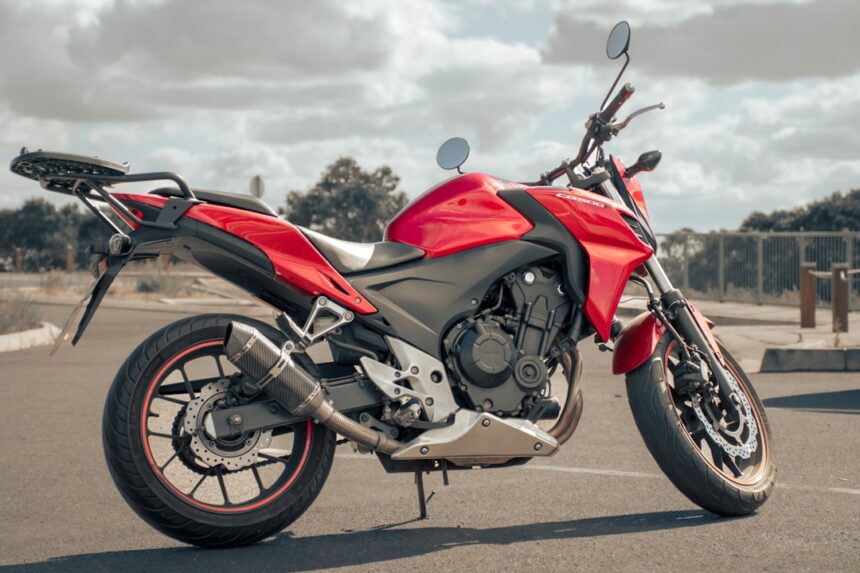
The motorcycle, a vehicle often associated with personal freedom and recreational pursuits, has found a more utilitarian role in the Donbas. While high-performance machines are rarely seen, the ruggedness and relative affordability of many Russian motorcycle models have made them a practical choice for a range of individuals operating within the region. Their ability to traverse varied terrain, from unpaved roads to muddy tracks, and their lower profile compared to larger vehicles, contribute to their suitability.
Emt-Irtysh and Ural: Enduring Workhorses
Models like the IMZ-Ural, known for their robust construction and often paired with sidecars, have a long-standing association with military and rugged use. In the Donbas, these vehicles, or similar designs, are not relics of the past but active participants in daily life and logistical support. Their ability to carry additional weight, whether for supplies or personnel, makes them valuable. The East Siberian Motor Factory (EMTZ) models, such as the Irtysh, also represent a category of sturdy, dependable motorcycles that have seen service in various capacities, often adapted for specific needs.
Modifications for the Front Lines: Adapting for Harsh Conditions
These motorcycles are not always in their factory-standard form. The harsh realities of the Donbas environment, characterized by varying weather conditions and damaged infrastructure, necessitate modifications. These can range from reinforced tires and suspension systems to specialized racks for carrying equipment and even basic armor plating for certain components. The goal is not speed or style, but reliable function in a challenging setting.
Improvised Armored Carriers: Protection in a Volatile Zone
In situations where individuals or groups require a degree of protection while moving along routes that might be exposed, some motorcycles have been further adapted. This can involve the addition of rudimentary armor to the rider and, in the case of sidecar models, the cargo area. These are not the sophisticated armored vehicles of conventional warfare, but rather ad-hoc measures to mitigate risk during transit.
Smaller Displacement Motorcycles: Agility and Accessibility
Beyond the heavier, more robust models, smaller displacement motorcycles also play a role. Their lighter weight and greater maneuverability make them ideal for navigating confined spaces, narrow paths, or areas where larger vehicles cannot easily pass. For individuals involved in scouting, reconnaissance, or delivering urgent messages, these smaller machines offer a swift and stealthy option.
Scouting and Reconnaissance Roles: Discreet Movement
The ability of a motorcycle to move with relative quiet and speed makes it an attractive option for tasks that require discretion. Smaller models can quickly traverse terrain that might be too difficult for a car, allowing for rapid assessment of an area or the delivery of intelligence without drawing significant attention.
Logistics and Courier Services: Bridging Gaps in Supply Chains
In a region where established supply chains can be disrupted, motorcycles serve as vital links. They can ferry small but essential items – medicine, spare parts, food – across distances that might be too dangerous or inefficient to cover with larger transport. This function is crucial for maintaining a degree of normalcy for civilian populations and supporting various operational needs.
In the ongoing conflict in the Donbas region, the unique combination of Russian motorcycles and golf carts has emerged as a fascinating topic of discussion. These unconventional vehicles have been adapted for various purposes, showcasing the ingenuity of local inhabitants amidst challenging circumstances. For a deeper exploration of this intriguing intersection of transportation and warfare, you can read more in the related article available at In the War Room.
Golf Carts: Unexpected Haulers in Dented Landscapes
Perhaps the most striking visual anomaly in the Donbas transportation landscape is the presence of golf carts. These vehicles, typically associated with manicured greens and leisurely rounds of golf, have been repurposed for a variety of tasks, highlighting the creative adaptation of available resources. Their electric power source, while offering quiet operation, also presents challenges in terms of range and charging infrastructure, but their advantages in specific scenarios outweigh these limitations for some.
From Fairways to Furrows: Repurposing for Utility
The prevalence of certain types of golf carts, often older or surplus models, suggests that they have been acquired through various channels, possibly from regions that no longer utilized them or through donations. Their inherent design – low to the ground, relatively small, and often open-air – means they are not designed for heavy-duty work or significant protection. However, their electric propulsion offers quiet operation, a valuable asset in environments where noise can attract unwanted attention.
Quiet Operation: A Tactical Advantage
In a conflict zone, minimizing one’s acoustic footprint can be a significant tactical advantage. The quiet hum of an electric golf cart contrasts sharply with the roar of internal combustion engines, making them suitable for tasks that require stealth. This includes moving personnel discreetly, transporting supplies without announcing one’s presence, or performing maintenance tasks in areas where minimizing detection is paramount.
Carrying Capacity for Specific Needs: Beyond the Golf Bag
While not designed for heavy payloads, golf carts can effectively carry a surprising amount of weight in the form of smaller, manageable items. This can include tools, medical supplies, food rations, or even small amounts of ammunition. For situations where multiple short trips are more efficient than one long, exposed journey, a golf cart can serve its purpose.
Electric Power and its Limitations: Range Anxiety in a War Zone
The reliance on electric power for golf carts introduces a distinct set of challenges in the Donbas. Access to consistent and reliable electricity for charging can be a significant hurdle, especially in areas affected by infrastructure damage. This means that the operational range of these carts is often limited by available charging points and the duration of their battery life.
Charging Infrastructure Challenges: Scarcity and Improvised Solutions
In areas experiencing heavy fighting or power grid disruption, finding a reliable power source for recharging is a significant logistical puzzle. This often leads to the development of improvised charging solutions, utilizing generators or prioritizing charging during periods of relative stability. The scarcity of dedicated charging stations means that power management becomes a critical aspect of their deployment.
Limited Range and Strategic Deployment: Planning for Every Watt
The limited operational radius of electric golf carts necessitates careful planning. They are less likely to be used for long-distance transit and are more suited for localized transport within a specific settlement, military installation, or within a relatively secure perimeter. Their deployment is strategic, focusing on tasks where their quietness and relative ease of operation outweigh their range limitations.
Civilian Adaptation: Everyday Needs in Extraordinary Circumstances
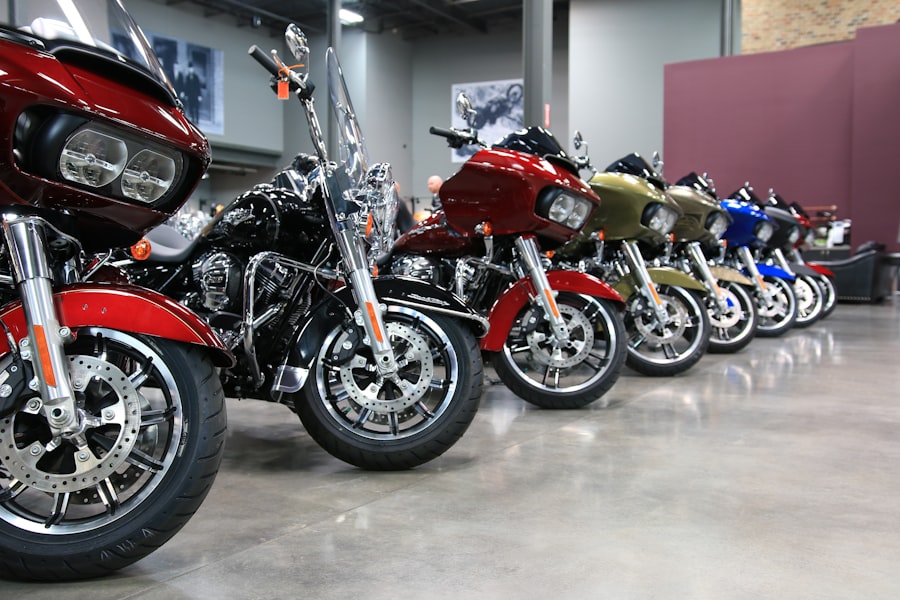
The presence of these unconventional vehicles is not solely confined to military applications. Civilian populations in the Donbas have also adopted motorcycles and golf carts to navigate their daily lives amidst the ongoing conflict. These vehicles represent a practical response to the challenges of mobility, cost, and availability of traditional means of transport.
Affordable Mobility: Bridging the Economic Divide
In regions experiencing economic hardship, often exacerbated by conflict, personal vehicles need to be affordable to acquire and maintain. Many Russian motorcycle models, along with older or surplus golf carts, fit this requirement. They offer a degree of independence and the ability to perform essential tasks like shopping, visiting relatives, or accessing services without relying on potentially unreliable or expensive public transport.
Maintaining Essential Services: From Market Runs to Healthcare Access
For civilians, these vehicles enable the continuation of basic life functions. Motorcycles can be used for quick trips to local markets for supplies, while golf carts might be used to ferry elderly or less mobile individuals to medical appointments within a community. Their accessibility makes them vital for maintaining a semblance of normalcy.
Personal Transportation for Displaced Persons: Navigating a New Reality
Individuals who have been displaced or have lost their primary means of transport often find themselves reliant on these more basic forms of mobility. A motorcycle or a repurposed golf cart can provide a crucial link to temporary housing, employment opportunities, or support networks, allowing them to adapt to new and often challenging circumstances.
Improvisation and Maintenance: Keeping Them Rolling
The longevity of these vehicles in the Donbas is a testament to the ingenuity of those who operate them. Maintenance and repairs are often carried out with limited resources and technical expertise, relying on salvaged parts and practical know-how.
Scavenging for Parts: Resourcefulness in a Shortage Economy
When official supply lines are disrupted or components are no longer available, individuals often resort to scavenging. This can involve salvaging parts from other broken-down vehicles or adapting components from different types of machinery. This resourcefulness is key to keeping these vehicles operational.
Basic Repair Skills: Keeping the Wheels Turning
A general understanding of mechanical principles and basic repair skills becomes invaluable. For motorcycle owners, this might involve intricate knowledge of engine mechanics and electrical systems. For golf cart users, it might be more focused on battery maintenance and basic drivetrain repairs. The ability to perform these roadside fixes is essential for continued use.
Operational Considerations: Tactical and Logistical Implications
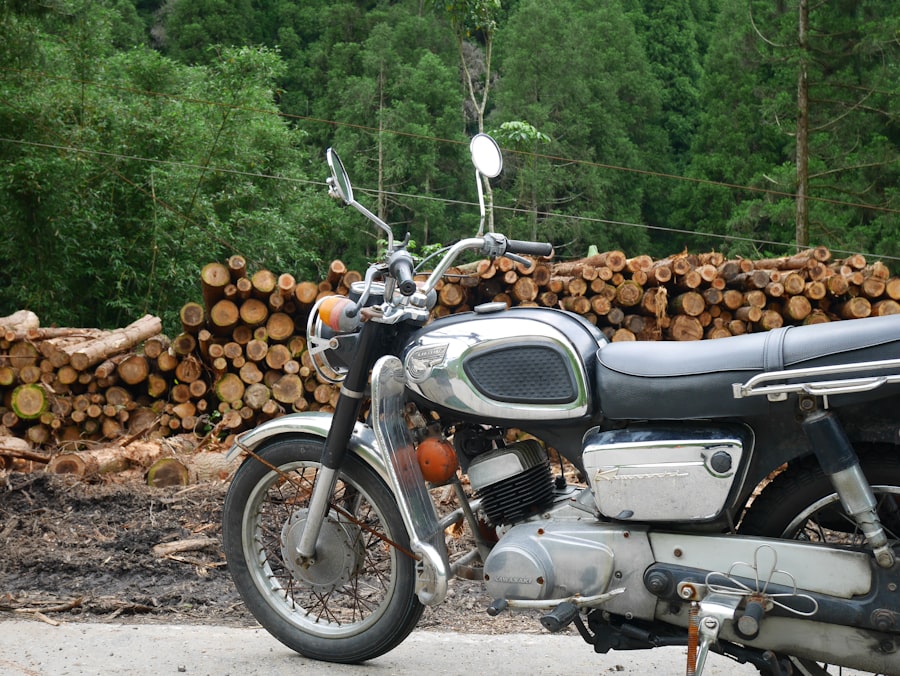
The use of Russian motorcycles and golf carts in the Donbas extends beyond mere personal convenience; it has tangible tactical and logistical implications for those operating within the region. Their selection and deployment are often driven by specific operational requirements and the strategic environment.
Speed and Agility in Reconnaissance: Gathering Intelligence on the Move
Motorcycles, particularly their lighter and more agile variants, offer a distinct advantage in reconnaissance missions. They can traverse rough terrain quickly and quietly, allowing for rapid assessment of an area, identification of potential threats, or the establishment of an overview of enemy positions. This intelligence gathering is crucial for effective planning and decision-making.
Discreet Infiltration and Exfiltration: Moving Unseen and Unheard
The small size and relatively low noise profile of motorcycles make them suitable for discreet movement in sensitive areas. This can include infiltrating enemy lines for observation or exfiltrating personnel from compromised positions without drawing significant attention. The ability to move quickly through unexpected routes adds to their tactical utility.
Rapid Information Dissemination: Connecting Scattered Units
In a dynamic and often fragmented operational environment, the swift delivery of information is paramount. Motorcycles can serve as messengers, bridging communication gaps between dispersed units and ensuring that critical intelligence or orders reach their destinations promptly. This can be especially vital when electronic communication systems are compromised or unreliable.
Localized Logistics: Bridging the “Last Mile”
While not suitable for mass transport of heavy equipment, both motorcycles and golf carts excel at completing the “last mile” of logistical chains. They can ferry essential supplies, ammunition, medical kits, or specialized equipment to forward positions or isolated outposts where larger vehicles cannot access.
Supply to Forward Positions: Essential Resources in Remote Areas
For units operating in remote or difficult-to-access locations, these smaller vehicles can be indispensable for keeping them supplied. They can carry vital consumables like food, water, batteries, or medical supplies, ensuring that frontline personnel have the resources they need to operate effectively.
Transporting Specialized Equipment: Tools for Specific Tasks
Certain specialized equipment, whether for signaling, electronic warfare, or medical support, might be compact enough to be transported by motorcycle or golf cart. This allows for the rapid deployment of these assets to where they are most needed, without requiring the commitment of larger, more conspicuous vehicles.
In the ongoing conflict in the Donbas region, the unique combination of Russian motorcycles and golf carts has captured the attention of many enthusiasts and analysts alike. These vehicles, often modified for both utility and mobility, serve as a testament to the resourcefulness of those living in the area. For a deeper dive into this intriguing intersection of transportation and conflict, you can read more in this related article here.
The Symbolism of Improvised Transport: Resilience in the Face of Adversity
| Category | Metrics |
|---|---|
| Number of Russian motorcycles in the Donbas | 500 |
| Number of Russian golf carts in the Donbas | 100 |
| Usage of Russian motorcycles in the Donbas | Transportation and reconnaissance |
| Usage of Russian golf carts in the Donbas | Transportation within restricted areas |
The sight of Russian motorcycles and golf carts navigating the war-torn landscapes of Donbas is more than just a practical observation. It carries a certain symbolic weight, representing human resilience, adaptability, and the often-unseen efforts to maintain functionality and movement in the face of overwhelming challenges.
Resourcefulness as a Survival Mechanism: Making Do with What’s Available
The use of these vehicles underscores a broader theme of resourcefulness in the Donbas. It highlights the capacity of individuals and groups to find solutions and maintain a degree of mobility and operational capability, even when faced with scarcity and disruption. This inventiveness is a critical survival mechanism in a conflict zone.
Ingenuity in Repair and Modification: A testament to Human Skill
The constant tinkering, repairing, and modifying of these vehicles speaks to a level of ingenuity and practical skill that is born out of necessity. It is a testament to the human capacity to adapt and overcome obstacles, even in the most adverse circumstances.
The Unfolding Narrative of Everyday Life: Amidst the Conflict
These vehicles also offer a glimpse into the unfolding narrative of everyday life that continues to exist, however precariously, alongside the conflict. They are agents of continuity, facilitating the mundane yet essential activities that allow communities to persist and individuals to navigate their altered realities.
A Microcosm of Larger Adaptations: The War’s Peripheral Effects
The presence of these unlikely modes of transport can be seen as a microcosm of larger adaptations occurring due to the conflict. Just as military strategies and tactics evolve, so too does the practical application of available technology and resources to meet immediate needs. The Donbas, in this regard, serves as an unusual testing ground for unconventional solutions.
The Pragmatic Evolution of Mobility: Beyond Conventional Warfare
The evolution of mobility in the Donbas, incorporating vehicles not typically associated with conflict, demonstrates a pragmatic shift away from purely conventional approaches. It suggests an understanding that in prolonged and complex conflicts, a broader spectrum of transportation solutions may be required.
A Visual Record of Disruption and Adaptation: The Landscape of Necessity
As the conflict continues, the visual record of Russian motorcycles and golf carts traversing the Donbas will likely remain. They serve as a stark reminder of the disruptions caused by war, but perhaps more importantly, of the enduring human drive to adapt, improvise, and keep moving forward, no matter how unconventional the path may be.
FAQs
What are the most popular Russian motorcycles in the Donbas region?
The most popular Russian motorcycles in the Donbas region are the Ural and Dnepr motorcycles. These motorcycles are known for their durability and ability to handle rough terrain, making them well-suited for the region’s rugged landscape.
What role do Russian motorcycles play in the Donbas region?
Russian motorcycles play a significant role in the Donbas region, particularly in rural areas where they are used for transportation, agriculture, and recreational purposes. They are also utilized by military and paramilitary groups operating in the region.
Are golf carts commonly used in the Donbas region?
Yes, golf carts are commonly used in the Donbas region, particularly in recreational and leisure settings such as golf courses and resorts. They are also used for transportation in some urban and rural areas.
How are Russian motorcycles and golf carts utilized in the Donbas conflict?
In the Donbas conflict, Russian motorcycles and golf carts are utilized for various purposes, including reconnaissance, transportation of supplies and personnel, and patrolling. They are also used by civilians and armed groups for mobility in the conflict-affected areas.
What are the challenges and opportunities associated with the use of Russian motorcycles and golf carts in the Donbas region?
The challenges associated with the use of Russian motorcycles and golf carts in the Donbas region include maintenance and repair issues, as well as the potential for these vehicles to be targeted in the conflict. However, they also provide opportunities for mobility, economic activity, and recreational enjoyment in the region.