The Arctic region, characterized by its unique ecosystems and climate, has become a focal point for scientific research and environmental monitoring. As climate change accelerates, the Arctic is experiencing profound transformations, including melting ice caps, shifting wildlife patterns, and changing weather systems. Monitoring these changes is crucial not only for understanding the local environment but also for assessing global climate trends.
The data collected through Arctic monitoring can inform policy decisions, guide conservation efforts, and enhance preparedness for natural disasters. Furthermore, the geopolitical significance of the Arctic has increased in recent years, with nations vying for control over its resources and shipping routes. This has underscored the need for comprehensive monitoring to ensure sustainable development and to protect the fragile ecosystems that exist in this region.
By employing advanced technologies and methodologies, stakeholders can gain insights into the ongoing changes in the Arctic, which is vital for both environmental stewardship and international relations.
Key Takeaways
- Arctic monitoring is crucial for environmental protection and geopolitical interests.
- Drones enhance Arctic operations by providing efficient, real-time data collection in harsh conditions.
- Russian Arctic drone use offers advantages like extended reach and reduced human risk.
- Operating drones in the Arctic faces challenges such as extreme weather and limited communication.
- Future developments in Arctic drones will impact international cooperation and environmental monitoring.
The Role of Drones in Arctic Operations
Drones have emerged as a transformative tool in Arctic operations, offering unprecedented capabilities for data collection and surveillance. Their ability to access remote and inhospitable areas makes them particularly valuable in a region where traditional methods of monitoring can be logistically challenging and costly.
This capability not only enhances the efficiency of monitoring efforts but also reduces risks associated with human-operated missions. Moreover, drones can be deployed rapidly and at a lower cost compared to manned aircraft or ground-based operations. This flexibility allows researchers and organizations to respond quickly to emerging situations, such as oil spills or wildlife migrations.
As a result, drones are becoming an integral part of Arctic research initiatives, enabling scientists to gather real-time data that can inform their understanding of the region’s dynamic environment.
Advantages of Using Drones in the Russian Arctic
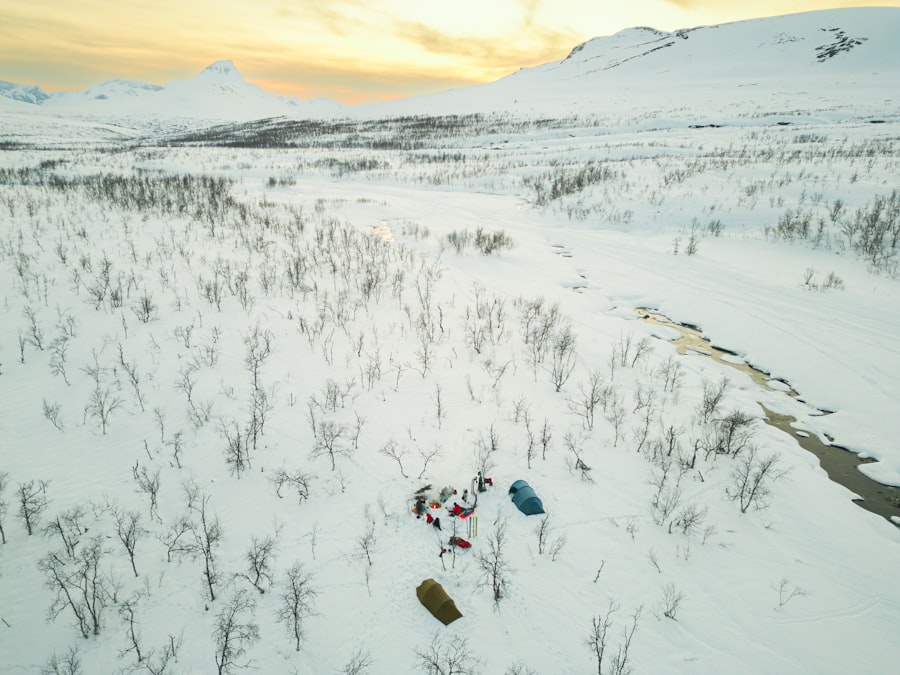
In the context of the Russian Arctic, the advantages of utilizing drones are particularly pronounced. The vast expanse of this region, coupled with its extreme weather conditions, presents significant challenges for traditional monitoring methods. Drones can cover large areas in a fraction of the time it would take conventional vehicles or aircraft, making them an efficient choice for surveying remote landscapes.
Their ability to operate in low temperatures and harsh weather conditions further enhances their utility in this challenging environment. Additionally, drones can be equipped with various sensors tailored to specific research needs, such as thermal imaging for wildlife studies or multispectral cameras for vegetation analysis. This versatility allows researchers to customize their data collection efforts based on the objectives of their studies.
Furthermore, the use of drones can minimize human impact on sensitive ecosystems, as they can gather data without disturbing wildlife or altering natural habitats.
Challenges of Operating Drones in the Arctic Environment
Despite their numerous advantages, operating drones in the Arctic environment is not without its challenges. The extreme cold can affect battery performance and reduce flight times, necessitating careful planning and preparation before missions. Additionally, unpredictable weather conditions, including strong winds and sudden storms, can pose risks to drone operations.
Operators must be adept at navigating these challenges to ensure successful missions while maintaining safety protocols. Another significant challenge is the limited availability of communication infrastructure in remote areas of the Arctic. Drones often rely on satellite communication for real-time data transmission and control, but signal loss can occur due to geographical barriers or adverse weather conditions.
This limitation can hinder the effectiveness of drone operations and necessitate pre-programmed flight paths that may not allow for real-time adjustments based on changing circumstances.
Technology and Equipment Used in Arctic Drone Operations
| Metric | Details |
|---|---|
| Number of Drones Deployed | Approximately 50 operational drones as of 2024 |
| Types of Drones Used | Reconnaissance UAVs, surveillance drones, and small attack drones |
| Operational Range | Up to 200 km in Arctic conditions |
| Primary Missions | Surveillance, reconnaissance, ice monitoring, and border patrol |
| Flight Duration | 4 to 8 hours depending on drone model and weather |
| Communication Systems | Satellite links and encrypted radio frequencies |
| Challenges Faced | Extreme cold, magnetic interference, limited daylight in winter |
| Recent Upgrades | Enhanced cold-weather battery technology and AI-based navigation |
The technology employed in Arctic drone operations has advanced significantly in recent years, enabling more effective data collection and analysis. Modern drones are equipped with sophisticated navigation systems that allow for precise positioning and autonomous flight capabilities. These features are particularly beneficial in the Arctic, where GPS signals may be weak or unreliable due to atmospheric conditions.
In addition to navigation technology, drones used in the Arctic often carry specialized equipment designed for environmental monitoring. For instance, LiDAR (Light Detection and Ranging) sensors can create detailed topographical maps of ice formations and terrain, while thermal cameras can detect temperature variations that indicate changes in wildlife behavior or habitat conditions. The integration of these technologies allows researchers to gather comprehensive datasets that enhance their understanding of the Arctic environment.
Environmental Impact of Drone Operations in the Arctic
While drones offer significant benefits for monitoring the Arctic environment, their operations also raise concerns about potential environmental impacts. The noise generated by drone flights can disturb wildlife, particularly sensitive species that rely on quiet habitats for breeding and feeding. Researchers must consider these factors when planning drone missions to minimize disturbances to local fauna.
Moreover, there is a risk of physical damage to fragile ecosystems if drones inadvertently crash or land in sensitive areas. To mitigate these risks, operators are encouraged to adhere to strict guidelines regarding flight paths and landing zones. Additionally, ongoing research into the ecological effects of drone operations will be essential for developing best practices that balance technological advancement with environmental conservation.
Surveillance and Monitoring Capabilities of Arctic Drones
The surveillance and monitoring capabilities of drones in the Arctic are extensive and continue to evolve as technology advances. Drones can be deployed for various purposes, including wildlife tracking, ice monitoring, and pollution detection. Their ability to capture high-resolution imagery allows researchers to monitor changes over time, providing valuable insights into environmental trends.
Furthermore, drones equipped with advanced sensors can detect pollutants or changes in water quality that may indicate larger environmental issues. This capability is particularly important in the context of increasing industrial activity in the Arctic region, where oil drilling and shipping pose potential threats to marine ecosystems. By utilizing drones for surveillance, stakeholders can proactively address environmental concerns before they escalate into more significant problems.
Coordination and Collaboration in Arctic Drone Operations
Effective coordination and collaboration among various stakeholders are essential for maximizing the benefits of drone operations in the Arctic. Government agencies, research institutions, and indigenous communities all have valuable insights and expertise that can enhance monitoring efforts. By working together, these groups can share data, resources, and best practices that improve overall operational efficiency.
Additionally, international collaboration is crucial given the transboundary nature of many environmental issues in the Arctic. Joint initiatives involving multiple countries can facilitate comprehensive monitoring efforts that address shared concerns such as climate change impacts and resource management. Establishing frameworks for cooperation will be vital as drone technology continues to play an increasingly prominent role in Arctic operations.
Future Developments in Russian Arctic Drone Operations
Looking ahead, future developments in Russian Arctic drone operations are likely to focus on enhancing capabilities and expanding applications. As technology continues to advance, drones may become even more autonomous, allowing for longer missions with minimal human intervention. This could enable researchers to gather data from previously inaccessible areas of the Arctic.
Moreover, advancements in artificial intelligence could enhance data analysis capabilities, allowing for real-time processing of information collected during drone flights. This would enable quicker responses to emerging environmental issues and improve decision-making processes related to resource management and conservation efforts. As Russia continues to invest in its Arctic infrastructure and research initiatives, drones will undoubtedly play a pivotal role in shaping the future of Arctic monitoring.
International Implications of Russian Arctic Drone Operations
The use of drones by Russia in the Arctic carries significant international implications as nations navigate complex geopolitical dynamics in this strategically important region. As Russia expands its drone capabilities for surveillance and resource management, other countries may feel compelled to enhance their own monitoring efforts to maintain a competitive edge. This could lead to an arms race of sorts in terms of technological advancements and operational capabilities.
Additionally, Russia’s drone operations may raise concerns among neighboring countries regarding sovereignty and territorial claims in the Arctic. As nations seek to assert their rights over maritime boundaries and resource-rich areas, effective monitoring will be essential for ensuring compliance with international agreements such as the United Nations Convention on the Law of the Sea (UNCLOS). Collaborative approaches that prioritize transparency and communication will be crucial for mitigating tensions and fostering cooperation among Arctic nations.
The Future of Arctic Monitoring with Drones
In conclusion, drones represent a transformative force in Arctic monitoring efforts, offering unparalleled capabilities for data collection and surveillance in one of the world’s most challenging environments. As climate change continues to reshape the Arctic landscape, the importance of effective monitoring cannot be overstated. Drones provide a means to gather critical information that informs both scientific research and policy decisions aimed at protecting this fragile region.
Looking forward, continued advancements in drone technology will likely enhance their effectiveness while addressing existing challenges related to environmental impact and operational limitations. By fostering collaboration among stakeholders and prioritizing sustainable practices, the future of Arctic monitoring with drones holds great promise for understanding and preserving this vital part of our planet.
Recent developments in Russian Arctic drone operations have raised concerns among military analysts regarding the strategic implications for the region.