Reza Khan’s ascent to the Peacock Throne was not simply a matter of military might. While his control over the Cassian Brigades undoubtedly provided the foundation for his power, his long-term consolidation and transformation of Iran hinged significantly on his skillful and often ruthless bureaucratic maneuvers. These were not always overt displays of authority, but rather a series of calculated adjustments, reorganizations, and appointments designed to centralize power, modernize institutions, and ultimately cement his dynasty’s legitimacy.
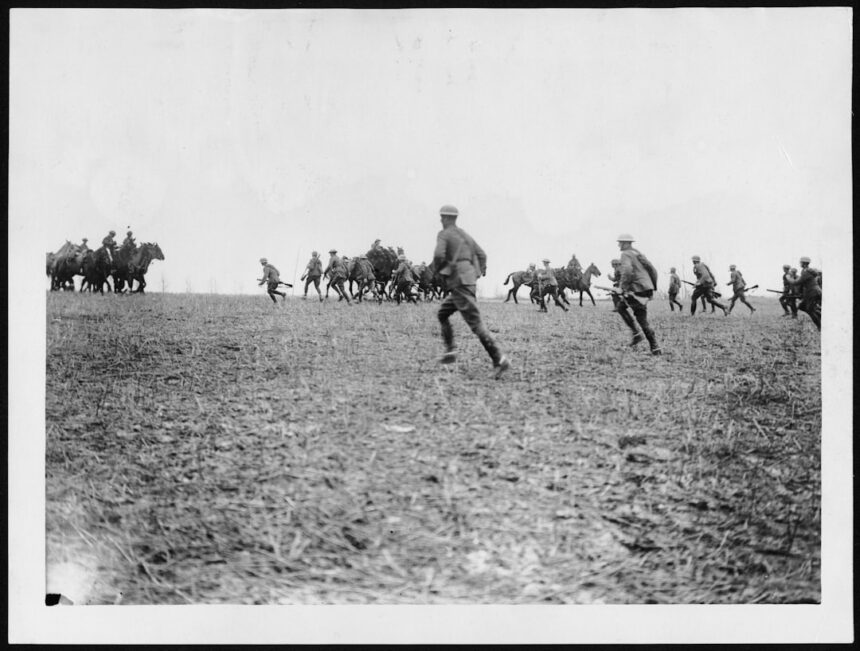
Reza Khan’s initial incursions into state control were intimately tied to the military. The Cossack Brigade, a force trained and often led by Russian officers, became his primary instrument. However, he recognized that true power lay not merely in commanding troops, but in controlling the entire security apparatus, ensuring loyalty, and eliminating potential rival power centers.
Subordinating the Cossack Brigade
The Cossack Brigade, while his initial strength, was also a potential threat due to its foreign influence and inherent autonomy. Reza Khan systematically worked to Iranianize its leadership and integrate it more fully into a national military structure. This involved a gradual process of assuming command, replacing foreign officers with trusted Iranian cadres, and shifting its operational focus from internal policing to national defense and the projection of state power.
Formation of a National Gendarmerie and National Army
Beyond the Cossack Brigade, Reza Khan recognized the need for a more unified and centrally controlled military. He orchestrated the creation of a National Gendarmerie, intended to police the countryside and exert state authority beyond major urban centers, and a National Army, designed for more conventional warfare and internal security. This dual approach allowed him to extend the reach of the state and dismantle the power bases of local warlords and tribal chieftains who had historically operated with significant autonomy. The recruitment, training, and equipping of these forces were meticulously managed to ensure loyalty to the central government and, by extension, to Reza Khan himself.
Creation of a Unified Security Intelligence Network
A modern state requires an effective intelligence apparatus. Reza Khan understood that to monitor dissent, identify threats, and anticipate challenges, a cohesive intelligence network was crucial. He established and expanded intelligence agencies, often with clandestine operations, tasked with gathering information on political opponents, potential coup plotters, and any groups that could undermine his authority. This network, while operating in the shadows, was a significant component of his bureaucratic control, providing him with the knowledge to preemptively neutralize threats.
Reza Shah Pahlavi’s reign was marked by significant bureaucratic maneuvers that aimed to modernize Iran and consolidate power. His efforts to centralize authority often involved the restructuring of governmental institutions and the implementation of policies that sought to diminish the influence of traditional power structures. For a deeper understanding of these bureaucratic strategies and their implications on Iranian society, you can read a related article that explores the complexities of his administration at this link.
Centralization of Administrative Power
The Qajar dynasty, which Reza Khan overthrew, was characterized by a decentralized and often corrupt administrative system. Local governors and powerful families wielded considerable influence, and the central government struggled to implement its policies effectively. Reza Khan’s paramount objective was to dismantle this fragmentation and establish a highly centralized administrative structure subservient to his will.
Eradication of Tribal Autonomy
Tribal confederations, with their own leadership, legal systems, and tax collection mechanisms, represented a significant challenge to national unity and centralized governance. Reza Khan implemented a policy of forced settlement and the dismantling of tribal structures. This involved direct military intervention, administrative resettlement programs, and the imposition of state-controlled education and legal systems. The goal was to turn nomadic and semi-nomadic populations into sedentary citizens subject to the same laws and administrative oversight as other Iranians.
Reorganization of Provincial and Local Governance
The old system of provincial governorships, often held by hereditary rulers or powerful local elites, was dismantled. Reza Khan appointed loyalists, often individuals with military or administrative backgrounds who owed their positions directly to him, as governors. These appointments were crucial for ensuring the efficient implementation of his policies and for maintaining direct control over the provinces. He also reorganized prefectures and local administrative units to ensure tighter oversight from the central government.
Standardization of Laws and Legal Institutions
The proliferation of local customs, religious interpretations, and varied legal practices had contributed to administrative complexity and inequality. Reza Khan initiated a comprehensive program of legal reform aimed at creating a unified and modern legal code based on European models. This involved the establishment of secular courts, the codification of civil and criminal law, and the creation of a nationwide legal bureaucracy. This standardization served to erode the autonomy of clerical courts and further embed state control over the lives of citizens.
Economic Modernization and State Control
Reza Khan viewed economic development as not only essential for Iran’s modernization but also as a vital tool for strengthening the state and financing his ambitious projects. His approach was characterized by a significant degree of state intervention and control, with a focus on infrastructure development and the establishment of key industries under government purview.
Development of State-Owned Enterprises
Rather than relying solely on private enterprise, which was often seen as unreliable or susceptible to foreign influence, Reza Khan established numerous state-owned enterprises. These enterprises, spanning industries like textiles, mining, and manufacturing, were designed to produce essential goods, create employment, and generate revenue for the state. The management and operation of these entities were tightly controlled, ensuring that their objectives aligned with the national development agenda as defined by the regime.
Infrastructure Development as a State Project
The construction of roads, railways, and telegraph lines was a cornerstone of Reza Khan’s modernization efforts. These projects were not merely about facilitating trade; they were also about enabling rapid troop deployment, extending administrative reach, and binding the nation together physically. The state took direct responsibility for planning, financing, and executing these massive infrastructure undertakings, often employing large numbers of workers and exerting significant control over labor and resources.
Fiscal Reforms and Revenue Generation
To fund his ambitious programs, Reza Khan implemented significant fiscal reforms. This involved streamlining tax collection, combating corruption that had plagued previous administrations, and establishing institutions to manage state finances more effectively. The creation of a national bank and the consolidation of various revenue streams under central government control were critical steps in this process, allowing the state to directly control and allocate substantial financial resources.
Education and Cultural Engineering

Reza Khan understood that true societal transformation required control over the hearts and minds of his people. He saw education and cultural institutions as powerful levers for shaping national identity, promoting secularism, and fostering loyalty to his regime and the nascent Pahlavi dynasty.
Secularization of the Education System
The traditional educational landscape in Iran was heavily influenced by religious institutions. Reza Khan systematically moved to secularize education, establishing a nationwide system of public schools with curricula that emphasized national history, Persian language and literature, and modern science. This move aimed to reduce the influence of the clergy, instill a sense of national rather than purely religious identity, and equip a new generation with skills deemed necessary for modernization.
Establishment of State-Controlled Media and Propaganda
To disseminate his vision and legitimize his rule, Reza Khan invested in state-controlled media. Newspapers, radio, and later film became crucial instruments for promoting national unity, celebrating Iranian heritage, and highlighting the achievements of his regime. Propaganda efforts were carefully managed to project an image of strength, modernity, and progress, while also subtly discouraging dissent and fostering a cult of personality around the Shah.
Promotion of a Unified Iranian Identity
Reza Khan actively sought to forge a singular Iranian national identity, moving away from regional or ethnic affiliations. This involved promoting the Persian language as the sole official language, emphasizing a pre-Islamic Persian heritage, and discouraging the use of minority languages in public life. Cultural events, national festivals, and the promotion of a shared history were all part of a deliberate effort to create a cohesive national narrative under the direct patronage of the state.
Reza Shah Pahlavi’s reign was marked by significant bureaucratic maneuvers that aimed to modernize Iran and consolidate power. His efforts to centralize authority often led to conflicts with traditional structures and local leaders. For a deeper understanding of these dynamics and their implications on Iranian society, you can explore a related article that discusses the intricate political landscape during his rule. This article provides valuable insights into how bureaucratic strategies shaped the course of modern Iran, which you can find at this link.
Personnel Management and Loyalty Cultivation
| Year | Bureaucratic Maneuver |
|---|---|
| 1925 | Establishment of the Pahlavi dynasty |
| 1926 | Introduction of a new legal code |
| 1928 | Creation of the National Consultative Assembly |
| 1935 | Officially changed the name of the country from Persia to Iran |
| 1941 | Forced abdication and exile |
The success of any bureaucratic enterprise hinges on the individuals who staff it. Reza Khan was acutely aware of the need for personnel who were not only competent but also loyal to him and his vision. His approach to appointments, promotions, and rewards was designed to cultivate a cadre of officials dedicated to the Pahlavi regime.
Patronage Networks and Key Appointments
Reza Khan built his power base by strategically placing loyalists in key positions within the military, bureaucracy, and judiciary. This patronage system ensured that individuals owed their advancement directly to him, fostering a sense of obligation and allegiance. These appointments were not always based on merit alone, but on a careful assessment of an individual’s trustworthiness and potential to serve the regime’s interests.
Creation of a Professional and Loyal Civil Service
Beyond simply appointing individuals, Reza Khan sought to create a more professional and disciplined civil service. Standardization of procedures, formal training programs, and the establishment of clear lines of authority were intended to transform a historically fluid and often inefficient bureaucracy into a more effective instrument of state policy. This also served to reduce the reliance on informal networks of influence and personal connections that had characterized earlier administrations.
Loyalty Oaths and Performance Reviews
While direct evidence can be scarce for some of these more covert practices, it is evident that loyalty was a paramount consideration in the Pahlavi administration. The system of promotion and reward was clearly linked to perceived loyalty and the successful execution of directives. Periodic performance reviews, even if informal, would have served to identify those who were not meeting expectations or who might be developing independent power bases. The pervasive expectation of absolute loyalty to the Shah was a defining characteristic of the bureaucracy he cultivated.
In conclusion, Reza Shah Pahlavi’s reign was not merely a reign of military conquest. It was a meticulously constructed edifice, built through a series of calculated bureaucratic maneuvers. From consolidating control over the instruments of force to remodeling the nation’s economic and cultural landscapes, Reza Khan demonstrated a profound understanding of how to wield administrative power to achieve his vision of a modern, centralized, and unified Iran. His legacy, therefore, is inextricably linked to the intricate web of institutions and personnel he so assiduously wove.
FAQs
1. Who was Reza Shah Pahlavi?
Reza Shah Pahlavi was the founder of the Pahlavi dynasty in Iran and served as the country’s monarch from 1925 to 1941. He is known for his efforts to modernize Iran and reduce the influence of foreign powers in the country.
2. What were some of Reza Shah Pahlavi’s bureaucratic maneuvers?
Reza Shah Pahlavi implemented various bureaucratic maneuvers during his reign, including centralizing power, modernizing the military, and implementing administrative reforms to streamline government operations.
3. How did Reza Shah Pahlavi’s bureaucratic maneuvers impact Iran?
Reza Shah Pahlavi’s bureaucratic maneuvers had a significant impact on Iran, leading to increased centralization of power, modernization of government institutions, and a reduction in the influence of traditional power structures such as tribal leaders and religious figures.
4. What were some criticisms of Reza Shah Pahlavi’s bureaucratic maneuvers?
Critics of Reza Shah Pahlavi’s bureaucratic maneuvers argued that they led to increased authoritarianism, limited political freedoms, and a lack of representation for various ethnic and religious groups within Iran.
5. What was the legacy of Reza Shah Pahlavi’s bureaucratic maneuvers?
The legacy of Reza Shah Pahlavi’s bureaucratic maneuvers includes the modernization of Iran’s infrastructure and institutions, as well as a lasting impact on the country’s political and social structures. However, his authoritarian approach also contributed to ongoing tensions and challenges within Iranian society.