Operation Eagle Claw, a clandestine mission undertaken by the United States in April 1980, stands as a pivotal, albeit ultimately unsuccessful, event that profoundly reshaped the landscape of special operations. While the operation itself failed to achieve its primary objective – the rescue of 52 American hostages held in the U.S. Embassy in Tehran – its fallout catalyzed critical introspection and reform within the American military, particularly within the nascent and evolving realm of special operations forces. The lessons learned, though born of tragedy and disappointment, provided the essential impetus for the creation of more specialized units, enhanced training methodologies, and a reevaluation of joint-service capabilities that continue to influence modern special operations doctrine.
The seizure of the U.S. Embassy in Tehran on November 4, 1979, by Iranian students and militants, followed by the subsequent holding of 52 American diplomats and citizens hostage, plunged the United States into a deep diplomatic and psychological crisis. This unprecedented act of aggression against American sovereignty and personnel demanded a swift and decisive response. The initial diplomatic avenues, while pursued rigorously, proved insufficient. The international community, while largely condemning the actions, offered limited practical assistance in resolving the standoff. This created a vacuum where military intervention, despite its inherent risks and complexities, began to emerge as a more viable, albeit last-resort, option.
The Diplomatic Stalemate and Growing Frustration
The early months of the hostage crisis were characterized by a flurry of diplomatic efforts. The United States engaged in extensive negotiations through intermediaries, appealing to international law and humanitarian concerns. The United Nations Security Council passed resolutions demanding the release of the hostages, but these were largely ignored by the Iranian government. President Jimmy Carter, under immense pressure from both the American public and his administration, found himself in an increasingly untenable position. The perception of American impotence in the face of this affront fueled a growing sense of frustration and a desire for more assertive action.
The Dawn of Military Options: The Shadow of Intervention
As diplomatic avenues became increasingly exhausted, the military option, though fraught with peril, began to gain traction. The idea of a direct rescue mission, while daunting, represented a tangible way to address the humanitarian crisis and reassert American resolve. However, the complexities of executing such an operation in a hostile and unfamiliar environment, coupled with the lack of established protocols for inter-service cooperation in such high-stakes scenarios, presented significant challenges. This period marked a crucial juncture where the need for specialized capabilities and integrated planning became starkly apparent.
Operation Eagle Claw, the ill-fated mission to rescue American hostages in Iran in 1980, marked a pivotal moment in the evolution of special operations forces in the United States. The operation’s challenges and shortcomings led to significant reforms in training, planning, and inter-agency coordination for future missions. For a deeper understanding of how this operation reshaped the landscape of special operations, you can read a related article on the subject at In the War Room.
Operation Eagle Claw: The Ambitions and the Flaws of a Bold Undertaking
Operation Eagle Claw was conceived as a daring attempt to overcome the diplomatic impasse and secure the release of the hostages. It was designed to be a swift, surgical strike involving a complex, multi-stage insertion of special forces into Iran. The plan, however, was plagued by inherent weaknesses from its inception, stemming from insufficient intelligence, inadequate training for the specific environment, and a lack of seamless integration between the different service components involved. The execution of the operation, marked by a series of cascading failures, ultimately led to its catastrophic termination.
The Strategic Imperative: Rescuing American Lives
The overarching goal of Operation Eagle Claw was unequivocally the safe return of the 52 American hostages. The moral and political imperative to act weighed heavily on the minds of decision-makers. The prolonged suffering of the hostages and their families, coupled with the perceived humiliation of the United States, created a powerful impetus for a rescue attempt. The belief was that a successful operation would not only save lives but also restore American prestige on the global stage.
The Tactical Blueprint: A Multi-faceted Approach
The tactical plan for Eagle Claw involved a multi-phased operation. It envisioned the insertion of an initial team by helicopter deep into Iran, followed by a ground movement to the U.S. Embassy. A secondary element would have involved Air Force C-130 aircraft landing at a remote desert airstrip, code-named “Desert One,” to refuel the helicopters and transport the rescue forces and hostages to safety. This complex choreography required precise coordination and a high degree of operational security.
The Unforeseen Obstacles: From Sandstorms to Mechanical Failures
The operational environment proved to be a formidable adversary. The Iranian desert, notorious for its unforgiving conditions, presented significant challenges. A severe sandstorm encountered during the initial helicopter insertion significantly hampered visibility and disrupted the planned ingress. Furthermore, a series of critical mechanical failures within the helicopter fleet, exacerbated by the demanding operational tempo and insufficient pre-mission maintenance, began to unravel the meticulously laid plans. The reliance on aging equipment and the lack of redundancy proved to be critical vulnerabilities.
The Catastrophic Collapse: A Cascade of Failures at Desert One
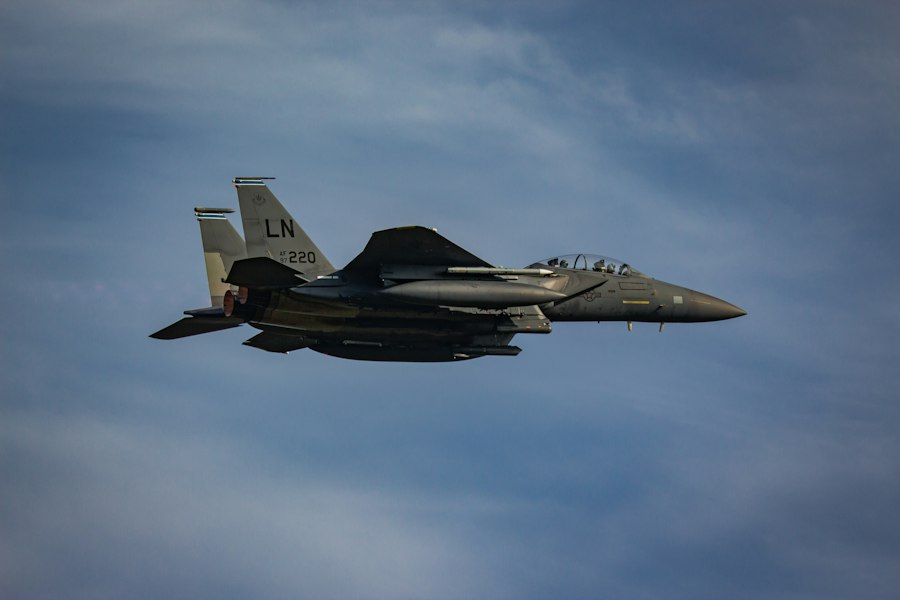
The events at Desert One were the locus of Eagle Claw’s ultimate failure. The convergence of multiple critical issues at this remote desert location led to a tragic and ignominious end to the mission. The inability to achieve critical mass and the loss of aircraft created an untenable situation, forcing a painful withdrawal. The ensuing investigation would reveal a multitude of shortcomings that demanded immediate and radical reform.
The Critical Intersection of Disparate Elements
Desert One was intended to be a temporary staging ground, a point of convergence for the various elements of the rescue force. However, the operational realities on the ground quickly devolved into chaos. The helicopters arrived at different times and under challenging conditions. The limited visibility and the need to maintain secrecy made communication and coordination exceptionally difficult. This confluence of factors created a bottleneck and prevented the seamless transition from one phase of the operation to the next.
The Fatal Flight of the RH-53D Helicopters
The backbone of the helicopter insertion was the RH-53D Sea Stallion, a heavy-lift helicopter operated by the U.S. Navy. These aircraft, while capable, were not ideally suited for the specific demands of a covert deep-penetration mission in a hostile environment. Mechanical issues, including hydraulic leaks and engine problems, began to manifest. The challenging conditions of the sandstorm further stressed the aging airframes. The loss of one helicopter due to a mechanical failure and another due to a collision with a C-130 transport aircraft, which also resulted in the deaths of eight American servicemen, marked the decisive turning point.
The Inevitable Withdrawal: A Bitter Pill to Swallow
With the loss of critical aircraft, the inability to refuel the remaining helicopters, and the mounting casualty count, the decision to abort the mission became unavoidable. The withdrawal from Desert One was a deeply demoralizing event, signifying the failure of a complex and highly anticipated operation. The realization that American lives had been lost in the pursuit of a failed rescue mission sent shockwaves through the military and the nation.
The Reckoning and Rebirth: The Transformative Impact of Eagle Claw
The failure of Operation Eagle Claw was a profound shock to the American military establishment. It exposed critical deficiencies in planning, training, equipment, and, most importantly, inter-service coordination. The subsequent investigations and analyses were not merely exercises in blame; they were catalysts for fundamental change. The lessons learned from this disaster directly led to the creation of a new era of specialized military capabilities, forever altering the approach to unconventional warfare and hostage rescue.
The Joint Special Operations Command (JSOC): A Direct Consequence
Perhaps the most significant and enduring legacy of Eagle Claw was the establishment of the Joint Special Operations Command (JSOC) in 1980. This unified command was created specifically to overcome the inter-service rivalries and coordination failures that had plagued Eagle Claw. JSOC was tasked with the planning and execution of complex special operations missions that required the seamless integration of forces from different branches of the military. This centralized command structure allowed for more cohesive planning, better resource allocation, and a more unified operational approach to sensitive and high-risk missions.
The Genesis of Delta Force: Elite Counter-Terrorism Capabilities
In parallel with the establishment of JSOC, the need for a dedicated, highly specialized counter-terrorism unit became acutely apparent. Drawing on lessons learned from Eagle Claw, Delta Force (also known as the 1st Special Forces Operational Detachment-Delta) was conceived and activated. Delta Force was designed to be an elite unit capable of conducting direct action missions, hostage rescues, and counter-terrorism operations with unparalleled precision and effectiveness. Its formation marked a significant leap forward in the development of dedicated special operations forces with a singular focus on the most challenging threats.
Enhancing Intelligence and Interoperability: A Crucial Shift
The deficiencies in intelligence gathering and sharing were a major contributing factor to Eagle Claw’s failure. The subsequent reforms emphasized the critical need for robust intelligence capabilities, including enhanced reconnaissance, surveillance, and real-time information sharing among all participating units. Furthermore, the operation highlighted the importance of interoperability between different service branches – from communication systems to equipment and doctrine. The reforms spurred efforts to standardize procedures and ensure that diverse military components could operate effectively as a cohesive whole.
Operation Eagle Claw, the ill-fated rescue mission during the Iran hostage crisis, significantly transformed the landscape of special operations in the United States. The lessons learned from this operation led to the establishment of more rigorous training and planning protocols for future missions, ultimately shaping the way special forces conduct operations today. For a deeper understanding of the impact of this mission on modern military strategies, you can read a related article that explores these changes in detail at this link.
The Enduring Legacy: Lessons Learned for Modern Special Operations
| Aspect | Pre-Operation Eagle Claw | Post-Operation Eagle Claw | Impact on Special Operations |
|---|---|---|---|
| Joint Inter-Service Coordination | Limited coordination between Army, Navy, Air Force, and Marines | Establishment of unified command structures like USSOCOM | Improved interoperability and mission success rates |
| Equipment and Technology | Use of non-specialized, ad-hoc equipment | Development of specialized gear and aircraft (e.g., MH-53 Pave Low) | Enhanced operational capability and mission flexibility |
| Training and Preparedness | Limited joint training exercises | Regular joint training and realistic mission rehearsals | Increased readiness and reduced mission failures |
| Command and Control | Fragmented command with unclear authority | Centralized command with clear leadership roles | Streamlined decision-making and faster response times |
| Mission Planning | Inadequate contingency planning and intelligence sharing | Comprehensive planning with integrated intelligence support | Reduced operational risks and improved mission outcomes |
| Casualty and Risk Awareness | High risk with limited risk mitigation strategies | Enhanced focus on risk assessment and casualty evacuation | Improved survival rates and mission sustainability |
The echoes of Operation Eagle Claw continue to resonate within the modern special operations community. The failures of that mission served as a stark and painful lesson, forging a new paradigm for how the United States approaches its most challenging military endeavors. The emphasis on rigorous training, meticulous planning, and seamless inter-service cooperation remains the bedrock of contemporary special operations doctrine, ensuring that future missions are conducted with the utmost professionalism and a heightened awareness of potential pitfalls.
The Culture of Continuous Improvement: Adapting to Evolving Threats
The spirit of introspection and continuous improvement fostered by Eagle Claw’s failure remains a defining characteristic of modern special operations forces. The understanding that threats are constantly evolving necessitates a corresponding evolution in tactics, techniques, and procedures. This commitment to adaptation ensures that these elite units remain at the forefront of combating terrorism, insurgency, and other unconventional threats.
The Importance of Jointness: A Unified Front
The concept of “jointness” – the ability of different branches of the military to work together effectively – was a paramount lesson from Eagle Claw. Today, joint training exercises are commonplace, and inter-service cooperation is a fundamental tenet of military operations. This collaborative approach maximizes the strengths of each service, creating a more powerful and resilient fighting force capable of tackling complex and multifaceted challenges.
The Price of Failure and the Value of Preparedness
Operation Eagle Claw stands as a somber reminder of the immense risks associated with military operations, particularly those conducted in highly complex and unpredictable environments. It underscored the critical importance of thorough preparation, realistic scenario planning, and the acknowledgment of potential failure points. The lessons learned have instilled a profound appreciation for the value of preparedness, ensuring that special operations forces are not only highly skilled but also meticulously prepared for every conceivable contingency. The failed mission, though a bitter chapter, ultimately paved the way for a more effective, resilient, and strategically adept special operations capability within the United States.
Why SEAL Team Six Got the Bin Laden Raid — Not Delta Force
FAQs
What was Operation Eagle Claw?
Operation Eagle Claw was a failed mission conducted by the United States military in April 1980 to rescue American hostages held in Iran.
How did Operation Eagle Claw change special operations?
Operation Eagle Claw highlighted the need for better coordination and communication among different branches of the military, leading to the creation of the United States Special Operations Command (USSOCOM) in 1987.
What were some of the key lessons learned from Operation Eagle Claw?
Some of the key lessons learned from Operation Eagle Claw included the importance of thorough planning, adequate training, and the need for specialized equipment and aircraft for special operations missions.
How did Operation Eagle Claw impact future special operations missions?
Operation Eagle Claw led to a renewed focus on special operations capabilities within the U.S. military, resulting in the development of specialized units such as Delta Force and Navy SEAL Team Six.
What is the legacy of Operation Eagle Claw in the history of special operations?
Operation Eagle Claw is remembered as a pivotal moment in the history of special operations, serving as a catalyst for improvements in training, equipment, and coordination that have shaped the way special operations missions are conducted today.