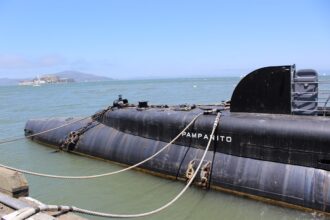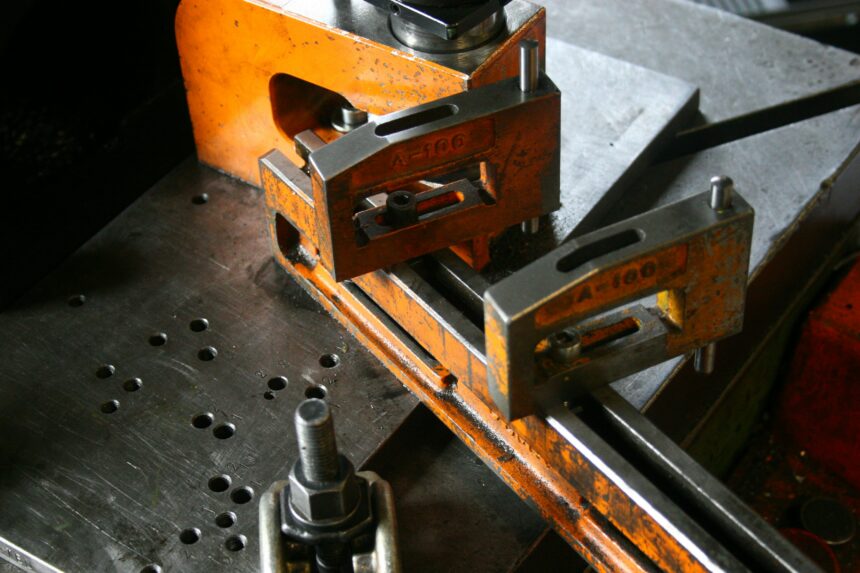
The ability to precisely shape and manufacture components, particularly at an industrial scale, has consistently been a cornerstone for technological advancement. In the realm of naval power, this principle holds an amplified significance. From the earliest wooden warships to the steel behemoths of today, the effectiveness and survivability of naval vessels are directly linked to the quality and accuracy of their construction. The advent and refinement of precision milling technologies represent a profound leap forward in this lineage, offering naval architects, engineers, and manufacturers the tools to overcome limitations and unlock new levels of performance. This article will explore how precision milling is revolutionizing naval power.
Naval engineering operates under a unique set of constraints and demands that differentiate it from many other engineering disciplines. The ocean is an unforgiving environment, and the vessels that traverse it must be built to withstand immense forces, corrosive conditions, and the constant threat of failure. Every component, every seam, and every connection plays a crucial role in the overall integrity and functionality of a warship or a commercial vessel.
The Physics of Naval Stress and Strain
The hulls of ships are subjected to dynamic loads that can exceed those experienced in most land-based applications. Hydrodynamic forces, including pressure variations, waves, and currents, constantly push and pull on the structure. Furthermore, the propulsion systems, whether they involve massive turbines, advanced gas engines, or complex electric drives, generate vibrations and stresses that must be managed. The precision with which these components are manufactured directly influences their ability to absorb, dissipate, and resist these forces. A microscopic imperfection in a critical bearing, for instance, can be the genesis of catastrophic failure under the prolonged and intense strain of open-sea operations.
The Importance of Material Integrity
Naval vessels are constructed from a variety of materials, each chosen for its specific properties. Steel alloys are prevalent for their strength and durability, while advanced composites are finding increasing application in areas requiring lightweight yet robust structures. The precise machining of these materials is vital for several reasons.
Ensuring Optimal Material Properties
The exact dimensions and tolerances achieved through precision milling ensure that the inherent properties of the material are fully realized. For example, in high-stress areas of the hull or within the engine systems, the precise geometry of a machined part can dictate how stress is distributed, preventing stress concentrations that could lead to fatigue cracks or deformation.
Preventing Corrosion and Degradation
The marine environment is inherently corrosive. Saltwater, in particular, is a potent agent of degradation. Precision milling can create smoother, less porous surfaces on components, which reduces the areas where corrosive agents can initiate their attack. This leads to extended component lifespan and reduced maintenance requirements.
The Pursuit of Hydrodynamic and Aerodynamic Efficiency
Optimizing a vessel’s interaction with water and air is paramount for both efficiency and performance. This is where the principles of fluid dynamics come into play, and where precision manufacturing becomes indispensable.
Shaping the Hull for Reduced Drag
The hull of a ship is meticulously designed to minimize drag and maximize stability. The precise shaping of hydrodynamic surfaces, such as bulbous bows, propeller blades, and rudder profiles, can significantly improve fuel efficiency and increase vessel speed. Even subtle deviations from the designed shape can lead to increased resistance, negating the advantages of an otherwise advanced hull form. Precision milling allows for the faithful reproduction of these complex geometries, ensuring that the hydrodynamic advantage is not lost in translation from design to reality.
Optimizing Propeller and Turbine Performance
The propulsion system is the heart of any vessel. Propellers, turbine blades, and other rotating components require incredibly precise manufacturing to operate efficiently and with minimal vibration. Imbalances or surface imperfections, even those measured in microns, can lead to significant energy loss, increased noise, and premature wear. Precision milling ensures that the complex aerodynamic profiles of turbine blades and the hydrodynamic contours of propeller blades are manufactured to the exact specifications required for optimal thrust and minimal turbulence.
Precision milling has significantly transformed naval power by enhancing the accuracy and efficiency of shipbuilding and weaponry manufacturing. An insightful article that delves deeper into this topic is available at In The War Room, where it explores how advancements in milling technology have allowed navies to produce more sophisticated vessels and armaments, ultimately reshaping maritime strategy and combat effectiveness. This evolution in manufacturing processes has not only improved the performance of naval fleets but has also influenced global naval dominance and defense capabilities.
The Precision Milling Toolkit: From Design to Reality
Precision milling, in its modern context, refers to a family of subtractive manufacturing processes that utilize computer-controlled machinery to remove material from a workpiece to achieve highly accurate and complex shapes. The core of this technology lies in the synergy between sophisticated design software, advanced machine tools, and precise control systems.
Computer-Aided Design (CAD) and Manufacturing (CAM)
The journey from concept to a tangible component begins with design.
Digital Blueprints and Virtual Prototyping
CAD software allows naval architects and engineers to create detailed three-dimensional models of every part of a vessel, from the largest hull section to the smallest valve component. These digital blueprints can be subjected to virtual simulations, allowing for the testing of structural integrity, hydrodynamic performance, and system integration before any physical materials are used. This iterative design process, facilitated by the precision of the digital models, is crucial for optimizing complex naval systems.
Translating Design into Machining Instructions
CAM software takes these digital designs and translates them into a series of precise instructions (G-code) that the milling machines can understand. This code dictates the tool path, cutting speeds, feed rates, and other critical parameters that govern the material removal process. The accuracy of the CAM programming directly impacts the fidelity of the manufactured part to its digital counterpart. Essentially, CAM acts as the translator between the engineer’s vision and the machine’s capabilities.
The advent of precision milling has significantly transformed naval power, allowing for the creation of more sophisticated and efficient vessels. This technological advancement has enabled navies to produce components with tighter tolerances, leading to improved performance and reliability in naval operations. For a deeper understanding of how these innovations have reshaped maritime warfare, you can explore this insightful article on the subject. The evolution of naval engineering, particularly through precision milling, has played a crucial role in maintaining strategic advantages at sea. To read more about this fascinating topic, visit this article.
The Evolution of CNC Milling Machines
The heart of precision milling lies in the machine tools themselves.
Multi-Axis Machining for Complex Geometries
Modern CNC (Computer Numerical Control) milling machines are capable of operating in multiple axes simultaneously (e.g., 3-axis, 4-axis, 5-axis). This capability is revolutionary for naval applications, as it allows for the machining of highly complex, compound curves and internal features that would be impossible or prohibitively expensive to achieve with older, simpler machines. Imagine carving a sphere with intricate internal channels; a multi-axis mill can do this in a single setup, ensuring all surfaces are perfectly aligned and integrated.
High-Speed Machining and Material Versatility
Advancements in spindle technology and cutting tool materials have enabled high-speed machining, which drastically reduces manufacturing times. Furthermore, precision mills are capable of working with a wide range of materials used in naval construction, including high-strength steels, titanium alloys, specialized aluminum alloys, and advanced polymers and composites. The ability to precisely machine these diverse materials ensures that performance requirements can be met without compromise.
Metrology and Quality Assurance: The Eyes of Precision
The pursuit of precision is incomplete without robust methods for measurement and verification.
In-Process and Post-Process Measurement
Advanced metrology techniques, including laser scanning and coordinate measuring machines (CMMs), are employed both during and after the machining process. These tools provide real-time feedback, allowing for adjustments to be made during machining to stay within extremely tight tolerances. Post-process inspection confirms that the final component meets all specifications, acting as the gatekeeper for quality.
Traceability and Documentation
Precision manufacturing inherently generates detailed records of the entire process, from the source material to the final inspection report. This traceability is critical in the naval sector, where component history and certification are paramount for safety and operational readiness.
Revolutionizing Key Naval Systems Through Precision Milling
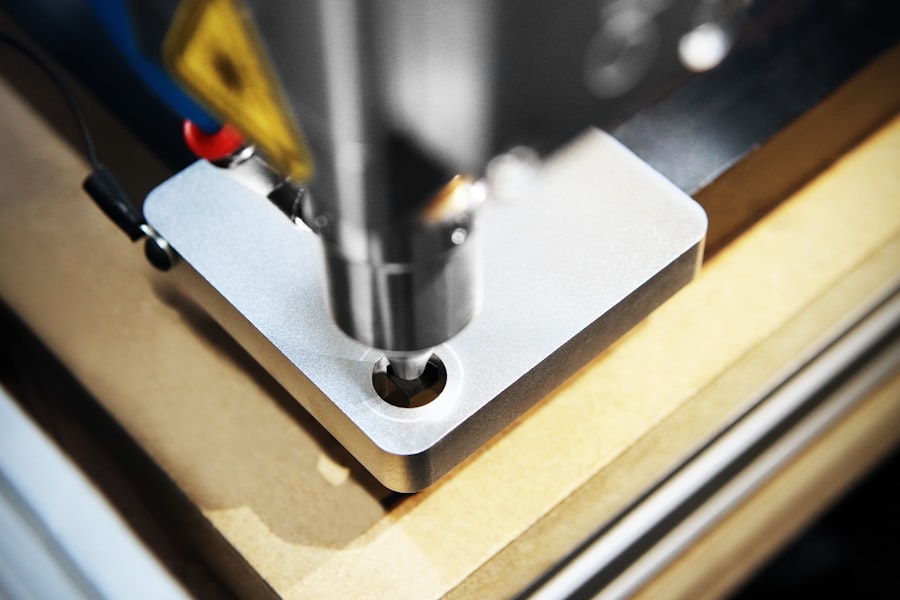
The impact of precision milling is not abstract; it is directly observable in enhanced performance and reliability across a spectrum of critical naval systems.
Advanced Hull Structures and Materials
The fundamental structure of a naval vessel, its hull, is benefiting significantly from precision manufacturing.
Lightweight and High-Strength Composites
The integration of composite materials, such as carbon fiber reinforced polymers, into hull construction offers significant weight savings, which translates to improved speed, range, and fuel efficiency. Precision milling is essential for accurately cutting, shaping, and assembling these complex composite structures, ensuring that their strength and aerodynamic properties are optimally realized. The ability to mill precise molds and components for composite layup is a game-changer in this field.
Optimized Welded Structures and Fatigue Reduction
For steel hulls, precision has always been important in welding. However, precision machining of mating surfaces for welded sections can ensure tighter fits, reducing the need for extensive filler material and minimizing residual stresses that can lead to fatigue. This leads to stronger, more durable hull structures that can better withstand the rigors of naval operations.
Next-Generation Propulsion Systems
The engines and power transmission systems of modern naval vessels are marvels of engineering, and precision milling is a prerequisite for their functionality.
High-Performance Turbine and Engine Components
Components within gas turbines, diesel engines, and even advanced nuclear reactors require extremely tight tolerances for optimal efficiency and longevity. This includes turbine blades with intricate airfoil shapes, precise gear teeth for transmissions, and perfectly balanced rotating assemblies. Precision milling allows for the creation of these components with micron-level accuracy, ensuring smooth operation, reduced fuel consumption, and extended maintenance intervals.
Advanced Marine Propellers and Azimuthing Thrusters
Propellers are no longer simple blades pushed by an engine. Modern designs are highly sophisticated, employing variable pitch, contra-rotating elements, and custom-optimized forms for specific vessel types and operating conditions. Precision milling is indispensable for manufacturing these complex propeller geometries, as well as the intricate internal mechanisms of azimuthing thrusters, which provide vessels with exceptional maneuverability.
Enhanced Weapon Systems and Sensor Platforms
The offensive and defensive capabilities of a naval vessel, as well as its ability to perceive the environment, are also being transformed.
Precision Gun Barrels and Ammunition
For naval gun systems, the rifling within the barrel must be exceptionally precise to ensure accurate and consistent projectile flight. The manufacturing of ammunition itself also requires high precision for reliable firing and predictable ballistics.
Intricate Missile Launchers and Guidance Systems
Modern missile systems are incredibly complex, requiring precisely machined housings, launch rails, and internal mechanisms for reliable deployment and guidance. Similarly, the platforms for sensitive sensor arrays, such as radar dishes and sonar domes, often require precision-shaped components to minimize interference and maximize signal integrity.
Stealth Technology and Acoustic Signature Reduction
In contemporary naval warfare, reducing a vessel’s detectable signature is a critical advantage.
Anechoic Materials and Surface Treatments
Precision milling can be used to create the intricate surface geometries required for certain types of anechoic materials, which absorb sonar signals. Furthermore, the precise shaping of external surfaces can minimize radar reflectivity, contributing to a vessel’s stealth capabilities.
Reduction of Vibrational Noise
Vibrations generate acoustic noise, which can be detected by enemy sonar. Precision milling helps to minimize these vibrations by ensuring perfectly balanced rotating components, smooth mating surfaces, and precisely fitted dampening systems. This can turn a noisy behemoth into a much quieter, more elusive adversary.
Overcoming Challenges and Embracing the Future
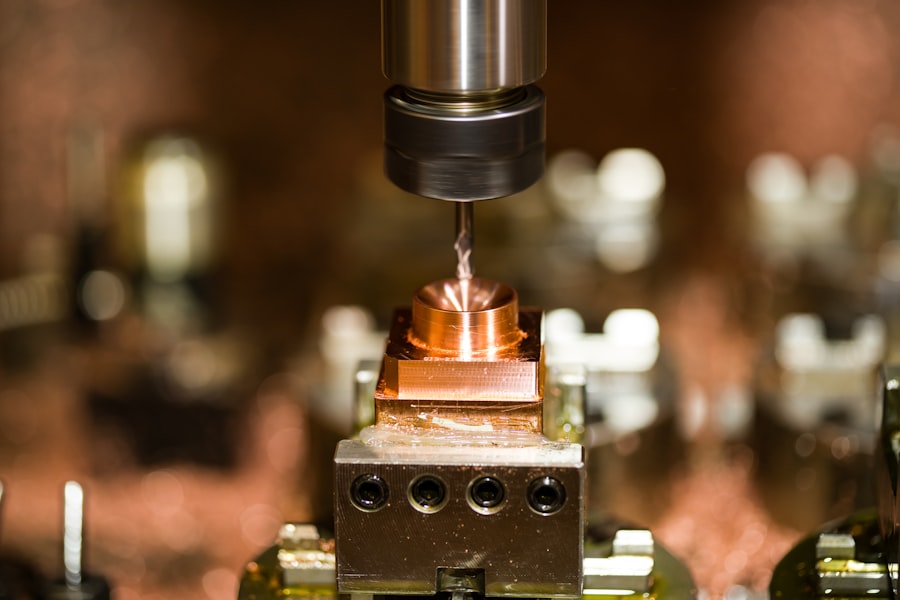
While the advantages of precision milling in naval power are undeniable, its widespread adoption and continued advancement are not without their challenges.
Initial Investment and Technological Integration
Implementing state-of-the-art precision milling capabilities requires significant capital investment in machinery, software, and skilled personnel. Integrating these new technologies into existing naval manufacturing infrastructure can also be a complex undertaking.
Workforce Training and Skill Development
Operating and maintaining advanced CNC machinery and interpreting complex CAD/CAM data requires a highly skilled workforce. Naval organizations and their manufacturing partners must invest in continuous training and development programs to ensure that personnel possess the necessary expertise.
Supply Chain Complexity and Material Sourcing
Ensuring a consistent and reliable supply of specialized materials, particularly advanced alloys and composites, is crucial for precision manufacturing. Managing the complexity of the supply chain for these high-specification materials is an ongoing challenge.
Pushing the Boundaries: Future Innovations
The evolution of precision milling is far from complete. Future developments promise even greater capabilities for naval power.
Additive Manufacturing Integration (Hybrid Approaches)
While milling is a subtractive process, its future may lie in integration with additive manufacturing (3D printing). Hybrid machines that combine both capabilities can create highly complex geometries in fewer steps, starting with a foundational printed structure and then precisely machining critical surfaces and features.
Advanced Materials and Nanotechnology
As new materials with enhanced properties emerge, precision milling will be crucial for their effective utilization. Similarly, advancements in nanotechnology may eventually lead to the ability to precisely control material deposition and surface characteristics at the nanoscale, opening up entirely new possibilities for naval vessel design and performance.
Greater Automation and Artificial Intelligence
The integration of artificial intelligence and machine learning into CNC machining processes has the potential to further optimize machining parameters, predict tool wear, and enable more autonomous and self-correcting manufacturing systems, leading to even higher levels of efficiency and precision.
The precision with which naval components are manufactured is no longer a secondary consideration; it is a primary driver of operational capability, survivability, and strategic advantage. Precision milling, with its ability to translate intricate digital designs into tangible, high-performance components, is not merely an evolutionary step in naval manufacturing; it is a revolution, reshaping the very foundations of naval power. As technology continues to advance, the unwavering pursuit of precision will remain at the forefront, ensuring that naval forces are equipped with vessels that are stronger, faster, more efficient, and more capable than ever before.

WATCH NOW ▶️ WARNING: The $17M Deal That Blinded The US Navy
FAQs
What is precision milling in the context of naval manufacturing?
Precision milling is a manufacturing process that uses computer-controlled machines to cut and shape metal parts with high accuracy. In naval manufacturing, it allows for the production of complex and precise components essential for modern warships and submarines.
How has precision milling improved the construction of naval vessels?
Precision milling has improved naval vessel construction by enabling the creation of more intricate and reliable parts, reducing assembly errors, and enhancing the overall structural integrity of ships. This leads to faster build times and improved performance of naval vessels.
What impact has precision milling had on naval weaponry?
Precision milling has allowed for the development of more advanced and accurate weapon systems by producing finely detailed components. This has increased the effectiveness and reliability of naval guns, missile launchers, and other armaments.
Does precision milling contribute to the maintenance of naval ships?
Yes, precision milling facilitates the production of replacement parts with exact specifications, making maintenance and repairs more efficient. This helps extend the operational lifespan of naval vessels and reduces downtime.
How has precision milling influenced naval power on a global scale?
By enabling the production of more advanced and capable naval vessels and weaponry, precision milling has contributed to the modernization of navies worldwide. This technological advancement has shifted naval power balances by allowing countries to build more sophisticated fleets.