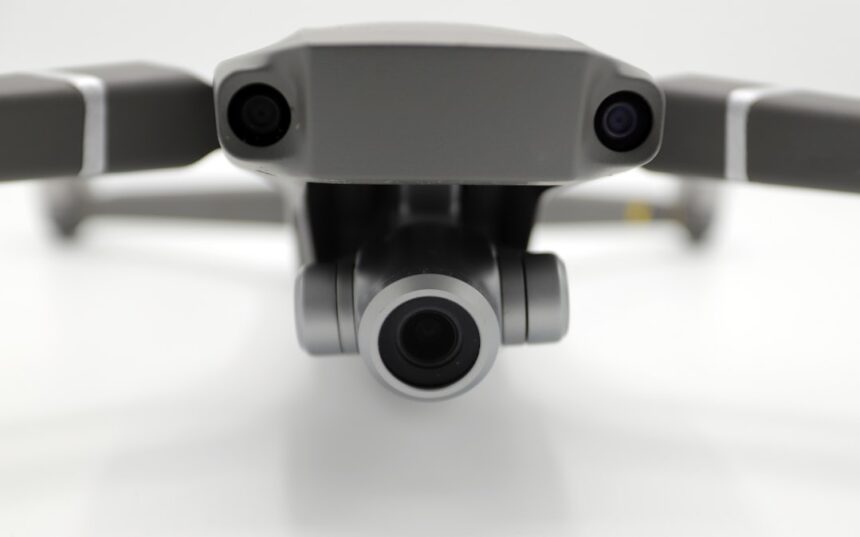
The operational landscape of logistics is undergoing a significant transformation, driven by technological advancements and the persistent demand for increased efficiency and reduced lead times. A key innovation emerging from this confluence of factors is the concept of Asynchronous Assembly Drone Integrator Hubs (AADIHs). These hubs represent a paradigm shift in how goods are processed, assembled, and dispatched, moving away from traditional linear, batch-oriented systems towards a more fluid, on-demand, and distributed model.
The term “asynchronous” in the context of AADIHs is crucial. It signifies a departure from synchronized, time-bound processes, where every step must be completed before the next can begin. Instead, asynchronous operations allow for the concurrent execution of multiple tasks, with each component or sub-assembly progressing independently and at its own pace. Think of it like a meticulously choreographed ballet versus a bustling marketplace. In a ballet, dancers move in unison, dictated by a rigid tempo. In a marketplace, vendors and customers interact dynamically, transactions occurring simultaneously. AADIHs operate more like the latter.
The Principle of Decoupling
At the heart of asynchronous assembly lies the principle of decoupling. This involves breaking down complex logistical processes into smaller, discrete, and largely independent units of work. For instance, instead of assembling an entire product in one go, AADIHs might handle the preparation of individual components, the minor assembly of sub-modules, and the final integration stages as separate, yet interconnected, workflows. This decoupling allows for greater flexibility and resilience. If one stage encounters a delay, it does not necessarily halt the entire operation.
Event-Driven Workflows
Asynchronous assembly often relies on event-driven architectures. This means that tasks are triggered by specific events, rather than by a predetermined schedule. An event could be the arrival of a new order, the completion of a component preparation, or the availability of a specific drone. This model allows the system to adapt dynamically to changing conditions and to prioritize tasks based on real-time needs. It’s like having a highly responsive air traffic control system, where incoming flights are managed and directed based on current runway availability and weather conditions, rather than a fixed flight plan for every single aircraft.
The Role of Robotics and AI
Drones are the most visible component of AADIHs, but their efficacy is intrinsically linked to sophisticated robotics and artificial intelligence (AI). Automated robotic arms might handle intricate assembly tasks, while AI algorithms manage inventory, optimize drone deployment, and predict potential bottlenecks. The integration of these technologies creates a self-learning and self-optimizing system, capable of continuous improvement.
As the demand for efficient logistics solutions continues to rise, the concept of asynchronous assembly drone integrator hubs is gaining traction in various industries. These hubs facilitate the seamless integration of drone technology into supply chains, allowing for faster and more flexible delivery options. For a deeper understanding of the implications and advancements in this field, you can read a related article that explores the future of drone logistics and its impact on global commerce at this link.
The Architecture of an Integrator Hub
An Asynchronous Assembly Drone Integrator Hub is more than just a collection of drones; it is a carefully designed ecosystem incorporating multiple interconnected elements. These hubs are envisioned as distributed nodes within a larger logistics network, capable of both receiving and dispatching goods.
Modular Design and Scalability
AADIHs are characterized by their modular design. This means that the hub’s components – such as drone docking stations, assembly bays, sorting modules, and charging infrastructure – can be added, removed, or reconfigured to meet varying demands. This scalability is essential for adapting to seasonal fluctuations in demand, the introduction of new products, or changes in market conditions. It’s akin to a modular building system, where rooms and floors can be added or removed as needed to expand or contract the structure.
Dedicated Drone Bays and Charging Stations
A critical infrastructural element is the provision of dedicated drone bays. These are specialized areas where drones can land, offload or pick up goods, undergo maintenance, and recharge their batteries. The number and configuration of these bays are designed to optimize drone turnaround times, a critical factor in maintaining the asynchronous flow. Advanced charging solutions, including rapid charging and potentially battery-swapping systems, are integral to minimizing downtime.
Automated Sorting and Kitting Facilities
Within the hub, automated sorting and kitting facilities play a vital role in preparing goods for assembly or dispatch. Robots and AI-powered systems can identify, sort, and group individual components or entire orders based on specific assembly requirements or customer destinations. This pre-processing step ensures that when a drone arrives for a particular assembly task, all necessary components are readily available and organized.
Collaborative Assembly Zones
While drones are adept at transport and some assembly tasks, humans may still be involved in more complex or specialized assembly processes. Collaborative assembly zones are designed to facilitate seamless interaction between human workers and robotic systems, including drones. These zones are engineered for safety and efficiency, ensuring that human operators can safely work alongside automated machinery.
Real-time Data Management and AI Orchestration
The entire operation of an AADIH is underpinned by a sophisticated real-time data management system. This system collects and analyzes data from every sensor, drone, and robotic component, providing a comprehensive overview of the hub’s operations. AI algorithms then use this data to orchestrate the asynchronous workflows, making decisions about task allocation, drone dispatch, and resource management. This central nervous system ensures that the hub operates as a cohesive unit, even with its decentralized and asynchronous nature.
The Role of Drones in Asynchronous Assembly
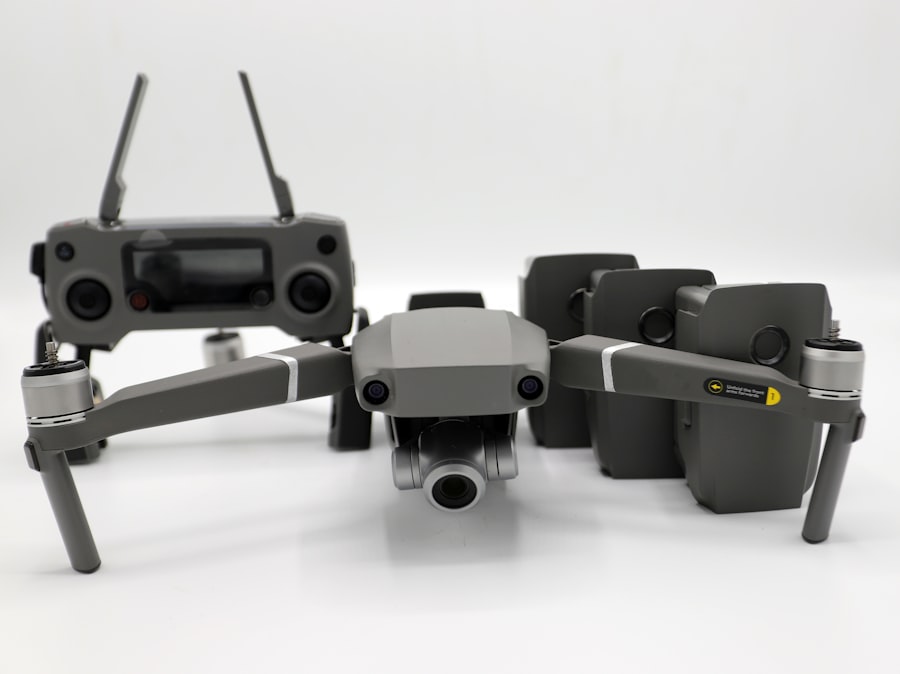
Drones are the mobile workforce of the AADIH, performing a multitude of functions that are essential for the asynchronous assembly process. Their agility and ability to operate in three dimensions provide a unique advantage over traditional ground-based logistics.
Component Delivery and Retrieval
One of the primary roles of drones within the hub is the precise and rapid delivery and retrieval of components. Instead of relying on conveyor belts or manual transport, drones can navigate complex internal layouts to pick up specific parts from designated storage areas and deliver them directly to assembly stations, or vice versa. This reduces the need for extensive internal infrastructure and streamlines the movement of materials.
Sub-Assembly Transport
Asynchronous assembly often involves the creation of sub-assemblies – small, pre-assembled units that are then integrated into larger products. Drones can be utilized to transport these sub-assemblies between different assembly zones within the hub or even between different hubs. This allows for a modular approach to manufacturing and assembly, where specialized tasks can be performed in different locations, optimizing for expertise and resource availability.
On-Demand Final Assembly Integration
In scenarios where the final assembly process can be partially automated, drones might play a direct role. For example, a drone could be tasked with affixing a specific component to a larger structure, or delivering a final piece that requires precise placement. This “last mile” element of assembly, performed by a drone, can significantly reduce the time and effort involved in manual integration.
Quality Control and Inspection
Beyond assembly, drones can also be equipped with sensors for in-situ quality control and inspection. They can fly to specific points in the assembly line, scan components or completed sections, and transmit data back to the central AI for analysis. This real-time feedback loop allows for immediate identification and correction of defects, preventing the propagation of errors throughout the assembly process.
Inter-Hub Connectivity and Networked Operations
The true power of AADIHs is amplified when they are networked together. Drones can facilitate the seamless transfer of components or partially assembled products between adjacent or even distant integrated hubs. This creates a distributed manufacturing and logistics network, where each hub specializes in certain tasks or serves specific geographical regions, contributing to a more resilient and efficient overall supply chain. This interconnectedness is like a colony of ants, where individual ants work independently but their collective efforts form a highly organized and efficient system.
Benefits and Applications of AADIHs
The implementation of Asynchronous Assembly Drone Integrator Hubs promises a range of significant benefits across various industries, addressing long-standing challenges in modern logistics and manufacturing.
Enhanced Speed and Reduced Lead Times
By decoupling processes and enabling concurrent operations, AADIHs can dramatically reduce the time required for order fulfillment. Goods can be assembled and dispatched as soon as components are available and an order is received, bypassing the bottlenecks inherent in traditional batch processing. This leads to faster delivery times for consumers and a more agile response to market demands for businesses.
Increased Flexibility and Customization
The asynchronous and modular nature of these hubs makes them highly adaptable to customization. Production lines can be reconfigured quickly to accommodate variations in product specifications or to handle bespoke orders. This is particularly valuable in industries where product customization is a key differentiator.
Optimized Resource Utilization and Reduced Waste
AI-driven optimization within AADIHs ensures that resources – including drones, robotic arms, and human labor – are utilized effectively. By minimizing idle time and unnecessary movement, operational costs can be reduced. Furthermore, by catching defects early through real-time inspection, the amount of wasted material due to faulty production can be significantly lowered.
Improved Worker Safety
By automating many of the physically demanding or hazardous tasks within a logistics or assembly environment, AADIHs can contribute to improved worker safety. Drones can operate in environments that might be difficult or dangerous for humans, and collaborative zones are designed with inherent safety protocols.
Supply Chain Resilience and Redundancy
The distributed nature of AADIHs, where multiple hubs can operate independently or in conjunction, enhances supply chain resilience. If one hub experiences an issue, others can potentially absorb the workload, preventing complete disruption. This forms a safety net for the entire logistical operation.
Applications in E-commerce and Last-Mile Delivery
The e-commerce sector, with its insatiable demand for rapid delivery, is a prime candidate for AADIH integration. These hubs can streamline the process from order placement to final dispatch, enabling same-day or even same-hour deliveries in urban areas.
Applications in Manufacturing and Prototyping
For light manufacturing and rapid prototyping, AADIHs offer a dynamic and responsive environment. Products can be assembled and modified quickly, facilitating faster iteration cycles and bringing new designs to market with reduced lead times.
Applications in Medical and Pharmaceutical Logistics
The critical nature of medical and pharmaceutical supply chains demands speed, accuracy, and controlled environments. AADIHs, with their potential for precise handling and efficient dispatch, can revolutionize the delivery of critical medicines and supplies.
As the demand for efficient logistics solutions continues to rise, the concept of asynchronous assembly drone integrator hubs has gained significant attention. These hubs are designed to streamline the coordination of drone operations, allowing for more flexible and responsive delivery systems. For a deeper understanding of how these technologies are transforming supply chains, you can read a related article on this topic at In the War Room, which explores the implications of drone integration in modern logistics.
Challenges and Future Developments
| Metric | Description | Value | Unit | Notes |
|---|---|---|---|---|
| Assembly Throughput | Number of drones assembled per hour | 120 | drones/hour | Average rate during peak operation |
| Integration Latency | Time delay between component arrival and assembly start | 15 | minutes | Asynchronous scheduling impact |
| Hub Connectivity | Number of drone integrator hubs networked | 8 | hubs | Geographically distributed |
| Component Error Rate | Percentage of defective components detected during assembly | 0.8 | % | Quality control metric |
| Energy Consumption | Average energy used per drone assembly | 3.5 | kWh | Includes robotic arm and conveyor systems |
| Downtime | Average hub downtime per week | 2 | hours/week | Scheduled maintenance included |
| Assembly Accuracy | Percentage of drones passing final inspection | 98.5 | % | Reflects precision of asynchronous assembly |
While the concept of Asynchronous Assembly Drone Integrator Hubs holds immense promise, its widespread adoption is not without challenges. Addressing these hurdles will be crucial for realizing the full potential of this transformative technology.
Regulatory and Airspace Management Complexities
The integration of a significant number of autonomous drones into operational environments necessitates robust regulatory frameworks. Navigating airspace management, ensuring safety protocols, and obtaining necessary permissions for widespread drone operations are significant ongoing challenges. The current regulatory landscape is still catching up to the pace of technological innovation.
Integration with Existing Infrastructure
Seamless integration of AADIHs with existing logistics and manufacturing infrastructure presents a complex undertaking. Legacy systems may require substantial upgrades or replacements to communicate effectively with the new asynchronous workflows and drone-based operations. The established pathways of commerce are like well-trodden roads; integrating a new, aerial transit system requires careful planning to avoid disruption.
Cybersecurity and Data Security Concerns
As highly connected and data-dependent systems, AADIHs are susceptible to cybersecurity threats. Protecting sensitive operational data, preventing unauthorized access, and ensuring the integrity of AI algorithms are paramount to maintaining secure and reliable operations. The digital nervous system of the hub must be as secure as any physical fortress.
Public Perception and Acceptance
The widespread deployment of autonomous drones in urban and industrial environments will likely face scrutiny from the public. Addressing concerns regarding noise pollution, privacy, and the visual impact of drone activity will be essential for gaining public acceptance and trust.
Advancements in Drone Technology
Future developments will focus on enhancing drone capabilities, including increased payload capacity, extended flight times, improved navigation in complex environments, and the development of drones specifically designed for sophisticated assembly tasks.
Evolution of AI and Machine Learning
The intelligence underpinning AADIHs will continue to evolve. More sophisticated AI will enable greater autonomy, predictive maintenance, advanced route optimization, and the ability for hubs to learn and adapt to unforeseen circumstances more effectively.
Standardization and Interoperability
As the technology matures, standardization of communication protocols, drone designs, and hub architectures will become increasingly important to facilitate interoperability between different systems and manufacturers, creating a more cohesive ecosystem.
The advent of Asynchronous Assembly Drone Integrator Hubs represents a significant leap forward in the field of logistics and automated assembly. By embracing asynchronous operations, modular design, and advanced drone technology, these hubs offer a pathway towards a more efficient, flexible, and resilient supply chain. While challenges remain, ongoing innovation and strategic implementation are poised to revolutionize how goods are moved, assembled, and delivered in the years to come. The journey of transforming logistics is far from over, and AADIHs are clearly marking a pivotal new chapter.
FAQs
What is an asynchronous assembly drone integrator hub?
An asynchronous assembly drone integrator hub is a centralized system designed to coordinate and manage multiple drones working together on assembly tasks without requiring them to operate in strict synchronization. It allows drones to perform different parts of an assembly process independently while ensuring overall task completion.
How do asynchronous assembly drone integrator hubs improve manufacturing processes?
These hubs enhance manufacturing by enabling flexible and efficient drone collaboration, reducing downtime caused by waiting for synchronized actions. They allow for parallel task execution, faster assembly times, and adaptability to changes in the production line or task requirements.
What types of industries benefit from using asynchronous assembly drone integrator hubs?
Industries such as automotive manufacturing, electronics assembly, aerospace, and logistics benefit from these hubs. They are particularly useful in environments where complex assembly tasks require multiple drones to work simultaneously but independently.
What technologies are involved in asynchronous assembly drone integrator hubs?
Key technologies include advanced communication protocols, real-time data processing, artificial intelligence for task allocation, and sensor integration for collision avoidance and precise positioning. These technologies enable drones to operate asynchronously while maintaining coordination.
Are there any challenges associated with implementing asynchronous assembly drone integrator hubs?
Yes, challenges include ensuring reliable communication among drones, managing task dependencies without synchronization, avoiding collisions, and integrating the hub with existing manufacturing systems. Overcoming these requires sophisticated software algorithms and robust hardware solutions.