You know, with all the crazy advances happening, it’s easy to think about the “sci-fi” side of medicine – like robot surgeons or miracle cures. But a huge part of the revolution isn’t just the breakthrough treatments themselves, it’s the very foundation they’re built on: the modern medicine infrastructure. Think of it as the digital nervous system and physical backbone that allows everything else to work.
So, what exactly is modern medicine infrastructure? Simply put, it’s the interconnected network of technology, facilities, data systems, and processes that enable us to deliver healthcare more efficiently, effectively, and accessibly than ever before. It’s what allows a doctor in one city to consult with a specialist in another, or for your medical records to follow you seamlessly, no matter where you get care. It’s not just about shiny new buildings; it’s the intelligent systems humming behind the scenes.
The Digital Backbone: Why Data is King
Gone are the days of sprawling paper charts that get lost or are impossible to decipher. We’re deep into the era of digital health records, and it’s fundamentally changing how healthcare is practiced. This isn’t just about digitizing old files; it’s about creating a living, breathing record that can be accessed, analyzed, and used to improve patient care.
Electronic Health Records (EHRs) and Their Evolution
At the heart of this digital shift are Electronic Health Records (EHRs). These systems house everything from your basic demographic information to your allergies, medications, past diagnoses, lab results, and imaging reports. But their value goes far beyond just storing information.
- Interoperability: The Holy Grail (Almost): The real power of EHRs comes when they can talk to each other. Interoperability – the ability for different EHR systems to exchange and use information – is crucial. When your primary care physician can see the notes from your recent hospital visit, or when an imaging center can directly receive your order, it eliminates redundant tests, speeds up diagnosis, and reduces the chance of errors. While we’re not quite at universal interoperability, the push for standards and secure data exchange is a major focus.
- Clinical Decision Support: EHRs aren’t just passive storage. They can actively support doctors in making decisions. Imagine a system that flags a potential drug interaction when a new prescription is entered, or alerts a physician to a patient’s elevated risk for a certain condition based on their history. This proactive approach can prevent mistakes and guide clinicians towards the best course of action.
- Streamlined Workflows: Think about it from a provider’s perspective. No more hunting for charts, no more deciphering chaotic handwriting. EHRs streamline administrative tasks, allowing doctors and nurses to spend more time with patients and less time on paperwork.
Modern medicine infrastructure plays a crucial role in ensuring effective healthcare delivery, and a related article that explores this topic in depth can be found at In the War Room. This article discusses the challenges and advancements in healthcare systems, emphasizing the importance of robust infrastructure in improving patient outcomes and adapting to emerging health crises. By examining case studies and innovative solutions, it provides valuable insights into how modern medicine can evolve to meet the demands of a rapidly changing world.
Connecting Beyond Borders: Telehealth and Remote Monitoring
The idea of healthcare being confined to a doctor’s office or hospital room is rapidly becoming outdated. Modern infrastructure allows us to extend care to where the patient is, whether that’s their home, their workplace, or even out in a remote village.
Telemedicine: Bringing the Doctor to You
Telemedicine, the use of technology to provide healthcare remotely, has exploded in recent years, and it’s here to stay. It’s not just for minor ailments; it’s a vital component of chronic disease management, specialist consultations, and even mental health support.
- Accessibility for All: For people in rural areas with limited access to specialists, or for individuals with mobility issues, telemedicine is a game-changer. It breaks down geographical barriers and makes expert care more readily available.
- Convenience and Cost Savings: Think about avoiding travel time, parking fees, and taking time off work. Telehealth offers significant convenience for patients. For healthcare systems, it can reduce the burden on overcrowded clinics and emergency rooms, leading to cost efficiencies.
- Specialty Consultations Made Easy: A primary care doctor can use video conferencing to consult with a cardiologist dozens of miles away, showing them the patient’s EKG in real-time. This speeds up diagnoses and ensures patients get the right advice without lengthy travel.
Remote Patient Monitoring (RPM): Eyes and Ears Beyond the Clinic
RPM takes remote care a step further by allowing healthcare providers to continuously monitor a patient’s vital signs and health data from afar. This is particularly impactful for managing chronic conditions.
- Proactive Intervention: Imagine a patient with heart failure. Their home monitoring device measures their weight, blood pressure, and heart rate daily. If these numbers start trending in a concerning direction, the system can alert the care team before the patient experiences a severe episode, allowing for early intervention and potentially preventing hospitalization.
- Empowering Patients: RPM devices can help patients feel more in control of their health. By seeing their own data and understanding how their lifestyle choices impact their metrics, they become more engaged in their treatment plan.
- Variety of Devices: This isn’t just about bulky equipment anymore. Think about smartwatches that track heart rate and activity, connected blood pressure cuffs, glucose meters that transmit readings automatically, and even sophisticated wearable sensors that monitor oxygen levels or detect falls.
The Intelligent Assistant: Artificial Intelligence in Healthcare
Artificial intelligence (AI) is no longer a buzzword; it’s actively being integrated into healthcare infrastructure, augmenting human capabilities and driving efficiency. It’s not about replacing doctors, but about giving them powerful new tools.
AI for Diagnostics and Discovery
The sheer volume of medical data generated today is overwhelming for humans to process alone. AI excels at finding patterns and insights within vast datasets.
- Enhanced Imaging Analysis: AI algorithms are becoming incredibly adept at analyzing medical images like X-rays, CT scans, and MRIs. They can spot subtle anomalies that a human eye might miss, flagging potential issues for radiologists to review. This can lead to earlier and more accurate diagnoses of cancers, neurological conditions, and other diseases.
- Drug Discovery Acceleration: Sifting through millions of compounds to find potential new drug candidates is a monumental task. AI can analyze complex biological data and predict which molecules are most likely to be effective and safe, significantly speeding up the drug discovery process and reducing costs.
- Predictive Analytics for Population Health: By analyzing trends in population health data, AI can help identify communities at higher risk for certain diseases or predict outbreaks, allowing public health officials to allocate resources more effectively and implement preventative measures.
AI in Workflow Optimization and Patient Engagement
Beyond the diagnostic realm, AI is also being used to streamline operations and improve the patient experience.
- Automating Administrative Tasks: AI-powered tools can handle tasks like scheduling appointments, processing insurance claims, and responding to frequently asked questions, freeing up administrative staff to focus on more complex issues.
- Personalized Patient Education: AI can tailor educational materials and communication to individual patients, based on their understanding, preferred language, and specific health concerns. This leads to better adherence to treatment plans and improved health literacy.
- Virtual Assistants and Chatbots: These AI-powered tools can provide patients with instant answers to common medical questions, offer reminders for medication or appointments, and help navigate the healthcare system, improving patient engagement and satisfaction.
The Physical Foundation: Advanced Facilities and Equipment
While the digital aspects are critical, the physical infrastructure – the hospitals, clinics, and the cutting-edge equipment within them – remains the bedrock of healthcare delivery. However, “modern” in this context means more than just new paint.
Smart Hospitals and Integrated Systems
Hospitals are becoming “smarter,” incorporating technology into every aspect of their operation.
- Integrated Patient Monitoring: Advanced monitoring systems in ICUs and throughout the hospital track a patient’s vital signs, alerting nurses to even slight changes. These systems are often integrated with EHRs, providing a holistic view of the patient’s status.
- Automated Logistics: Robots are being deployed for tasks like delivering medications, linens, and lab samples within hospitals. This not only improves efficiency but also reduces the risk of human error and can help conserve valuable staff time.
- Real-time Location Systems (RTLS): Knowing where vital equipment, staff, or even patients are at any given moment is crucial for efficient operations. RTLS tags and sensors provide this real-time visibility, optimizing resource allocation and improving response times.
Cutting-Edge Diagnostic and Treatment Modalities
The infrastructure also includes the sophisticated tools that enable advanced medical interventions.
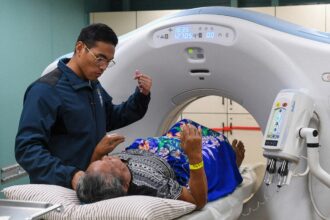
- Advanced Imaging Technologies: Beyond standard X-rays and CT scans, modern infrastructure boasts MRI machines with higher field strengths for sharper images, PET scans for metabolic imaging, and specialized ultrasound equipment.
- Robotic Surgery: While often highlighted, robotic surgery systems are a perfect example of how infrastructure supports advanced procedures. These systems offer surgeons enhanced precision, dexterity, and visualization, leading to less invasive surgeries and faster recovery times for patients.
- 3D Printing for Medical Applications: From intricate anatomical models for surgical planning and training to custom prosthetics and even bioprinted tissues, 3D printing is becoming an integral part of medical infrastructure, enabling personalized and innovative solutions.
The evolution of modern medicine infrastructure is crucial for improving healthcare delivery worldwide. A recent article discusses innovative strategies that can enhance the efficiency and accessibility of medical services, highlighting the importance of technology integration in hospitals. For further insights, you can read more about these advancements in healthcare systems in this informative piece found here. By focusing on infrastructure improvements, we can ensure that medical facilities are better equipped to meet the needs of diverse populations.
The Human Element: Training, Cybersecurity, and Ethical Considerations
It’s crucial to remember that all this technology and infrastructure is designed to serve people – both patients and healthcare professionals. The human element, supported by robust training and careful consideration of ethical implications, is what truly makes modern medicine infrastructure revolutionary.
Equipping the Workforce for the Future
The rapid evolution of healthcare technology demands a continuous update of skills for the people who use it.
- Digital Literacy and Training: Healthcare professionals need to be proficient in using EHRs, telehealth platforms, and various digital health tools. Ongoing training programs are essential to keep pace with new software and hardware.
- Data Interpretation Skills: Beyond collecting data, healthcare providers need to be able to interpret the information generated by AI and monitoring devices to make informed clinical decisions.
- Empathy in a Digital Age: While technology enhances efficiency, the core of healthcare remains human connection. Training needs to emphasize maintaining empathy and strong patient relationships even within digital-first or hybrid care models.
Cybersecurity and Data Privacy: A Non-Negotiable
The more digital our healthcare becomes, the more critical cybersecurity and data privacy measures are. A breach of patient data can have devastating consequences.
- Robust Security protocols: Implementing multi-factor authentication, encryption, regular security audits, and intrusion detection systems are vital to protect sensitive health information.
- Compliance with Regulations: Adhering to strict data privacy regulations like HIPAA (in the US) and GDPR (in Europe) is not just a legal requirement but a fundamental ethical obligation.
- Patient Education on Data Security: Empowering patients to understand how their data is protected and what their rights are is also part of a secure and trustworthy modern healthcare infrastructure.
Ethical Frameworks and Responsible Innovation
As AI and other advanced technologies become more integrated, ethical considerations move to the forefront.
- Algorithmic Bias: Ensuring that AI algorithms are not perpetuating existing biases in healthcare access or treatment is an ongoing challenge that requires careful development and monitoring.
- Transparency and Accountability: Understanding how AI makes decisions and establishing clear lines of accountability when errors occur are crucial for building trust.
- Equitable Access to Technology: A key goal of modern infrastructure should be to ensure that these advancements benefit all individuals, regardless of their socioeconomic status or location, preventing a digital divide in healthcare.
In essence, revolutionizing healthcare through modern medicine infrastructure is a multifaceted endeavor. It’s about building a connected, intelligent, and secure ecosystem that empowers healthcare providers, enhances patient outcomes, and makes quality care more accessible than ever before. It’s an ongoing journey of innovation, and understanding these foundational elements gives us a clearer picture of where healthcare is headed.

Why Modern Medicine Can’t Store Tomorrow
FAQs

What is modern medicine infrastructure?
Modern medicine infrastructure refers to the network of facilities, equipment, and technology that supports the delivery of healthcare services. This includes hospitals, clinics, laboratories, medical devices, and information systems.
What are the key components of modern medicine infrastructure?
Key components of modern medicine infrastructure include advanced medical equipment such as MRI machines, CT scanners, and robotic surgical systems, as well as electronic health records (EHR) systems, telemedicine platforms, and modern pharmaceutical manufacturing facilities.
How does modern medicine infrastructure impact patient care?
Modern medicine infrastructure plays a crucial role in improving patient care by enabling healthcare providers to diagnose and treat diseases more effectively, enhance communication and collaboration among healthcare professionals, and streamline administrative processes to ensure better patient outcomes.
What are the challenges in developing modern medicine infrastructure?
Challenges in developing modern medicine infrastructure include the high cost of acquiring and maintaining advanced medical equipment, the need for skilled healthcare professionals to operate and manage these technologies, and the requirement for robust cybersecurity measures to protect patient data.
What are the benefits of investing in modern medicine infrastructure?
Investing in modern medicine infrastructure can lead to improved healthcare outcomes, increased efficiency in healthcare delivery, better disease prevention and management, and enhanced research and development capabilities for new medical treatments and technologies.