The origins of fighter pilot training date back to the early 20th century during World War I, when military aviation emerged as a new form of warfare. The first combat aircraft appeared in 1914, initially used for reconnaissance missions before evolving into dedicated fighting machines. Early pilot training was rudimentary and often conducted through informal apprenticeships with experienced aviators.
Training programs typically lasted only a few weeks and focused on basic flight maneuvers and aircraft handling. The high casualty rates among pilots—with an average life expectancy of just 11 days for new pilots on the Western Front—highlighted the urgent need for more comprehensive training methods. By 1917, formal flight schools were established in Britain, France, and Germany, introducing structured curricula that included aerial gunnery, formation flying, and combat tactics.
These early training programs laid the foundation for modern fighter pilot education, establishing principles of progressive skill development and tactical instruction that continue to influence military aviation training today.
Key Takeaways
- Fighter pilot training has evolved significantly from its origins, shaped by major global conflicts like World Wars I and II.
- Technological advancements, including simulation and virtual reality, have revolutionized training methods.
- Cognitive training plays a crucial role in developing pilots’ decision-making and adaptability skills.
- Post-World War II, training programs shifted to incorporate new technologies and strategic approaches.
- Future fighter pilot training emphasizes continuous innovation, adaptability, and flexibility to meet emerging challenges.
Initially, there was no formalized training program for pilots; instead, aspiring aviators learned through a combination of trial and error, mentorship from experienced pilots, and rudimentary flight schools. The need for skilled pilots became apparent as aerial combat emerged as a critical component of warfare. As nations recognized the strategic advantage that air superiority could provide, they began to establish more structured training programs aimed at developing proficient fighter pilots.
In these formative years, training focused primarily on basic flying skills and aircraft handling. Pilots were taught to navigate their planes, perform basic maneuvers, and engage in dogfights with enemy aircraft. The emphasis was on survival and combat effectiveness rather than comprehensive training regimens.
As the war progressed, the demand for skilled pilots surged, leading to the establishment of dedicated training schools.
The Evolution of Fighter Pilot Training Techniques
As military aviation advanced, so too did the techniques employed in fighter pilot training. The interwar period saw significant developments in aircraft technology and combat tactics, prompting a reevaluation of training methodologies. The introduction of more sophisticated aircraft required pilots to master new skills, including advanced aerial maneuvers and tactics for engaging enemy fighters.
Training programs began to incorporate elements such as formation flying, aerial gunnery, and navigation under various conditions. By World War II, the evolution of fighter pilot training techniques had reached new heights. The introduction of multi-engine aircraft and the need for coordinated group tactics necessitated a more comprehensive approach to pilot education.
Training programs expanded to include not only flight instruction but also ground school courses covering aerodynamics, meteorology, and aircraft systems. This holistic approach ensured that pilots were well-rounded and capable of making informed decisions in high-pressure situations. The emphasis on teamwork and communication became paramount as pilots learned to operate effectively within larger formations.
The Impact of World War I on Fighter Pilot Training
World War I marked a pivotal moment in the history of fighter pilot training, as it was during this conflict that aerial combat first became a recognized military discipline. The war highlighted the necessity for trained aviators who could effectively engage in dogfights and conduct reconnaissance missions. As a result, nations began to invest in pilot training programs that would produce skilled aviators capable of meeting the demands of modern warfare.
The lessons learned from World War I had a profound impact on subsequent training methodologies. The experiences of pilots in combat revealed the importance of not only technical flying skills but also psychological resilience and tactical acumen. Training programs began to incorporate elements designed to enhance a pilot’s ability to think critically under pressure and make quick decisions in the heat of battle.
This shift laid the foundation for future advancements in fighter pilot training, emphasizing the need for a well-rounded approach that addressed both technical proficiency and mental fortitude.
The Role of Technology in Revolutionizing Fighter Pilot Training
| Year | Event | Key Development | Impact on Training |
|---|---|---|---|
| 1910s | Early Military Aviation Training | Basic flight instruction with limited formal curriculum | Set foundation for pilot training during WWI |
| 1940s | World War II Training Expansion | Introduction of standardized training programs and simulators | Increased pilot production and improved combat readiness |
| 1960s | Jet Age and Advanced Simulators | Use of high-fidelity flight simulators and jet trainers | Enhanced pilot skills and safety in high-speed flight |
| 1980s | Introduction of Computer-Based Training | Integration of computer simulations and virtual reality | Reduced training costs and improved scenario variety |
| 2000s | Networked Training Systems | Use of networked simulators for joint and coalition training | Improved coordination and tactical training realism |
| 2010s | Use of AI and Data Analytics | Incorporation of AI for adaptive training and performance analysis | Personalized training paths and enhanced pilot evaluation |
| 2020s | Virtual and Augmented Reality Integration | Deployment of VR/AR for immersive training environments | Increased engagement and cost-effective training solutions |
The advent of technology has played a transformative role in the evolution of fighter pilot training. From the early days of flight simulators to the sophisticated virtual reality systems used today, technological advancements have significantly enhanced the training experience for aspiring pilots. These innovations have allowed for more realistic training scenarios, enabling pilots to practice complex maneuvers and emergency procedures without the risks associated with actual flight.
One of the most notable technological advancements in recent years has been the development of advanced flight simulators. These simulators provide an immersive environment where pilots can experience various flight conditions and scenarios that would be difficult or dangerous to replicate in real life. By utilizing high-fidelity graphics and realistic physics engines, these simulators allow pilots to hone their skills in a controlled setting, preparing them for the challenges they will face in actual combat situations.
Furthermore, technology has enabled trainers to analyze performance data from simulations, providing valuable feedback that can be used to tailor individual training programs.
The Influence of World War II on Fighter Pilot Training
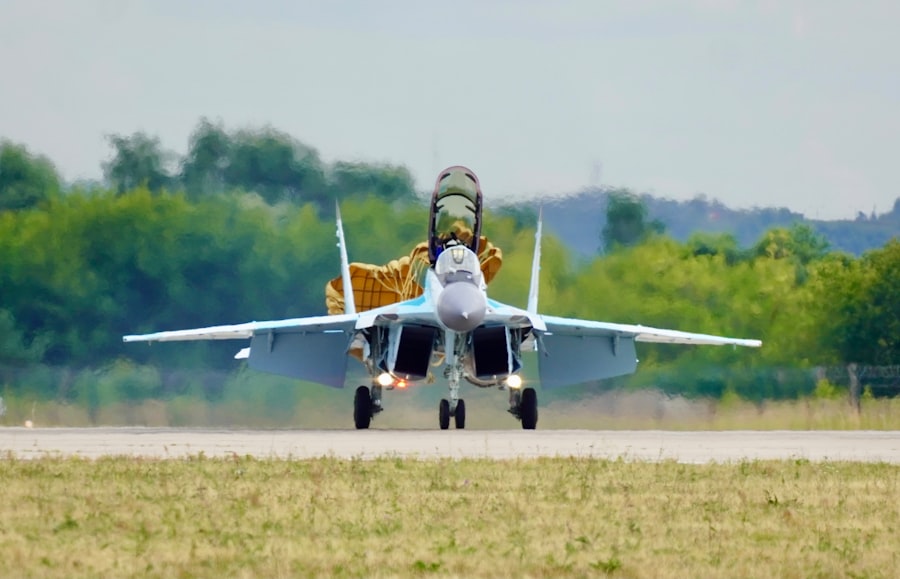
World War II brought about unprecedented changes in fighter pilot training due to the scale and intensity of aerial combat during this period. The war necessitated rapid expansion of air forces across multiple nations, leading to an urgent need for trained pilots. In response, military organizations developed extensive training programs that could accommodate large numbers of recruits while maintaining high standards of proficiency.
The conflict also underscored the importance of specialized training for different types of aircraft and missions. As air combat evolved with the introduction of faster and more agile fighters, training programs adapted accordingly. Pilots were trained not only in basic flying skills but also in specific tactics tailored to their assigned aircraft and mission profiles.
This specialization allowed for greater effectiveness in combat operations and contributed to the overall success of air campaigns during the war.
Changes in Fighter Pilot Training Post-World War II
Following World War II, fighter pilot training underwent significant changes as military aviation continued to evolve. The introduction of jet aircraft brought about new challenges that required a reevaluation of existing training methodologies. Jet engines allowed for higher speeds and altitudes, necessitating adjustments in pilot training to ensure that aviators could safely operate these advanced machines.
In addition to changes in aircraft technology, post-war training programs began to emphasize the importance of psychological preparedness and decision-making skills. Recognizing that modern aerial combat often involved high-stress situations, military organizations sought to develop programs that would enhance pilots’ mental resilience and situational awareness. This shift marked a departure from purely technical training, acknowledging that effective pilots must also possess strong cognitive skills to navigate complex combat scenarios.
The Introduction of Simulation Technology in Fighter Pilot Training
The introduction of simulation technology has revolutionized fighter pilot training by providing a safe and controlled environment for skill development. Early flight simulators were rudimentary compared to today’s advanced systems but laid the groundwork for future innovations. As technology progressed, simulators became increasingly sophisticated, incorporating realistic flight dynamics and environmental conditions that closely mimic real-world scenarios.
Modern simulators allow pilots to practice a wide range of maneuvers and emergency procedures without the risks associated with actual flight. They can engage in simulated dogfights, practice landing on aircraft carriers, or respond to system failures—all while receiving real-time feedback on their performance. This capability not only enhances skill acquisition but also allows instructors to assess individual strengths and weaknesses, tailoring training programs to meet specific needs.
The Role of Cognitive Training in Fighter Pilot Development
Cognitive training has emerged as a critical component of fighter pilot development, recognizing that mental acuity is just as important as technical proficiency.
Cognitive training programs focus on enhancing skills such as situational awareness, problem-solving, and decision-making.
These programs often incorporate techniques from fields such as psychology and neuroscience to optimize cognitive performance. For example, pilots may engage in exercises designed to improve their ability to multitask or maintain focus during high-stress situations. By fostering cognitive resilience alongside technical skills, military organizations aim to produce well-rounded aviators capable of excelling in dynamic combat environments.
The Integration of Virtual Reality in Fighter Pilot Training
Virtual reality (VR) has emerged as a groundbreaking tool in fighter pilot training, offering an immersive experience that enhances skill development and situational awareness. Unlike traditional simulators, VR allows pilots to engage with their environment in a more interactive manner, providing a sense of presence that closely resembles real flight conditions. This technology enables trainees to practice complex maneuvers and scenarios while experiencing realistic visual and auditory feedback.
The integration of VR into training programs has proven particularly beneficial for developing spatial awareness and coordination skills. Pilots can navigate virtual landscapes, interact with other aircraft, and respond to dynamic threats—all within a safe environment. Additionally, VR can be used for debriefing sessions, allowing instructors to review performance in real-time and provide targeted feedback based on specific scenarios encountered during training.
The Future of Fighter Pilot Training: Advancements and Innovations
As military aviation continues to evolve, so too will fighter pilot training methodologies. The future promises further advancements driven by emerging technologies such as artificial intelligence (AI) and machine learning. These innovations have the potential to personalize training experiences by analyzing individual performance data and adapting curricula accordingly.
Moreover, advancements in data analytics may enable trainers to identify trends and patterns in pilot performance across various scenarios, leading to more effective training strategies. As air combat becomes increasingly reliant on unmanned systems and advanced weaponry, future fighter pilot training will likely incorporate new skill sets focused on operating alongside these technologies while maintaining traditional piloting skills.
The Importance of Adaptability and Flexibility in Fighter Pilot Training
In an ever-changing landscape of military aviation, adaptability and flexibility have become essential traits for modern fighter pilots. Training programs must prepare aviators not only for current challenges but also for unforeseen circumstances that may arise during missions. This requires a commitment to continuous learning and an openness to evolving tactics and technologies.
To foster adaptability, training programs increasingly emphasize scenario-based exercises that challenge pilots to think critically and respond effectively under varying conditions. By simulating unpredictable situations—such as sudden changes in weather or unexpected enemy tactics—pilots develop the ability to remain calm under pressure while making informed decisions. This focus on adaptability ensures that fighter pilots are equipped not only with technical skills but also with the mental agility necessary for success in dynamic combat environments.
In conclusion, the journey of fighter pilot training has been marked by significant milestones shaped by historical events, technological advancements, and evolving methodologies. From its origins during World War I through its evolution influenced by subsequent conflicts and innovations, fighter pilot training continues to adapt to meet the demands of modern warfare. As technology advances further into realms such as virtual reality and AI-driven analytics, the future holds exciting possibilities for enhancing pilot development while ensuring that adaptability remains at the forefront of training initiatives.
The history of fighter pilot training has undergone significant transformations over the decades, adapting to advancements in technology and changes in warfare tactics. A related article that delves into the evolution of these training methods can be found at this link. This resource provides insights into how modern training programs have been revolutionized to better prepare pilots for the complexities of contemporary aerial combat.
WATCH THIS! 🎬 The Day Speed Died: How One Jet Changed Air Combat Forever
FAQs
What is the history of fighter pilot training?
Fighter pilot training has evolved significantly since the early 20th century, beginning with basic flight instruction during World War I. Over time, it incorporated advanced tactics, technology, and simulation to prepare pilots for increasingly complex aerial combat scenarios.
How has technology influenced fighter pilot training?
Technology has played a crucial role in revolutionizing fighter pilot training by introducing flight simulators, virtual reality, and advanced avionics. These tools allow pilots to practice combat scenarios safely and cost-effectively, improving their skills without the risks of live training.
What are the key phases of modern fighter pilot training?
Modern fighter pilot training typically includes initial flight screening, basic flight training, advanced tactical training, and specialized instruction on specific aircraft systems. This phased approach ensures pilots develop foundational skills before mastering complex combat techniques.
When did the fighter pilot training revolution begin?
The revolution in fighter pilot training began in the mid-20th century, particularly after World War II, with the introduction of jet aircraft and advanced simulators. This period marked a shift from purely hands-on training to incorporating technology-driven methods.
Why is simulation important in fighter pilot training?
Simulation is important because it allows pilots to experience realistic combat scenarios without the dangers and costs associated with live flying. It enhances decision-making, situational awareness, and emergency response skills in a controlled environment.
How do modern training programs prepare pilots for future combat?
Modern training programs integrate cutting-edge technology, including artificial intelligence and networked simulations, to prepare pilots for future combat environments. They focus on adaptability, multi-domain operations, and the use of unmanned systems alongside manned aircraft.
What role do historical conflicts play in shaping fighter pilot training?
Historical conflicts provide valuable lessons that shape training curricula by highlighting effective tactics, common challenges, and technological needs. Each major conflict has contributed to refining training methods to better prepare pilots for real-world combat.
Are there international differences in fighter pilot training?
Yes, fighter pilot training varies internationally based on each country’s military doctrine, available technology, and strategic priorities. However, many nations collaborate and share best practices to enhance training effectiveness globally.