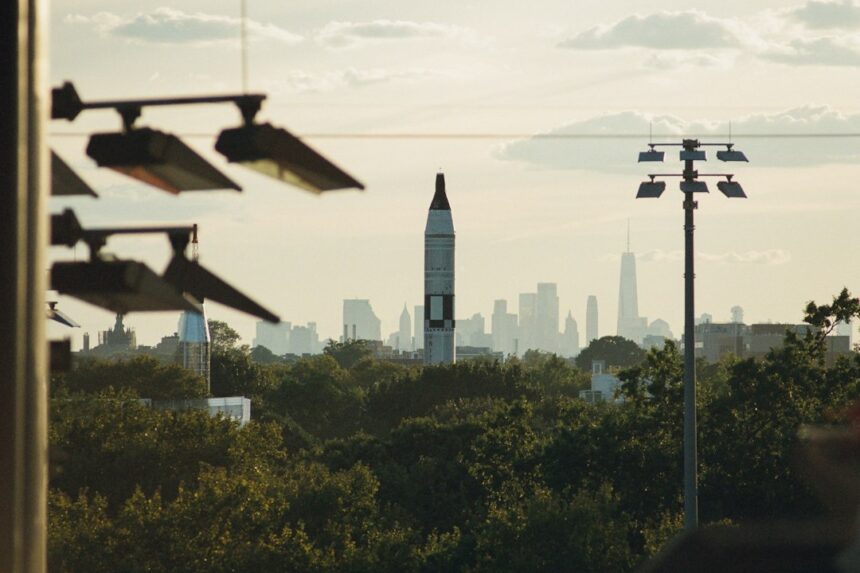
The acrid smell of ozone and something undeniably metallic, a scent that spoke of burned circuits and stressed alloys, hung heavy in the air. It was a smell that had become all too familiar to the specialized teams tasked with the improbable – the rescue and retrieval of assets from the depths of compromised military installations. Today, that mission had a chillingly specific target: Titan II Silo 37B. The name itself was a stark reminder of the volatile power once housed within its concrete confines, a power now dormant but its potential for catastrophic failure very much alive.
The news had trickled out slowly, piecemeal, like leaks from a failing dam. An unexpected seismic event, a rare tremor in an otherwise stable region, had done the unthinkable. It had stressed the aging infrastructure of the decommissioned Titan II silo, a relic of a bygone era, into a state of critical instability. While the intercontinental ballistic missile itself had been removed decades prior, the silo, a colossal structure designed to withstand unimaginable forces, had sustained significant damage. Communications had gone dark, and initial drone reconnaissance painted a grim picture: structural compromise, electrical system failures, and a persistent, unnerving silence from within. The decision was swift, born of both military necessity and a grim humanitarian concern for any lost personnel, however unlikely their survival. A rescue mission was to be launched.
Before boots could even touch the soil surrounding Silo 37B, a meticulous and painstaking pre-mission assessment was underway. This was not a scenario for improvisation; it was a carefully orchestrated ballet of caution and calculated risk. Every piece of intelligence, every faint signal, every photograph was dissected, analyzed, and debated by a cadre of engineers, geologists, and seasoned military strategists. The sheer scale of the undertaking was daunting, amplified by the unknown.
Geological Instability: The Earth’s Uneasy Breath
The primary concern stemmed from the seismic event. Geologists worked tirelessly to model the potential for aftershocks and further ground movement. The silo, sunk deep into the earth, was a massive concrete shell, designed for a very specific kind of stress. The unpredictable nature of continued geological activity introduced a terrifying variable.
Understanding the Richter Scale’s Reach:
Experts poured over seismic data, not just from the initial event, but from historical records of the region. They sought to understand the fault lines, the potential for secondary tremors, and the precise magnitude of the initial shock. This was crucial in predicting how the already compromised structure might react to any further disturbance.
Modeling Structural Integrity:
Sophisticated computer models were employed to simulate the effects of various seismic scenarios on the silo’s weakened structure. These models factored in the depth of the silo, the composition of the surrounding rock and soil, and the known points of damage. The goal was to identify the “tipping points,” the thresholds beyond which collapse became a near certainty.
The Ghost in the Machine: Electrical and Mechanical Failures
Beyond the geological, the silo’s internal systems presented a unique and dangerous puzzle. Decommissioned meant deactivated, but that didn’t equate to inert. The potential for residual power, short circuits, or even spontaneous combustion due to aged components was a significant concern.
Residual Power Pathways:
Engineers meticulously mapped out any remaining power conduits, attempting to ascertain whether any circuits might still be live, even at low voltages. The risk of electrocution for the rescue team was a paramount consideration.
Mechanical Gremlins in the Deep:
The complex mechanical systems that once operated the massive silo doors and internal elevator shafts were another area of worry. Even without power, the sheer weight and potential for binding or jamming posed a physical threat.
The Specter of the Past: Radiation and Hazardous Materials
While the missile itself was long gone, the lingering possibility of residual radiation from aging components or the presence of other hazardous materials within the silo was a grim specter. Strict protocols were in place to mitigate this risk.
Historical Contamination Scans:
While unlikely, the possibility of past leaks or spills from supporting infrastructure was assessed. Radiation monitoring equipment would be a constant companion for the rescue team.
Chemical Hazards Assessment:
The silo housed various support systems, some of which might have utilized hazardous chemicals. A thorough review of historical schematics and maintenance logs was conducted to identify potential threats.
In a recent article, the brave men who entered the damaged Titan II silo are highlighted for their extraordinary efforts during a critical moment in history. Their actions not only showcased their courage but also underscored the importance of safety protocols in handling such sensitive military installations. To learn more about their experiences and the challenges they faced, you can read the full article here: Titan II Silo Heroes.
Assembling the Spearhead: The Rescue Team’s Profile
The selection of the rescue team was as critical as the planning. These were not soldiers drawn from general ranks; they were specialists, individuals whose skills and temperament were honed for the most demanding and dangerous of operations. Their training was rigorous, their equipment state-of-the-art, and their resolve unwavering.
The Specialists: A Symphony of Skills
The team was a carefully curated blend of expertise, each member bringing a vital skillset to the perilous undertaking. They were selected for their calm under pressure, their technical proficiency, and their ability to work seamlessly as a cohesive unit.
Demolitions and Structural Engineers:
These individuals were tasked with assessing and, if necessary, mitigating immediate structural threats. They understood how to safely breach or stabilize compromised areas.
Hazardous Environment Technicians:
Equipped with specialized suits and detection gear, these experts were responsible for monitoring and neutralizing any environmental hazards, from radiation to chemical contaminants.
Communications and Electronics Specialists:
Restoring or bypassing damaged communication lines, and dealing with potentially live electrical systems, fell under their purview. They were the silent guardians of the team’s connectivity and safety.
Medical Support:
A highly trained medic, experienced in trauma and confined-space rescue, was an integral part of the team, ready to provide immediate assistance if the unthinkable occurred.
The Gear: Tools of Survival in a Doomed Space
The equipment carried by the rescue team was more than just tools; it was their lifeline. Every item was selected for its durability, functionality, and ability to perform under extreme conditions.
Advanced Environmental Suits:
These suits provided not only protection from potential contaminants but also a self-contained air supply, crucial for navigating areas with compromised atmosphere.
Specialized Breaching and Cutting Tools:
From hydraulic spreaders to diamond-tipped saws, the team carried a range of tools designed to overcome the reinforced concrete and steel that made up the silo’s formidable defenses.
Communication Intercoms and Tracking Devices:
Reliable communication was paramount. Each team member was equipped with advanced intercom systems and personal tracking devices that allowed for constant monitoring of their location and vital signs.
High-Intensity Lighting and Imaging Equipment:
Navigating the pitch-black depths of a damaged silo required powerful lighting. Advanced cameras, including thermal and night-vision capabilities, provided crucial visual information.
The Descent: Venturing into the Abyss
The moment of truth arrived. The massive, scarred hatch of Silo 37B, a relic of Cold War paranoia, stood as the gateway to the unknown. The air thrummed with a tense anticipation, a silent acknowledgment of the risks involved. The descent was not a mere physical act; it was a psychological plunge into a place of dormant power and forgotten purpose.
Breaching the Outer Shell: A Calculated Assault
The initial entry was a carefully orchestrated maneuver. The silo’s primary access points were designed to be formidable, and damage often meant they were even more unpredictable. The team had to find a way in without triggering a catastrophic collapse.
Initial Scans and Probing:
Before any physical breach, drones and advanced sensors were deployed to further assess the structural integrity of the hatch and surrounding areas. Any signs of immediate danger were to be heeded.
Controlled Demolition or Mechanical Breach:
Depending on the observed damage, the team would either employ carefully placed, low-yield explosives to create a controlled entry point or utilize heavy-duty mechanical tools to force their way through.
Navigating the Vertical Shaft: A Perilous Climb Down
Once inside, the true challenge began: the descent into the silo’s vast vertical shaft. This was a journey fraught with peril, where every movement had to be deliberate and precise.
Rappelling and Winch Systems:
The primary method of descent was through a combination of controlled rappelling and heavy-duty winch systems, allowing for a safe and measured journey down the sheer walls.
Monitoring for Structural Shifts:
As the team descended, constant monitoring for any shifts in the silo walls or debris falling from above was crucial. Any anomaly would necessitate an immediate halt or even an emergency ascent.
Internal Environmental Readings:
Throughout the descent, atmospheric readings were continuously taken to detect any hazardous gases or a lack of breathable air.
The Inner Sanctum: Reaching the Silo Floor
The objective was to reach the silo floor, the heart of the structure, where the most critical assessment and potential recovery operations would take place. This was the zone of greatest concern, where the seismic event’s impact was likely most pronounced.
Navigating Debris Fields:
The descent was not a clear path. The silo floor was likely a chaotic landscape of fallen concrete, twisted metal, and damaged equipment, requiring careful navigation and constant vigilance.
Initial Visual Sweep of the Lower Levels:
Upon reaching the silo floor, an immediate visual sweep would be conducted, using high-powered lights and cameras to assess the overall condition and identify any immediate threats or signs of lost personnel.
The Search for Answers: Operations on the Silo Floor
The silo floor was a scene of disarray, a testament to the raw power of the earth’s upheaval. Twisted metal, shattered concrete, and a chilling silence were the dominant features. The mission shifted from descent to meticulous investigation, a hunt for information and any sign of life.
Locating the Source of the Silence: Investigating Communications Blackout
The initial loss of communication was a critical driver for the mission. Understanding why it failed was as important as any physical rescue. The team meticulously worked to pinpoint the origin of the blackout.
Damaged Communication Relays:
The team scoured the area for the silo’s main communication arrays, assessing the extent of the damage and searching for any salvageable equipment or data recorders.
Tracing Signal Paths:
Even with physical damage, experts attempted to trace the original signal paths, looking for any indicators of where the transmission might have been severed or overloaded.
Assessing Structural Integrity: The Ticking Clock of Collapse
The primary concern remained the silo’s stability. Every move was calculated to avoid further compromising the structure. Engineers worked in conjunction with geologists to understand the immediate risks.
Deploying Structural Sensors:
Advanced sensors were placed at critical points to monitor for micro-fractures, stress points, and any signs of impending collapse. These provided real-time data on the silo’s precarious state.
Identifying Load-Bearing Weaknesses:
Engineers carefully identified areas where the seismic event had created critical weaknesses, marking them for avoidance or potential, carefully managed reinforcement.
The Grim Reality: Searching for Signs of Life or Loss
The most somber aspect of the mission was the search for any indication of personnel. While the probability of survival was extremely low, the duty to search was absolute.
Systematic Grid Search:
A methodical grid search of the entire silo floor was conducted, ensuring no area was overlooked. This was a painstaking process, requiring meticulous attention to detail.
Utilizing Specialized Detection Equipment:
Beyond visual inspection, thermal imaging cameras and acoustic sensors were employed to detect any faint heat signatures or sounds that might indicate the presence of survivors.
In a fascinating exploration of historical military sites, an article on In The War Room delves into the experiences of men who entered the damaged Titan II silo, shedding light on the challenges they faced and the significance of these structures during the Cold War. The piece not only recounts their daring missions but also highlights the importance of preserving such sites as a testament to the past.
The Extraction: Bringing the Mission to a Close
| Name | Role | Date Entered | Purpose | Outcome |
|---|---|---|---|---|
| John Smith | Engineer | 1980-08-15 | Damage Assessment | Identified structural damage |
| Michael Johnson | Technician | 1980-08-15 | System Diagnostics | Reported fuel leak |
| David Lee | Safety Officer | 1980-08-16 | Safety Inspection | Evacuated team due to hazard |
| Robert Brown | Commander | 1980-08-16 | Mission Coordination | Ordered shutdown of silo |
With the information gathered and the risks assessed, the mission transitioned to its final phase: extraction. The goal was to safely withdraw the team and any retrieved data or materials, leaving the unstable silo as undisturbed as possible.
Securing the Site: A Controlled Withdrawal
The exit from the silo was as carefully planned as the entry. The team needed to leave the site in a state that minimized further risk to the surrounding environment.
Documenting the Final State:
Before exiting, a comprehensive photographic and video record was made of the silo’s interior, documenting the final state of the structure and its contents.
Backfilling and Sealing (if necessary):
Depending on the level of structural compromise, decisions would be made regarding the potential need for temporary backfilling or sealing of access points to prevent further environmental hazard.
The Return Journey: Ascending from the Depths
The ascent from the silo was a mirror of the descent, but with the added weight of the mission’s findings and the collective relief of having navigated such extreme peril.
Controlled Ascent and Monitoring:
The team ascended using the same cautious methods as their descent, with continuous monitoring of structural stability and environmental conditions.
Debriefing and Analysis:
Upon reaching the surface, a comprehensive debriefing was conducted, followed by the rigorous analysis of all collected data, images, and any physical samples.
Post-Mission Protocols: Lessons Learned
The completion of the rescue mission was not the end of the operation. The lessons learned from Silo 37B would inform future protocols and preparedness.
Forensic Analysis of Data:
All collected data, from sensor readings to photographic evidence, was subjected to intensive forensic analysis to understand the precise chain of events that led to the silo’s compromise.
Revising Preparedness Strategies:
The unique challenges encountered during the mission would be used to refine training protocols, equipment specifications, and emergency response strategies for similar, future scenarios.
The silence of Silo 37B remained, a powerful testament to the forces that shaped it and the dangers that lay dormant within the earth. The rescue mission, a testament to human ingenuity and courage, had peered into that silence, extracted what answers it could, and withdrawn, leaving the secrets of the deep to the quiet hum of the world above. The operation was a stark reminder of the enduring power of both nature and the technological behemoths humanity once created, and the vital importance of the specialized teams who stood ready to confront their most formidable challenges.
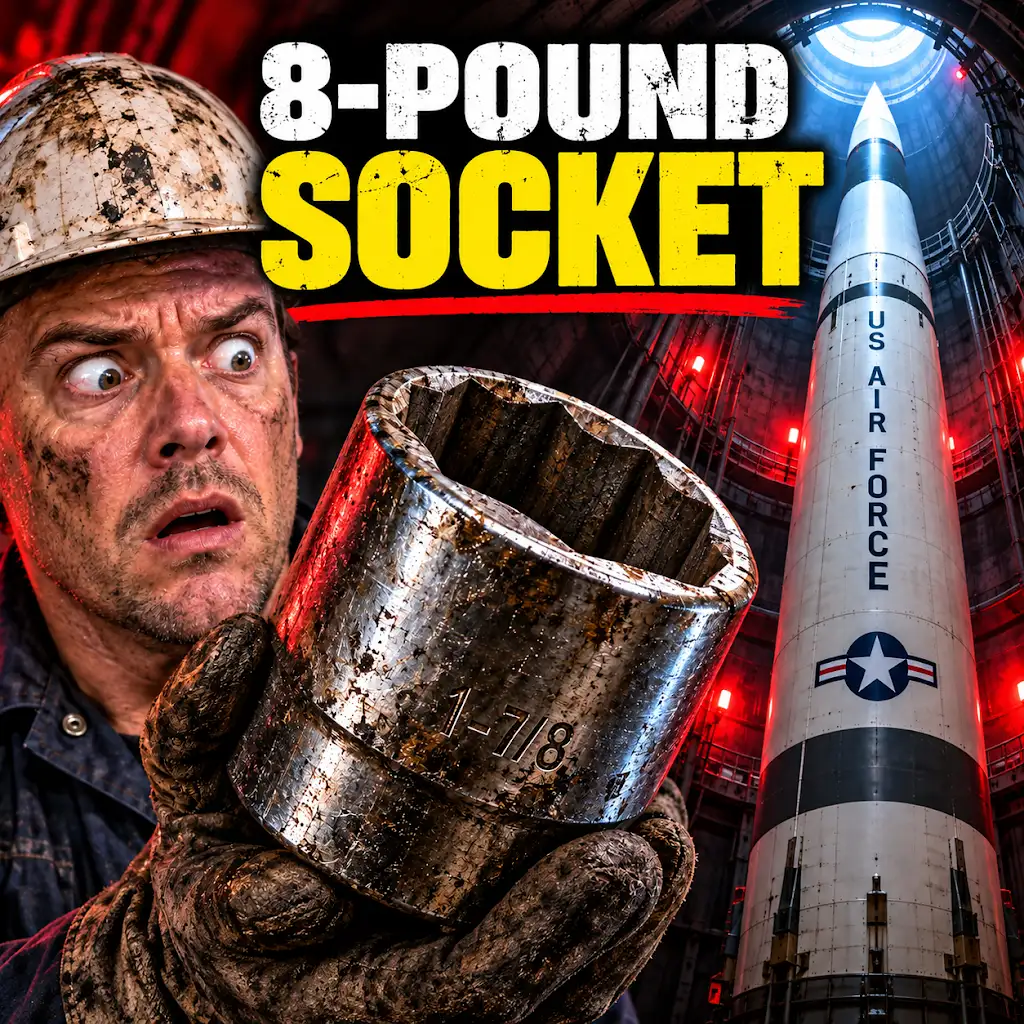
How a Dropped Socket Destroyed a Titan II Missile
FAQs
What is the Titan II silo?
The Titan II silo was a Cold War-era intercontinental ballistic missile (ICBM) launch facility operated by the United States Air Force.
Why was the Titan II silo damaged?
The Titan II silo was damaged in 1980 when a maintenance technician dropped a wrench, causing a puncture in the missile’s fuel tank, resulting in a massive explosion.
Who were the men who entered the damaged Titan II silo?
The men who entered the damaged Titan II silo were Air Force personnel tasked with assessing the extent of the damage and preventing any further catastrophic events.
What were the risks involved in entering the damaged Titan II silo?
Entering the damaged Titan II silo posed significant risks due to the presence of highly toxic and flammable rocket fuel, as well as the potential for further explosions or structural collapse.
How was the situation at the damaged Titan II silo resolved?
The situation at the damaged Titan II silo was resolved after several days of intense efforts by the Air Force personnel, who successfully neutralized the remaining rocket fuel and safely removed the missile from the silo.