Remote Viewing: The Mystery of the Moon Base
So, can remote viewing actually confirm a secret moon base? The short answer is: it’s complicated. While some remote viewers claim to have “seen” evidence of a lunar presence, it’s crucial to approach these accounts with a healthy dose of skepticism. The nature of remote viewing itself – its subjective interpretation and lack of verifiable, independent proof – makes definitive conclusions about something as monumental as a moon base incredibly difficult.
Remote viewing (RV) is a controversial topic, often found at the intersection of psychic phenomena and parapsychology. At its core, it’s the idea that some individuals can gather information about a distant or unseen target using their minds, without relying on the normal five senses. Think of it as a sort of mental “tuning in” to a specific location, object, or event.
The Psychic Component
The underlying theory, proponents suggest, is that there’s a subtle energy field or consciousness that connects everything. Remote viewers are believed to be able to access this field to glean information. This isn’t about telepathy in the sense of reading someone’s specific thoughts, but more about picking up impressions, images, feelings, and even abstract concepts related to the target.
The “Scientific” Approach (Sort Of)
While it sounds purely mystical, there have been attempts to study remote viewing in a more structured way. The most famous and influential period was the U.S. government’s funding of remote viewing research, particularly through projects like STAR GATE. These programs, which ran for decades, aimed to see if RV could be a viable intelligence-gathering tool. They developed protocols and methodologies to try and ensure the results weren’t just random guesses.
Strict Protocols and Blind Targets
A key aspect of these protocols was the concept of “blind targets.” This means the remote viewer wouldn’t know what they were supposed to be viewing beforehand. The target would be assigned a code, and only a neutral party would have access to the actual target description. This was meant to prevent the viewer from unconsciously influencing their own results based on expectations.
The Role of the “Monitor”
In many RV sessions, a “monitor” plays a crucial role. This person guides the viewer, asking clarifying questions and helping them to articulate their impressions. The monitor is supposed to remain neutral and not steer the viewer towards any particular outcome. This interaction is considered part of the process, helping to refine the data.
For those interested in the intriguing concept of remote viewing and its potential applications in exploring extraterrestrial environments, a related article can be found on the topic of a Moon base. This article delves into the possibilities of using remote viewing techniques to gather insights about lunar habitats and their potential for human colonization. To learn more, you can read the full article at In The War Room.
The Claims of a Moon Base
Over the years, stories and alleged evidence of a human presence on the moon, beyond the Apollo missions, have circulated in fringe communities and ufology circles. These theories range from hidden NASA bases to extraterrestrial outposts. Naturally, with the rise of remote viewing as a purported method of obtaining hidden information, the moon base became a popular target for RV investigations.
Early RV Explorations
Some of the earliest and most well-known remote viewing sessions focused on what might be on the moon. Viewers, often working on blind targets, started describing structures, lights, and even human-like figures. These initial impressions, when later compared to speculative theories about moon bases, seemed to align in intriguing ways for proponents.
Specific Structures and Activities
Accounts from remote viewers often describe specific types of structures. These aren’t usually depicted as crude huts, but rather as sophisticated buildings, sometimes underground, with advanced technology. Descriptions can include domes, large metallic structures, energy sources, and even vehicles. Some viewers claim to have perceived activity – beings moving around, operating machinery, or conducting experiments.
The “Alien” Connection
A significant portion of the moon base narrative in remote viewing circles often involves extraterrestrial involvement. Viewers might describe non-human beings, either interacting with humans or operating independently. This taps into broader theories about alien visitation and hidden agendas.
Challenges in Interpretation
It’s vital to highlight that the descriptions are often impressionistic and open to interpretation. A “shimmering light” could be a natural phenomenon, a technological glitch, or exactly what it sounds like – a sophisticated energy source. The ambiguity is inherent in the RV process.
Analyzing the Evidence (or Lack Thereof)
When we talk about “evidence” in the context of remote viewing, we’re dealing with something very different from scientific evidence. It’s about subjective impressions, patterns that emerge, and how these patterns align with pre-existing theories.
Subjectivity is Key
The biggest hurdle for remote viewing as proof of anything is its inherent subjectivity. What one viewer “sees” as a military installation, another might interpret as a geological formation. There’s no objective measuring stick. Even with rigorous protocols, the final interpretation of the data still rests with the human mind.
The “Confirmatory Bias” Trap
This is where “confirmatory bias” becomes a real problem. If a remote viewer has heard theories about a moon base, or if their monitor subtly guides them, they might unconsciously (or consciously) shape their perceptions to fit those expectations. It’s very easy to find what you’re looking for, especially when the target is vague.
What About the Apollo Photos?
Skeptics often point to the extensive photographic evidence from the Apollo missions. If there were bases, especially those visible from the lunar surface, surely they would have been captured in some of these images. Proponents of RV might argue that these bases are deliberately concealed, underground, or located in areas not covered by official photography.
The “Hidden in Plain Sight” Argument
Another common argument is that the bases are “hidden in plain sight” – meaning they might be disguised to look like natural features or are simply not recognized for what they are by conventional analysis. This is where remote viewing is pitched as a way to bypass these conventional limitations.
The Lack of Independent Verification
Crucially, there’s a lack of independent, verifiable confirmation for these remote viewing claims. No scientific body has validated the existence of a moon base based on RV data. If remote viewing could reliably reveal something as significant as a secret lunar installation, it would likely have found its way into mainstream scientific discourse by now.
Remote Viewing Methodologies and Protocols

To understand the claims, it’s helpful to look at how remote viewing is actually done, at least by those who practice it seriously. The goal is to try and make the process as objective as possible, despite its inherent limitations.
Controlled Remote Viewing (CRV)
One of the most well-known and structured methods is Controlled Remote Viewing (CRV). Developed by Ingo Swann and further refined by others, CRV involves a series of stages and analytical tools designed to break down the information received into manageable chunks.
Stages of CRV
CRV typically progresses through distinct stages. Viewers start by making basic sensory impressions (e.g., “Is it hard? Is it cold?”). They then move on to more descriptive stages, sketching shapes, textures, and colors. Later stages involve conceptual understanding and even the creation of narrative descriptions of the target.
The “Crack” and “Wash” Techniques
Within CRV, there are techniques designed to prevent bias. The “crack” involves the viewer consciously trying to find contradictory information or weaknesses in their own impressions. The “wash” is a period of mental “cleansing” to clear the mind before returning to the target.
Associative Remote Viewing (ARV)
Another approach is Associative Remote Viewing (ARV). This method is often used for predicting future events, but the underlying principle can be applied to target identification. It involves associating a set of binary choices (e.g., yes/no, image A/image B) with specific outcomes or target characteristics. The viewer then attempts to “see” which association is correct.
Data Analysis and Corroboration
After a session, the data is analyzed. This might involve comparing the impressions from multiple viewers who were given the same blind target. If there’s a high degree of consistency in the descriptions, proponents argue it strengthens the validity of the findings.
The “Blind Analysis” Imperative
Ideally, the analysis of the RV data should also be blind, meaning the analyst doesn’t know what the target is. This is to prevent them from unconsciously influencing their interpretation of the viewer’s scribbles and descriptions.
Recent discussions about the potential for a Moon base have sparked interest in various unconventional methods of exploration, including remote viewing. This intriguing practice, which involves perceiving or describing details about a distant or unseen target, has been explored in various contexts, including military and scientific applications. For those interested in learning more about the intersection of remote viewing and lunar exploration, a related article can be found here: exploring the implications of remote viewing on future Moon missions. This piece delves into how such techniques could enhance our understanding of extraterrestrial environments.
Why the Moon Base Remains Speculative
| Location | Distance from Earth | Estimated Cost |
|---|---|---|
| Moon | 384,400 km | Billions of dollars |
Given the persistent claims and the interest in remote viewing, why isn’t there a widely accepted understanding of a moon base? The answer lies in the fundamental nature of both the claims and the “evidence” provided.
The Burden of Proof
The burden of proof lies with those making the extraordinary claim. To prove the existence of a secret moon base, you’d need evidence that is as extraordinary as the claim itself. Remote viewing, by its very definition, doesn’t provide that kind of independent, objective evidence.
Alternative Explanations
For every “structured building” described by a remote viewer, there are numerous natural geological formations on the moon that could be misinterpreted. The moon’s surface is covered in craters, mountains, and lava tubes – features that can appear unusual and potentially structure-like to the untrained eye.
The History of Hoaxes and Misinformation
The history of ufology and fringe theories is littered with hoaxes, misinterpretations, and outright fabrications. It’s wise to maintain a critical stance towards any claims that lack robust, verifiable evidence, especially when they rely on methods that are not scientifically validated.
The “Official Narrative” vs. Fringe Theories
Ultimately, the idea of a secret moon base sits squarely in the realm of fringe theories. The overwhelming scientific and photographic evidence from decades of lunar exploration and observation does not support such claims. Until remote viewing can produce undeniable, independently verifiable data, it will remain speculative.
The Appeal of the Unknown
The allure of a secret moon base, and the idea that remote viewing can unlock such mysteries, speaks to a deep human curiosity about the unknown. It’s the appeal of uncovering hidden truths and challenging established narratives. However, fascination alone doesn’t make a claim true.
The Future of Remote Viewing and Lunar Mysteries
While remote viewing hasn’t definitively proven a moon base, its continued exploration raises interesting questions about consciousness, perception, and the limits of human knowledge.
Continued Research and Experimentation
Despite the skepticism, some researchers continue to explore remote viewing. The hope is that with more refined methodologies and better understanding of the phenomenon, it might yield more concrete results in the future. However, significant breakthroughs are needed to move it from the fringes to mainstream acceptance.
The Role of Technology
As technology advances, it’s possible that new ways to assess and corroborate remote viewing data might emerge. However, the fundamental subjective nature of the practice presents a significant challenge.
The Enduring Fascination
The mystery of what might be hidden on the moon, whether it’s a base or something else entirely, is likely to endure. Remote viewing, in its own way, offers a glimpse into that enduring human desire to explore the unknown and uncover secrets.
A Tool for Exploration, Not Proof
For now, it’s best to view remote viewing not as definitive proof of anything, but as a fascinating, albeit unproven, method of exploring consciousness and perception. The moon base, in this context, remains a tantalizing possibility fueled by speculation and intriguing, but ultimately unverified, subjective impressions. It’s a story that continues to be written in the realm of the unexplained.
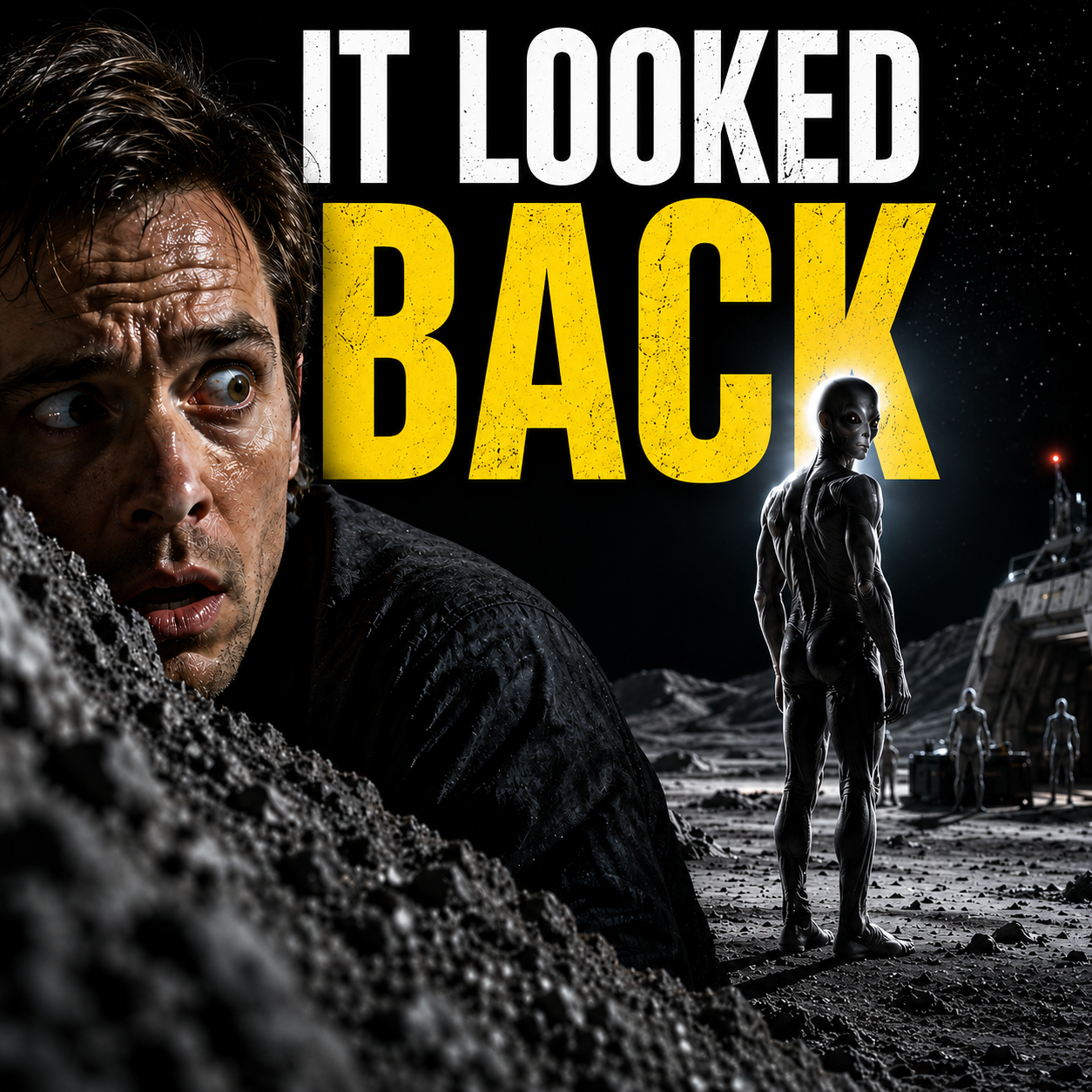
He Remote Viewed the Moon. Then Something Saw Him.
FAQs
What is remote viewing?
Remote viewing is the practice of seeking impressions about a distant or unseen target, purportedly using extrasensory perception (ESP) or “sensing” with the mind.
What is the Moon base remote viewing theory?
The Moon base remote viewing theory suggests that there is a secret base on the Moon that is being hidden from the public. This theory is based on claims made by individuals who practice remote viewing.
Is there any scientific evidence to support remote viewing?
There is no scientific evidence to support the existence of remote viewing as a valid phenomenon. The practice is considered pseudoscience by the scientific community.
What do skeptics say about the Moon base remote viewing theory?
Skeptics argue that remote viewing is not a reliable method for obtaining accurate information and that claims about a Moon base are unsubstantiated and lack credible evidence.
What are some alternative explanations for the claims about a Moon base from remote viewing?
Some alternative explanations for the claims about a Moon base from remote viewing include the possibility of misinterpretation, imagination, or the influence of popular culture and science fiction on the individuals practicing remote viewing.