Remembering the Easter Parade: Berlin Airlift Legacy
The chime of bells, the scent of blooming lilies, the vibrant tapestry of spring – these are the familiar hallmarks of Easter. Yet, for those who lived through the harrowing years of the Berlin Airlift, the season of renewal held a particularly poignant and profoundly significant meaning. The Easter Parade, in its most unlikely of contexts, became a symbol of defiance, hope, and the enduring spirit of freedom that would ultimately prevail against the crushing weight of Soviet blockade. This is not a story of jubilant parades down sun-drenched avenues, but of a different kind of procession, one etched in the memories of a city under siege, a testament to the unwavering resolve of its people and the extraordinary courage of those who flew to their aid.
The post-World War II geopolitical landscape was a complex and precarious one. Germany, defeated and divided, found itself at the heart of a burgeoning Cold War. Berlin, itself split into four occupation zones, was an island of Western influence deep within the Soviet-controlled East German territory. The city, a symbol of both past devastation and future possibility, became a focal point of ideological struggle. The Soviet Union, seeking to consolidate its power and push the Western Allies out of Berlin, initiated a blockade on June 24, 1948. All land and water routes into West Berlin – the sectors controlled by the United States, Great Britain, and France – were severed.
The Iron Curtain Descends
The closure of the Teltow Canal, the railway lines, and the autobahns was not merely an inconvenience; it was a deliberate act of strangulation. The Soviets gambled that by cutting off essential supplies, they could force the Western powers to abandon West Berlin, thereby absorbing the entire city into their sphere of influence. The city’s nearly two million inhabitants were suddenly faced with the terrifying prospect of starvation and a bleak future under Soviet domination. The psychological impact was immediate and profound. Fear, uncertainty, and a gnawing sense of isolation gripped the populace. The vibrant city, still bearing the scars of war, now faced a new, insidious enemy: deprivation.
A City on the Brink
The initial days of the blockade were marked by a growing sense of panic. Food reserves were limited, and winter was approaching. The Western Allies, though determined not to yield, were faced with a monumental logistical challenge. The only remaining lifeline was air. The idea of supplying an entire city of millions solely by air seemed audacious, even impossible, to many. Yet, as the harsh reality of the blockade set in, the impossible began to take shape. The spirit of resistance, however, was not solely reliant on external aid. The people of Berlin, remarkably, demonstrated an extraordinary resilience. They understood the stakes, and their resolve to remain free hardened with each passing day of the blockade.
The Easter Parade Berlin Airlift is a fascinating event that highlights the resilience and determination of those involved during a critical period in history. For a deeper understanding of the geopolitical implications and the human stories behind the airlift, you can read a related article that delves into the challenges faced by the Allied forces and the impact on Berlin’s citizens. To explore this insightful piece, visit this link.
The Genesis of Operation Vittles
In the face of an unprecedented crisis, Allied leaders grappled with their options. Direct military confrontation with the Soviet Union was unthinkable, a path that risked a global conflagration. Surrender was an equally unacceptable alternative, a betrayal of democratic principles and a tacit endorsement of Soviet expansionism. The only viable, albeit daunting, solution was the establishment of an airlift. The idea, initially met with skepticism, was championed by visionary figures who understood the strategic and symbolic importance of Berlin. The planning and execution of this monumental undertaking would redefine the capabilities of aerial logistics.
The Dawn of a New Era in Aviation
The Berlin Airlift, codenamed “Operation Vittles” by the Americans and “Operation Plainfare” by the British, was a feat of engineering, organization, and sheer human endeavor. It demanded an unprecedented scale of aerial operations. Aircraft, many of them the workhorses of World War II, were repurposed and pressed into service. The sheer volume of supplies required – food, coal, medicine, and raw materials – was staggering. The logistical challenges were immense, from coordinating flight paths and air traffic to ensuring the efficient unloading and distribution of goods on the ground. This was not simply about flying planes; it was about orchestrating a complex, continuous ballet in the skies above a beleaguered city.
The ‘Rosinenbomber’ and the Spirit of Generosity
Among the most iconic and touching elements of the airlift was the spontaneous act of kindness by pilot Gail Halvorsen. Witnessing the joy of children gathered at the airfield, he began dropping small parcels of candy attached to handkerchief parachutes. This simple gesture, born of empathy, quickly gained momentum. Soon, other pilots joined in, and the “Rosinenbomber” (Raisin Bombers) became a beloved symbol of hope and compassion. These tiny parachutes, carrying sweets and cigarettes, represented more than just a treat; they were a tangible connection to the outside world, a reminder that they were not forgotten, and a profound expression of goodwill.
The Easter Parade of Planes: A Symbol of Deliverance
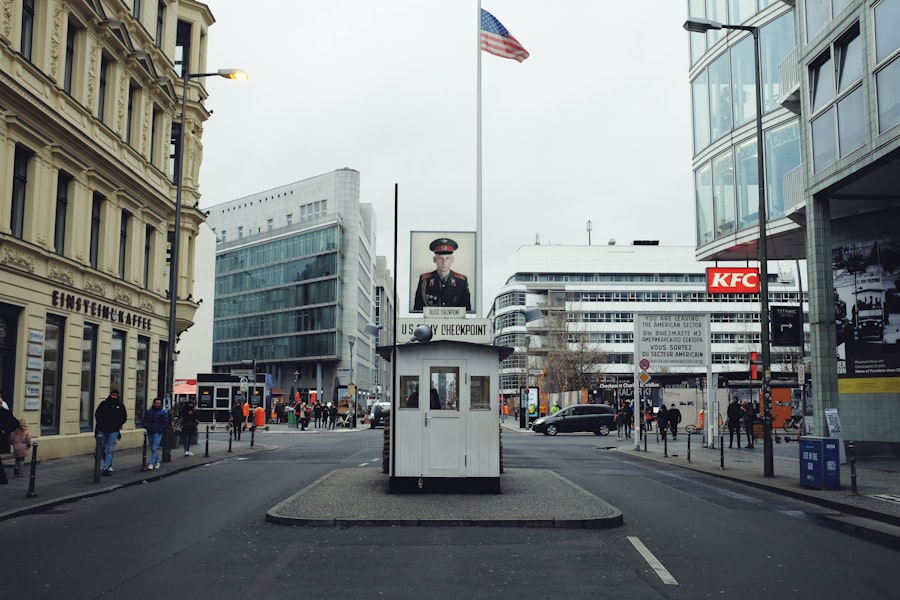
As the blockade stretched into months, and the harsh realities of winter began to recede, the approaching spring brought a fragile sense of renewed hope. Easter, a time of rebirth and resurrection, took on a particularly potent significance in the context of the airlift. The skies over Berlin, once filled with the ominous sound of approaching bombers, were now alive with the hum of engines, the relentless rhythm of planes bringing life-sustaining supplies. The Easter period, therefore, became a poignant focal point, a moment when the resilience of the city and the commitment of the Allies were most tangibly demonstrated.
A New Kind of Procession
The Easter Parade, in the context of the airlift, was not a terrestrial procession of marching bands and decorated floats. Instead, it was a spectacular aerial display. Thousands of flights, carrying vital cargo, traversed the air corridors day and night. The continuous stream of aircraft became a visual and auditory testament to the determination of the Allies and the unwavering spirit of the Berliners. The roar of engines overhead was a constant reminder that help was arriving, that freedom was being defended, and that the city would not yield. For the children who had known only scarcity and fear, the sight and sound of these planes were a source of immense fascination and a promise of brighter days.
Gifts from the Sky: More Than Just Food
The cargo manifest of the airlift was a diverse and critical list. While food was paramount, the planes also carried coal to keep homes warm, medicine to treat the sick, and essential materials for industries. The arrival of Easter goods, even in small quantities, further amplified the symbolic importance of the airlift during this season. Imagine the joy of receiving a small parcel of chocolate or a new dress, delivered from the sky, during a time of such profound hardship. These were not mere commodities; they were tokens of solidarity, tangible proof that the world had not abandoned them. The Easter parades of planes became, in essence, a parade of miracles, each flight a testament to human ingenuity and compassion.
The Human Cost and the Enduring Legacy
The Berlin Airlift was not without its sacrifices. The immense pressure on the pilots and ground crews, the constant danger of air accidents, and the inherent risks of operating in a hostile environment took a toll. Tragically, many lives were lost in the service of keeping Berlin free. The airfields, though bustling with activity, also bore witness to sorrow. Yet, these sacrifices were not in vain. The unwavering commitment of the Allied forces and the indomitable spirit of the Berliners forged an unbreakable bond.
The Price of Freedom
The statistics of the airlift are staggering. During its 15-month duration, over 2.3 million tons of supplies were delivered by more than 278,000 flights. The average landing or takeoff occurred every minute. The human cost, however, is measured not just in tons of cargo but in the lives lost. Over 70 Allied airmen perished during the airlift, many of them in crashes. Their bravery and sacrifice are an integral part of the airlift’s legacy. The cemeteries where they are laid to rest stand as solemn reminders of the price paid to keep a city free.
A Beacon of Hope and Resistance
The successful conclusion of the Berlin Airlift on May 12, 1949, was a victory of immense proportions. It demonstrated the power of international cooperation, the resilience of the human spirit, and the unyielding desire for freedom. The airlift not only saved West Berlin from falling under Soviet control but also served as a powerful symbol of Western resolve in the face of Soviet aggression. It cemented the city’s status as a beacon of democracy and a frontline in the Cold War. The legacy of the Easter Parades of planes, the “Rosinenbomber,” and the unwavering spirit of the Berliners continues to inspire.
The Easter Parade Berlin Airlift was a significant event in history, showcasing the resilience and determination of those involved during a challenging time. For a deeper understanding of the context surrounding this event, you might find the article on the Berlin Airlift particularly insightful. It explores the logistical challenges and the humanitarian efforts that defined this period. To read more about it, check out this detailed article that delves into the complexities of the airlift and its lasting impact.
Echoes in the Present: Remembering the Easter Parade Legacy
| Event | Date | Location | Participants |
|---|---|---|---|
| Easter Parade Berlin Airlift | April 1949 | Berlin, Germany | Over 200,000 people |
Decades have passed since the roar of airlift engines faded from the Berlin skies. The scars of war have largely healed, and the city stands as a vibrant metropolis, a testament to its recovery and its enduring spirit. However, the memories of the Berlin Airlift, particularly those etched into the collective consciousness during significant moments like Easter, remain a vital part of its identity and a crucial lesson for future generations. The lessons learned during that critical period continue to resonate, offering insights into the nature of conflict, the importance of humanitarian aid, and the profound strength that can emerge from adversity.
The Enduring Symbolism of Spring and Renewal
For Berliners who lived through the blockade, Easter will forever carry a dual meaning. It is a season of spiritual and natural renewal, but it is also inextricably linked to the memory of the airlift. The blooming flowers and the warmer days would have been a poignant reminder of the hope that the planes brought, the promise of a future beyond the grim reality of the blockade. The children who received those tiny candy parachutes, and the adults who saw their world sustained by the relentless aerial supply lines, will never forget the significance of that time. The “Easter Parade” of planes, though not a traditional celebration, was a powerful affirmation of life and freedom, a stark contrast to the suffocating grip of the blockade.
Lessons for a World Still Divided
The Berlin Airlift serves as a timeless reminder that even in the face of seemingly insurmountable challenges, determined efforts and unwavering solidarity can prevail. The principles of cooperation, of providing aid to those in need, and of standing firm against oppression are as relevant today as they were in 1948. The legacy of the Easter Parade, therefore, is not confined to historical archives; it is a living testament to the enduring power of human courage and the unyielding pursuit of freedom, a message that continues to echo in a world that, while changed, still grapples with division and the need for hope. The spirit of those who flew, and those who waited below, remains an inspiring chapter in the annals of human resilience.
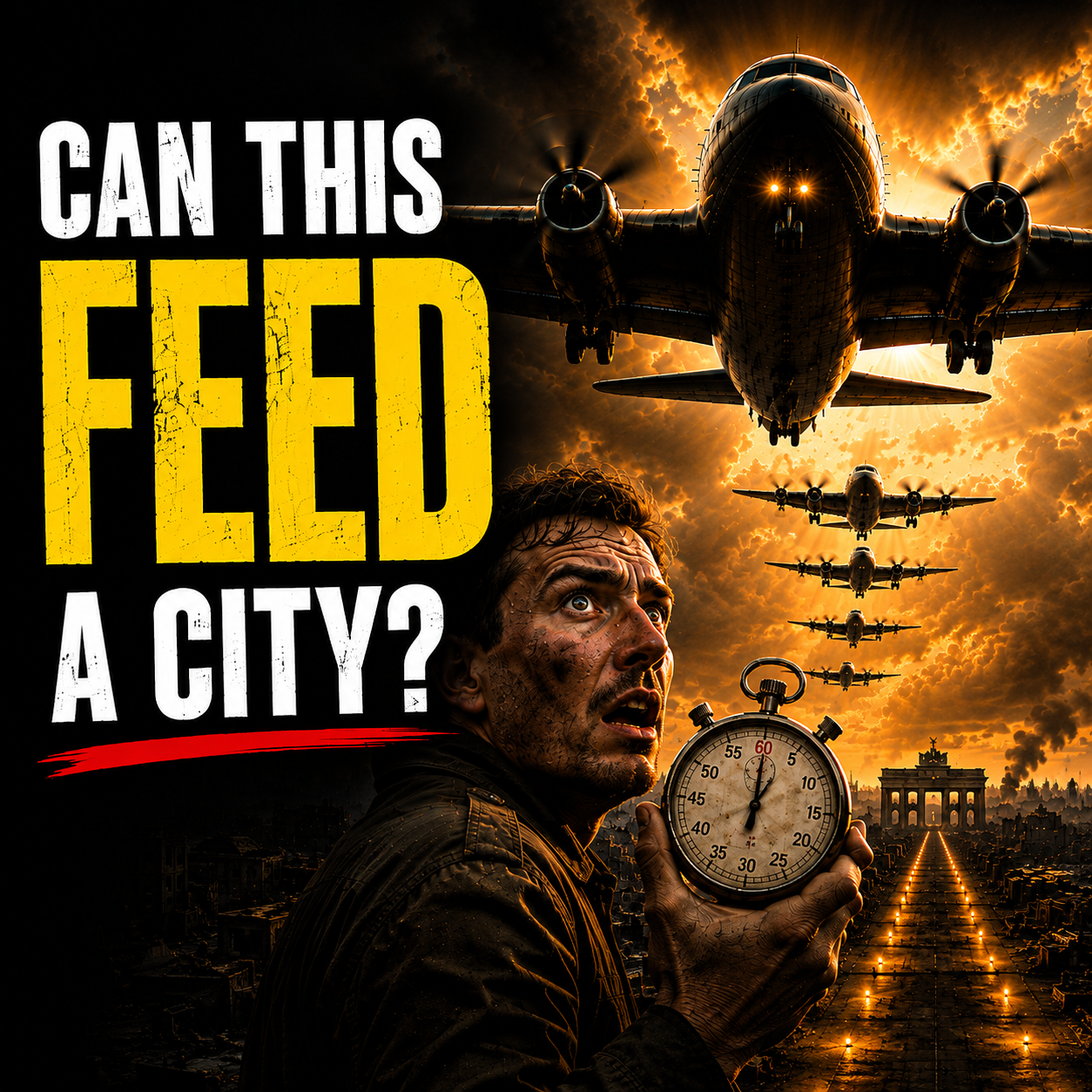
How 90 Seconds Kept 2 Million People Alive
FAQs
What is the Easter Parade Berlin Airlift?
The Easter Parade Berlin Airlift was a humanitarian effort to provide food and supplies to West Berlin during the Soviet blockade of the city in 1948-1949.
Why was the Easter Parade Berlin Airlift necessary?
The Soviet Union blockaded West Berlin in an attempt to force the Western Allies to abandon the city. This cut off all land and water routes into the city, making it impossible to bring in essential supplies.
Who organized and carried out the Easter Parade Berlin Airlift?
The Easter Parade Berlin Airlift was organized and carried out by the United States, United Kingdom, and France. They coordinated a massive airlift operation to supply West Berlin with food, fuel, and other necessities.
How long did the Easter Parade Berlin Airlift last?
The Easter Parade Berlin Airlift lasted for 11 months, from June 1948 to May 1949. During this time, over 200,000 flights delivered around 2.3 million tons of supplies to West Berlin.
What was the outcome of the Easter Parade Berlin Airlift?
The Easter Parade Berlin Airlift was a success, as it demonstrated the determination of the Western Allies to support West Berlin and thwart the Soviet blockade. It also led to the eventual lifting of the blockade by the Soviet Union.