The calm dawn of December 7, 1941, was shattered by the roar of aircraft engines, marking a day that would forever be etched into the American consciousness: the attack on Pearl Harbor. This surprise military strike by the Imperial Japanese Navy Air Service against the United States naval base at Pearl Harbor, Hawaii, was not just an event; it was a crucible that forged the US Pacific Fleet into the formidable force it would become, irrevocably altering the course of World War II and shaping naval strategy for decades to come. Remembering Pearl Harbor is not merely an exercise in historical reflection; it is a vital acknowledgment of sacrifice, resilience, and the enduring legacy of the men and ships that defended American shores and ultimately projected power across the vast expanse of the Pacific.
The morning of December 7, 1941, dawned deceptively peaceful at Pearl Harbor. Sailors and airmen were beginning their routines, unaware that history was poised to pivot. The meticulously planned Japanese attack aimed to cripple the American Pacific Fleet, thereby preventing it from interfering with Japanese territorial ambitions in Southeast Asia and the Pacific. The sheer audacity and swiftness of the assault caught the defenders completely off guard.
A Prelude to Disaster: The Strategic Landscape
The geopolitical tensions leading up to the attack were palpable. Japan’s expansionist policies in Asia, particularly its invasion of China, had placed it on a collision course with Western powers. The United States, while officially neutral, had imposed economic sanctions on Japan, including an oil embargo, which severely impacted the resource-scarce island nation. This created a desperate strategic calculus for Japan: either retreat from its expansionist goals or strike preemptively at the US, the most significant obstacle to its ambitions. The decision was made to strike the heart of American naval power in the Pacific.
The Shadow of Deterrence: Japan’s Preemptive Strike
Japan viewed the US Pacific Fleet stationed at Pearl Harbor as a critical threat to its operations in Southeast Asia and the Dutch East Indies, where vital oil reserves were located. Admiral Isoroku Yamamoto, the architect of the attack, understood that a prolonged war with the United States would be disastrous for Japan. His strategy was to deliver a crippling blow that would cripple the American fleet, buying Japan time to consolidate its territorial gains and establish a defensive perimeter. The hope was that this swift victory would demoralize the United States and potentially lead to a negotiated peace favorable to Japan.
The Shock of the Attack: Chaos and Devastation
The first wave of Japanese aircraft descended shortly before 8:00 AM Hawaiian time. Dive bombers, torpedo planes, and fighters unleashed a torrent of destruction upon the unsuspecting base. Battleships moored in “Battleship Row” became prime targets, their massive hulls proving vulnerable to torpedoes and bombs. The air was filled with the cacophony of explosions, the screams of the wounded, and the desperate efforts of American sailors to fight back against an overwhelming enemy.
“Tora! Tora! Tora!”: The Signal of Success
The phrase “Tora! Tora! Tora!” was the Japanese signal indicating complete surprise and the success of the initial attack. This chilling phrase, meaning “tiger, tiger, tiger,” signaled to the Japanese fleet that their objective of achieving surprise had been met. The devastating effectiveness of this opening salvo underscored the meticulous planning and execution of the Japanese operation.
The USS Arizona: A Symbol of Loss
The sinking of the USS Arizona, which exploded and sank after being hit by an armor-piercing bomb, became the most potent symbol of the day’s tragedy. The blast killed 1,177 of her crew, and the oil still seeps from her submerged hull, a constant reminder of the lives lost. The Arizona’s fate resonated deeply with the American public, galvanizing a nation toward war.
The US Pacific Fleet’s strategic significance has been a topic of discussion, particularly in relation to its historical presence at Pearl Harbor. For a deeper understanding of the fleet’s role in shaping naval operations and its impact on modern military strategies, you can read a related article on this subject at In the War Room. This article provides insights into the evolution of the Pacific Fleet and its ongoing relevance in today’s geopolitical landscape.
The Crucible of War: Forging the Pacific Fleet
While Pearl Harbor was a devastating tactical defeat for the United States, it proved to be a strategic catalyst. The attack galvanized American public opinion, transforming isolationist sentiment into a fervent desire for retribution and victory. The US Pacific Fleet, though severely damaged, did not surrender; it regrouped, rebuilt, and emerged from the ashes of Pearl Harbor a more determined and effective fighting force.
The Immediate Aftermath: Assessing the Damage and Mobilizing
In the immediate aftermath of the attack, the focus was on damage assessment, rescue operations, and accounting for the fallen. The scale of the loss was staggering. Eight battleships were damaged, four of them sunk. Numerous other vessels and aircraft were destroyed or severely damaged. The human cost was immense, with over 2,400 Americans killed and over 1,000 wounded. However, amidst the devastation, the spirit of resilience began to take hold.
The Spirit of ‘Remember Pearl Harbor’: A Call to Arms
The slogan “Remember Pearl Harbor” became a powerful rallying cry for the American people. It transcended mere commemoration; it was a call to action, fueling the national resolve to enter and win the war. This sentiment was instrumental in mobilizing the nation’s industrial might and manpower for the war effort.
Rebuilding and Reimagining: Naval Modernization
The attack exposed critical vulnerabilities in American naval preparedness and doctrine. The US Navy, heavily reliant on battleships as the capital ships of its fleet, was forced to re-evaluate its strategies. The loss of so many battleships accelerated the shift towards naval aviation and the aircraft carrier as the primary offensive weapon.
The Rise of the Aircraft Carrier: A New Era of Naval Warfare
The aircraft carrier, largely undamaged at Pearl Harbor due to its deployment at sea, quickly assumed its new role as the linchpin of the Pacific Fleet. The lessons learned from the attack highlighted the vulnerability of stationary targets and the immense power of air superiority. The US embarked on an unprecedented shipbuilding program, churning out new aircraft carriers that would soon dominate the Pacific skies.
The USS Enterprise and the USS Saratoga: Survivors and Symbols
The USS Enterprise and the USS Saratoga, two of the US Navy’s few aircraft carriers at the time, were at sea during the attack and thus spared the devastation. They quickly became vital assets, spearheading early offensive operations and demonstrating the emerging dominance of carrier-based air power. Their survival and subsequent combat prowess cemented the carrier’s place in naval history.
The Battle of Midway: The Turning Point
The Battle of Midway, fought just six months after Pearl Harbor, is widely considered the turning point of the war in the Pacific. The US Navy, leveraging intelligence gained from code-breaking, inflicted a catastrophic defeat on the Japanese Navy, sinking four of its aircraft carriers. This victory crippled Japan’s offensive capabilities and allowed the US to transition to the strategic initiative.
Intelligence as a Weapon: The Power of Code-Breaking
The success at Midway was significantly attributed to the US Navy’s code-breaking efforts, particularly the breaking of the Japanese JN-25 naval code. This allowed American commanders to anticipate Japanese movements and intentions, enabling them to set an ambush. The importance of intelligence was a crucial lesson learned, influencing naval operations for the remainder of the war.
The Pacific Offensive: Projecting Power Across the Ocean
Following the turning point at Midway, the US Pacific Fleet embarked on a relentless offensive across the vast Pacific theater. Island hopping campaigns, amphibious assaults, and brutal naval battles characterized this phase of the war, pushing the Japanese Empire back towards its home islands. The fleet’s ability to project power across thousands of miles of ocean was a testament to its rebuilding and technological advancement.
Island Hopping and Amphibious Assaults: The “Leapfrog” Strategy
The “island hopping” or “leapfrog” strategy involved capturing key islands in the Pacific to establish forward bases for air and naval operations. This bypassed heavily fortified Japanese positions and gradually closed the distance to Japan. These operations were often characterized by fierce resistance and heavy casualties, demanding immense bravery and coordination from naval and ground forces.
Guadalcanal and Tarawa: Early Hard-Fought Victories
The campaigns for Guadalcanal and Tarawa exemplify the brutal nature of the island hopping strategy. Guadalcanal, a six-month struggle, was a critical victory that halted Japanese expansion in the South Pacific. The Battle of Tarawa, though a tactical success for the US, came at a terrible cost, with nearly a third of the American landing force killed or wounded, highlighting the high stakes of amphibious assaults.
Naval Engagements: Carrier Battles and Submarine Warfare
The Pacific War was a testament to the evolving nature of naval warfare. Aircraft carrier battles, such as the Battle of the Philippine Sea and the Battle of Leyte Gulf, saw massive fleets clash in the skies and on the seas. Simultaneously, American submarines played a crucial role, inflicting severe damage on Japanese shipping and vital supply lines.
The Battle of Leyte Gulf: The Largest Naval Battle in History
The Battle of Leyte Gulf, fought in October 1944, was the largest naval battle in history, involving hundreds of ships. It effectively destroyed the Imperial Japanese Navy as a fighting force, paving the way for the Allied invasion of the Philippines and severely limiting Japan’s ability to wage war.
The Silent Service: The Impact of Submarine Warfare
The US Submarine Force, often referred to as the “Silent Service,” achieved remarkable success in the Pacific. American submarines sank a significant portion of Japan’s merchant marine and naval vessels, crippling its economy and military logistics. Their stealthy and often perilous missions were vital to the Allied victory.
The Legacy of Courage: Heroes and Sacrifice
The story of Pearl Harbor and the subsequent Pacific campaign is inextricably linked to the stories of the individuals who served. From the sailors and airmen who faced the initial onslaught to the submariners who operated in the dark depths and the carrier pilots who dueled in the skies, their courage and sacrifice are the bedrock of the US Pacific Fleet’s enduring legacy.
The Unsung Heroes: Those Who Fought and Fell
Countless individuals displayed extraordinary bravery on December 7, 1941, and in the battles that followed. Many acted selflessly, risking their lives to save comrades, fight back against the enemy, or simply perform their duties under fire. The stories of these unsung heroes, often overlooked in broader historical narratives, are crucial to understanding the human dimension of the conflict.
The Medal of Honor Recipients: Individual Acts of Valor
The Medal of Honor, the highest military decoration awarded by the United States, was bestowed upon many individuals for their exceptional valor during the Pacific War. Their stories, often involving extraordinary acts of courage in the face of overwhelming odds, serve as powerful testaments to the spirit of service and sacrifice.
The Enduring Memory: Remembering the Sacrifice
Commemorating Pearl Harbor is a solemn duty. Memorials, museums, and personal recollections all serve to ensure that the sacrifices made are not forgotten. The USS Arizona Memorial, built over the submerged remains of the battleship, is a poignant reminder of the lives lost and the enduring impact of that fateful day.
The Annual Observance: A National Tradition
The annual observance of Pearl Harbor Day on December 7th has become a national tradition. It is a day for reflection, remembrance, and for honoring the veterans who served. These observances ensure that future generations understand the significance of this pivotal moment in American history.
The US Pacific Fleet has a rich history that is closely tied to Pearl Harbor, a pivotal location during World War II. For those interested in exploring this topic further, an insightful article can be found that delves into the strategic importance of Pearl Harbor and its impact on naval operations. You can read more about it in this related article, which provides a comprehensive overview of the events that shaped the Pacific Fleet’s legacy.
The Modern Pacific Fleet: A Descendant of Resilience
| Metrics | Data |
|---|---|
| Number of ships | Over 200 |
| Number of submarines | Over 60 |
| Number of aircraft | Over 400 |
| Personnel | Over 125,000 |
| Area of responsibility | More than 100 million square miles |
The US Pacific Fleet of today, a global force projection and deterrence capability, is a direct descendant of the fleet that was battered and rebuilt in the aftermath of Pearl Harbor. The lessons learned from that day, particularly the importance of naval aviation, technological innovation, and strategic adaptability, continue to shape its doctrine and operations.
The Aircraft Carrier: The Modern Capital Ship
The aircraft carrier, once a nascent concept, is now the undisputed capital ship of the modern navy. The continuous evolution of carrier design and operations, from the early escort carriers to the supercarriers of today, is a direct lineage from the strategic reorientation prompted by the attack on Pearl Harbor.
From Nimitz-Class to Ford-Class: A Legacy of Innovation
The progression from the early aircraft carriers to the massive Nimitz-class supercarriers and the cutting-edge Ford-class carriers reflects a relentless pursuit of technological advancement. This innovation, born from the crucible of World War II, ensures the US retains a decisive advantage in naval power projection.
Forward Presence and Deterrence: Maintaining Peace in the Pacific
The US Pacific Fleet maintains a significant forward presence in the Indo-Pacific region, a testament to its commitment to regional stability and deterrence. This presence, a far cry from the static naval base at Pearl Harbor in 1941, is a dynamic and adaptable force designed to address a wide range of security challenges.
The Evolving Geopolitical Landscape: New Threats and New Strategies
The geopolitical landscape of the Indo-Pacific is constantly evolving, presenting new challenges and necessitating continuous adaptation of naval strategies. The US Pacific Fleet remains at the forefront of addressing these complex security issues, drawing upon the hard-won lessons of its storied past.
The Unbroken Chain: Connecting Past and Present
The legacy of Pearl Harbor is not just about the past; it is about the unbroken chain of service, sacrifice, and dedication that continues to define the US Pacific Fleet. The spirit of resilience forged in the fires of December 7, 1941, lives on in the men and women who serve today, ensuring the security of the United States and its allies across the vast and vital Pacific. Remembering Pearl Harbor is a solemn obligation, a tribute to the fallen, and a reaffirmation of the enduring strength and vigilance of the US Pacific Fleet.
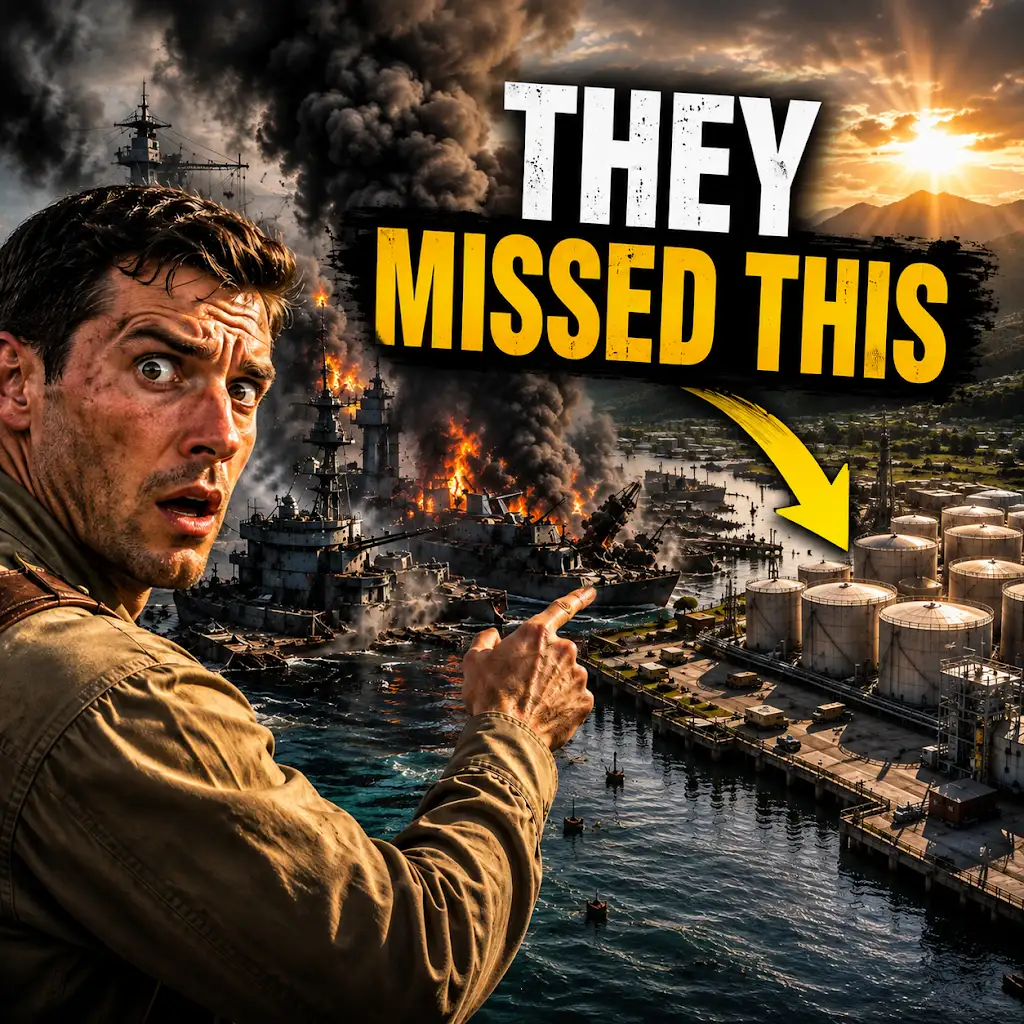
Japan Won Pearl Harbor—So Why Did It Lose the War?
FAQs
What is the US Pacific Fleet Pearl Harbor?
The US Pacific Fleet Pearl Harbor is a naval base located on the island of Oahu in Hawaii. It is the headquarters of the United States Pacific Fleet and is one of the largest naval bases in the world.
When was the US Pacific Fleet Pearl Harbor established?
The US Pacific Fleet Pearl Harbor was established in 1887 when the United States and the Kingdom of Hawaii signed a treaty allowing the US to establish a naval base at Pearl Harbor.
What is the significance of the US Pacific Fleet Pearl Harbor?
The US Pacific Fleet Pearl Harbor is historically significant because it was the site of the Japanese attack on December 7, 1941, which led to the United States’ entry into World War II. The attack resulted in significant damage to the fleet and the base, but it also galvanized the American public and military to join the war effort.
What is the current role of the US Pacific Fleet Pearl Harbor?
The US Pacific Fleet Pearl Harbor continues to serve as the headquarters of the United States Pacific Fleet and plays a crucial role in maintaining peace and stability in the Indo-Pacific region. It is also home to various naval ships, submarines, and aircraft.
Can the public visit the US Pacific Fleet Pearl Harbor?
Yes, the US Pacific Fleet Pearl Harbor is open to the public for tours and visits. The Pearl Harbor Visitor Center offers a variety of exhibits, memorials, and guided tours that provide insight into the history and significance of the base.