December 7, 1941, a date that indelibly etched itself into the annals of American history, stands as a stark reminder of the unexpected and devastating attack on the U.S. naval base at Pearl Harbor, Hawaii. This surprise assault by the Imperial Japanese Navy Air Service irrevocably altered the course of World War II and propelled the United States from a state of hesitant neutrality into active, full-scale conflict. The events of that fateful Sunday morning were a profound shock, not only to the military personnel stationed at the base but to the entire nation, sparking a wave of patriotism, sacrifice, and ultimately, victory. Understanding Pearl Harbor requires delving into the historical context that led to the attack, the harrowing details of the assault itself, the immediate aftermath and its profound impact, the enduring legacy of that day, and the continuous efforts to commemorate and learn from this pivotal moment.
The attack on Pearl Harbor did not emerge from a vacuum. It was the culmination of years of escalating tensions between the United States and Japan, fueled by diverging geopolitical ambitions, economic rivalries, and a fundamental clash of ideologies. For decades, Japan had pursued an aggressive expansionist policy, seeking to establish its dominance in East Asia and the Pacific. This ambition, often termed the “Greater East Asia Co-Prosperity Sphere,” brought Japan into direct conflict with the interests of Western powers, including the United States, which had established colonial holdings and trading relationships in the region.
Imperial Japan’s Ambitions and the Road to War
Imperial Japan, under the growing influence of its military leadership, viewed the United States as a primary obstacle to its expansionist aims. The U.S. presence in the Philippines, a key strategic location in the Pacific, was a constant irritant. Furthermore, Japan’s ongoing invasion of China, initiated in 1937, drew international condemnation and led to increasingly severe economic sanctions imposed by the United States.
The Sino-Japanese War and American Concerns
The brutal and protracted conflict in China was closely monitored by the U.S. government. The atrocities committed by Japanese forces, such as the Nanking Massacre, fueled public outrage and solidified a growing anti-Japanese sentiment within the United States. The U.S. also had significant economic interests in China and viewed Japan’s territorial ambitions as a threat to regional stability and international trade.
The Scramble for Resources and Economic Sanctions
Japan’s insatiable demand for raw materials, particularly oil, rubber, and scrap metal, was a driving force behind its expansionist agenda. The Dutch East Indies (modern-day Indonesia) held vast oil reserves, and Japan’s increasing aggression in Southeast Asia brought it closer to these vital resources. In response to Japan’s continued aggression, the United States, along with Great Britain and the Netherlands, implemented a series of increasingly stringent economic sanctions. The most crippling of these was the oil embargo, imposed in July 1941, which severely threatened Japan’s war machine and its ability to sustain its campaigns.
The United States’ Stance: From Neutrality to Escalation
Despite the growing international crisis, the United States initially maintained a policy of neutrality in the unfolding global conflict. Public opinion was largely isolationist, wary of being drawn into another European war. However, President Franklin D. Roosevelt and his administration recognized the existential threat posed by the Axis powers and began to subtly shift the nation’s stance.
The Lend-Lease Act and Growing Support for the Allies
While officially neutral, the U.S. increasingly provided material support to Allied nations, most notably through the Lend-Lease Act of March 1941. This legislation allowed the U.S. to supply weapons, ammunition, and other war materials to countries deemed vital to its defense, effectively making the U.S. the “arsenal of democracy.” This overt support for the Allies signaled a growing commitment to the fight against fascism and Nazism.
Diplomatic Stalemate and the Inevitability of Confrontation
Despite ongoing diplomatic efforts to de-escalate tensions, the gap between U.S. and Japanese demands proved insurmountable. Japan insisted on its right to expand and dominate the Pacific, while the U.S. demanded Japan’s withdrawal from occupied territories and a commitment to international law. These irreconcilable positions created a diplomatic stalemate, pushing both nations closer to the brink of war.
The attack on Pearl Harbor on December 7, 1941, marked a pivotal moment in World War II, leading the United States to formally enter the conflict. For a deeper understanding of the events surrounding this historic day and its implications, you can read a related article that explores the strategic decisions made by both the Japanese and American forces. This insightful piece can be found at this link.
The Dawn of Infamy: The Attack on Pearl Harbor
The morning of December 7, 1941, dawned clear and calm over the Hawaiian Islands. Unbeknownst to the men of the U.S. Pacific Fleet at Pearl Harbor, a massive Japanese aerial task force, under the command of Admiral Chuichi Nagumo, had silently approached their target. The attack was a meticulously planned and executed surprise strike, designed to cripple the American naval presence in the Pacific and pave the way for Japan’s further expansion.
The Unfolding Assault: Waves of Destruction
The first wave of Japanese aircraft, comprising torpedo bombers, dive bombers, and fighters, descended upon Pearl Harbor shortly before 8:00 AM local time. The attack caught the base completely by surprise. Many sailors and soldiers were enjoying their Sunday morning routines, unaware of the impending danger.
Torpedo Attacks on Battleships
One of the primary objectives of the first wave was to target the battleships moored in “Battleship Row.” Japanese torpedo bombers, flying low over the water, unleashed their deadly payloads, inflicting catastrophic damage on vessels like the USS Arizona, USS Oklahoma, and USS West Virginia. The torpedoes ripped through the hulls of these massive warships, causing massive explosions and sinking many of them within minutes.
Dive Bombing and Incendiary Attacks
The second wave of attackers focused on the airfields and other naval installations, aiming to neutralize any potential air defense. Dive bombers targeted cruisers, destroyers, and auxiliary ships, while others unleashed incendiary bombs to create widespread fires, further compounding the chaos and destruction. The USS California and USS Nevada, though damaged, managed to get underway, attempting to escape the harbor.
The Human Cost: Sacrifice and Resilience
The human toll of the attack was devastating. Over 2,400 Americans were killed, and more than 1,100 were wounded. The vast majority of the casualties were military personnel, but civilians also lost their lives. The attack was particularly brutal for the sailors trapped aboard the sinking ships, many of whom perished in the fiery explosions or suffocating smoke.
The Heroism Amidst the Chaos
Despite the overwhelming shock and devastation, acts of extraordinary heroism emerged from the chaos. Sailors and airmen, often wounded and disoriented, rushed to battle stations, fought fires, and attempted to save their comrades. The courage and selflessness displayed by individuals under such extreme duress became a defining characteristic of the day.
The USS Arizona: A Symbol of Devastation
The sinking of the USS Arizona, with the loss of 1,177 crewmen, became the most poignant symbol of the Pearl Harbor attack. The battleship was struck by multiple bombs, causing a massive explosion that detonated its forward magazine, destroying the ship in seconds. The remains of the Arizona, still resting on the seabed, serve as a solemn memorial to the lives lost.
The Ripple Effect: America Enters the War
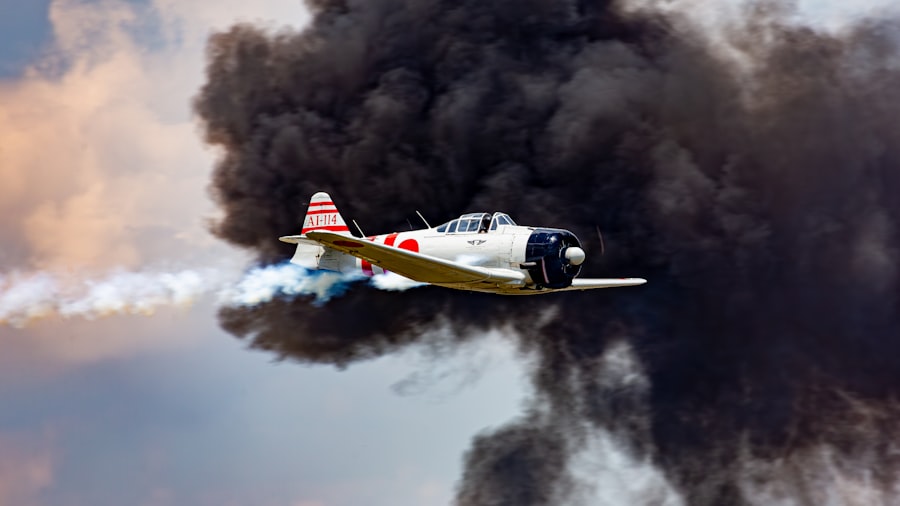
The attack on Pearl Harbor was a watershed moment in American history. The shockwaves of the assault reverberated across the nation, unifying a previously divided populace and galvanizing a powerful sense of national purpose. The day after the attack, President Roosevelt famously declared December 7, 1941, “a date which will live in infamy,” and formally requested a declaration of war against Japan.
A Nation United: The Declaration of War and Public Mobilization
The attack on Pearl Harbor effectively ended any lingering isolationist sentiments within the United States. Congress overwhelmingly approved the declaration of war against Japan, and shortly thereafter, Germany and Italy, allied with Japan, declared war on the United States. This transformed the localized conflict in the Pacific into a truly global war.
The “Day of Infamy” Speech and its Impact
President Roosevelt’s powerful address to Congress, delivered on December 8, 1941, resonated deeply with the American public. His words painted a vivid picture of the unprovoked and treacherous nature of the attack, fueling a righteous anger and a unified resolve to respond decisively. The speech became a cornerstone of American wartime rhetoric, embodying the nation’s determination to defend its freedom and democratic values.
The Mobilization of American Industry and Manpower
In the wake of the declaration of war, the United States underwent an unprecedented mobilization of its industrial capacity and manpower. Factories were retooled to produce tanks, aircraft, ships, and munitions. Millions of Americans, both men and women, enlisted in the armed forces or took on vital roles in the war effort on the home front. The attack on Pearl Harbor spurred a patriotic fervor that fueled years of sustained military and industrial output.
The Global Ramifications: A World at War
The entry of the United States into World War II had profound implications for the global balance of power. The vast resources and industrial might of the U.S. significantly tipped the scales in favor of the Allied powers, ultimately contributing to the defeat of the Axis nations.
The Pacific Theater Ignites
With the U.S. now fully engaged, the Pacific theater of operations became a critical front in the war. The initial Japanese victories were met with fierce American resistance, leading to a long and arduous campaign across islands and oceans. Battles like Midway, Guadalcanal, Iwo Jima, and Okinawa would become hallmarks of this brutal struggle.
The European Theater Intensifies
While the Pacific was aflame, the U.S. also committed significant resources to the European theater, fighting alongside Great Britain and the Soviet Union against Nazi Germany and Fascist Italy. The eventual Allied landings in Normandy and the subsequent push into Germany were crucial in ending the war in Europe.
The Enduring Legacy: Memory, Memorials, and Lessons Learned
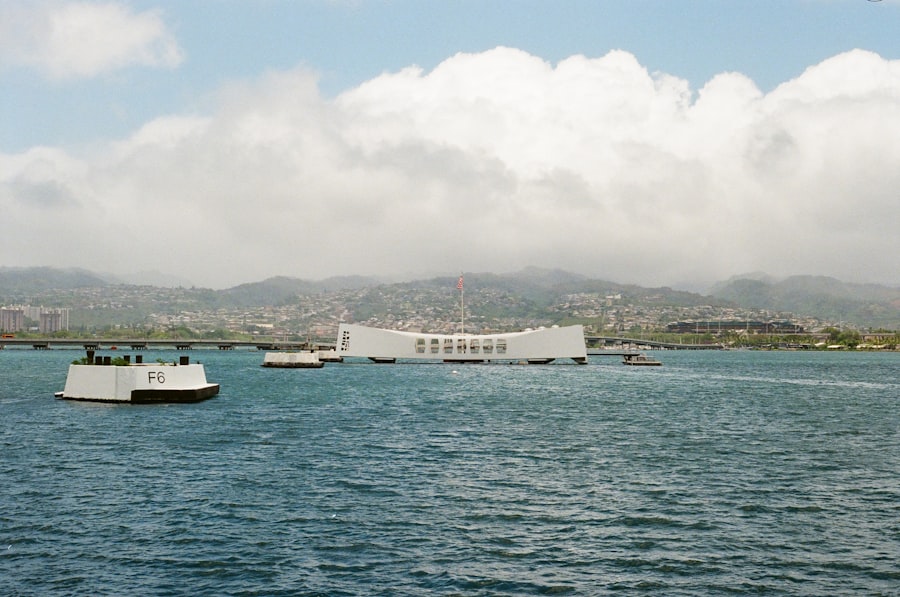
Decades after the final shots were fired, the attack on Pearl Harbor continues to hold a significant place in the collective memory of the United States and the world. It serves as a constant reminder of the fragility of peace, the devastating consequences of aggression, and the enduring spirit of resilience and sacrifice.
Preserving the Memory: The National Memorial and Museums
The Pearl Harbor National Memorial, located on the island of Oahu, Hawaii, stands as the primary site of remembrance. The memorial, which includes the USS Arizona Memorial, is a sacred ground where visitors can pay their respects to the fallen and learn about the events of that fateful day. Numerous museums and interpretive centers surrounding the memorial provide detailed historical context, artifacts, and personal accounts of the attack.
The USS Arizona Memorial: A Symbol of Sacrifice
The iconic USS Arizona Memorial, a floating structure built directly over the sunken battleship, is a profoundly moving tribute. Visitors arrive by boat, and the stark white structure offers a space for quiet reflection and contemplation of the immense loss of life. The oil that continues to seep from the sunken vessel, often referred to as the “black tears of the Arizona,” adds a poignant layer to the memorial experience.
Beyond the Arizona: Other Memorials and Museums
Beyond the USS Arizona Memorial, other significant sites at Pearl Harbor include the USS Bowfin Submarine Museum & Park, the Pearl Harbor Aviation Museum, and the Battleship Missouri Memorial. These institutions offer diverse perspectives on the attack and the subsequent wartime experiences, ensuring a comprehensive understanding of this pivotal moment.
Lessons for the Future: Preventing Future Catastrophes
The events of December 7, 1941, offer invaluable lessons for contemporary times, particularly regarding intelligence gathering, diplomatic engagement, and the importance of preparedness. The surprise nature of the attack highlighted significant intelligence failures and the dangers of underestimating an adversary.
The Importance of Intelligence and Vigilance
The intelligence failures leading up to Pearl Harbor are a stark reminder of the critical need for robust intelligence gathering and analysis. Understanding the intentions and capabilities of potential adversaries is paramount to preventing attacks and maintaining national security. The lessons learned from Pearl Harbor continue to shape intelligence practices and defense strategies.
The Diplomacy of De-escalation and the Perils of Miscalculation
The diplomatic deadlock that preceded the attack underscores the importance of effective diplomacy and the dangers of miscalculation. While military preparedness is essential, so too is the pursuit of peaceful resolutions and the avoidance of actions that could inadvertently lead to conflict. The lessons learned from the diplomatic failures of 1941 remain relevant in navigating complex international relations.
The Cost of Complacency and the Necessity of Preparedness
The stark reality of Pearl Harbor shattered any illusions of American invincibility and the perceived remoteness of global conflict. The attack served as a wake-up call, demonstrating the devastating consequences of complacency and the absolute necessity of maintaining a state of readiness. This lesson continues to inform defense policy and national security priorities.
The attack on Pearl Harbor on December 7, 1941, marked a pivotal moment in World War II, leading to the United States’ entry into the conflict. This surprise military strike by the Japanese Navy not only resulted in significant loss of life and naval assets but also galvanized American public opinion in favor of the war effort. For a deeper understanding of the events surrounding that fateful day and its aftermath, you can read more in this insightful article on the topic. To explore further, visit this link for a comprehensive analysis.
Remembering the Fallen: Continuous Commemoration and Education
| Event | Details |
|---|---|
| Date | December 7, 1941 |
| Location | Pearl Harbor, Hawaii |
| Attackers | Imperial Japanese Navy |
| Ships Damaged or Sunk | 8 battleships, 3 cruisers, 4 destroyers, and other vessels |
| Aircraft Destroyed | 188 US aircraft destroyed |
| Casualties | 2,403 Americans killed, 1,178 wounded |
The annual commemoration of Pearl Harbor is a vital tradition, ensuring that the sacrifices of those who served and perished are never forgotten. These ceremonies serve as a poignant reminder of the human cost of war and the importance of peace.
The Annual Pearl Harbor Remembrance Day Ceremony
Every year on December 7th, a solemn ceremony is held at the Pearl Harbor National Memorial to honor the survivors, veterans, and victims of the attack. Dignitaries, military officials, and the public gather to pay their respects, laying wreaths and participating in moments of silence. The ceremony often includes flyovers, bugle calls, and personal testimonies from survivors, bringing the history to life for a new generation.
Survivor Testimonies: Personal Voices from the Past
The presence of Pearl Harbor survivors at these ceremonies is invaluable. Their firsthand accounts provide a powerful and emotional connection to the past, offering intimate glimpses into the fear, chaos, and heroism of that day. These stories are crucial for educating younger generations and ensuring that the human dimension of history is not lost.
The Role of Education in Passing on the Legacy
Educational institutions play a critical role in passing on the legacy of Pearl Harbor. Through history curricula, museum visits, and public lectures, students learn about the causes, events, and consequences of the attack. Understanding this pivotal moment in history is essential for developing informed and engaged citizens who appreciate the sacrifices made to preserve freedom.
The Enduring Symbol of American Resolve
Pearl Harbor remains more than just a historical event; it is a powerful symbol of American resolve in the face of adversity. The attack, though devastating, ultimately galvanized the nation and paved the way for its eventual victory in World War II. The spirit of unity, determination, and sacrifice that emerged from that dark day continues to inspire and resonate.
From Tragedy to Triumph: The Turning Point of the War
While the immediate aftermath of Pearl Harbor was marked by profound shock and loss, it also marked a critical turning point in the war. The attack transformed the United States into an active participant, providing the necessary impetus for the Allied victory. The ensuing years of conflict, though arduous, ultimately led to the defeat of fascism and the establishment of a new world order.
A Legacy of Vigilance and Gratitude
The legacy of Pearl Harbor is one of continuous vigilance and profound gratitude. It serves as a perpetual reminder to remain watchful, to cherish the peace that has been hard-won, and to honor the memory of those who gave their lives for the cause of freedom. The events of December 7, 1941, continue to shape American identity and its commitment to global security.
Japan Won Pearl Harbor—So Why Did It Lose the War?
FAQs
What happened on December 7, 1941 at Pearl Harbor?
On December 7, 1941, the Japanese military launched a surprise attack on the United States naval base at Pearl Harbor, Hawaii. The attack resulted in the deaths of over 2,400 Americans and the destruction of numerous ships and aircraft.
Why did Japan attack Pearl Harbor?
Japan attacked Pearl Harbor as a preemptive strike in an attempt to prevent the United States from interfering with its military actions in Southeast Asia. The Japanese government believed that by crippling the US Pacific Fleet, they could secure their own strategic objectives in the region.
What was the impact of the Pearl Harbor attack?
The attack on Pearl Harbor led to the United States’ entry into World War II. It also resulted in widespread anti-Japanese sentiment in the US, leading to the internment of Japanese Americans. The attack also galvanized American support for the war effort.
How did the United States respond to the attack on Pearl Harbor?
In response to the attack, the United States declared war on Japan the day after the attack, officially entering World War II. The US also mobilized its military and industrial resources to support the war effort, leading to a massive expansion of the armed forces and the production of war materials.
What is the significance of the Pearl Harbor attack in history?
The attack on Pearl Harbor is considered a pivotal moment in world history, marking the entry of the United States into World War II and shaping the course of the conflict. It also led to significant changes in US foreign policy and military strategy.