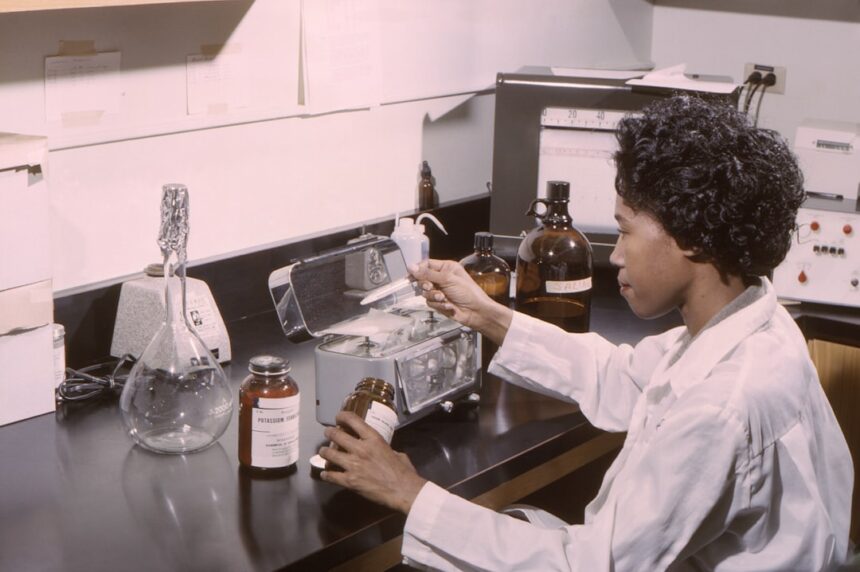
The scientific landscape is perpetually in flux, shaped by the ebb and flow of innovation and the inevitable march of time. As the tools and techniques of scientific inquiry advance, so too does the demand for specialized knowledge. In certain niche fields, particularly those with roots in significant historical events, a unique challenge has emerged: the potential loss of invaluable expertise due to retirement. This is acutely apparent in the realm of isotope chemistry, a discipline once central to Cold War endeavors, where a generation of highly skilled practitioners is now transitioning into retirement. Uncovering and harnessing this hidden reservoir of knowledge is not merely an academic pursuit; it is a strategic imperative for scientific progress and national security.
The Cold War era, a period characterized by geopolitical tension and an intense arms race, spurred unprecedented investment in scientific research and development. Isotope chemistry, the study of elements with the same atomic number but different atomic masses, played a critical role in numerous clandestine and overt programs.
The Strategic Importance of Isotopes
Nuclear Weapons Development
The most prominent application of isotope chemistry during the Cold War was in the development and production of nuclear weapons. The separation of fissile isotopes, such as Uranium-235 and Plutonium-239, was a paramount concern.
Enrichment Technologies
- Gaseous Diffusion: This process, a cornerstone of early nuclear weapons programs, involved forcing uranium hexafluoride gas through porous barriers. Lighter molecules containing U-235 diffused faster, allowing for gradual enrichment. The engineering and operational expertise required for maintaining and optimizing these massive facilities were immense.
- Centrifugal Separation: This more energy-efficient method utilized high-speed centrifuges to separate isotopes based on their mass. The development of robust and durable centrifuges capable of sustained high-speed operation was a significant technological hurdle, requiring deep understanding of material science and fluid dynamics.
- Electromagnetic Isotope Separation (EMIS): While less common for large-scale production, EMIS was crucial for producing highly enriched isotopes for research and specialized applications. This method involved accelerating ions through a magnetic field, with differing masses following distinct paths.
Radiochemistry and Detection
Beyond the production of fissile materials, isotope chemistry was integral to understanding the behavior of radioactive substances, their detection, and their environmental impact.
- Tracer Applications: Isotopes were used as tracers to track the movement and dispersion of substances in various environments, from atmospheric plumes of nuclear tests to the distribution of pollutants.
- Analytical Techniques: Sophisticated analytical techniques were developed to identify and quantify isotopes, essential for verification of arms control treaties and monitoring of nuclear proliferation.
Nuclear Power and Energy Production
The peaceful applications of nuclear technology also demanded significant contributions from isotope chemists.
Reactor Design and Fuel Cycle
- Fuel Fabrication and Reprocessing: The intricate processes of designing, fabricating, and reprocessing nuclear fuel required precise control over isotopic composition and an understanding of nuclear reactions.
- Waste Management: The long-term storage and management of radioactive waste necessitate detailed knowledge of isotope decay chains and their potential hazards.
Scientific Advancement and Research
The fundamental research conducted during the Cold War, often driven by military objectives, yielded profound insights into nuclear physics and chemistry.
Fundamental Nuclear Research
- Nuclear Structure and Reactions: Isotope separation technologies enabled the study of fundamental nuclear properties and reactions, paving the way for new discoveries.
- Radiometric Dating: The development of techniques like radiocarbon dating, while not directly military, leveraged the advancements in isotope measurement that emerged from the era.
In the quest to enhance our understanding of isotope chemistry, particularly in relation to Cold War-era research, an intriguing article discusses the recruitment of retired cold war isotope chemists. This initiative aims to tap into the wealth of knowledge and experience these professionals possess, which could significantly benefit current scientific endeavors. For more insights on this topic, you can read the full article here: Recruiting Retired Cold War Isotope Chemists.
The Emerging Expertise Gap
As the geopolitical climate shifted and scientific priorities evolved, the immediate urgency surrounding certain aspects of isotope chemistry diminished. Simultaneously, the natural cycle of professional life meant that many of the scientists who had been at the forefront of these endeavors began to retire. This has created a knowledge vacuum, a silent erosion of expertise that could have significant implications.
The Retirement Wave
The generation of chemists who dedicated their careers to Cold War isotope research is now entering retirement in significant numbers. Many of these individuals possess a depth of practical, hands-on experience that is difficult to replicate through theoretical study alone.
Loss of Tacit Knowledge
- “The Feel for the Equipment”: Beyond the written manuals and published papers, these chemists developed an intuitive understanding of complex equipment—its quirks, its optimal operating parameters, and its potential failure modes. This “tacit knowledge” is rarely documented.
- Troubleshooting Expertise: Faced with unprecedented technical challenges, these individuals honed their problem-solving skills in real-time, often devising innovative solutions on the fly. This accumulated wisdom in troubleshooting is a valuable asset.
- Historical Context: Many of these scientists witnessed firsthand the evolution of technologies and the decision-making processes that shaped scientific direction during a critical historical period. This historical perspective is invaluable for understanding current challenges in a broader context.
The Challenge of Succession
The traditional academic pipeline for training new scientists in these highly specialized areas has often been geared towards more contemporary fields. This has left a gap in the natural succession for certain niche isotope chemistry skills.
Shifting Academic Focus
- Emerging Fields: While isotope chemistry remains relevant, academic institutions have prioritized research areas that align with current funding trends and perceived market demands, such as materials science, biotechnology, and computational chemistry.
- Limited Training Opportunities: The specialized equipment and the complex safety protocols associated with certain isotope chemistry applications can make it challenging to establish and sustain comprehensive training programs.
The Underappreciated Value of Experience
The skills honed during the Cold War era, though born of specific historical circumstances, are often foundational to modern scientific and technological applications. Underestimating this value is a clear risk.
Foundational Skills for Modern Applications
- Advanced Materials: The expertise in handling and characterizing radioactive materials is transferable to the development and study of advanced materials for energy, medical imaging, and other high-tech sectors.
- Environmental Monitoring: Understanding the behavior of isotopes in the environment is crucial for monitoring nuclear fallout, assessing the impact of industrial accidents, and managing nuclear waste sites.
- Security and Non-Proliferation: The ability to detect and characterize isotopic signatures is fundamental to nuclear non-proliferation efforts and national security.
The Unseen Rivers of Expertise: Identifying Potential Candidates
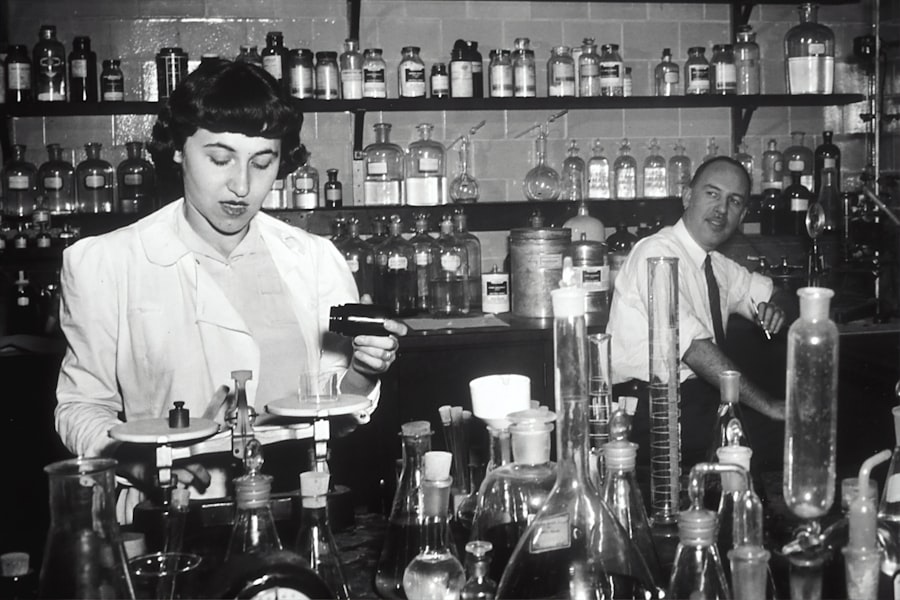
The process of identifying retired Cold War isotope chemists requires a strategic and multi-pronged approach, much like a prospector searching for veins of precious ore. It is not about simply looking at resumes; it is about understanding the historical context of their work and the specific skills they developed.
Reconnecting with Former Institutions
Many of these scientists spent their careers at national laboratories, government-funded research centers, or specialized industrial facilities. Re-engaging with these institutions is the first logical step.
Leveraging Institutional Archives and Networks
- Personnel Records: Carefully reviewing historical personnel records, alongside older project documentation, can help identify individuals who held key roles in isotope-related programs.
- Alumni Associations: Institutions often maintain alumni networks. Reaching out to these networks with targeted inquiries can be highly effective. This is akin to casting a wide net in a known fishing ground.
- Departmental Histories: Many university departments and research centers have historical accounts of their work. These can often highlight key individuals and their contributions.
Industry and Government Databases
Beyond academic and national laboratory settings, specialized industries and government agencies also employed isotope chemists.
Specialized Industry Sectors
- Nuclear Fuel Cycle Companies: Companies involved in the front-end and back-end of the nuclear fuel cycle would have employed many individuals with relevant expertise.
- Radiopharmaceutical Producers: The development and production of medical isotopes also required specialized chemical knowledge.
- Government Agencies: Agencies such as the Department of Energy, Department of Defense, and various intelligence agencies would have had significant isotope-related programs.
Publicly Available Information and Scientific Literature
While direct contact is often more fruitful, publicly available information can also serve as a valuable starting point.
Mining Published Research
- Authorship Analysis: Scrutinizing the authorship of key scientific publications from the Cold War era, particularly in journals focused on nuclear chemistry and physics, can identify leading researchers.
- Conference Proceedings: Papers and presentations at scientific conferences from that period can highlight individuals who were actively engaged in the field.
- Oral History Projects: Some institutions and historical societies have undertaken oral history projects documenting the experiences of scientists involved in classified or significant historical research. These are invaluable treasures.
Strategies for Engagement and Knowledge Transfer
Once potential candidates are identified, a carefully crafted approach is necessary to encourage their participation. This is not a matter of demanding their knowledge, but rather of inviting them to share a lifetime of accumulated wisdom.
Building Bridges of Respect and Recognition
Retired scientists, like any experienced professional, value recognition for their contributions and a clear understanding of how their expertise will be utilized.
Acknowledging Their Legacy
- Direct and Respectful Outreach: Initial contact should be made with genuine respect, acknowledging their past contributions and the importance of their experience.
- Highlighting the Impact: Clearly articulate how their knowledge can benefit current research, national security, or technological advancement. This demonstrates that their experience is not being cast aside.
- Offering Opportunities for Mentorship: Position the engagement as an opportunity to mentor younger scientists, helping them to avoid pitfalls and accelerate their learning. This taps into a desire to leave a lasting positive impact.
Tailoring Engagement Models
The form of engagement should be flexible and adaptable to the individual’s preferences and capabilities. Not everyone can or wishes to return to full-time employment, but many are willing to contribute in other ways.
Flexible Contribution Frameworks
- Consultancy Roles: Offering structured consultancy roles, where they can provide expert advice on specific projects, can be highly effective. This is like offering a seasoned captain a pilot’s seat for a critical voyage.
- Advisory Boards: Inviting them to join advisory boards for research programs or committees provides a formal avenue for their input.
- Mentorship Programs: Formalized mentorship programs, connecting them with early-career scientists, can facilitate the transfer of tacit knowledge.
- Oral History and Documentation Projects: Engaging them in projects to document their experiences and the history of specific technologies can be a valuable contribution. This is akin to preserving ancient texts before they crumble to dust.
- Guest Lectures and Seminars: Inviting them to give guest lectures or seminars at research institutions can be both informative and inspiring.
Addressing Practical and Logistical Considerations
Practical matters, such as compensation, intellectual property, and security clearances, need to be addressed transparently and fairly.
Ensuring a Smooth Transition
- Fair Compensation and Benefits: Offer competitive compensation commensurate with their expertise. This might include honoraria, consulting fees, or stipends.
- Intellectual Property Agreements: Clearly outline intellectual property rights and usage policies.
- Security Clearances and Access: For roles requiring access to sensitive information or facilities, streamline the process for re-obtaining or obtaining necessary security clearances.
- Logistical Support: Provide support for travel, accommodation, and any necessary technical resources.
In the quest to enhance our understanding of nuclear chemistry, a recent article highlights the importance of recruiting retired Cold War isotope chemists who possess invaluable expertise in this specialized field. Their unique skills could significantly contribute to contemporary research and development efforts, particularly in areas such as medical isotopes and environmental monitoring. For further insights on the challenges and strategies involved in this recruitment process, you can read more in the article found here.
The Unfolding Tapestry of Scientific Progress
| Metric | Description | Value | Unit |
|---|---|---|---|
| Number of Retired Cold War Isotope Chemists | Estimated total retired professionals with expertise in isotope chemistry from Cold War era | 150 | Individuals |
| Average Years of Experience | Average professional experience in isotope chemistry during Cold War period | 25 | Years |
| Recruitment Success Rate | Percentage of contacted retired chemists who accepted recruitment offers | 35 | Percent |
| Average Time to Hire | Average duration from initial contact to formal hiring | 60 | Days |
| Retention Rate (1 Year) | Percentage of recruited chemists retained after one year | 80 | Percent |
| Primary Recruitment Channels | Most effective methods used to reach retired isotope chemists | Professional networks, industry conferences, direct outreach | N/A |
| Key Motivators for Recruitment | Main incentives encouraging retired chemists to rejoin workforce | Intellectual engagement, consulting fees, legacy projects | N/A |
The proactive recruitment and engagement of retired Cold War isotope chemists is not a retreat from the cutting edge of science; rather, it is a strategic reinforcement of its foundations. By tapping into this invaluable reservoir of experience, scientific endeavors can be better informed, more efficient, and ultimately more successful.
Fortifying Current Research
The practical wisdom of these seasoned scientists can help to avoid reinventing the wheel, saving time, resources, and reducing the likelihood of costly errors.
Accelerating Innovation
- Problem Solving: Their experience in facing and overcoming complex technical challenges can provide invaluable insights for contemporary research obstacles.
- Experimental Design: Their understanding of the nuances of experimental design and execution in often challenging environments can lead to more robust and reliable results.
- Risk Mitigation: Their awareness of potential pitfalls and safety considerations in handling radioactive materials can significantly enhance safety protocols.
Bolstering National Security Interests
The skills and knowledge within this cohort are directly relevant to ongoing national security concerns, from nuclear non-proliferation to the safeguarding of critical infrastructure.
Enhancing Vigilance and Preparedness
- Detection and Verification: Their expertise in isotope analysis is critical for verifying arms control agreements and detecting illicit nuclear activities.
- Understanding Threats: Their historical perspective on nuclear technology development can offer crucial insights into potential future threats.
- Crisis Management: Their experience with the operational aspects of handling radioactive materials can be invaluable in responding to accidents or incidents.
Preserving a Crucial Scientific Heritage
Beyond the immediate practical benefits, engaging these individuals serves the vital purpose of preserving a unique and significant scientific heritage for future generations.
A Legacy for the Future
- Knowledge Archiving: Their stories and technical insights can be formally documented, creating invaluable historical and technical archives.
- Inspiring Future Scientists: Their dedication and the challenges they overcame can serve as powerful inspiration for young aspiring scientists.
- Strengthening the Scientific Fabric: By bridging the gap between generations, this initiative strengthens the overall scientific community and its capacity for innovation.
In conclusion, the expertise of retired Cold War isotope chemists represents a profound, yet often underutilized, asset. Their knowledge is not a relic of the past, but a living legacy that can illuminate the path forward for scientific discovery, technological advancement, and national security. The effort to uncover and integrate this hidden expertise is an investment with potentially far-reaching and invaluable returns. It is a testament to the enduring power of accumulated experience and the ongoing relevance of fundamental scientific disciplines.
FAQs
What skills do retired Cold War isotope chemists bring to modern recruiting efforts?
Retired Cold War isotope chemists possess extensive knowledge in nuclear chemistry, isotope separation techniques, and radiochemical analysis. Their experience with historical nuclear programs and advanced laboratory skills make them valuable for research, development, and educational roles in isotope-related fields.
Why is there interest in recruiting retired Cold War isotope chemists today?
There is renewed interest due to the need for expertise in nuclear medicine, environmental monitoring, and national security. These chemists have unique insights into isotope production and handling that can support current scientific challenges and training of new professionals.
What challenges might organizations face when recruiting retired Cold War isotope chemists?
Challenges include bridging generational gaps in technology, updating skills to current standards, and addressing potential security clearance requirements. Additionally, some retirees may prefer part-time or consulting roles rather than full-time positions.
How can organizations effectively engage retired Cold War isotope chemists?
Organizations can offer flexible work arrangements, opportunities for mentorship, and involvement in research projects that value their historical expertise. Providing access to modern tools and continuous training can also facilitate their integration.
Are there specific industries or sectors that benefit most from recruiting these retired chemists?
Yes, sectors such as nuclear energy, medical isotope production, environmental science, and national defense benefit significantly. Their expertise supports innovation, safety protocols, and the preservation of critical knowledge in isotope chemistry.