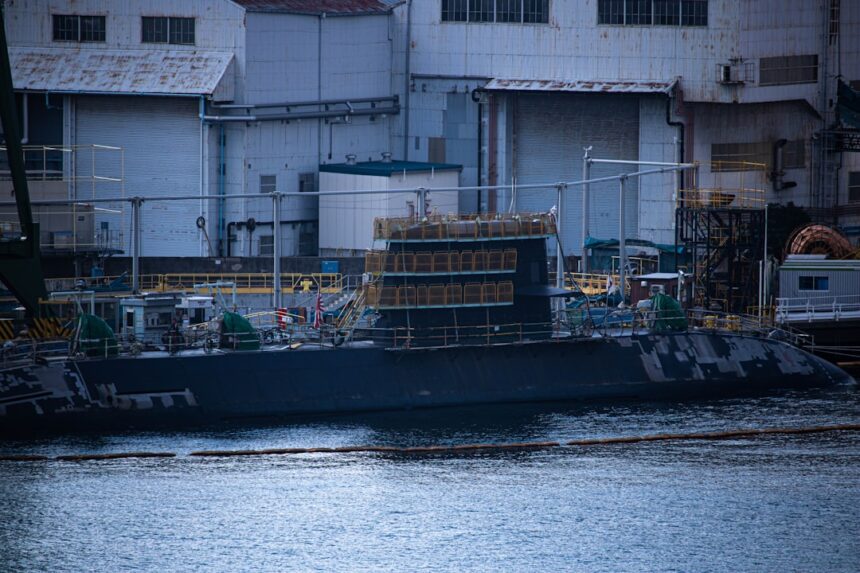
The silent titans of the deep, nuclear submarines, represent the pinnacle of naval engineering. Their ability to operate undetected for extended periods, deploy strategic weapons, and conduct vital reconnaissance missions makes them indispensable assets for global powers. However, the very environments in which they operate – the unforgiving depths of the ocean – also make their recovery in the event of a disaster an extraordinarily complex and perilous undertaking. A nuclear submarine lost beneath the waves transforms from a symbol of strength into a significant liability, demanding a monumental, multi-faceted operation that pushes the boundaries of human ingenuity and technological capability.
The deep ocean is a hostile environment. Immense pressures, crushing darkness, and the vastness of its unexplored territories present immediate and profound challenges to any recovery effort. The potential for a catastrophic hull breach, internal flooding, or loss of power can seal a submarine’s fate, rendering it a tomb and a potential environmental hazard. The discovery of the submarine’s resting place is merely the first, albeit monumental, hurdle. From that point forward, a cascade of intricate problems emerges, each requiring specialized knowledge, equipment, and unwavering dedication to overcome.
Unforeseen Calamities: Scenarios Leading to Submarine Loss
The reasons a nuclear submarine might be lost are varied and often tragic. Collision with submerged obstacles, such as uncharted seamounts or other vessels, can cause irreparable damage. Internal system failures, particularly those related to life support or propulsion, could lead to a loss of control and gradual descent. Severe weather on the surface can also contribute to disaster if a submarine is caught in an un Favorable position during surfacing or submerging operations. A deliberate act of sabotage, though rare, cannot be entirely discounted. Regardless of the cause, the outcome is the same: a silent vessel now lies at the mercy of the abyss.
The Nuclear Conundrum: Safeguarding Against Radiation
A critical and paramount concern in any sunken nuclear submarine scenario is the presence of its nuclear propulsion system and potentially nuclear weapons. The reactor, even if shut down, carries residual radioactivity, and the fuel rods themselves are highly radioactive. The integrity of the reactor containment is a primary focus, as any breach could lead to the release of radioactive materials into the marine environment, posing a significant long-term threat to ecosystems and human health. Similarly, if the submarine was carrying nuclear warheads, their secure containment and eventual recovery become an equally complex and urgent objective, fraught with immense political and security implications.
The recovery of nuclear submarines is a complex and critical operation that involves advanced technology and meticulous planning. For those interested in exploring this topic further, a related article can be found at this link, which delves into the challenges and methodologies associated with submarine recovery missions. This resource provides valuable insights into the techniques used to ensure the safe retrieval of these vessels from the depths of the ocean.
Locating the Lost: The Herculean Task of Search and Discovery
The sheer immensity of the world’s oceans makes finding a sunken submarine akin to searching for a needle in an infinite haystack. Modern submarines are designed to be stealthy, and their inability to communicate after an incident exacerbates the difficulty of their immediate location. This initial phase of discovery is a race against time, hampered by the vastness of the search area and the limitations of even the most sophisticated surveillance technology.
Maritime Surveillance Technologies: Eyes on the Deep
The search for a lost submarine relies on a combination of advanced technologies. Sonar systems, both active and passive, are indispensable. Active sonar emits sound pulses and analyzes the returning echoes to map the seabed and detect submerged objects. Passive sonar, on the other hand, listens for sounds produced by the submarine itself, though this is often rendered impossible after an incident. Maritime patrol aircraft equipped with specialized radar and magnetic anomaly detectors can scan large surface areas, while unmanned aerial vehicles (UAVs) can conduct detailed visual inspections of the water surface for debris or oily sheens.
Deep-Sea Survey and Mapping: Building a Digital Blueprint
Once a potential area of interest is identified, a more detailed survey is required. Remotely operated vehicles (ROVs) and autonomous underwater vehicles (AUVs) equipped with high-resolution cameras, sonar, and other sensors are deployed to map the seabed with unparalleled precision. These robotic explorers can navigate complex underwater terrain, identify wreckage, and collect vital data about the submarine’s condition and resting depth. The data gathered allows for the creation of detailed 3D models, crucial for planning subsequent recovery operations.
The Role of Oceanographic Data: Understanding the Environment
Understanding the prevailing oceanographic conditions is also critical during the search phase. Deep-sea currents, water temperature, and salinity can all affect sonar performance and the movement of any debris. Oceanographers play a vital role in analyzing this data to refine search patterns and predict the potential drift of fallen objects. This information helps to narrow down the search area and maximize the efficiency of the deployed assets.
Planning the Ascent: Engineering a Complex Lift

Once the submarine is located and its condition assessed, the immense engineering challenge of bringing it back to the surface begins. This is not a simple matter of attaching a rope and pulling. The weight of a nuclear submarine, combined with the crushing pressure of the deep, necessitates specialized lifting techniques and equipment that are rarely deployed. The goal is to lift the vessel without causing further structural damage or compromising the safety protocols related to its nuclear components.
Specialized Lifting Appliances: Navigating Immense Forces
Various methods exist for lifting sunken vessels, and the choice depends heavily on the size of the submarine, its depth, and the seabed conditions. Large-scale salvage ships equipped with heavy-duty cranes are a common sight. These vessels can deploy massive pontoons or barges that are then submerged, attached to the wreck, and inflated or filled with air to create buoyancy. Another technique involves the use of specialized lifting bags, which are heavy-duty, inflatable structures that can be attached to the submarine and then gradually inflated to provide lift. For extremely deep wrecks, this becomes significantly more challenging, often requiring the development of novel engineering solutions.
Submersible Support Crews: The Brave Explorers of the Depths
Human intervention, though often limited by depth, is indispensable. Highly trained submersible crews operate specialized manned submersibles, which can dive to extreme depths. These submersibles act as mobile command centers, allowing divers to conduct close-up inspections of the wreck, attach lifting apparatus, and even perform delicate repair or stabilization work. The psychological and physical demands on these crews are immense, operating in confined spaces under extreme pressure, often for extended periods.
Seabed Stabilization and Preparation: A Foundation for the Lift
In some cases, the seabed beneath the submarine may be soft or unstable, posing a risk of the wreck sinking further or shifting during the lifting operation. This necessitates seabed preparation, which can involve using specialized equipment to stabilize the area. This might include the deployment of large concrete mats or the injection of grout to create a more solid foundation. This meticulous preparation ensures that the lifting forces are applied to a stable structure.
Environmental Containment and Decontamination: A Paramount Responsibility
The potential for environmental contamination from a sunken nuclear submarine is a grave concern, and mitigating this risk is a top priority. The operation involves meticulous planning to prevent the release of hazardous materials, particularly radioactive substances, and to address any contamination that may have already occurred or is likely to occur.
Monitoring Radiation Levels: Vigilance Against the Invisible Threat
Throughout the entire recovery operation, continuous monitoring of radiation levels is absolutely essential. This includes monitoring the water column, the seabed, and any personnel involved in the operation. Specialized equipment and trained personnel are deployed to detect and quantify any radioactive isotopes that might be present. This data informs safety protocols and guides decisions regarding containment and decontamination efforts.
Containment Strategies: Preventing the Spread of Contamination
When deemed necessary, containment strategies are implemented to prevent the spread of radioactive materials or other hazardous substances. This might involve the use of specialized booms to contain any oil or leaked substances, or the deployment of physical barriers to isolate the immediate vicinity of the wreck. In the case of the reactor, the goal is to ensure its containment remains intact throughout the recovery process, often requiring specialized enclosures or casks.
Decontamination Procedures: Cleaning Up the Aftermath
Should any contamination occur, rigorous decontamination procedures are put into place. This can involve the use of specialized cleaning agents, the collection and disposal of contaminated materials, and thorough medical monitoring of personnel. The goal is to minimize any long-term environmental impact and ensure the safety of those involved in the recovery and subsequent analysis of the submarine.
The recovery of nuclear submarines is a complex and critical operation that involves advanced technology and strategic planning. For those interested in learning more about the challenges and methodologies involved in such missions, a related article can be found on the topic at In the War Room. This resource provides insights into the various aspects of submarine recovery efforts, highlighting both historical cases and modern advancements in the field.
Securing the Asset: Post-Recovery Procedures and Investigation
| Metrics | Data |
|---|---|
| Depth of Recovery | 500 meters |
| Time Taken | 48 hours |
| Submarine Type | Nuclear-powered |
| Location | North Atlantic Ocean |
The recovery of a sunken nuclear submarine is by no means the end of the operation. The vessel, once back on the surface, presents a new set of challenges and demands immediate attention to a range of security, investigative, and logistical considerations. The ultimate goal is to secure the vessel and its contents, understand the cause of the loss, and learn from the incident.
Salvage and Transport: Bringing the Giant Home
Once the submarine is afloat, its salvage and transport to a secure shore facility become the immediate logistical challenge. This typically involves towing the vessel, often with extensive support from other naval and civilian vessels. The journey itself can be perilous, and the submarine must be carefully managed to prevent any further instability. Upon arrival at a designated port, it is usually moved to a specialized facility for detailed examination.
The Investigation: Unraveling the Mystery
A thorough and impartial investigation is launched to determine the cause of the submarine’s loss. This involves meticulous examination of the wreckage, analysis of flight recorders and other data logs, interviews with surviving crew members (if any), and consultation with experts in naval architecture, engineering, and operational procedures. The findings of this investigation are crucial for identifying any systemic failures, human errors, or design flaws that contributed to the disaster, with the aim of preventing future tragedies.
Disposal or Preservation: The Fate of the Sunken Titan
The ultimate fate of the recovered submarine depends on its condition, the nature of its contents, and the findings of the investigation. In many cases, due to the potential hazards associated with its nuclear components, the submarine may require specialized disposal procedures. This can involve dismantling the vessel and safely disposing of its radioactive materials in designated facilities. In some exceptional circumstances, if the submarine is deemed of historical or scientific significance and can be made safe, it might be preserved for study or as a memorial.
The recovery of a nuclear submarine is a testament to the extraordinary capabilities of modern technology and the dedication of countless individuals. It is a mission fraught with unimaginable challenges, demanding precision, resilience, and a profound respect for the unforgiving power of the ocean. Each successful recovery, however challenging, represents a triumph of human ingenuity over adversity, a somber reminder of the inherent risks of operating in the deep, and a vital step in safeguarding both national security and the global environment.

How the CIA Tried to Steal a Soviet Nuclear Submarine
FAQs
What is a nuclear submarine recovery?
A nuclear submarine recovery refers to the process of salvaging a sunken or damaged nuclear-powered submarine from the sea floor. This can involve using specialized equipment and techniques to safely raise the submarine to the surface.
Why would a nuclear submarine need to be recovered?
Nuclear submarines may need to be recovered due to accidents, such as collisions or grounding, that result in the submarine sinking or becoming damaged. Recovering the submarine allows for investigation into the cause of the incident and the potential salvage of valuable equipment and materials.
What are the challenges of recovering a nuclear submarine?
Recovering a nuclear submarine presents numerous challenges, including the extreme depths at which the submarine may be located, the potential presence of hazardous materials such as nuclear fuel, and the need to prevent further environmental damage during the recovery process.
What are the potential risks associated with nuclear submarine recovery?
The potential risks of nuclear submarine recovery include exposure to radiation from the submarine’s nuclear reactor, the release of radioactive materials into the surrounding environment, and the physical dangers of working at extreme depths and pressures.
Who is involved in the nuclear submarine recovery process?
The nuclear submarine recovery process typically involves a coordinated effort between government agencies, military personnel, salvage companies, and specialized engineering and technical experts. International cooperation may also be necessary in cases involving submarines from different countries.