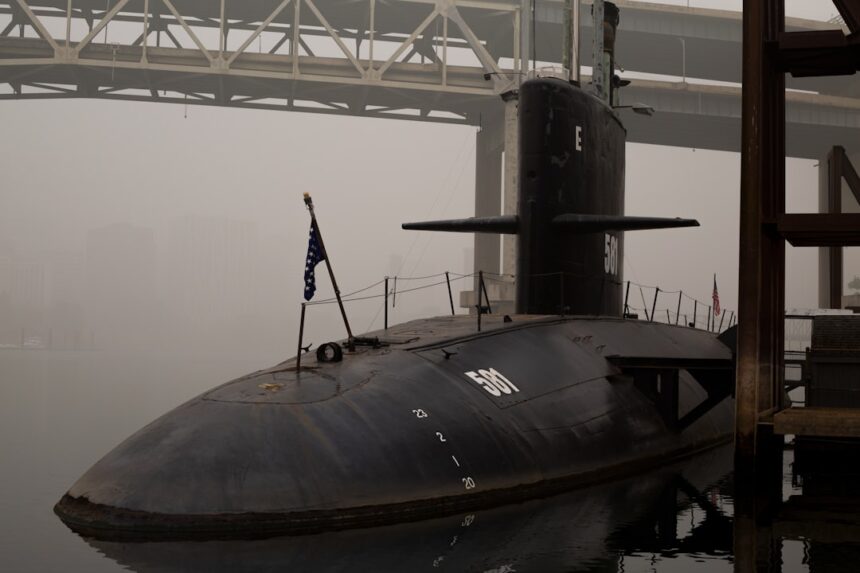
Raising a nuclear submarine from the depths is a monumental undertaking, a complex ballet of engineering, logistics, and human coordination performed against the unforgiving backdrop of the ocean. It is an operation that pushes the boundaries of what is technically feasible, demanding meticulous planning and flawless execution. The reasons for such an endeavor can range from recovering a lost strategic asset to understanding the causes of a catastrophic accident, each scenario carrying its own immense weight and urgency. When a submarine goes down, its eventual return to the surface is not a matter of chance but the result of a deliberate, intricate, and often agonizingly slow process.
The ocean’s depths are a realm of crushing pressure, absolute darkness, and immense, unseen forces. A submarine, a marvel of human engineering designed for stealth and endurance, becomes a tomb if it founders. Its hull, built to withstand immense pressure, is ultimately finite. The challenges in recovering such a vessel are as profound as the force that holds it captive.
The Crushing Embrace of the Abyss
The pressure at the depths where submarines typically operate is a force that can flatten steel as if it were paper. For every 10 meters of depth, the pressure increases by approximately one atmosphere (14.7 psi or 101.3 kPa). At depths of several thousand meters, this pressure is measured in hundreds of atmospheres, enough to deform or collapse even the strongest structures. This immense force is not a passive obstacle; it is an active antagonist, constantly working against any attempt to lift the submarine. Imagine trying to pull a crumpled tin can out of a vise; that’s a rudimentary analogy for the forces at play.
Navigating the Unseen Battlefield
Visibility in the deep ocean is virtually non-existent. Sunlight penetrates only the uppermost layers, and at considerable depths, the darkness is absolute. This requires specialized equipment for exploration and manipulation, including remotely operated vehicles (ROVs) and advanced sonar systems. These tools act as the eyes and hands in this alien environment, allowing engineers to assess the submarine’s condition and plan their recovery strategy without direct human intervention at the most challenging stages.
The Weight of a Behemoth
A nuclear submarine is a colossal machine, weighing thousands of tons. Its mass is distributed, and its form can be awkward, making it a difficult object to grip and lift. The submarine’s structure, once intact, may be compromised by the accident, making its weight distribution unpredictable. This necessitates a careful calculation of its center of gravity and the application of lifting forces in a manner that prevents further damage or instability.
The Environmental Hostility
Beyond pressure and darkness, the deep sea presents a hostile environment. Currents, though often less turbulent than at the surface, can still exert significant forces. The cold temperatures can affect equipment and the materials used in recovery operations. Furthermore, the presence of nuclear materials within the submarine adds a layer of complexity and constraint, demanding stringent safety protocols and specialized containment measures.
Raising a nuclear submarine from a depth of 16,500 feet presents significant engineering challenges and risks, as highlighted in a related article on the complexities of deep-sea recovery operations. For an in-depth exploration of the techniques and technologies involved in such high-stakes missions, you can read more in the article available at In The War Room. This resource provides valuable insights into the strategies employed by experts in the field to safely recover submerged vessels from extreme depths.
Blueprint for Ascension: The Planning and Preparation Phase
Before a single piece of lifting equipment is deployed, an intensive period of planning and preparation takes place. This phase is the foundation upon which the entire operation rests, and any misstep here can have catastrophic repercussions. It is a period of intense intellectual and logistical heavy lifting.
Intelligence Gathering: Knowing Your Adversary
The first crucial step is to understand the position and condition of the sunken submarine. This involves utilizing a range of technologies:
- Sonar Surveys: Advanced sonar systems, including side-scan sonar and multi-beam echo sounders, are deployed to create detailed acoustic maps of the seabed and the submarine’s location. These maps help identify the exact position, orientation, and any surrounding debris.
- Remotely Operated Vehicles (ROVs): Highly sophisticated ROVs, equipped with cameras, manipulators, and sensor packages, are essential for close-up visual inspection. They can assess the hull integrity, identify damage, and determine the best points for attachment of lifting gear. The ROVs act as the scouts, venturing into the dark to bring back vital intelligence.
- Submersible Operations: In some cases, manned submersibles may be used for direct observation, offering a human perspective that can be invaluable in complex situations. However, these operations are inherently riskier and more limited by depth.
- Data Analysis: All gathered data, from sonar readings to video footage, is meticulously analyzed by experienced engineers and naval architects. This analysis informs decisions about the lifting method, the required equipment, and the potential risks.
Developing the Recovery Strategy: The Art of the Lift
Based on the intelligence gathered, a recovery strategy is developed. This is where the true engineering challenge lies, as there is no one-size-fits-all solution. The chosen method depends heavily on the depth, the submarine’s condition, and the available resources. Common approaches include:
Lifting with Heavy-Lift Vessels and Cranes
This is one of the most visible and straightforward methods, albeit still incredibly complex. It involves deploying specialized vessels equipped with massive cranes capable of lifting immense weights.
- Rigging and Attachment: This is a critical and painstaking process. Cables, chains, or specialized lifting frames must be securely attached to the submarine at points that can bear the load without causing further structural damage. ROVs often play a crucial role in attaching these rigging components in the deep. The attachment points are like the anchor points for a mighty ship, needing to be robust and strategically placed.
- Slow and Steady Wins the Race: The lift itself is an agonizingly slow process. The vessel’s cranes are operated with extreme precision, gradually taking up the slack and commencing the ascent. The rate of ascent is carefully controlled to manage stresses on the rigging and the submarine itself. Imagine a surgeon performing a delicate operation; every movement must be precise and measured.
- Buoyancy Aids: In addition to direct lifting, buoyant systems might be employed to assist in the lift, reducing the overall strain on the cranes. Inflatable airbags or pontoons can be attached to the submarine to provide positive buoyancy.
The Submersible Barge or Lifting Pontoon Method
This approach utilizes barges or pontoons that can be partially submerged to position themselves beneath the sunken vessel.
- Submerging and Positioning: The barges are deliberately flooded and sunk to a level that allows the submarine to be carefully maneuvered or guided into position above them. This requires precise ballast control and navigation.
- Creating a Cradle: Once the submarine is in position, the barges are de-ballasted, slowly rising and lifting the submarine out of the water. This creates a semi-stable platform for transport. This method is like building a temporary raft beneath the sunken giant, allowing it to float once more.
- Advantages and Disadvantages: This method can be advantageous in shallower waters or when the submarine’s structural integrity is questionable, as it distributes the load more evenly. However, it requires significant space and is less effective in very deep waters.
The Controlled Ascent Using Internal Buoyancy Systems
In some rare cases, if the submarine’s buoyancy systems are still functional or can be reactivated, a controlled ascent might be possible.
- Reactivating or Employing Buoyancy: This could involve flooding and blowing ballast tanks, or employing external buoyant devices that can be attached and inflated remotely.
- Managed Ascent: The goal is to achieve a slow, controlled ascent where the submarine can be monitored and managed as it rises through the water column. This method requires a high degree of confidence in the submarine’s remaining structural integrity and control systems.
Resource Mobilization: Assembling the Army of the Deep
A successful submarine recovery operation requires a vast array of specialized resources, each playing a vital role in the intricate puzzle.
- Heavy-Lift Vessels: These are the workhorses of the operation, ships designed to carry and operate massive cranes. Their stability and power are paramount.
- Support Vessels: A fleet of auxiliary vessels is needed for transport of personnel, equipment, supplies, and for acting as communication hubs and safety escorts.
- ROVs and Submersibles: As mentioned, these are the eyes and hands of the operation, essential for inspection, manipulation, and attachment.
- Divers and Underwater Specialists: While ROVs handle much of the deep-sea work, highly skilled divers may be involved in shallower operations or in specific tasks requiring human dexterity.
- Naval and Maritime Authorities: Coordination with national naval forces and maritime safety organizations is crucial for permits, traffic management, and ensuring the safety of surrounding waters.
- Technical Experts: A team of naval architects, marine engineers, salvage experts, and subject matter experts from the submarine’s manufacturer is indispensable.
The Delicate Dance of Recovery: Executing the Lift
With the plan meticulously crafted and the resources assembled, the actual recovery operation commences. This is the most visible and often the most tense phase, where the theoretical meets the brutal reality of the ocean.
Securing the Lift Points: The Grip of Steel
The precise attachment of lifting gear is paramount. This often involves:
- ROV-Assisted Attachment: ROVs, equipped with powerful manipulators and cutting tools, are used to attach heavy-duty u-links, shackles, or specialized lifting saddles to designated points on the submarine’s hull. This is a task requiring immense precision, as a miscalculation can lead to irreparable damage. The ROV’s mechanical arms are like the surgeon’s scalpel, making delicate incisions that will bear an immense burden.
- Structural Integrity Assessment: Continuous assessment of the submarine’s hull integrity is conducted during this phase. Any signs of buckling or weakness necessitate immediate adjustments to the lifting plan.
- Redundancy in Rigging: Multiple lifting points and redundant rigging systems are often employed to distribute the load and provide a safety margin in case of failure of a single component. Think of it as having multiple lifelines, not just one.
The Gradual Ascent: A Slow Unraveling of Depth
The actual lifting process is characterized by its extreme slowness and precision.
- Controlled Winching and Crane Operation: Cranes on the heavy-lift vessels operate with incredible sensitivity. The winches are designed to maintain constant tension and control, preventing sudden jerks or stresses. The ascent is measured in meters per hour, not knots.
- Monitoring Stress and Strain: Sensors attached to the lifting gear continuously monitor the forces being exerted on both the submarine and the rigging. Any anomalies trigger immediate intervention. This constant feedback loop is the heartbeat of the operation, signaling any distress.
- Buoyancy Management: If buoyancy systems are being used, their inflation and de-inflation are carefully managed to ensure a stable and controlled ascent. They act as gentle hands, pushing the leviathan upwards.
- Navigating Underwater Obstacles: As the submarine rises, it may encounter underwater currents or structures. The lifting vessel must maneuver to avoid these, often requiring precise station-keeping capabilities.
Surface Tensions: The Final Approach
As the submarine nears the surface, new challenges emerge.
- Wave Action and Vessel Movement: Surface conditions, including wave heights and the rolling of the recovery vessel, become critical factors. The lift must be timed to coincide with favorable weather conditions to minimize the impact of these forces.
- Securing for Towage: Once the submarine is partially or fully surfaced, it must be secured to the recovery vessel or a tow barge for safe transit to port. This involves extensive lashing and securing operations. Imagine a child being carefully cradled after a fall; the surfacing submarine requires a similar gentle but firm embrace.
Aftermath and Analysis: The Path to Understanding
The successful recovery of a submarine is not the end of the operation. The journey continues with the critical work of analysis and the immense task of returning the vessel to a secure location.
Transport and Shore-Based Operations
Once surfaced and secured, the submarine is typically transported to a specialized facility for further examination.
- Towing and Escort: The submarine is then towed to a port or a designated shipyard. This journey itself requires careful planning, navigation, and often an escort of support vessels.
- Specialized Facilities: Ports equipped with heavy-duty cranes and secure docking areas are necessary for the final stages of the recovery. The weight and size of a submarine mean that not all ports are suitable.
The Deeper Dive into the Wreckage: Investigation and Learning
The ultimate goal of most recovery operations is to understand what happened.
- Forensic Examination: The recovered submarine undergoes a meticulous forensic examination. This involves detailed inspections of the hull, internal systems, and any apparent damage. The goal is to reconstruct the sequence of events that led to the loss of the vessel. This is like piecing together a shattered mirror to understand how it broke.
- Data Recovery: If possible, any voyage data recorders or computer logs are recovered and analyzed, providing crucial insights into the submarine’s final moments. These are the black boxes of the maritime world.
- Lessons Learned: The findings from the investigation are vital for improving submarine design, operational procedures, and safety protocols. Each recovered wreck serves as a somber but invaluable lesson for the future of naval operations.
Environmental Considerations and Decontamination
The presence of a nuclear submarine raises significant environmental and safety concerns.
- Nuclear Material Containment: If the submarine contained nuclear materials, specialized procedures are implemented to ensure their containment and safe handling throughout the recovery and post-recovery phases. This is a paramount concern, a responsibility that carries immense weight.
- Decontamination Processes: Depending on the circumstances of the loss, the submarine and recovery equipment may require decontamination procedures to remove any potential contaminants.
- Environmental Impact Assessment: Assessments are conducted to understand and mitigate any potential environmental impact of the recovery operation and the presence of the sunken vessel.
Raising a nuclear submarine from a depth of 16,500 feet presents numerous engineering challenges and risks, making it a topic of great interest in maritime recovery operations. For those looking to explore the complexities involved in such a monumental task, a related article can provide valuable insights into the techniques and technologies used in deep-sea recovery missions. You can read more about these fascinating operations in this detailed article that discusses the intricacies of underwater salvage and the innovative methods employed by experts in the field.
The Human Element: Courage and Calculation in the Deep
| Metric | Value | Unit | Notes |
|---|---|---|---|
| Depth of Submarine | 16,500 | feet | Approximate depth at which the submarine is located |
| Water Pressure | 7,400 | psi | Pressure exerted by water at 16,500 feet depth |
| Weight of Submarine | 7,000 | tons | Estimated weight of a typical nuclear submarine |
| Buoyancy Required | 7,000 | tons | Buoyant force needed to lift the submarine |
| Lift Duration | Several hours | hours | Estimated time to safely raise the submarine to surface |
| Temperature at Depth | 2 | °C | Approximate water temperature at 16,500 feet |
| Structural Stress | High | N/A | Stress on submarine hull during ascent |
| Required Equipment | Heavy-lift cranes, ROVs, air bags | N/A | Typical equipment used in deep-sea salvage operations |
It is impossible to discuss the recovery of a nuclear submarine without acknowledging the human element. These operations are often undertaken by highly trained individuals who operate in challenging and potentially dangerous environments.
The Skill of the Specialized Teams
The success of these complex operations rests on the shoulders of dedicated professionals.
- Naval Personnel: Sailors and officers with extensive experience in submarine operations and salvage are at the heart of these endeavors.
- Civilian Marine Specialists: Salvage experts, engineers, ROV operators, and divers bring specialized skills and experience from the commercial maritime sector.
- Coordination and Communication: Effective communication and seamless coordination between different teams and agencies are essential for navigating the inherent complexities. This is a symphony of expertise, where each musician plays their part in perfect harmony.
The Psychological Toll
The nature of these operations can be emotionally taxing.
- Loss and Grief: For submarine crews, the loss of a vessel can be a deeply felt event, and recovery operations may involve confronting the remains of lost comrades.
- The Weight of Responsibility: The individuals involved bear an immense responsibility for the success of the operation, the safety of their teams, and the long-term implications of their actions. This pressure is a constant companion.
The Drive for Knowledge and Reclamation
Despite the challenges, the drive to raise a lost submarine is multifaceted. It is a testament to human ingenuity, a commitment to understanding the unknown, and a desire to reclaim what has been lost. The ocean, in its vastness, holds many secrets, and the recovery of a submarine is a profound effort to bring one of those secrets back to the light. It is a victory, not of conquest over nature, but of meticulous planning and unwavering human resolve against the immense power of the deep.
FAQs
What challenges are involved in raising a nuclear submarine from 16,500 feet deep?
Raising a nuclear submarine from such a depth involves extreme pressure, limited visibility, and the need for specialized deep-sea recovery equipment. The immense water pressure at 16,500 feet can crush standard vessels and equipment, requiring the use of reinforced submersibles and remotely operated vehicles (ROVs). Additionally, locating and securing the submarine on the ocean floor is complex due to the vast area and difficult terrain.
What technology is used to locate a sunken nuclear submarine at great depths?
Advanced sonar systems, underwater drones, and remotely operated vehicles (ROVs) equipped with cameras and sensors are typically used to locate a sunken submarine. Deep-sea mapping technologies such as side-scan sonar and autonomous underwater vehicles (AUVs) help create detailed images of the ocean floor to pinpoint the submarine’s location.
How is the structural integrity of a nuclear submarine maintained during a deep-sea recovery?
To maintain structural integrity, recovery teams use specially designed lifting equipment that distributes the submarine’s weight evenly to prevent further damage. The submarine may be stabilized with cables or inflatable lifting bags before being slowly raised to the surface. Engineers also assess the submarine’s condition to avoid rupturing the hull or causing environmental hazards.
What environmental precautions are taken when raising a nuclear submarine?
Environmental precautions include monitoring for potential leaks of nuclear material or fuel, containing any hazardous substances, and minimizing disturbance to marine ecosystems. Recovery operations follow strict protocols to prevent contamination, and specialized containment systems may be used to safely transport the submarine once raised.
Has a nuclear submarine ever been successfully raised from such a depth before?
While there have been successful recoveries of submarines from significant depths, raising a nuclear submarine from 16,500 feet is an exceptionally rare and challenging operation. Most submarine recoveries occur at shallower depths. Advances in deep-sea technology continue to improve the feasibility of such missions, but each case depends on specific circumstances and available resources.