The Invisible Waves: Unraveling the Principles of Radar
Radar, an acronym for Radio Detection and Ranging, is a sophisticated technology that utilizes electromagnetic waves to detect and locate objects, measure their distance, speed, and even their size. At its core, radar operates on a deceptively simple principle: sending out a radio wave and then listening for its echo. The time it takes for the echo to return, along with the characteristics of that echo, provides invaluable information about the target. This invisible dance of radio waves has revolutionized not only military operations but also civilian applications ranging from air traffic control to weather forecasting and even automotive safety.
The fundamental components of a radar system are the transmitter, antenna, receiver, and signal processor. The transmitter generates radio pulses, which are then focused and directed by the antenna towards a target. These pulses travel at the speed of light. When they encounter an object, a portion of the energy is reflected back towards the radar. The antenna, which often serves as both a transmitter and receiver (though some systems use separate antennas), captures these returning echoes. The receiver amplifies these faint signals, and the signal processor analyzes them to extract meaningful data. By measuring the time elapsed between the transmission of a pulse and the reception of its echo, the radar can calculate the distance to the target. This is based on the fact that the radio waves travel at a constant speed (the speed of light, approximately 300,000 kilometers per second). If a pulse takes, for instance, 10 microseconds to return, the target is approximately 1.5 kilometers away (distance = speed × time / 2, as the pulse travels to the target and back).
The Physics of Reflection and Scattering
The effectiveness of radar hinges on the interaction of radio waves with physical objects. When a radio wave strikes a target, it can be reflected, scattered, or absorbed. The amount and nature of this interaction depend on several factors, including the target’s size, shape, material composition, and the frequency of the radar waves. Larger, more metallic objects tend to reflect radar waves more efficiently, making them easier to detect. Conversely, smaller, non-metallic objects or objects with shapes designed to absorb or deflect radar waves (like those found in stealth technology) are harder to track.
The phenomenon of scattering is particularly important. Radar waves don’t just bounce off a surface like a mirror; they can also scatter in multiple directions. The radar receiver is designed to capture the scattered energy that returns to it. The angle and intensity of scattering provide clues about the target’s orientation and surface characteristics. For example, a rough surface will scatter radar waves more diffusely than a smooth one. Understanding these scattering properties is crucial for interpreting radar signals accurately and distinguishing between different types of targets.
Frequency Bands and Their Implications
Radar systems operate across a wide spectrum of radio frequencies, each with its own advantages and disadvantages. The choice of frequency band is determined by the intended application. Lower frequencies (e.g., long-wave and medium-wave bands) offer excellent range and the ability to penetrate certain atmospheric conditions like fog and rain. However, they require larger antennas and provide lower resolution. Higher frequencies (e.g., microwave and millimeter-wave bands) allow for smaller antennas and offer greater resolution, making them ideal for detailed target imaging and precise tracking. However, these higher frequencies are more susceptible to atmospheric attenuation, meaning they can be weakened by rain, clouds, and other atmospheric phenomena.
Doppler Effect: Measuring Velocity with Radar
Beyond simply detecting presence and distance, radar can also measure the speed of a moving target. This is achieved through the application of the Doppler effect. Just as the pitch of a siren changes as an ambulance approaches or recedes, the frequency of radar waves changes when they reflect off a moving object. If the target is moving towards the radar, the returning echoes will have a higher frequency; if it’s moving away, the frequency will be lower. The magnitude of this frequency shift is directly proportional to the target’s radial velocity (its speed towards or away from the radar). This Doppler shift is a critical piece of information, particularly for military applications where identifying the movement of enemy aircraft, ships, or vehicles is paramount.
Radars have played a crucial role in military history, revolutionizing the way conflicts are fought and strategies are developed. The evolution of radar technology, from its early beginnings in World War II to its sophisticated modern applications, showcases its importance in detecting enemy movements and ensuring air superiority. For a deeper understanding of how radars work and their impact on military operations, you can read a related article that explores these themes in detail at this link.
A Technological Dawn: The Genesis of Radar
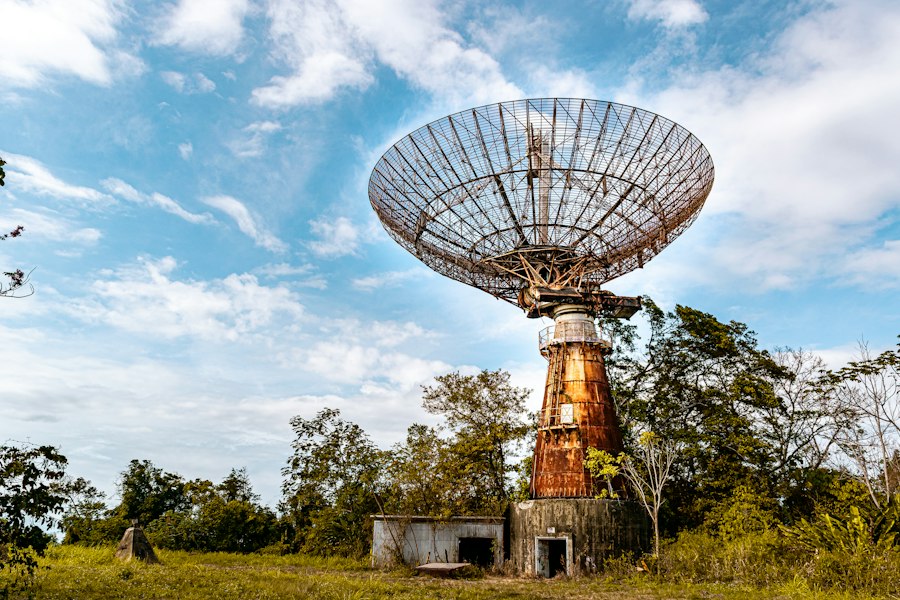
The concept of using radio waves for detection began to emerge in the late 19th and early 20th centuries, with physicists exploring the properties of electromagnetic radiation. While the underlying principles were being investigated, it was the escalating geopolitical tensions leading up to World War II that truly spurred the development and widespread adoption of radar technology. The need for early warning systems to detect incoming enemy aircraft and ships became a pressing strategic imperative, driving significant investment and innovation in this nascent field.
Early pioneers in radar research included Christian Hulsmeyer, who in 1904 patented a system for detecting ships and iron objects using radio waves, calling it “Telemobilscope.” While this was an early conceptualization, it laid some groundwork. However, it was in the 1930s that radar truly began to take shape as a practical military tool. Several countries, including Great Britain, Germany, France, and the United States, were independently working on radar systems. The British, in particular, made significant strides, driven by the looming threat of aerial bombardment.
The British “Chain Home” System and the Battle of Britain
Perhaps the most famous early success of radar was its role in the Battle of Britain. The British developed the “Chain Home” (CH) radar system, a network of coastal radar stations that provided crucial early warning of incoming Luftwaffe raids. These radar stations, strategically positioned along the British coast, could detect aircraft at ranges of up to 100 miles, providing fighter command with vital minutes of warning. This allowed the Royal Air Force (RAF) to scramble its fighters, vector them towards the approaching enemy formations, and achieve a level of defensive effectiveness that would have been impossible without radar.
The CH system operated at relatively low frequencies (around 20-30 MHz), which allowed for long detection ranges. However, it had limitations, including a relatively low resolution and the inability to determine the altitude of aircraft with high precision. Despite these drawbacks, the information provided by Chain Home was indispensable. It allowed the RAF to conserve its limited resources, concentrate its defenses, and achieve a crucial tactical advantage. The success of radar in the Battle of Britain demonstrated its potential as a war-winning technology and spurred rapid development and deployment across all warring nations.
German Development and Early Applications
Germany also made significant investments in radar technology, known as “Funkmessgeräte” (radio measuring devices). They developed various radar systems, including the Freya system for long-range detection of aircraft and the Würzburg system for more precise tracking and gun-laying. German radar played a role in naval warfare, particularly in the Battle of the Atlantic, where it was used to detect Allied convoys. However, compared to the British, German radar development sometimes lagged in terms of coordinated deployment and integration into overall strategic planning, particularly in the initial phases.
American Contributions and the Evolution of Radar
The United States also pursued radar research, with significant contributions coming from institutions like the Naval Research Laboratory and the Massachusetts Institute of Technology (MIT) Radiation Laboratory. The MIT Rad Lab, in particular, became a hub of radar innovation, developing advanced radar systems for the Army Air Forces and the Navy. These developments included moving target indicator (MTI) radar, which could filter out ground clutter to detect moving targets, and more sophisticated fire-control radars. The American contribution was crucial in both the European and Pacific theaters, providing vital intelligence for bombing missions, naval engagements, and air defense.
Radar’s Impact on Warfare: A Transforming Force
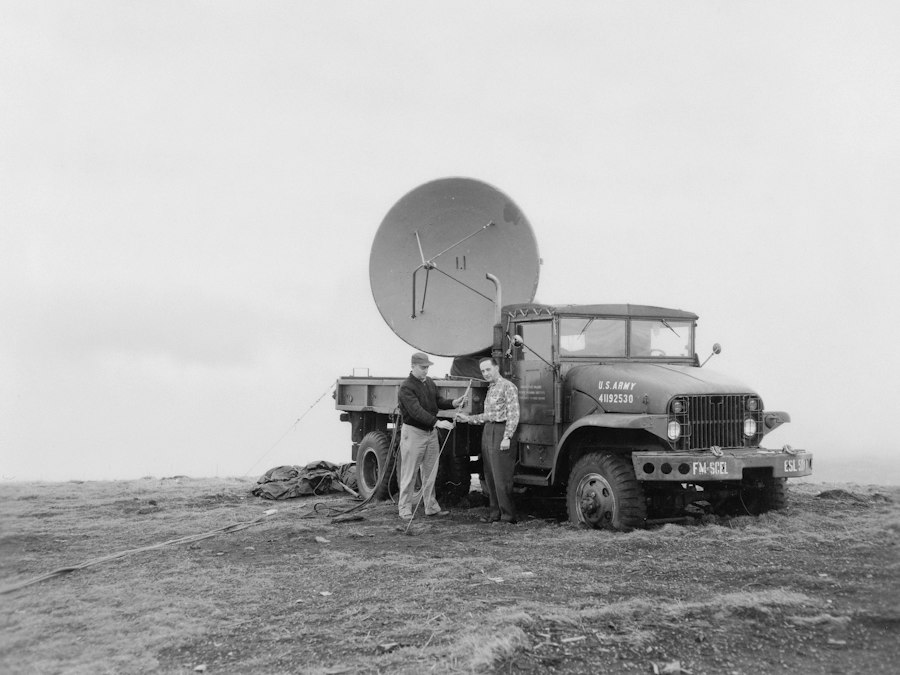
The introduction and rapid evolution of radar technology fundamentally altered the nature of warfare. Its ability to extend the senses of military forces beyond the limitations of human vision and hearing provided unprecedented advantages in reconnaissance, defense, and offense. From the vast expanses of the ocean to the skies above battlefields, radar became an indispensable tool, dictating tactical decisions and shaping strategic outcomes.
Air Defense and Early Warning
The most immediate and profound impact of radar was on air defense. As seen in the Battle of Britain, radar provided the essential early warning needed to counter aerial attacks. This allowed for the effective deployment of interceptor aircraft, the efficient management of anti-aircraft artillery, and the protection of vital infrastructure and civilian populations. The ability to detect incoming bombers from considerable distances reduced the element of surprise and allowed defenders to prepare their response, significantly diminishing the effectiveness of enemy air raids. This early warning capability was crucial for both offensive and defensive air operations.
Naval Warfare and Submarine Detection
Radar revolutionized naval warfare. Its ability to detect surface vessels at night and in adverse weather conditions provided a significant advantage for both offense and defense. Radar-equipped warships could engage enemy vessels with greater accuracy and at longer ranges, even when visual contact was impossible. This was particularly critical in controlling sea lanes and conducting amphibious assaults.
The detection of submarines, however, presented a more complex challenge. While surface radar could detect surfaced submarines, detecting them while submerged was not initially possible. However, as radar technology advanced, specialized airborne radars capable of detecting submarines from the air through their periscopes or wakes were developed. Furthermore, advancements in radar that could penetrate water to some degree, or specialized systems like the Magnetic Anomaly Detector (MAD) which worked in conjunction with radar, contributed to the ongoing efforts to counter submarine threats.
Ground Surveillance and Artillery Guidance
Beyond air and sea, radar found critical applications in ground warfare. Ground surveillance radars were developed to detect enemy troop movements, vehicles, and artillery positions. These systems could provide real-time battlefield intelligence, allowing commanders to adjust their strategies and deploy forces more effectively. Radar also played a vital role in artillery fire direction. Fire-control radars could accurately track enemy artillery positions and guide friendly artillery to retaliate with precision. Conversely, battlefield surveillance radars could detect incoming artillery fire, providing valuable time for troops to take cover.
Modern Advancements and Evolving Roles
The initial breakthroughs in radar technology during World War II were just the beginning. Continuous research and development over the decades have led to increasingly sophisticated and versatile radar systems. These advancements have not only enhanced existing military capabilities but have also opened up new avenues for its application in both military and civilian domains. The drive for greater precision, better resolution, reduced susceptibility to jamming, and smaller, more portable systems has been a constant theme.
Advanced Radar Techniques and Signal Processing
Modern radar systems employ a multitude of advanced techniques to overcome limitations and extract more information from the reflected signals. Pulse-Doppler radar, for example, significantly improves the ability to detect moving targets in clutter by analyzing the Doppler shift of the returned pulses. Synthetic Aperture Radar (SAR) is an imaging radar technique that uses the motion of the radar platform to simulate a much larger antenna, achieving exceptionally high-resolution images of the ground, even through cloud cover. This is invaluable for reconnaissance and target identification.
Sophisticated signal processing algorithms are at the heart of modern radar. These algorithms can filter out noise and interference, enhance weak signals, and identify specific target signatures. Techniques like Constant False Alarm Rate (CFAR) processing ensure that the radar system consistently provides a manageable level of alerts, avoiding overwhelming operators with false positives. Advanced waveform design also allows for better performance in various environments and against different types of targets.
Stealth Technology and Counter-Countermeasures
The development of radar has, in turn, driven the development of counter-radar technologies, most notably stealth. Stealth technology aims to reduce an aircraft’s radar cross-section (RCS), making it harder for radar to detect. This is achieved through a combination of shaping (using flat surfaces and angles to deflect radar waves away from the receiver) and radar-absorbent materials (RAM) that absorb incoming radar energy.
The existence of stealth technology has led to a continuous arms race in radar. Researchers are constantly developing new radar frequencies and signal processing techniques to penetrate stealth capabilities. This includes Low Probability of Intercept (LPI) radar, which emits signals that are difficult for enemy electronic support measures to detect, and advanced bistatic or multistatic radar systems that use separate transmitters and receivers, making it harder for a single platform to be located and attacked.
Beyond the Battlefield: Civilian Radar Applications
While its military origins are undeniable, radar technology has permeated numerous civilian sectors, enhancing safety, efficiency, and our understanding of the world. Air traffic control relies heavily on radar to monitor aircraft movements, ensuring safe separation and efficient routing. Weather radar is indispensable for tracking storms, predicting precipitation, and issuing timely warnings for severe weather events, saving countless lives and mitigating economic damage.
In the automotive industry, radar sensors are becoming increasingly common in advanced driver-assistance systems (ADAS). These sensors enable features like adaptive cruise control, automatic emergency braking, and blind-spot monitoring, significantly improving road safety. Maritime navigation systems use radar to detect other vessels, shorelines, and navigational aids, crucial for safe passage in various conditions. Furthermore, radar is employed in scientific research for applications such as studying the atmosphere, mapping geological features, and even in medical imaging.
Radars have played a crucial role in military history, revolutionizing the way conflicts are fought and won. The development of radar technology during World War II allowed for improved detection of enemy aircraft and ships, significantly altering the dynamics of warfare. For a deeper understanding of this transformative technology and its impact on military strategies, you can explore a related article on the subject at In the War Room. This resource delves into the evolution of radar systems and their strategic importance throughout various conflicts.
The Future of Radar: Intelligence and Integration
| Year | Event | Radar Technology | Significance in Military History | Key Metrics |
|---|---|---|---|---|
| 1935 | Development of the first practical radar | Radio Detection and Ranging (early pulse radar) | Enabled detection of aircraft beyond visual range | Range: ~5 miles; Frequency: ~200 MHz |
| 1939-1945 | World War II radar advancements | Pulse radar, microwave radar (cavity magnetron) | Critical for air defense, naval battles, and early warning systems | Range: up to 100 miles; Frequency: 3 GHz (microwave) |
| 1950s | Introduction of Doppler radar | Doppler effect used to detect moving targets | Improved target velocity measurement and clutter reduction | Velocity resolution: few m/s; Range: 50-200 miles |
| 1960s | Development of phased array radar | Electronically steered beam without moving parts | Faster target tracking and multi-target engagement | Scan speed: milliseconds; Range: 200+ miles |
| 1980s | Introduction of synthetic aperture radar (SAR) | High-resolution ground imaging radar | Enhanced reconnaissance and battlefield surveillance | Resolution: |
| 2000s | Development of stealth detection radar | Low-frequency radar to detect stealth aircraft | Counter-stealth capabilities in air defense | Frequency: VHF/UHF bands; Range: 100+ miles |
The trajectory of radar technology points towards a future characterized by enhanced intelligence, seamless integration, and an ever-expanding range of capabilities. The constant push for better performance, coupled with advancements in computing power and artificial intelligence, is transforming radar from a passive detection tool into an active, intelligent sensor system. The concept of “sensor fusion,” where data from multiple radar systems and other sensors are combined, is becoming increasingly important.
Towards AI-Powered Radar Systems
The integration of artificial intelligence (AI) and machine learning (ML) is poised to revolutionize radar. AI algorithms can analyze complex radar data in real-time, identifying targets with greater accuracy and speed than human operators. ML can be used to train radar systems to recognize specific target signatures, adapt to changing environmental conditions, and even predict the behavior of targets. This promises to enhance radar’s ability to perform tasks such as automatic target recognition (ATR), battlefield situational awareness, and intelligence gathering. AI can also optimize radar operations, dynamically adjusting parameters to maximize performance in different scenarios, thus reducing the cognitive load on human operators.
Networked Radar and Distributed Sensing
The future of radar also lies in its networked and distributed deployment. Instead of relying on single, powerful radar platforms, future systems will likely involve a network of smaller, interconnected radar sensors. This distributed approach offers several advantages, including increased coverage, redundancy, and the ability to perform bistatic or multistatic operations, making it more difficult for adversaries to counter. These networked sensors can share data and coordinate their operations, creating a more comprehensive and resilient sensing network. This networked approach can also allow for more efficient use of spectrum and improved threat detection by correlating data from multiple perspectives.
Expanding Applications and the Unseen Frontier
The continuous evolution of radar technology ensures that its applications will continue to expand. In the military realm, this includes enhanced capabilities for electronic warfare, cyber operations integration, and even counter-drone systems that utilize radar for detection and tracking. In civilian applications, we can anticipate more sophisticated autonomous vehicle systems, advanced environmental monitoring tools, and potentially even new diagnostic capabilities in healthcare. As radar continues to push the boundaries of what is detectable and measurable, its role in shaping our world, both seen and unseen, will only grow more profound. The invisible waves will continue to extend our senses, providing critical information and enabling capabilities that were once the stuff of science fiction.

A 3-Year Drought Hit the Hittite Empire. Did It Cause the Collapse?
FAQs
How do radars work in military applications?
Radar systems emit radio waves that bounce off objects in the surrounding area. By analyzing the time it takes for the waves to return, the radar can determine the distance, direction, and speed of the objects, allowing military personnel to detect and track potential threats.
What is the history of radar technology in military use?
Radar technology was first developed and used during World War II for military purposes. It played a crucial role in detecting enemy aircraft and ships, providing early warning systems, and aiding in navigation and targeting.
How are radars used for air defense in the military?
In air defense, radars are used to detect and track incoming aircraft or missiles. This information is then used to guide interceptor aircraft or launch surface-to-air missiles to neutralize the threat before it reaches its target.
What role do radars play in modern warfare?
In modern warfare, radars are essential for surveillance, reconnaissance, target acquisition, and missile guidance. They provide crucial information to military commanders, enabling them to make informed decisions and respond effectively to threats.
How have advancements in radar technology impacted military operations?
Advancements in radar technology have greatly enhanced military capabilities by improving detection range, accuracy, and target discrimination. These advancements have allowed for better situational awareness, increased operational effectiveness, and improved overall defense and security.