The Dawn of a New Era: Early Radar Development
The genesis of radar technology, though predating the Cold War by several decades, found its most fervent and accelerated development within the crucible of this geopolitical standoff. The ability to detect objects at a distance using radio waves, initially a curiosity and a defensive tool, rapidly evolved into a critical component of military strategy for both the United States and the Soviet Union. The foundational principles, rooted in the work of physicists like Heinrich Hertz and Nikola Tesla in the late 19th and early 20th centuries, were brought to the forefront by the existential threat perceived on both sides of the Iron Curtain. The development of radar was not a singular event but a continuous process of innovation, driven by the imperative to gain and maintain a strategic advantage.
The Seeds of Detection: Pre-War Innovations
Before the shadows of the Cold War truly fell, the seeds of radar had been sown. Early experiments in radio wave propagation and reflection laid the groundwork. Scientists and engineers began to understand that radio waves, when transmitted and reflected back by an object, could reveal its presence, distance, and even speed. This phenomenon, initially termed “radio detection and ranging,” offered a revolutionary alternative to visual observation, particularly in adverse weather conditions and at night.
Early Theoretical Foundations
The fundamental understanding of electromagnetic wave behavior was crucial. Hertz’s experiments in the 1880s demonstrated the existence of radio waves and their ability to reflect off objects. While his focus was on proving Maxwell’s theories, his work inadvertently pointed towards potential applications for detection. Later, figures like Christian Hülsmeyer, who patented a system for detecting ships and other metal objects using radio waves in 1904, made early practical strides. These early efforts, however, were largely academic or limited in scope, lacking the scale and urgency that would define Cold War radar.
The Specter of Warfare: Military Interest Awakens
The looming threat of aerial bombardment and naval warfare in the lead-up to and during World War II significantly heightened military interest in detection technologies. The Royal Air Force’s development of the Chain Home radar system, crucial in the Battle of Britain, demonstrated the immense strategic value of radar in air defense. This success served as a potent wake-up call for other nations, including the United States and the Soviet Union, underscoring the need for robust and advanced radar capabilities. The concept of an “electronic eye” that could pierce through fog, darkness, and even camouflage became an irresistible prospect for military planners.
During the Cold War, radar technology played a crucial role in military strategy and defense systems, significantly impacting the balance of power between superpowers. For a deeper understanding of how radar advancements influenced military tactics and espionage during this era, you can read the related article on this topic at In The War Room. This article explores the evolution of radar technology and its implications for Cold War confrontations.
The Cold War Arms Race: A New Generation of Radar
The Cold War, characterized by ideological conflict and a constant state of military preparedness, transformed radar from a tactical advantage into a cornerstone of national defense and offense. The immense budgets and dedicated scientific efforts poured into radar development during this era led to breakthroughs that fundamentally reshaped military capabilities. The dual imperative of defense against surprise attacks and the ability to project power globally drove innovation at an unprecedented pace.
The Evolution of Radar Systems
The post-war era saw a dramatic leap in radar technology, moving beyond the relatively rudimentary systems of World War II. The focus shifted towards greater range, accuracy, resolution, and the ability to operate in increasingly complex electromagnetic environments. This period witnessed the birth of entirely new radar paradigms and the refinement of existing ones.
Early Warning and Air Defense Radars
The need to detect incoming bombers and, later, intercontinental ballistic missiles (ICBMs) fueled the development of vast radar networks. The United States established the Distant Early Warning (DEW) Line, a series of radar stations across the Arctic, designed to provide advance warning of Soviet bomber incursions. Similarly, the Soviets invested heavily in their own air defense radar systems. These systems were characterized by their sheer size, power, and the significant infrastructure required to operate them. They were designed to cover vast swathes of territory and provide crucial minutes or hours of warning time.
Ground Surveillance and Battlefield Radar
Beyond air defense, radar found critical applications in ground warfare. The ability to detect enemy troop movements, artillery positions, and vehicles in real-time became indispensable for tactical decision-making. Battlefield radars, often mounted on vehicles or aircraft, provided commanders with an unparalleled understanding of the operational landscape. These systems evolved from simple object detectors to sophisticated imagers capable of differentiating between various types of targets and even identifying stationary units. The move from pulsed radar to continuous wave (CW) Doppler radar, for instance, allowed for the detection of moving targets with greater precision and the ability to measure their velocity, proving invaluable for artillery spotting and counter-battery fire.
Naval Radar and Maritime Surveillance
The vast expanse of the oceans presented unique challenges and opportunities for radar. Naval vessels required advanced radar systems for navigation, collision avoidance, and the detection of other ships and aircraft. The Cold War saw the development of sophisticated maritime surveillance radars capable of tracking multiple targets over long distances, playing a crucial role in fleet coordination and the interception of enemy vessels. The integration of radar with other sensor systems on warships created a layered defense and offense capability, allowing navies to maintain situational awareness in a dynamic and often hostile environment. Furthermore, coastal radar installations were vital for monitoring maritime traffic and detecting potential amphibious landing threats.
Technological Frontiers: Pushing the Limits of Radar
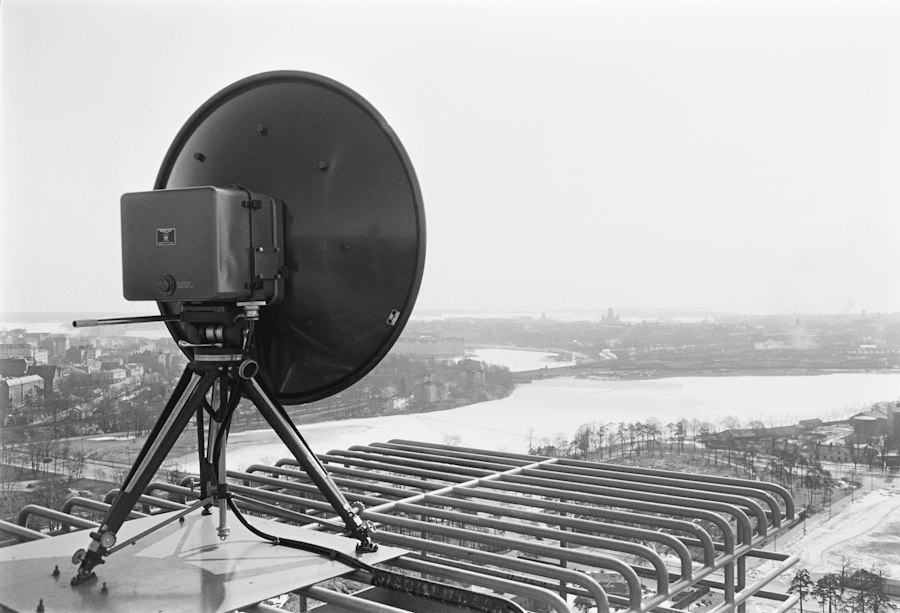
The relentless pursuit of technological superiority during the Cold War pushed the boundaries of what was considered possible with radar. Engineers and scientists grappled with fundamental physics and engineering challenges to create systems that were more sensitive, more precise, and more resilient to countermeasures. This era was marked by a constant innovation cycle, where advancements in one area spurred further development in others.
Doppler Radar and its Impact
The introduction of Doppler radar was a significant leap forward. By analyzing the frequency shift of returning radio waves, Doppler radar could determine the velocity of a target relative to the radar source. This capability was revolutionary for several reasons. It allowed for the differentiation of moving targets from stationary clutter, significantly improving the performance of radar in cluttered environments like urban areas or rough terrain. It also enabled the accurate measurement of projectile velocities, vital for anti-aircraft systems and artillery fire control.
Doppler Radar in Air Defense
In air defense, Doppler radar dramatically improved the ability to distinguish friendly aircraft from enemy bombers and missiles. The predictable Doppler shift of incoming threats provided a clear signature that could be reliably tracked. This allowed for more accurate targeting and engagement, reducing the risk of friendly fire and increasing the effectiveness of air defense batteries. The development of pulse-Doppler radar systems, which combined the advantages of pulsed radar for range measurement with Doppler for velocity detection, became a standard for advanced air defense.
Ground and Naval Applications of Doppler
On the ground and at sea, Doppler radar found equally critical applications. For ground forces, it enabled the detection of approaching vehicles and the precise tracking of artillery shells. This information was crucial for early warning, defensive maneuvers, and for directing counter-battery fire. In naval warfare, Doppler radar enhanced the ability to track submarines by detecting the subtle Doppler shifts caused by their movement through the water. It also improved the tracking of high-speed surface vessels and low-flying aircraft.
Pulse Compression and Improved Resolution
Another key advancement was pulse compression. Traditional radar systems transmitted short, high-power pulses to achieve good range resolution. However, transmitting very high-power pulses presented engineering challenges and could be detected by adversaries. Pulse compression techniques allowed radar systems to transmit longer, lower-power pulses while still achieving the range resolution of a short, high-power pulse. This was achieved by encoding information within the transmitted pulse and then processing the received echo to “compress” it back into a sharp, short pulse.
Enhanced Target Discrimination
The ability to transmit longer pulses without sacrificing range resolution was crucial for detecting smaller targets at greater distances and for distinguishing between closely spaced objects. This improved resolution meant that radar systems could differentiate between individual vehicles in a convoy, identify the type of aircraft, or even distinguish between different types of sea clutter. This enhanced target discrimination was vital for improving the accuracy of weapon systems and for providing more detailed battlefield intelligence.
Overcoming Clutter and Jamming
Pulse compression techniques also played a role in improving radar’s ability to operate in cluttered environments and resist electronic jamming. By processing the received signals more effectively, these systems could better distinguish genuine targets from unwanted echoes caused by weather, terrain, or deliberate jamming efforts. This resilience was essential for maintaining operational effectiveness in the face of increasingly sophisticated electronic warfare tactics.
The Shadow of the Bomb: Missile Defense Radars
The advent of nuclear weapons and intercontinental ballistic missiles (ICBMs) introduced an existential threat that necessitated entirely new categories of radar. The development of missile defense systems became a paramount concern, and radar played a central role in every aspect of this critical endeavor, from early warning to intercept guidance.
Early Warning Radar for Ballistic Missiles
The ability to detect an ICBM launch and track its trajectory was crucial for providing any chance of a response, whether diplomatic or military. This led to the development of massive, long-range radar systems specifically designed to detect the faint heat signatures and radar reflections of ballistic missiles as they ascended and traversed the atmosphere. These radars were strategically located to provide the earliest possible warning of an incoming attack.
The Quest for Intercontinental Range
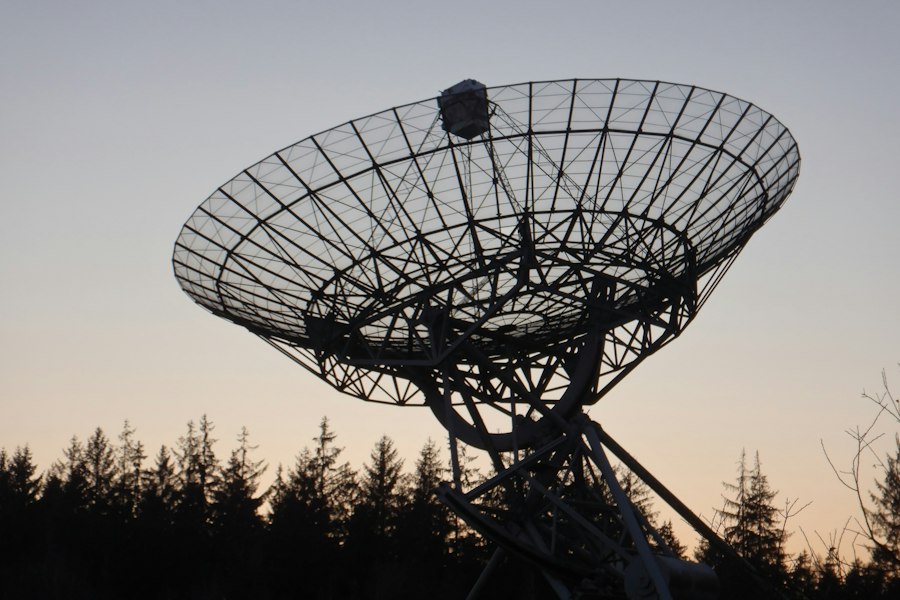
Achieving the necessary range to detect ICBMs launched from thousands of miles away was a significant engineering feat. This required high-power transmitters, sensitive receivers, and advanced signal processing techniques to filter out noise and false targets. Radars like the Ballistic Missile Early Warning System (BMEWS) in the United States and its Soviet counterparts were immense installations, often housing dish antennas spanning hundreds of feet. These systems were designed to operate continuously, monitoring the skies for any signs of a surprise attack.
The Challenge of Re-entry Vehicles
Once a missile reached its apogee, it would release multiple warheads, known as re-entry vehicles (RVs), designed to spread out and complicate defense. Detecting and tracking these relatively small, fast-moving objects in the upper atmosphere posed a significant challenge for early warning radars, which were primarily designed for larger targets. This led to the development of specialized radars capable of higher resolution and faster scanning rates.
Radar for Missile Guidance and Interception
Beyond early warning, radar was indispensable for guiding interceptor missiles to their targets. Once an incoming ICBM or its warheads were detected and tracked, radar systems would provide continuous updates to the interceptor missile, guiding it to the precise location where it could engage the threat. This required extremely precise tracking and the ability to discriminate between the warheads and decoys.
Terminal Guidance Radars
For terminal defense, where interceptors were tasked with destroying warheads in the final stages of their trajectory, highly accurate radar systems were essential. These radars needed to track the target with millimeter precision and provide real-time guidance to the interceptor. The development of phased-array radars, which could steer their beams electronically without physical movement of the antenna, was a critical advancement in this area. This allowed for rapid scanning of multiple targets and extremely fast reaction times.
The Role of Radar in Anti-Ballistic Missile (ABM) Systems
The development of Anti-Ballistic Missile (ABM) systems, though constrained by arms limitation treaties like the ABM Treaty, saw significant radar innovation. The Strategic Defense Initiative (SDI), often referred to as “Star Wars,” proposed a space-based and ground-based network of sensors and weapons, with radar playing a pivotal role in detection, tracking, and engagement. While many SDI concepts were never fully realized, the research and development efforts spurred significant advancements in radar technology that had broader military and civilian applications. The complexity of discriminating between warheads and decoys, and the need for incredibly fast and precise tracking, drove radar capabilities to new heights.
Radar technology played a crucial role during the Cold War, significantly influencing military strategies and national security policies. An insightful article that delves into this topic is available at this link, where you can explore how advancements in radar systems shaped the dynamics between superpowers and contributed to the arms race. Understanding these developments helps to appreciate the intricate relationship between technology and geopolitics during that tense period in history.
Beyond the Battlefield: Radar’s Expanding Horizons
| Metric | Description | Cold War Context | Significance |
|---|---|---|---|
| Radar Range | Maximum distance at which radar can detect objects | Early Cold War radars had ranges of 100-200 miles; later systems extended to 400+ miles | Determined early warning capabilities against incoming aircraft or missiles |
| Frequency Bands | Radar operating frequencies (e.g., L-band, S-band, X-band) | Different bands used for long-range detection and high-resolution tracking | Improved detection accuracy and resistance to jamming |
| Pulse Repetition Frequency (PRF) | Number of radar pulses emitted per second | Varied from hundreds to thousands of pulses per second in Cold War radars | Influenced radar resolution and target tracking ability |
| Radar Cross Section (RCS) Detection | Minimum size of object detectable by radar | Advancements aimed to detect smaller, low-flying aircraft and missiles | Critical for missile defense and early warning systems |
| Phased Array Technology | Radar antenna technology allowing electronic beam steering | Introduced in late Cold War for faster target acquisition and tracking | Enhanced radar responsiveness and multi-target tracking |
| Over-the-Horizon Radar (OTHR) | Radar capable of detecting targets beyond the line of sight | Developed to monitor missile launches and aircraft at very long ranges | Extended early warning capabilities beyond traditional radar limits |
| Signal Processing Speed | Rate at which radar data is analyzed and interpreted | Improved with advances in computing during Cold War | Allowed quicker decision-making and response to threats |
The technological advancements driven by the Cold War arms race did not remain confined to military applications. The innovations in radar technology found their way into numerous civilian sectors, improving safety, efficiency, and our understanding of the world around us. The fundamental principles and engineering solutions developed for detecting enemy bombers and missiles proved remarkably adaptable to a wide range of non-military uses.
Civilian Aviation and Air Traffic Control
One of the most significant beneficiaries of Cold War radar advancements was civilian aviation. The need for reliable detection and tracking of aircraft in military contexts directly translated into improved safety and efficiency in air traffic control. The development of sophisticated air traffic control radars, capable of tracking multiple aircraft simultaneously and providing precise positional data, was a direct outgrowth of military radar research.
The Evolution of Air Traffic Control Radars
Primary surveillance radars, which simply detect aircraft by bouncing radio waves off them, were enhanced with greater range and accuracy. However, the real revolution came with the development of secondary surveillance radars (SSRs). These systems interact with transponponders carried by aircraft, which transmit coded signals containing identification and altitude information. This allows air traffic controllers to not only see aircraft but also identify them and their flight parameters, dramatically improving the capacity and safety of the air traffic system.
Weather Radar and its Development
The ability of radar to detect precipitation and atmospheric phenomena was also significantly advanced during the Cold War. Military weather reconnaissance units utilized radar to forecast weather patterns and assess conditions for military operations. This research led to the development of Doppler weather radar, which can measure the speed and direction of precipitation, providing invaluable information for tracking storms, predicting their intensity, and issuing timely warnings for severe weather events like tornadoes and hurricanes. The ability to “see” inside a storm cloud and understand its internal dynamics was a direct consequence of the technological drive of the era.
Meteorology and Environmental Monitoring
The application of radar extended beyond immediate weather forecasting into broader meteorological and environmental monitoring. The ability to measure wind speeds, atmospheric density, and other environmental parameters with radar opened new avenues for scientific research and understanding. Scientists utilized radar to study atmospheric layers, track the movement of pollutants, and monitor changes in the Earth’s atmosphere and oceans.
Studying Atmospheric Phenomena
The development of specialized radar systems allowed meteorologists to probe the upper atmosphere and study phenomena like clouds, storms, and even the movement of dust and volcanic ash. The refinement of techniques for interpreting radar echoes from different atmospheric constituents led to a deeper understanding of weather systems and their complex interactions. This research had significant implications for climate modeling and our understanding of global weather patterns.
Oceanographic and Earth Observation Radar
Beyond the atmosphere, radar technology found applications in observing the Earth’s surface. Synthetic Aperture Radar (SAR) systems, initially developed for aerial reconnaissance and mapping, proved invaluable for monitoring ocean currents, ice sheets, and land use changes. These systems can penetrate clouds and operate day or night, providing consistent Earth observation data that is crucial for environmental monitoring, resource management, and disaster response. The ability to create high-resolution images of the Earth’s surface from space or aircraft, a capability significantly advanced during the Cold War, has become an indispensable tool for scientific research and policy-making. The legacy of Cold War radar, therefore, extends far beyond the strategic imperatives that initially drove its development, permeating many aspects of modern life and scientific inquiry.

A 3-Year Drought Hit the Hittite Empire. Did It Cause the Collapse?
FAQs
What is radar technology and how was it used during the Cold War?
Radar technology is a system that uses radio waves to detect the presence, direction, distance, and speed of objects such as aircraft, ships, and missiles. During the Cold War, radar technology played a crucial role in early warning systems, surveillance, and defense against potential threats.
How did radar technology contribute to the arms race during the Cold War?
Radar technology contributed to the arms race during the Cold War by enabling countries to develop more advanced and sophisticated weapons systems. Radar systems were used to track and target enemy aircraft, missiles, and submarines, leading to the development of more powerful and accurate weapons.
Which countries were at the forefront of radar technology development during the Cold War?
During the Cold War, the United States and the Soviet Union were at the forefront of radar technology development. Both countries invested heavily in radar research and development to gain a strategic advantage in terms of early warning systems, surveillance, and military capabilities.
How did radar technology impact military strategies during the Cold War?
Radar technology had a significant impact on military strategies during the Cold War by providing real-time information about enemy movements and potential threats. This information allowed military commanders to make informed decisions and respond quickly to any perceived threats, shaping the overall military tactics and strategies of the time.
What advancements in radar technology were made as a result of the Cold War?
As a result of the Cold War, significant advancements were made in radar technology, including the development of more sophisticated radar systems with increased range, accuracy, and capabilities. These advancements laid the foundation for modern radar systems used in various applications such as air traffic control, weather monitoring, and defense systems.