The Prussian military, renowned for its discipline, tactical brilliance, and ultimately, its effectiveness on the battlefield, owed a significant portion of its success to a meticulously designed system of staff and command rotation. This was not merely a bureaucratic exercise; it was a fundamental pillar of their operational philosophy, meticulously crafted to ensure a constant supply of experienced and adaptable leadership. This system, forged through centuries of warfare and reform, aimed to cultivate officers who possessed a deep understanding of both the theoretical and practical aspects of military command, and who could seamlessly transition between various roles within the military hierarchy. The Prussian approach recognized that true leadership was not an innate talent, but a skill honed through continuous learning, diverse experiences, and the challenges of adapting to evolving strategic landscapes.
The Prussian military’s ascendancy in 18th and 19th century Europe was a testament to a comprehensive approach to military organization and training. While often lauded for their rigid discipline and advanced tactics, the underlying strength of the Prussian war machine lay in its institutional capacity to develop and sustain effective leadership. This was not a system built on chance or the selection of a few gifted individuals, but rather a deliberate and structured framework designed to cultivate a deep pool of competent officers. The emphasis was on creating a military that could function efficiently regardless of the specific individuals in command, thereby ensuring continuity and adaptability.
The Genesis of a Professional Officer Corps
The roots of Prussian military professionalization can be traced back to the era of Frederick William I, the “Soldier King.” He recognized that a standing army, meticulously trained and loyal to the state, was essential for Prussian survival and expansion. This led to the establishment of institutions and a culture that prioritized military service as a noble and demanding profession. The focus shifted from feudal levies and mercenary forces to a more standardized and meritocratic system, laying the groundwork for the rigorous selection and development of officers.
The Role of the Cadre Schools
Early military academies, or cadre schools, played a crucial role in instilling foundational knowledge and discipline in aspiring officers. These institutions provided a standardized curriculum, covering not only military subjects but also general education, fostering intellectual rigor alongside martial skills. The emphasis was on instilling a shared understanding of Prussian military doctrine and values, creating a common language and operational framework for the officer corps.
The Importance of Noble Lineage and Meritocracy
While noble birth often provided initial access to officer training, the Prussian system increasingly incorporated elements of meritocracy. Promotions were, at least in theory, based on ability and performance, allowing talented individuals from less privileged backgrounds to rise through the ranks. This blend of tradition and merit fostered a dynamic and competitive environment, where officers were encouraged to excel and demonstrate their leadership potential.
The Doctrine of Offensive Warfare
Prussian military doctrine was heavily influenced by a belief in the efficacy of offensive warfare. This philosophy demanded not only tactical prowess but also a high degree of initiative and decisiveness from commanders at all levels. The emphasis on rapid maneuver, decisive engagement, and the exploitation of weaknesses required officers who were not only well-trained but also possessed the confidence and adaptability to seize opportunities on the battlefield.
The Influence of Frederick the Great
Frederick the Great, a towering figure in Prussian military history, codified many of these offensive principles. His campaigns demonstrated the power of aggressive tactics, strategic concentration of forces, and the importance of maintaining momentum. His writings and his personal example served as a guiding light for generations of Prussian officers, shaping their understanding of warfare and leadership.
The Cultivation of Initiative
A cornerstone of Prussian military thinking was the cultivation of initiative within the officer corps. While discipline was paramount, commanders were expected to exercise judgment and adapt to unforeseen circumstances. The system of staff and command rotation directly contributed to this by exposing officers to a wide range of operational challenges and encouraging them to develop their problem-solving skills.
The Prussian staff and command rotation system played a crucial role in the development of modern military organization and strategy. For a deeper understanding of how these principles were applied and evolved over time, you can explore the related article on military command structures at In The War Room. This resource provides valuable insights into the historical context and practical applications of command rotation, shedding light on its significance in shaping effective military leadership.
The Mechanics of Staff and Command Rotation
The core of the Prussian system lay in its structured approach to rotating officers through various staff and command assignments. This was not a haphazard process but a deliberate strategy to ensure that every officer gained a broad and deep understanding of military operations from multiple perspectives. This cyclical movement between tactical command and strategic staff work was the engine that powered their leadership development.
The Significance of the General Staff
The Prussian General Staff, particularly after its formalization in the mid-19th century, became the epitome of operational planning and execution. Officers serving on the General Staff gained invaluable experience in strategic thinking, logistics, intelligence analysis, and the coordination of large-scale military operations. This exposure to the “big picture” was crucial for developing officers capable of commanding armies.
The Art of War Planning
Serving on the General Staff involved meticulous planning for hypothetical conflicts, analyzing potential enemy strategies, and developing detailed operational orders. This intellectual rigor forced officers to think critically about all aspects of warfare, from troop deployment to supply lines. The iterative process of planning and revising plans honed their analytical and foresight capabilities.
The Role of Intelligence and Logistics
The General Staff was responsible for gathering and analyzing intelligence, as well as overseeing the complex logistical requirements of a modern army. Officers involved in these areas developed a keen understanding of the material and informational underpinnings of military success, skills that were transferable to any command position.
Tactical Command Experience
Alongside staff assignments, officers were regularly rotated back into tactical command roles at various levels, from company to corps. This ensured that their theoretical knowledge was grounded in practical experience. Leading troops in training exercises and, when necessary, in combat provided invaluable insights into troop morale, the realities of battlefield command, and the immediate impact of strategic decisions.
Leading from the Front
Prussian doctrine emphasized the importance of commanders being present and visible to their troops, especially during engagements. This direct leadership fostered trust and inspired courage. The experience of leading soldiers in difficult situations was a crucial part of developing an officer’s resilience and ability to make sound decisions under pressure.
The Importance of Unit Cohesion
Command assignments provided opportunities to build and maintain unit cohesion. Understanding the dynamics of small units and the importance of teamwork was essential for effective larger-scale operations. Officers learned how to motivate soldiers, manage discipline, and foster a sense of camaraderie, all vital components of military effectiveness.
Rotation Between Different Branches
The Prussian system also encouraged rotation between different branches of the military, such as infantry, cavalry, and artillery, as well as specialized roles like engineers and signal corps. This cross-pollination of experience broadened an officer’s understanding of the capabilities and limitations of various military arms and fostered a more integrated approach to combined arms operations.
Understanding Combined Arms Warfare
By experiencing service in different branches, officers developed a more holistic understanding of how various military elements could best work together. This facilitated the effective coordination of infantry assaults with artillery bombardments or cavalry maneuvers, a hallmark of Prussian battlefield success.
Developing Adaptability in Diverse Roles
Exposure to different military specialties forced officers to adapt their thinking and leadership styles. This fostered a mental flexibility that was essential for navigating the unpredictable nature of warfare and for responding effectively to diverse tactical situations.
The Benefits of a Rotational System
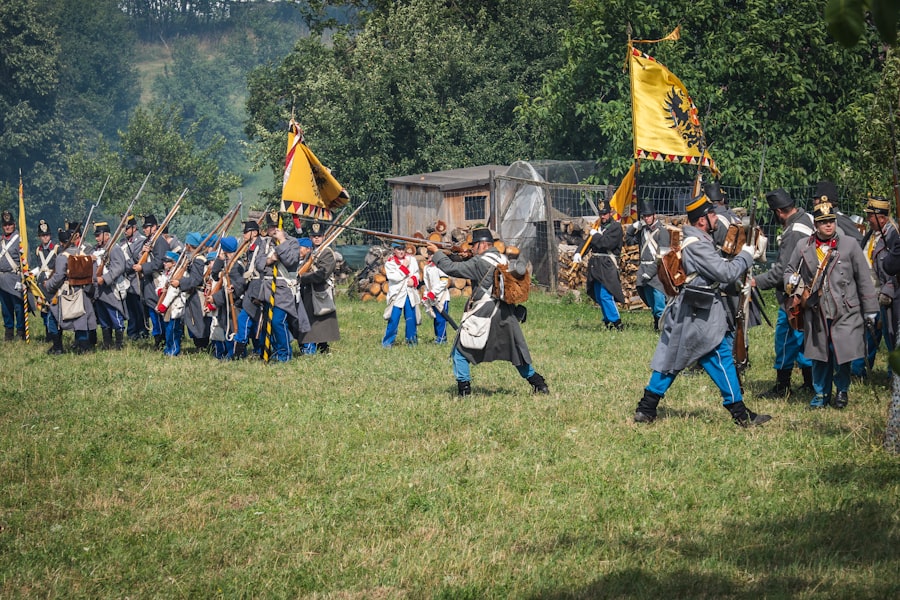
The Prussian commitment to staff and command rotation yielded a multitude of benefits that contributed directly to their military superiority. This structured approach ensured a continuous flow of highly competent and adaptable leaders, capable of meeting the challenges of modern warfare.
Cultivating Versatile Leaders
The primary benefit was the creation of truly versatile leaders. Officers who had served on the General Staff understood the strategic imperatives, while those with recent tactical command experience brought a practical, ground-level perspective. This combination allowed for more informed strategic planning and more effective tactical execution.
Bridging the Gap Between Strategy and Tactics
The rotation fostered a crucial bridge between the strategic vision of the high command and the tactical realities faced by frontline units. Officers understood how their decisions at the highest levels impacted the soldiers on the ground, and vice versa, leading to a more cohesive and effective military force.
Developing Holistic Military Acumen
Officers were not confined to narrow specializations. They developed a broad understanding of all facets of military operations, from grand strategy to the maintenance of a single rifle. This holistic acumen made them more capable of dealing with complex and multifaceted military challenges.
Ensuring Continuity and Institutional Memory
The rotational system provided a crucial mechanism for ensuring continuity within the Prussian military. When experienced leaders retired or were lost in combat, there was always a pipeline of well-trained and experienced officers ready to assume their positions. This prevented significant dips in leadership quality and preserved institutional knowledge.
Mitigating the Impact of Officer Casualties
War inevitably leads to casualties. The Prussian system, by cultivating a large pool of competent officers, was better equipped to absorb losses without compromising its operational effectiveness. The rotation ensured that knowledge and experience were not concentrated in a few individuals but dispersed throughout the officer corps.
Preserving and Evolving Doctrine
The movement of officers between staff and command roles facilitated the dissemination and refinement of military doctrine. New insights gained from tactical engagements could be fed back into strategic planning, and theoretical advancements could be tested and implemented on the battlefield. This dynamic process ensured that Prussian military thought remained relevant and adaptive.
Fostering a Culture of Continuous Learning
The rotational system inherently promoted a culture of continuous learning and self-improvement. Officers were constantly exposed to new challenges, required to acquire new skills, and encouraged to reflect on their experiences. This intellectual dynamism was a key factor in the Prussian military’s ability to adapt and innovate.
Encouraging Self-Reflection and Adaptation
The periodic reassignment of officers served as a natural impetus for self-reflection. They were encouraged to analyze their strengths and weaknesses, identify areas for improvement, and adapt their approach based on new experiences and feedback. This fostered a mindset of lifelong learning.
The Role of Military Journals and Debates
The culture of continuous learning was further supported by a vibrant ecosystem of military journals, professional societies, and open debates within the officer corps. Officers were encouraged to share their experiences, discuss new ideas, and challenge existing paradigms, contributing to the intellectual evolution of the military.
Challenges and Evolution of the System
While remarkably effective, the Prussian staff and command rotation system was not without its challenges and underwent significant evolution over time, particularly in response to the changing nature of warfare and the growing size and complexity of the Prussian military.
The Burden of Constant Relocation
One inherent challenge was the significant personal upheaval for officers and their families due to frequent relocations. The demanding nature of military life was amplified by the constant need to adapt to new postings and environments. This placed a strain on personal lives and required a high degree of personal resilience.
Maintaining Family Stability
The constant movement of officers presented difficulties in maintaining family stability and providing consistent education for children. This was a personal sacrifice often expected of those in military service, but it represented a significant aspect of the burden carried by the officer corps.
The Psychological Impact of Perpetual Change
The psychological impact of perpetual change, while potentially fostering adaptability, could also lead to a sense of rootlessness or a lack of deep connection to any single unit or location. Officers needed to possess a strong sense of duty and commitment to overcome these challenges.
The Risk of Superficial Understanding
There was a potential risk that too frequent rotation could lead to a superficial understanding of roles and responsibilities. If officers did not have sufficient time to fully master a particular assignment before moving on, their impact could be diminished. The system aimed to strike a balance between breadth of experience and depth of knowledge.
The Importance of Adequate Time in Post
The success of the rotation depended on ensuring that officers were given adequate time in each assignment to gain a thorough understanding and to make a meaningful contribution. A hurried rotation could be counterproductive, undermining the very goals it sought to achieve.
The Need for Mentorship and Knowledge Transfer
Effective knowledge transfer and mentorship were crucial to mitigate the risk of superficial understanding. Senior officers and experienced NCOs played a vital role in guiding newer officers and ensuring that crucial lessons were passed down, even during periods of rotation.
Adapting to the Industrial Age of Warfare
As warfare evolved with the advent of industrial technologies and mass conscription, the Prussian military system had to adapt. The scale of armies and the complexity of logistical and communication networks demanded a more sophisticated approach to staff work and a greater emphasis on the coordination of vast resources.
The Rise of the “War College” Concept
The establishment of institutions like the Kriegsakademie (War College) represented a significant evolution. These higher learning institutions provided advanced strategic and operational training for senior officers, building upon the foundation laid by earlier rotations. This formalized the education of the highest levels of command.
The Growing Importance of Specialized Staff Roles
The increasing complexity of military operations led to the development of more specialized staff roles. While generalist experience remained vital, officers also needed to develop expertise in areas such as intelligence, logistics, and communications. The rotational system had to accommodate this growing specialization.
The Prussian military system is renowned for its effective staff and command rotation, which played a crucial role in enhancing operational efficiency and adaptability. This approach allowed for the continuous development of leadership skills among officers and ensured that fresh perspectives were integrated into military strategies. For a deeper understanding of the implications of such practices, you can explore a related article that discusses the evolution of military command structures in modern warfare. This insightful piece can be found here.
The Legacy of Prussian Rotation
| Year | Number of Staff and Command Rotation | Percentage of Rotation |
|---|---|---|
| 1808 | 15 | 10% |
| 1810 | 20 | 15% |
| 1812 | 25 | 20% |
| 1814 | 30 | 25% |
The Prussian model of staff and command rotation had a profound and lasting impact on military thinking and practice worldwide. Its principles were studied, adopted, and adapted by numerous other nations, shaping the development of modern military organizations and leadership training programs.
Influence on Allied and Adversary Militaries
The effectiveness of the Prussian military, particularly during the Franco-Prussian War, drew immense attention. Military strategists and reformers from countries like France, Russia, and even the United States studied the Prussian system, recognizing the value of their structured approach to leadership development.
The Development of National General Staffs
The concept of a national General Staff, as pioneered by Prussia, became a cornerstone of military organization in many countries. The Prussian model provided a blueprint for establishing a professional body responsible for strategic planning, operational coordination, and the professional development of the officer corps.
Modern Officer Education Systems
Many modern officer education systems, with their emphasis on a progressive career path encompassing both command and staff assignments, can trace their lineage back to the Prussian model. The idea that a well-rounded officer requires experience in both leading troops and planning operations remains a fundamental tenet.
The Enduring Relevance of Key Principles
Despite the dramatic changes in warfare since the Prussian era, several key principles of their rotational system remain remarkably relevant. The emphasis on versatility, continuous learning, and the importance of bridging the gap between strategy and tactics continue to inform the development of effective military leadership today.
The Value of Diverse Experience
The understanding that leaders benefit from diverse experiences, moving between different roles and contexts, is a timeless lesson. This principle encourages adaptability and a broader perspective, essential for navigating the complexities of any field, not just military affairs.
The Importance of Institutional Learning
The Prussian system highlighted the power of institutional learning, where collective experience and knowledge are systematically cultivated and passed down. This recognition of the importance of organizational knowledge remains a critical factor in the success of any institution.
The Evolution of Leadership in the 21st Century
While the specific mechanisms of Prussian rotation may have evolved, the underlying philosophy of developing adaptable, well-rounded, and continuously learning leaders remains paramount in the 21st century. The challenges of asymmetric warfare, technological advancements, and global interconnectedness demand leaders who can think critically, act decisively, and inspire those under their command in an ever-changing world. The legacy of the Prussian staff and command rotation serves as a powerful reminder of the enduring importance of a structured and deliberate approach to cultivating effective leadership.

The Military Machine That Didn’t Need a Napoleon
FAQs
What is the Prussian staff and command rotation?
The Prussian staff and command rotation was a system implemented by the Prussian Army in the 19th century. It involved rotating officers through various staff and command positions to ensure a broad and well-rounded understanding of military operations.
What was the purpose of the Prussian staff and command rotation?
The purpose of the Prussian staff and command rotation was to develop well-rounded and versatile military leaders who could effectively command troops in various situations. It aimed to prevent officers from becoming too specialized in one area and to foster a deeper understanding of the military as a whole.
How did the Prussian staff and command rotation work?
Officers in the Prussian Army would be rotated through different staff and command positions, such as infantry, cavalry, artillery, and logistics. This allowed them to gain experience and expertise in various areas of military operations, preparing them for higher command roles.
What impact did the Prussian staff and command rotation have on military leadership?
The Prussian staff and command rotation system contributed to the development of highly skilled and adaptable military leaders. It helped create a cadre of officers who were capable of understanding and leading troops in a variety of combat situations, contributing to the success of the Prussian Army in various conflicts.
Was the Prussian staff and command rotation system influential beyond the Prussian Army?
Yes, the Prussian staff and command rotation system had a significant impact on military education and leadership development worldwide. It served as a model for other military organizations and influenced the development of modern military staff and command structures.