The aftermath of Napoleon Bonaparte’s dominance over Europe presented Prussia with a stark and humbling reality. Defeated and humiliated at Jena-Auerstedt in 1806, the once formidable Prussian army was a shadow of its former self, its rigid structures and outdated tactics exposed as woefully inadequate against the innovative and mobile forces of the French Empire. The subsequent Treaty of Tilsit in 1807 imposed crippling territorial losses and severe military restrictions, a profound blow to Prussian pride and national survival. Yet, within this crucible of defeat, a remarkable period of introspection and renewal began. The Prussian military, galvanized by the imperative to survive and ultimately to avenge its humiliation, embarked on a comprehensive program of reform that would fundamentally reshape its organization, training, and philosophy, laying the groundwork for its eventual resurgence and dominance in the 19th century. This era of Prussian military modernization, stretching from the early 19th century through to the mid-century, was not a singular event but a multifaceted process driven by intellectual foresight, political will, and a deep understanding of the evolving nature of warfare.
The crushing defeat at Jena-Auerstedt served as a brutal awakening for Prussia. For decades, the Prussian army had relied on the legacy of Frederick the Great, a brilliant tactician who had carved out a powerful kingdom through disciplined, well-drilled infantry and a formidable artillery arm. However, the world had moved on. Napoleon, with his emphasis on speed, maneuver, and the strategic deployment of massed forces, had revolutionized military thinking.
The Erosion of Prussian Military Superiority
- Outdated Tactics and Formations: Prussian tactics were largely static, relying on linear formations and rigid maneuvering. This proved vulnerable to Napoleon’s more flexible and aggressive approaches, which exploited gaps and concentrated force at decisive points.
- Lack of Initiative and Decentralization: The Prussian command structure was highly centralized and hierarchical, stifling initiative at lower levels. Officers were often more concerned with adherence to drill than with adapting to battlefield realities.
- Inadequate Logistics and Mobility: The logistical system struggled to keep pace with Napoleon’s rapid campaigns, and the army’s overall mobility was hampered by its cumbersome organization and reliance on slow-moving supply trains.
- Social and Political Stagnation: The reforms needed were not merely tactical; they required a fundamental reimagining of the army’s role within a changing society. The old feudal structures and aristocratic dominance within the officer corps were increasingly at odds with the emerging ideals of nationalism and meritocracy.
The Philosophical Shift: From Frederick to Clausewitz
The intellectual ferment that followed the Napoleonic Wars was crucial. Philosophers, strategists, and military thinkers grappled with the reasons for Prussia’s downfall and sought to formulate a new military doctrine that would ensure future success. This period saw the rise of figures who would profoundly influence military thought for generations to come.
Carl von Clausewitz and “On War”
Perhaps the most influential figure of this era was Carl von Clausewitz. His seminal work, “Vom Kriege” (On War), published posthumously, was a direct response to the military upheavals he had witnessed. Clausewitz moved beyond mere technical considerations to explore the philosophical underpinnings of war, emphasizing its political nature and its inherent unpredictability.
- War as a Continuation of Politics: Clausewitz famously argued that war is not an independent phenomenon but rather “a true chameleon, which is frightened by its own existence and is indifferent to its own shape.” He posited that war should always be subordinate to political objectives, a stark contrast to Napoleon’s often purely military ambitions.
- The Importance of Friction: He recognized the inherent “friction” of war – the countless minor difficulties, uncertainties, and chance occurrences that conspire to make even the best-laid plans go awry. This acknowledged the unpredictable nature of conflict and the need for adaptability.
- The Trinity of War: Clausewitz identified a dynamic trinity of primal violence (hatred and animosity), the play of chance and probability (creative freedom of the mind), and the element of subordination, as an instrument of policy (reason and statesmanship). Understanding these interacting forces was key to comprehending and waging war effectively.
- The Genius of the Commander: While acknowledging the importance of leadership, Clausewitz stressed that true military genius lay not just in tactical brilliance but in the ability to understand and navigate the complex interplay of these forces, to maintain clarity of purpose amidst chaos.
Other Intellectual Currents
Beyond Clausewitz, other thinkers contributed to the evolving Prussian military ethos. The emphasis shifted towards a more scientific and analytical approach to warfare, drawing inspiration from developments in other fields.
- The Role of Technology: While not yet at the forefront, the seeds of recognizing the importance of technological advancement were sown. Improvements in artillery, weaponry, and communication were becoming increasingly significant.
- Nationalism and Citizenry: The concept of the nation-in-arms, where citizens fought for their country, began to gain traction. This contrasted with the more mercenary armies of earlier eras and highlighted the importance of morale and ideological commitment.
The Prussian military reforms following the Napoleonic Wars were pivotal in reshaping the German military landscape and establishing a more efficient and modern fighting force. These reforms, which emphasized a combination of professional training, innovative tactics, and a focus on rapid mobilization, laid the groundwork for Prussia’s future military successes. For a deeper understanding of these transformative changes, you can read the article on military strategies and their historical impacts at this link.
Structural Overhaul: Rebuilding the Prussian Military Machine
The intellectual and philosophical shifts necessitated a radical restructuring of the Prussian military. The old, ossified system was dismantled and replaced with a more flexible, efficient, and meritocratic organization.
The Creation of the General Staff
One of the most significant and enduring reforms was the establishment of a professional, independent General Staff. This body was not merely a collection of clerks; it was intended to be the intellectual and strategic brain of the army, responsible for planning, analysis, and operational command.
Functions and Responsibilities of the General Staff
- Strategic Planning and War Games: The General Staff was tasked with developing comprehensive war plans, analyzing potential enemy strategies, and conducting rigorous war games to test and refine these plans.
- Intelligence Gathering and Analysis: The collection and evaluation of information about potential adversaries became a core function, crucial for informed decision-making.
- Operational Command and Control: The General Staff was to advise and, in many cases, direct army operations, ensuring unity of command and purpose.
- Training and Education of Officers: The General Staff played a vital role in the professional development of officers, establishing new military academies and curricula focused on modern warfare.
- Logistical and Administrative Oversight: Ensuring the efficient supply and support of the army was a critical responsibility, recognizing its direct impact on operational effectiveness.
The Principle of “Auftragstaktik” (Mission-Type Tactics)
Closely linked to the General Staff’s function was the development and implementation of “Auftragstaktik.” This revolutionary concept empowered subordinate commanders to exercise initiative and make decisions based on their understanding of the overall mission, rather than waiting for detailed orders.
- Decentralized Decision-Making: Commanders at lower echelons were given broad objectives and the freedom to achieve them using their own judgment and adapting to local conditions.
- Trust and Responsibility: This system fostered a culture of trust between superiors and subordinates, fostering initiative and adaptability on the battlefield.
- Speed and Responsiveness: “Auftragstaktik” allowed for faster responses to changing battlefield situations, a critical advantage against more rigid, centrally controlled forces.
- Development of Junior Leaders: It provided opportunities for junior officers to develop their leadership skills and tactical acumen, creating a deeper pool of experienced commanders.
Reorganization of the Army
Beyond the General Staff, the entire structure of the Prussian army underwent significant changes. The focus shifted from a professional standing army supplemented by a militia to a system that integrated a conscripted citizenry into a highly trained and disciplined force.
The Concept of the “Volksheer” (Nation in Arms)
The idea of a “Volksheer” – an army drawn from the entire nation – became a central tenet. This was a departure from the older models that relied heavily on mercenaries or a limited professional corps.
- Universal Conscription: Prussia introduced universal conscription, ensuring that all able-bodied men would serve in the military, fostering a sense of national duty and shared responsibility.
- Reserve System: The development of a robust reserve system meant that trained soldiers could be rapidly mobilized in times of crisis, creating a much larger and more versatile fighting force.
- Integration of Society and Military: This brought the army closer to society, fostering a sense of national unity and purpose that permeated beyond the battlefield.
The Three-Tiered Structure
The Prussian army adopted a three-tiered structure, which proved remarkably effective:
- The Standing Army (Active Force): This core comprised professional soldiers and NCOs, responsible for training, discipline, and serving as the backbone of the army.
- The First Reserve (Reserves): These were trained soldiers who had completed their active service and could be quickly recalled to fill the ranks of the active army.
- The Second Reserve (Landwehr): This was a militia-like force, composed of older men and those who had completed their active and first reserve service. While less extensively trained, they provided a significant depth of manpower for defense and auxiliary roles.
Professionalization of the Officer Corps
The aristocratic dominance of the officer corps was challenged. While the old guard retained influence, a new emphasis was placed on merit, education, and demonstrable competence.
- Military Academies and Higher Education: The establishment and expansion of military academies, such as the Preußische Kriegsakademie in Berlin, provided a rigorous curriculum that went beyond mere drill and tactics, incorporating strategy, history, and engineering.
- Examinations and Promotions: Promotion was increasingly based on merit and passing rigorous examinations, opening the door for talented individuals from less privileged backgrounds.
- The “Educated Officer”: The ideal of the “educated officer” emerged, one who was not only a skilled warrior but also an intellectual capable of strategic thinking and understanding the broader political context of warfare.
Training and Education: Forging the Modern Soldier

The reforms extended beyond organizational structures to fundamentally alter how soldiers and officers were trained and educated. The emphasis shifted from rote learning to developing critical thinking, adaptability, and a profound understanding of military principles.
The Military Academy System
The Prussian military academies became renowned centers of learning, producing officers who were not only proficient in tactics but also deeply versed in strategy, military history, and logistics.
Curriculum and Pedagogy
- Strategic Theory: Students were exposed to the ideas of Clausewitz and other contemporary thinkers, learning to analyze the nature of war and its relationship to politics.
- Military History: Extensive study of past campaigns, both successful and unsuccessful, provided valuable lessons and case studies for future leaders.
- Tactics and Operations: Advanced tactical training included field exercises, map maneuvers, and simulations designed to replicate the complexities of actual combat.
- Logistics and Engineering: The importance of supply lines, fortifications, and siege warfare was integrated into the curriculum.
- Emphasis on Critical Thinking: The pedagogy encouraged independent thought, debate, and the formulation of reasoned arguments, preparing officers for the fluid nature of command.
The Training of the Rank and File
The conscription system necessitated a highly efficient and standardized training regimen for the common soldier. The goal was to create disciplined, well-disciplined, and adaptable fighting men.
- Basic Drill and Discipline: While drill remained important for instilling discipline and unit cohesion, it was increasingly integrated with more practical battlefield skills.
- Weapon Proficiency: Soldiers were trained to use their weapons with speed and accuracy, with emphasis on volley fire and aimed shots.
- Fieldcraft and Maneuver: Training incorporated movement in extended order, skirmishing, and basic tactical maneuvers adapted to the terrain.
- Morale and Esprit de Corps: Efforts were made to cultivate a strong sense of unit pride and loyalty, crucial for maintaining morale under fire.
The Role of the Non-Commissioned Officer (NCO)
The NCO corps was recognized as the backbone of the army, responsible for discipline, training, and leadership at the squad and platoon levels.
- Enhanced Training for NCOs: NCOs received more intensive training to equip them with the skills to effectively lead and train their men.
- Bridge between Officers and Soldiers: They served as the crucial link between officers and the rank and file, translating orders and ensuring their execution.
- Leadership Development: The NCO corps became a breeding ground for future officers, with talented individuals often being commissioned.
Technological Advancement and Innovation

While the reforms of this era were primarily organizational and doctrinal, they also laid the groundwork for a greater appreciation of technological advancements in warfare. The limitations of existing technology became apparent, spurring interest in innovation.
Improvements in Artillery
Prussia recognized the need for superior artillery to counter the destructive power of French artillery.
- Breech-Loading Rifled Cannons: The development and eventual adoption of breech-loading rifled cannons, which offered greater accuracy, range, and rate of fire, began to transform artillery effectiveness.
- Improved Projectiles: Innovations in shell design, including percussion-fuzed shells, increased the destructive potential of artillery fire.
- Tactical Integration: Artillery was increasingly integrated into battlefield plans, used for preparatory bombardments and in direct support of infantry assaults.
Small Arms Development
The standard infantry musket, while improved, was still a muzzle-loading smoothbore weapon. The path towards more modern firearms was being explored.
- Needle Gun (Zündnadelgewehr): While the widespread adoption of the needle gun came later, the innovations that led to it, such as breech-loading and faster firing mechanisms, were being conceived and experimented with during this period. This weapon would revolutionize infantry firepower in the Franco-Prussian War.
- Interchangeable Parts and Mass Production: The beginnings of industrialization also facilitated the development of more standardized and mass-producible weaponry.
The Growing Importance of Engineering and Fortifications
The strategic importance of fortifications and military engineering continued to be recognized, with a focus on developing stronger defenses and more effective siege techniques.
- Modern Fortification Design: Engineers studied and implemented new designs for fortifications that could withstand modern artillery bombardments.
- Siege Warfare Tactics: The understanding of siege warfare evolved, with greater emphasis on scientific approaches to breaching defenses.
The Prussian military reforms that emerged in the wake of Napoleon’s conquests were pivotal in reshaping modern warfare and military organization. These reforms not only emphasized the importance of a well-trained reserve force but also introduced innovative tactics and strategies that would influence armies worldwide. For a deeper understanding of these transformative changes, you can explore a related article that delves into the intricacies of the Prussian military evolution during this period. This insightful piece can be found here.
The Legacy and Impact of the Reforms
| Reform | Year | Impact |
|---|---|---|
| Abolition of serfdom | 1807 | Liberated peasants from feudal obligations, allowing them to join the military |
| Universal conscription | 1814 | Created a large standing army by requiring all men to serve |
| Reorganization of the army | 1815 | Introduced new tactics, training, and leadership structure |
| Creation of the General Staff | 1814 | Improved coordination and planning of military operations |
The Prussian military reforms initiated in the post-Napoleonic era were nothing short of transformative. They not only allowed Prussia to recover from its devastating defeat but also created a military powerhouse that would dominate the European continent.
The Seven Weeks’ War (1866) and the Franco-Prussian War (1870-1871)
The effectiveness of these reforms was dramatically demonstrated in the decisive Prussian victories in the Seven Weeks’ War against Austria and in the Franco-Prussian War against France.
- Austro-Prussian War: The superior organization, training, and leadership of the Prussian army, particularly the efficiency of the General Staff and the speed of mobilization, overwhelmed the Austrian forces.
- Franco-Prussian War: The Prussian victory here cemented its status as the dominant military power in Europe. The needle gun, the Krupp artillery, and the strategic brilliance of the General Staff proved decisive against the French.
Influence on Other Militaries
The success of the Prussian model did not go unnoticed. Other nations, observing Prussia’s rise, began to emulate its military structures and doctrines.
- Adoption of the General Staff System: Many armies around the world adopted the concept of a professional General Staff, recognizing its crucial role in strategic planning and operational command.
- Emphasis on Professional Training: The Prussian emphasis on professional military education and meritocratic advancement influenced training academies and officer development programs globally.
- “Auftragstaktik” as a Model: The principles of mission-type tactics, with its emphasis on initiative and decentralized command, were studied and adapted by numerous military forces.
The Shadow of Militarism
While the reforms were undoubtedly successful in achieving Prussia’s military and political objectives, they also contributed to the development of a powerful military establishment that some historians argue played a significant role in the escalating tensions that ultimately led to World War I. The Prussian emphasis on military strength and its successful application could be seen as fostering a culture of militarism.
In conclusion, the Prussian military reforms that followed the Napoleonic Wars represent a pivotal moment in military history. Driven by the humiliation of defeat and the intellectual currents of the era, Prussia embarked on a comprehensive modernization that touched every aspect of its armed forces. From the creation of the influential General Staff and the adoption of “Auftragstaktik” to the professionalization of its officer corps and the integration of its citizenry into a formidable “Volksheer,” these reforms created a military machine that was not only efficient and adaptable but also intellectually sophisticated. The subsequent battlefield successes were a testament to the profound impact of this period of innovation, setting a standard that would influence military thinking and practice for decades to come.
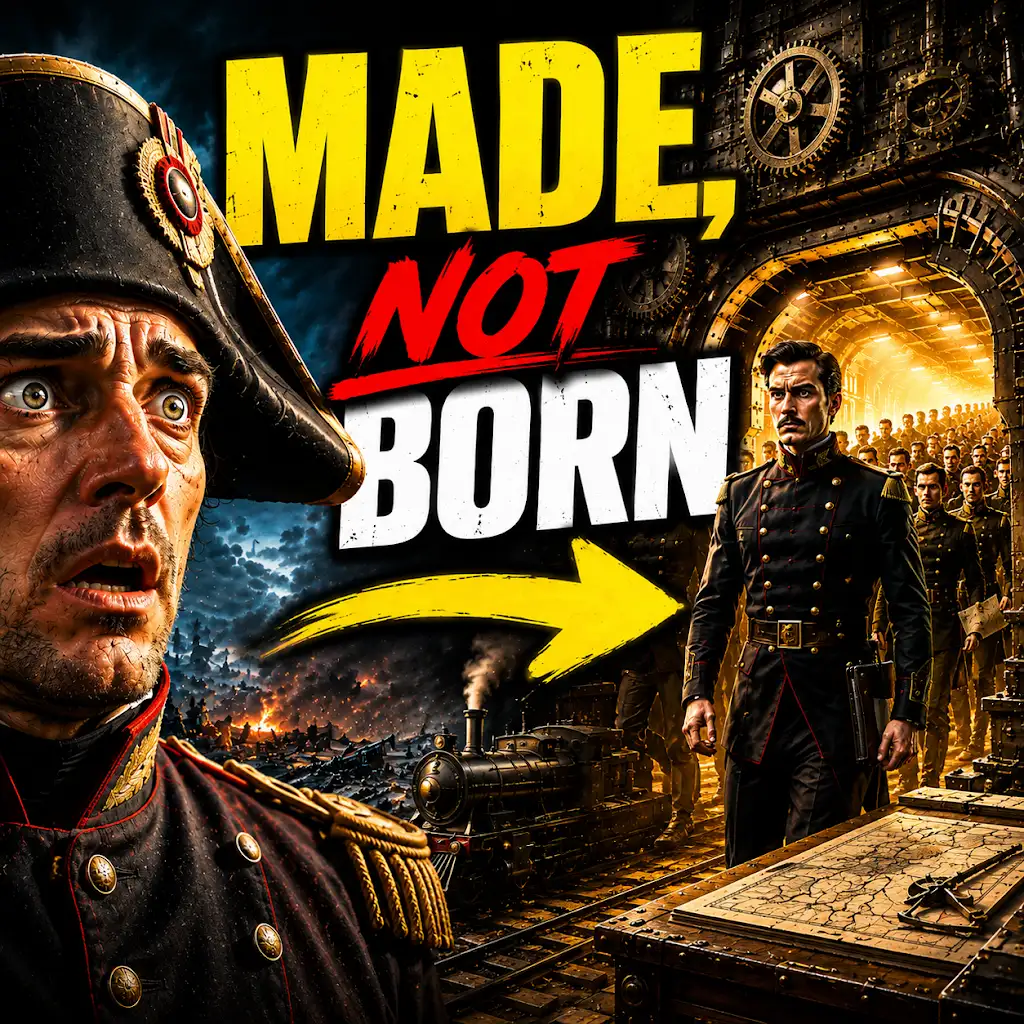
The Military Machine That Didn’t Need a Napoleon
FAQs
What were the key military reforms implemented by Prussia after Napoleon?
The key military reforms implemented by Prussia after Napoleon included the establishment of a general staff system, the adoption of universal military service, the reorganization of the army into a more efficient and professional force, and the introduction of new tactics and strategies based on the lessons learned from the Napoleonic Wars.
How did the general staff system contribute to the Prussian military reforms?
The general staff system, introduced by General Gerhard von Scharnhorst, played a crucial role in the Prussian military reforms by centralizing command and control, improving communication and coordination, and providing professional military education and training for officers.
What impact did the adoption of universal military service have on the Prussian army?
The adoption of universal military service significantly expanded the size of the Prussian army and ensured a large pool of trained and disciplined soldiers. This allowed Prussia to maintain a standing army ready for mobilization and deployment in times of war.
How did the Prussian military reforms influence other European armies?
The Prussian military reforms served as a model for other European armies, inspiring them to modernize and professionalize their own military forces. The reforms influenced the development of military doctrine, tactics, and organization across Europe.
What was the long-term impact of the Prussian military reforms on European history?
The Prussian military reforms contributed to the rise of Prussia as a dominant military power in Europe and laid the foundation for the unification of Germany under Prussian leadership. The reforms also influenced the conduct of warfare and the balance of power in Europe for decades to come.