The iron discipline and strategic brilliance of the Prussian Army are legendary, a cornerstone of European military history. For centuries, the path to leadership within this formidable institution was a rigorous and multifaceted one, demanding not only intellectual acuity and physical prowess but also an unwavering commitment to duty and the state. Prussian officer training was an intricate system designed to forge individuals capable of commanding armies, executing complex maneuvers, and embodying the very essence of Prussian ideals. This journey was not merely about learning to fight; it was about cultivating a specific mindset, a deep understanding of military science, and an ingrained sense of responsibility that extended far beyond the battlefield.
The making of a Prussian officer began long before a uniform was donned. The rigorous German educational system of the time laid the crucial groundwork, emphasizing a strong moral compass, intellectual development, and a nascent understanding of hierarchical structures. For young men destined for military service, their initial schooling was often more than just academic. It was an environment designed to instill the core values that would later define their military careers: obedience, respect for authority, and a dedication to hard work.
Classical Education and the Cultivation of the Mind
Prussian secondary schools, or Gymnasien, provided a robust classical education. Latin and Greek were not mere relics of the past but were seen as essential for developing logical thinking, critical analysis, and a sophisticated command of language. These subjects fostered intellectual discipline, the ability to dissect complex arguments, and a broader understanding of history and philosophy. This intellectual foundation was considered vital for officers who would need to comprehend strategic doctrines, analyze battlefield situations, and articulate their commands with precision. The curriculum also included subjects like mathematics, history, and geography, all of which contributed to a well-rounded understanding of the world and the strategic considerations that influenced military operations. The emphasis on rote learning, while perhaps perceived as rigid by modern standards, served to ingrain information and develop memory recall, a crucial skill for officers expected to retain and apply vast amounts of tactical and logistical knowledge.
Early Military Exposure and the Spark of Patriotism
While not every young man in the Gymnasium was destined for the officer corps, many were exposed to military traditions and the burgeoning sense of Prussian nationalism. Military drills and exercises, sometimes integrated into school life or conducted in local cadet corps, provided an early taste of the discipline and camaraderie that awaited them. These experiences, coupled with the pervasive patriotic fervor of the era, instilled a deep-seated desire to serve the King and Fatherland. The stories of Prussian military heroes, often woven into the fabric of public education and familial discourse, further ignited this patriotic spirit, creating a potent aspiration to join the ranks of the elite. Parental influence and social expectations also played a significant role, with families of means often seeing a military career as a prestigious and honorable path for their sons, ensuring they received the necessary preparation and encouragement.
The training of Prussian Army officers has long been a subject of interest for military historians and strategists alike, particularly due to its influence on modern military education. For a deeper understanding of the evolution of military training and its implications, you can explore a related article that discusses various aspects of officer training throughout history. This article can be found at this link.
The Cadet System: Forging the Future Elite
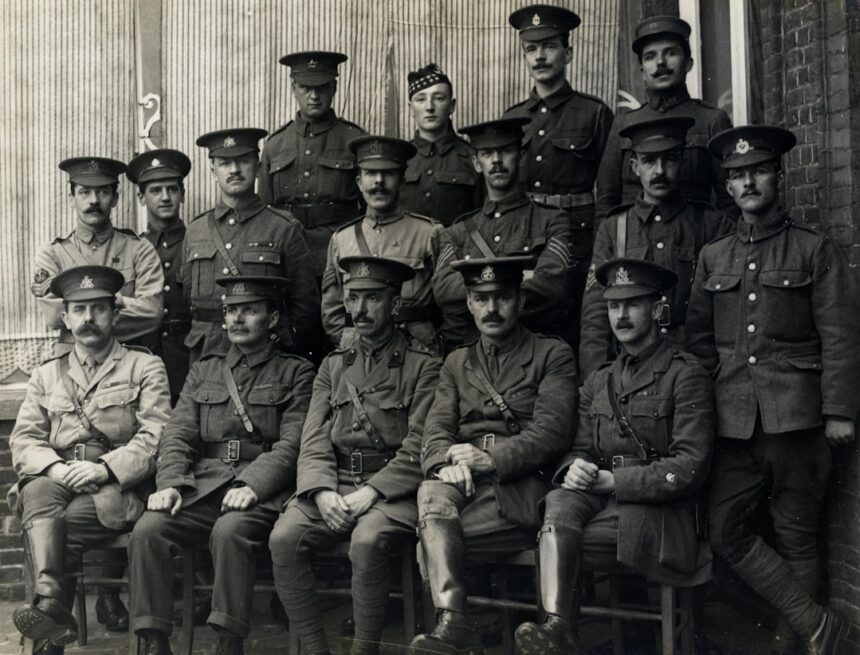
The formal entry into the military path for aspiring officers lay within the esteemed cadet institutions. These were not mere military schools but rather highly selective academies designed to transform boys into disciplined, educated, and loyal soldiers, ready to ascend to the officer corps. The cadet system was a vital crucible, shaping the character and skills of future leaders.
Entry and Selection: A Meritocratic Ideal
Admission to the cadet corps was a competitive process, often requiring specific academic achievements and a recommendation from a trusted source. While aristocratic lineage often opened doors, a growing emphasis was placed on merit and potential. The Prussian state understood the importance of having the most capable individuals leading its forces, and the cadet system aimed to identify and nurture that talent regardless of social standing, though the reality was often a blend of both. Entrance examinations tested not only academic knowledge but also physical fitness and character. This selective process ensured that only the most promising candidates were admitted, setting a high bar from the outset. The rigorous nature of these selections reflected the high stakes of military leadership and the commitment to maintaining a competent and effective officer corps.
Curriculum and Training: A Blend of Academics and Military Drills
Life within the cadet corps was intensely regimented. Days were structured with a balance of academic instruction and military training. Students received advanced education in subjects relevant to military command, including mathematics, physics, engineering, history, and military strategy. Simultaneously, they underwent rigorous physical training, mastering horsemanship, fencing, and combat drills. The emphasis was on developing both the body and the mind, preparing them for the multifaceted demands of military life. The curriculum was meticulously designed to foster a deep understanding of military theory, ensuring that cadets could grasp complex tactical concepts and strategic planning. This theoretical knowledge was then put into practice through simulated scenarios and exercises, allowing cadets to develop their decision-making abilities in a controlled environment. The cadet schools were more than just training grounds; they were institutions that instilled a unique ethos of service, loyalty, and self-sacrifice.
Character Development and the Prussian Virtues
Beyond academic and military skills, the cadet system was instrumental in shaping the character of its charges. Discipline was paramount, enforced through strict adherence to rules and regulations. The cultivation of Tapferkeit (bravery), Pflichtbewusstsein (sense of duty), and Ehre (honor) were central tenets. Cadets were taught to embrace hardship, to act with integrity, and to prioritize the welfare of their subordinates and the state above their own personal comfort. This character development was not a secondary concern but a core objective, as the Prussian military understood that true leadership was rooted in moral strength and an unwavering commitment to ethical conduct. The constant exposure to these virtues, reinforced through leadership examples and stringent expectations, aimed to embed them deep within the psyche of each cadet.
The War Academy: The Pinnacle of Military Education
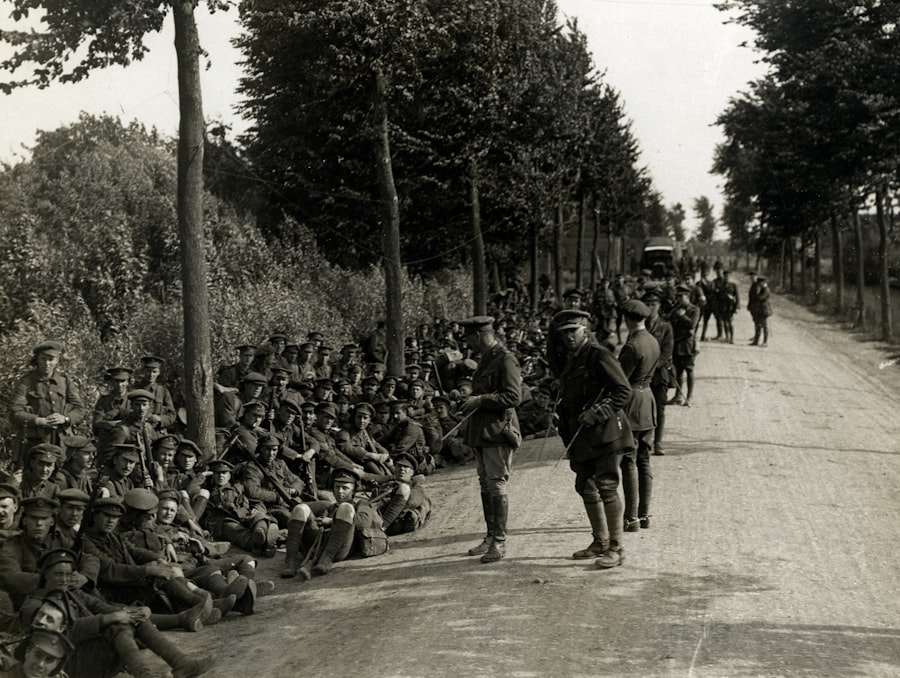
For those who successfully completed their cadet training and demonstrated exceptional promise, the next crucial step was admission to the prestigious Kriegsakademie (War Academy), or later known as the General Staff College. This institution represented the apex of Prussian military education, dedicated to producing officers capable of strategic planning, logistical command, and leading armies in large-scale operations.
The General Staff: The Brains of the Army
The Kriegsakademie was primarily designed to train officers for the General Staff. The General Staff was the intellectual powerhouse of the Prussian Army, responsible for developing strategy, planning campaigns, and advising commanders. Officers selected for the General Staff were the elite of the elite, possessing exceptional intellect, analytical skills, and a deep understanding of military history and theory. Their role was to foresee potential conflicts, devise the most effective courses of action, and ensure the smooth execution of military operations. The rigorous selection process for the Kriegsakademie ensured that only the most brilliant minds were admitted, further solidifying its reputation as a bastion of military intellectualism.
Curriculum and Methodologies: The Art of Warfare
The curriculum at the Kriegsakademie was advanced and demanding. Students delved into complex subjects such as military history, strategy, tactics, logistics, military engineering, and staff organization. Case studies of historical battles and campaigns were meticulously analyzed to extract lessons and principles. The academy also placed a strong emphasis on practical application, with cadets engaging in extensive map exercises, war games, and staff rides. These exercises simulated real-world scenarios, forcing students to make critical decisions under pressure, coordinate different branches of the military, and manage complex logistical challenges. The pedagogical approach was highly analytical, encouraging independent thought and critical evaluation of existing doctrines. The goal was not merely to absorb knowledge but to foster the ability to innovate and adapt.
The Influence of Great Strategists
The intellectual lineage of the Kriegsakademie was deeply influenced by the titans of Prussian military thought, such as Carl von Clausewitz and Helmuth von Moltke the Elder. Their theories on war, strategy, and the nature of conflict were central to the academy’s teachings. Students were encouraged to engage with these seminal works, to understand the philosophical underpinnings of warfare, and to apply these principles to contemporary challenges. The emphasis on understanding the “fog of war” and the human element in conflict, concepts championed by Clausewitz, was crucial. Moltke’s emphasis on initiative and decentralized command also shaped the training, preparing officers to operate effectively in the often chaotic environment of the battlefield. The academy fostered a culture of continuous learning and intellectual exchange, ensuring that its graduates remained at the forefront of military thought.
Officer Candidate and Service: The Practical Application of Knowledge
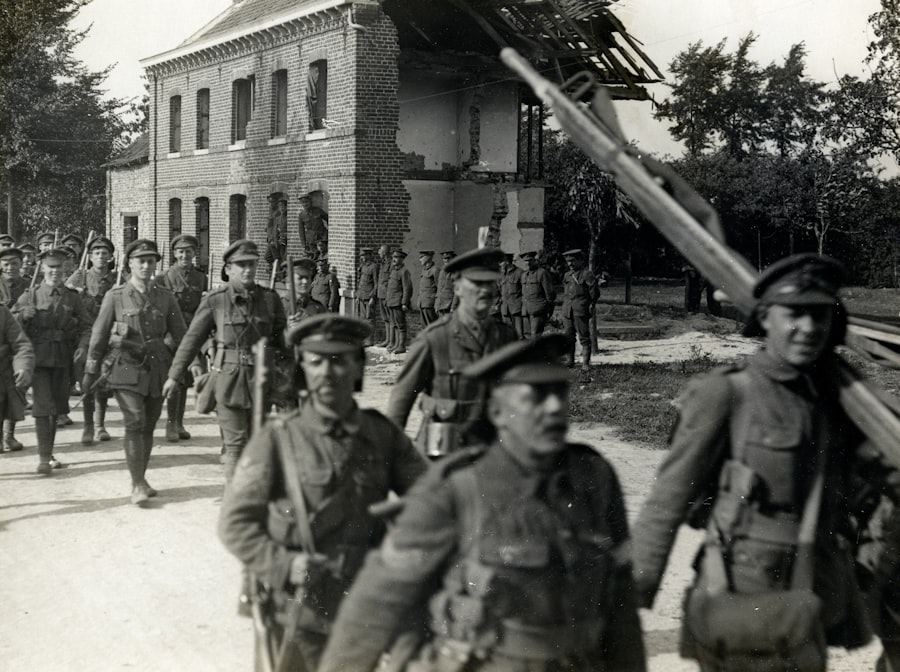
While academic rigor was paramount, the Prussian system also recognized the indispensable value of practical experience. Officer training was not confined to the classroom; it was a continuous process that blended theoretical knowledge with hands-on experience on the ground.
Initial Service and Probationary Period
Upon graduating from cadet school, aspiring officers would typically be assigned to a regiment as a Fahnenjunker (ensign or officer candidate). This was a probationary period where they would serve alongside seasoned officers and NCOs, gaining practical experience in command and administration. During this time, they were expected to demonstrate their leadership potential, their ability to manage soldiers, and their understanding of regimental life. This was a crucial stage for observing the realities of military life, for learning from experienced veterans, and for proving their worthiness for a commission. Their performance during this period was closely observed and evaluated, forming a significant part of the decision regarding their permanent commission.
Regimental Life and the Bonds of Brotherhood
Life in a Prussian regiment was characterized by a strong sense of camaraderie and mutual dependence. Officers were expected to be actively involved in the daily lives of their soldiers, sharing in their hardships and fostering a spirit of loyalty. This direct interaction was vital for understanding the morale and capabilities of their men, and for building the trust necessary for effective command. The regimental system fostered a unique bond, often referred to as a “brotherhood,” where officers relied on each other for support and guidance. This close-knit environment also provided opportunities for informal learning, with more experienced officers mentoring younger ones, sharing their wisdom and insights gained from years of service. The regimental tradition itself was a powerful force, shaping the identity and professional outlook of every officer.
Continuous Training and Professional Development
The training of a Prussian officer did not end with their commission. The Prussian military placed a high value on continuous professional development. Regular maneuvers, staff exercises, and attendance at specialized courses ensured that officers kept their skills sharp and remained abreast of the latest developments in military technology and doctrine. The system was designed to foster a lifelong commitment to learning and improvement, recognizing that the demands of warfare were constantly evolving. This commitment to ongoing education was a key factor in the Prussian Army’s sustained effectiveness and adaptability. The regular cycles of large-scale maneuvers were particularly important, allowing for the testing of new strategies and tactics, and for the development of inter-branch cooperation.
The rigorous training of Prussian Army officers has long been a subject of interest for military historians and strategists alike. This system, which emphasized discipline, leadership, and tactical acumen, laid the groundwork for modern military education. For those looking to delve deeper into the evolution of military training and its implications, a related article can be found at In the War Room, where the impact of historical military practices on contemporary strategies is explored in detail.
The Legacy of Prussian Officer Training: A Model for Leadership
| Training Stage | Duration | Focus |
|---|---|---|
| Officer Cadet School | 2 years | Military theory, tactics, leadership |
| Platoon Leader Training | 6 months | Small unit tactics, command skills |
| Staff Officer Course | 1 year | Operational planning, staff duties |
| General Staff Training | 2 years | Advanced strategy, logistics, administration |
The Prussian model of officer training, with its emphasis on intellectual rigor, character development, and practical experience, had a profound and lasting impact on military institutions worldwide. Its core principles continue to resonate in leadership development programs even today.
Adaptability and Innovation
While often perceived as rigid, the Prussian system was surprisingly adaptable. It evolved over time, incorporating new technologies and strategic thinking. The rigorous intellectual training fostered an environment where officers were encouraged to analyze, question, and innovate, leading to groundbreaking strategies and tactics that consistently outmaneuvered their adversaries. The emphasis on understanding the underlying principles of warfare, rather than simply memorizing rules, allowed Prussian officers to adapt to changing circumstances and to develop novel solutions to complex problems. This ability to innovate within a structured framework was a hallmark of their success.
The Enduring Principles of Leadership
The Prussian emphasis on discipline, duty, honor, and self-sacrifice laid the foundation for a strong and ethical leadership. These qualities, cultivated from the earliest stages of education, fostered officers who were not only skilled tacticians but also moral exemplars. The Prussian officer was expected to lead by example, to inspire loyalty, and to uphold the highest standards of conduct. This focus on character development ensured that the Prussian Army was not just a fighting force but a disciplined and cohesive organization built on trust and mutual respect. The legacy of this approach to leadership continues to inform military academies and training programs across the globe, underscoring the enduring importance of character in effective command. The Prussian officer training system, therefore, was not just about creating soldiers; it was about forging leaders who embodied the highest ideals of service and dedication.
The Military Machine That Didn’t Need a Napoleon
FAQs
What was the Prussian Army officer training like?
The Prussian Army officer training was known for its rigorous and disciplined approach. It focused on developing leadership skills, tactical knowledge, and physical fitness.
What were the requirements to become a Prussian Army officer?
To become a Prussian Army officer, candidates had to meet strict criteria including noble birth, education, physical fitness, and military aptitude. They also had to undergo a rigorous selection process and training at military academies.
What were the key components of Prussian Army officer training?
The key components of Prussian Army officer training included military theory, strategy, tactics, leadership, horsemanship, and marksmanship. The training also emphasized discipline, obedience, and loyalty to the state.
How long did it take to complete Prussian Army officer training?
Prussian Army officer training typically lasted for several years, with candidates undergoing intensive education, practical exercises, and field training. The duration varied depending on the specific career path and rank within the officer corps.
What impact did Prussian Army officer training have on military history?
Prussian Army officer training had a significant impact on military history, as it produced a highly skilled and disciplined officer corps that played a crucial role in the success of the Prussian military. The training methods and principles also influenced other military institutions and contributed to the development of modern military education.