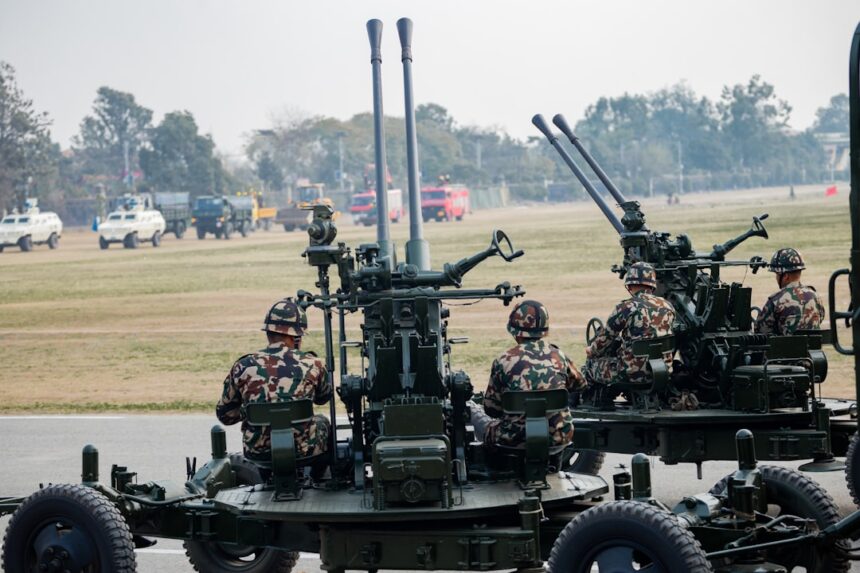
The historical grandeur of Tajbeg Palace, a testament to architectural ambition and the seat of nascent state power, presents a unique set of challenges in its preservation. Beyond the preservation efforts focused on its physical integrity – the meticulous restoration of its intricate façade, the consolidation of its foundations, and the protection of its valuable interiors from environmental degradation – lies a more contemporary concern: its defense against potential airborne threats. The integration of specialized military hardware, specifically Shilka anti-aircraft gun systems, into the protective perimeter of Tajbeg Palace signifies a pragmatic approach to safeguarding a site of immense cultural and political importance. This article examines the rationale behind such a deployment, the specific capabilities of the Shilka system, and the multifaceted considerations involved in its operation within proximity to a historical monument.
The decision to deploy defensive assets like the Shilka system around Tajbeg Palace is not an arbitrary one. It stems from a complex interplay of historical context, geopolitical realities, and the inherent vulnerability of significant landmarks. Palaces, by their very nature, often embody the centralized authority and cultural heritage of a nation. Their destruction or damage can have profound psychological as well as tangible consequences.
Historical Precedents of Vulnerability
Throughout history, significant architectural structures, including palaces, have been targets during times of conflict. From the destruction of ancient cities to the bombing of royal residences in more recent wars, the vulnerability of these sites to military action has been repeatedly demonstrated. Tajbeg Palace, as a symbol of power and a repository of national identity, would inevitably become a focal point in any large-scale confrontation.
Contemporary Threat Landscape
The modern battlefield is increasingly characterized by the omnipresence of aerial threats. Drones, helicopters, and fixed-wing aircraft, whether operated by state actors or non-state groups, pose a persistent risk. The speed and maneuverability of these platforms necessitate a responsive and effective defensive capability, particularly for a site that cannot be easily evacuated or replicated.
Symbolic Value and National Identity
Tajbeg Palace is more than just an impressive building; it represents a nation’s history, its aspirations, and its continuity. The physical destruction of such a landmark can be interpreted as an attack on the very soul of the nation. Therefore, safeguarding it extends beyond mere material preservation; it is a matter of defending national heritage and identity.
Operational Considerations for High-Value Targets
High-value targets, whether military, economic, or cultural, require tailored security measures. The deployment of dedicated air defense systems like the Shilka is a logical extension of a comprehensive security strategy for a site of Tajbeg Palace’s significance. This ensures a proactive stance rather than a reactive, potentially insufficient, response.
The Shilka anti-aircraft guns played a significant role during the conflict at Tajbeg Palace, where they were utilized to defend against aerial threats. For a deeper understanding of the strategic implications and historical context surrounding these weapons, you can read a related article that delves into the intricacies of their deployment and effectiveness in urban warfare. Check out the article here: In the War Room.
The Shilka System: Capabilities and Suitability
The ZSU-23-4 Shilka, a Soviet-era self-propelled anti-aircraft weapon system, has been a stalwart of air defense for decades. Its widespread use and proven effectiveness in various operational environments make it a credible option for protecting sensitive installations. The system’s design prioritizes rapid deployment and engagements against low-altitude threats.
Mechanized Mobility and Rapid Deployment
One of the key advantages of the Shilka is its tracked chassis, which provides excellent off-road mobility. This allows it to be positioned quickly and effectively within the perimeter of Tajbeg Palace, adapting to changing tactical situations or new threat assessments. Its self-propelled nature means it can be brought into operational readiness with minimal external support.
Quad Cannon Configuration and Firepower
The Shilka’s most distinctive feature is its four 23mm automatic cannons. This configuration provides a high rate of fire, capable of delivering a dense barrage of projectiles to saturate an area and increase the probability of intercepting fast-moving targets. The sheer volume of fire is a significant deterrent and an effective means of negating low-altitude airborne threats.
Radar Guidance and Targeting Systems
Early versions of the Shilka were equipped with a dedicated radar system, allowing for independent target acquisition and tracking. Later upgrades have often enhanced these capabilities, providing improved accuracy and responsiveness. This integrated targeting system is crucial for engaging fleeting aerial targets at considerable distances.
Effectiveness Against Low-Altitude Threats
The Shilka’s design specifications are particularly well-suited for engaging aircraft and helicopters operating at low altitudes. This is precisely the threat profile that a palace, often located in or near populated areas, would likely face. Its ability to quickly track and engage targets in this flight envelope is a critical component of its defensive role.
Ammunition and Engagement Range
The 23mm rounds fired by the Shilka are designed to inflict significant damage on aircraft. While the precise effective engaging range can vary based on target type and environmental conditions, it is sufficient to provide a robust defensive zone around the palace, deterring or neutralizing aircraft that venture too close. The availability of consistent ammunition supply is also a consideration for sustained operations.
Integration and Operationalization of Shilka Systems
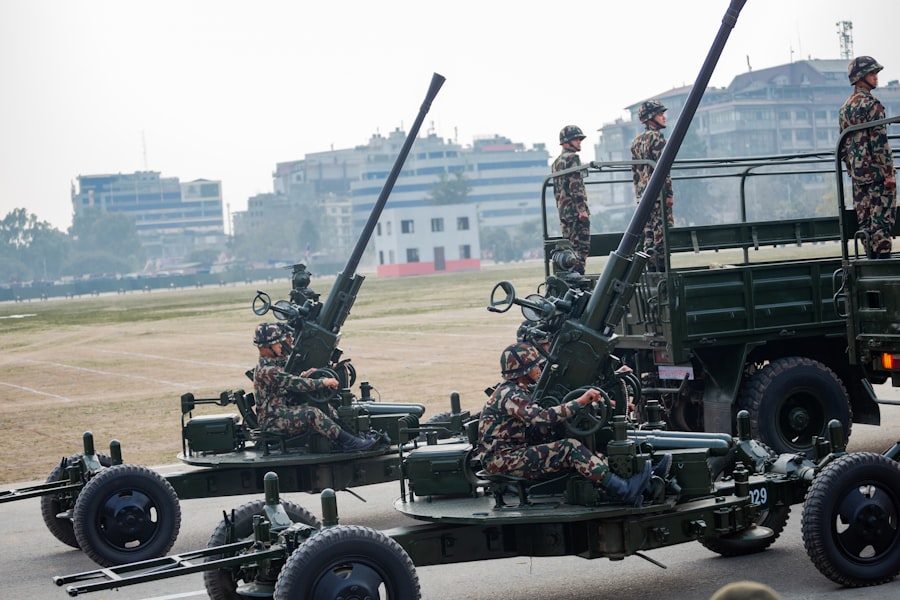
Deploying a military system like the Shilka in such a sensitive location necessitates careful planning and rigorous execution. The integration process involves more than simply placing the vehicles; it requires establishing command and control, ensuring logistical support, and addressing the unique environmental and security considerations of the palace.
Site Selection and Camouflage
The placement of Shilka units must be strategically chosen to maximize their fields of fire while minimizing their visibility and impact on the palace’s aesthetic. Camouflage measures are essential to prevent the systems from becoming targets themselves or from detracting from the historical environment. This involves utilizing natural terrain features and employing specialized camouflage netting.
Command and Control Architecture
Effective air defense requires a robust command and control (C2) network. The Shilka systems would need to be integrated into a broader air defense network, communicating with higher command echelons and potentially other defensive assets. This ensures coordinated responses and efficient allocation of resources. Dedicated communication channels and protocols are paramount.
Logistics and Maintenance Infrastructure
Sustaining the operational readiness of the Shilka requires a dedicated logistical pipeline. This includes regular maintenance, ammunition resupply, and the provision of trained personnel. A secure and accessible logistics support area, located at a suitable distance from the palace, would be essential to avoid disrupting the immediate vicinity.
Rules of Engagement and Threat Assessment
The deployment comes with strict rules of engagement (ROE) that define the parameters under which the Shilka systems can be activated. These ROX are developed based on meticulous threat assessments, outlining specific criteria for identifying hostile aircraft and authorizing engagement. The ROE are designed to prevent accidental engagements and minimize collateral damage.
Crew Training and Proficiency
The effectiveness of any weapon system hinges on the proficiency of its crew. Personnel operating the Shilka must undergo extensive training in target identification, engagement procedures, and the maintenance of their equipment. Regular drills and refresher courses are necessary to maintain a high level of readiness and ensure adherence to safety protocols.
Environmental and Aesthetic Considerations

The presence of heavy military equipment in close proximity to a UNESCO World Heritage site like Tajbeg Palace raises significant environmental and aesthetic concerns. Balancing security requirements with the imperative of preserving the historical and cultural integrity of the location demands a meticulous approach to mitigate any negative impacts.
Minimizing Ground Disturbance
The tracked nature of the Shilka can cause considerable ground disturbance, especially on historical grounds. Careful route selection and the use of protective coverings or reinforced pathways are crucial to prevent damage to the palace’s grounds, gardens, and any archaeological remains.
Noise and Vibration Impacts
The operation of the Shilka’s cannons generates considerable noise and vibration. Extensive studies are required to assess the potential impact of these factors on the structural integrity of the palace and its delicate interior finishes. Operational procedures would need to be designed to minimize these effects, perhaps limiting firing exercises to specific times or locations.
Visual Impact and Camouflage Solutions
The inherent visual presence of military hardware can detract from the aesthetic appeal of historical sites. Advanced camouflage techniques, utilizing patterns and materials that blend with the surroundings, are essential. Discreet placement, often utilizing natural landforms, is also key to minimizing the visual intrusion.
Waste Management and Environmental Protection
As with any military deployment, responsible waste management is critical. Procedures must be in place to handle fuel, lubricants, ammunition casings, and other potential waste products in an environmentally sound manner, preventing contamination of the soil and water around the palace.
Light Pollution and Night Operations
Night operations for anti-aircraft systems can involve searchlights and illuminated targeting systems. Appropriate measures must be taken to prevent light pollution that could impact the surrounding environment or the aesthetic appreciation of the palace at night. Shielded lighting and emission control protocols would be necessary.
The Shilka anti-aircraft guns played a significant role during the conflict surrounding the Tajbeg Palace, showcasing the intense military strategies employed in that era. For a deeper understanding of the historical context and the impact of such weaponry, you can explore a related article that delves into the intricacies of these events. This insightful piece provides a comprehensive overview of the tactical use of the Shilka guns and their implications on the battlefield. To read more about this fascinating topic, visit this article.
Legal and Ethical Frameworks for Deployment
| Location | Shilka Anti Aircraft Guns at Tajbeg Palace |
|---|---|
| Number of Guns | Multiple |
| Caliber | 23 mm |
| Range | 2.5 km |
| Rate of Fire | 3,000 rounds per minute |
The deployment of military assets around a protected heritage site is not solely a technical or operational matter. It is also governed by national and international legal and ethical frameworks that dictate how such actions can be undertaken and what responsibilities are incurred.
International Heritage Law and Conventions
The protection of cultural heritage is governed by international treaties and conventions, such as the Hague Convention for the Protection of Cultural Property in the Event of Armed Conflict. These frameworks provide guidelines for safeguarding cultural sites and dictate restrictions on military activities within their vicinity.
National Security Legislation and Protocols
National security laws provide the legal basis for deploying military assets for protective purposes. These laws outline the chain of command, the authorization processes, and the responsibilities of military personnel. Protocols would be established to ensure compliance with all relevant national legislation.
Accountability and Oversight Mechanisms
Clear lines of accountability must be established for the operation of the Shilka systems. Independent oversight mechanisms, involving civilian authorities and heritage preservation experts, can ensure that the deployment remains within the agreed-upon parameters and that any potential damage is promptly addressed and mitigated.
Risk Assessment and Mitigation Strategies
A comprehensive risk assessment is a fundamental prerequisite for any such deployment. This assessment must consider all potential negative impacts – physical, environmental, and cultural – and develop strategies to mitigate these risks to the greatest extent possible. This involves ongoing evaluation and adaptation.
Public Communication and Transparency
While security concerns often necessitate a degree of discretion, maintaining open communication with relevant stakeholders, including heritage organizations and local communities, can foster understanding and trust. Transparency regarding the purpose and operational parameters of the deployment can help alleviate concerns.
The deployment of Shilka anti-aircraft gun systems around Tajbeg Palace represents a multifaceted response to the complex challenge of safeguarding a site of paramount historical, cultural, and symbolic importance in a contemporary security environment. This strategy, while rooted in pragmatic defense considerations, necessitates a rigorous adherence to international and national legal frameworks, meticulous attention to environmental and aesthetic impacts, and an unwavering commitment to the preservation of the palace’s invaluable heritage. The success of such an endeavor hinges on the coordinated efforts of military, security, and heritage preservation experts, ensuring that the physical defense of the palace does not come at the cost of its enduring legacy.
FAQs
What is the Shilka anti-aircraft gun?
The Shilka is a Soviet-made self-propelled, radar-guided anti-aircraft weapon system. It is designed to provide air defense for military units in the field.
How does the Shilka anti-aircraft gun work?
The Shilka uses a radar system to detect and track aerial targets, and then engages them with its four 23mm autocannons. It is capable of engaging multiple targets simultaneously.
What is the significance of the Shilka anti-aircraft guns at the Tajbeg Palace?
The Shilka anti-aircraft guns at the Tajbeg Palace in Afghanistan were used to defend the palace from potential aerial threats during the Soviet occupation of Afghanistan.
Are Shilka anti-aircraft guns still in use today?
Yes, the Shilka anti-aircraft guns are still in use by various armed forces around the world, including Russia and several other countries.
What is the current status of the Shilka anti-aircraft guns at the Tajbeg Palace?
The current status of the Shilka anti-aircraft guns at the Tajbeg Palace is not publicly known, as the palace has undergone various changes in ownership and control over the years.