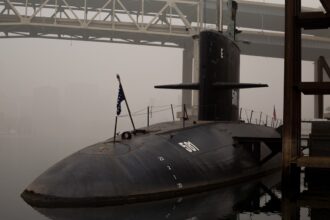
Project Azorian was a top-secret, highly ambitious, and ultimately partially successful operation undertaken by the United States Central Intelligence Agency (CIA) during the Cold War. Its primary objective was to recover the sunken Soviet submarine K-129, lost in the Pacific Ocean in 1968. This undertaking was not merely a salvage mission; it was a high-stakes gamble, a chess match played out in the silent, crushing depths of the ocean, with the Soviet Pacific Fleet as a wary and ever-present opponent. The success or failure of Project Azorian carried significant geopolitical implications, as the recovery of the submarine could provide invaluable intelligence on Soviet naval capabilities and technologies.
The year 1968 marked a silent tragedy in the annals of naval history. The Soviet submarine K-129, a Golf II-class diesel-electric submarine, vanished without a trace in the North Pacific Ocean. While the exact cause of its demise remains a subject of speculation, it is generally believed to have been the result of an internal explosion, possibly due to a missile propellant leak or a battery malfunction. The loss of K-129 was a significant event for the Soviet Navy, not only in terms of materiel but also the loss of its crew, a testament to the inherent dangers of underwater warfare.
The Genesis of Azorian: A Cold War Gambit
The sinking of K-129 was not unknown to the United States. American naval forces, engaged in signals intelligence gathering through a network of listening posts and sonar arrays, detected the submarine’s distress signals and subsequently tracked its final moments. What followed was a period of intense analysis and debate within the highest echelons of the US intelligence community. The potential for recovering the submarine, and with it, a treasure trove of Soviet military secrets, was too great to ignore.
The Strategic Imperative: Unlocking Soviet Secrets
The Cold War was a period defined by a relentless arms race and a pervasive atmosphere of mutual suspicion. Information, particularly concerning military technology and operational strategies, was a currency more valuable than gold. The K-129, with its purported advanced missile systems and communication equipment, represented a golden opportunity to peer into the heart of the Soviet war machine. The intelligence gleaned from such a recovery could inform American defense strategies, counter Soviet advancements, and provide a crucial advantage in the ongoing ideological struggle.
From Detection to Design: The Birth of the Glomar Explorer
Recognizing the immense challenges of recovering a submarine from over 16,000 feet, US intelligence agencies, led by the CIA, embarked on an unprecedented engineering feat. Simply reaching the depth was one hurdle; delicately lifting a massive vessel from the seabed without disintegrating it was another. The solution was to develop a specialized vessel capable of performing this monumental task. This led to the conception and construction of the Hughes Glomar Explorer, a ship unlike any other.
The Glomar Explorer: A Technological Marvel
The Glomar Explorer was more than just a ship; it was a floating island of ingenuity. Its most distinctive feature was a massive central well, a gargantuan “mouth” that could be opened to swallow the salvage equipment and eventually the submarine itself. Beneath this well lay the formidable CMS (Canyon Mobility System), a complex array of winches, cranes, and hydraulic systems designed to manage a colossal lifting claw. The ship was also equipped with sophisticated sonar and navigation systems, essential for pinpointing and maneuvering around the sunken submarine. The development and construction of the Glomar Explorer were shrouded in secrecy, its true purpose disguised by a cover story of deep-sea mining research. This deception was crucial to keeping the Soviet Union in the dark about what was truly brewing beneath the waves.
The covert operation known as Project Azorian, which aimed to recover a sunken Soviet submarine from the depths of the Pacific Ocean, highlights the intense rivalry between the United States and the Soviet Union during the Cold War. For a deeper understanding of the strategic implications of this operation and its impact on the Soviet Pacific Fleet, you can read a related article that delves into the intricacies of naval warfare and espionage during this era. Check it out here: Related Article on Project Azorian.
Navigating the Depths: The Shadow of the Soviet Pacific Fleet
The recovery operation, codenamed Project Azorian, commenced in the 1970s. The chosen location for the salvage was an area of the Pacific Ocean known for its extreme depths and unforgiving conditions. However, the ocean itself was not the only obstacle. The Soviet Pacific Fleet, a formidable force patrolling those very waters, represented a significant and ever-present threat. The possibility of the Soviets discovering the operation and intervening was a constant source of anxiety for the American planners.
The Stealthy Approach: A Dance of Deception
Project Azorian was a meticulously planned operation, aiming for maximum stealth and minimal exposure. The Glomar Explorer operated under the guise of a commercial deep-sea mining vessel, a plausible cover that provided a degree of anonymity. However, the sheer size and specialized nature of the ship, coupled with its extended presence in a remote area, were bound to attract attention.
The Ever-Watchful Eye: Soviet Surveillance Efforts
The Soviet Union was not oblivious to the activities of American naval and intelligence assets in the Pacific. Their intelligence services were constantly monitoring signals, tracking ship movements, and analyzing any anomalies. While they may not have immediately understood the true purpose of the Glomar Explorer, they undoubtedly recognized it as a significant American vessel operating in a strategic region. The risk of a Soviet patrol submarine or reconnaissance aircraft stumbling upon the salvage operation was ever-present.
The Unseen Encounters: Close Calls and Strategic Evasions
The actual operation of salvaging the K-129 involved multiple phases, each carrying its own set of risks. As the Glomar Explorer attempted to secure the submarine with its massive claw, the presence of Soviet warships in the vicinity was a constant concern. While direct confrontations were scrupulously avoided, there were undoubtedly moments of tension and near-discovery.
The Fog of War and the Art of Misdirection
The vastness of the Pacific Ocean provided a natural cloak for the operation. However, the logistical requirements of such a salvage mission meant that the Glomar Explorer could not operate in complete isolation. The successful avoidance of direct detection by the Soviet Pacific Fleet was a testament to the intelligence gathered on Soviet patrol patterns and the cunning implemented in project planning, a sophisticated game of cat and mouse played out beneath the waves.
The Mechanical Heartbeat: The Lifting Operation
The heart of Project Azorian was the intricate and perilous process of lifting the K-129 from the seabed. This was where the engineering prowess of the Glomar Explorer was put to the ultimate test. The claw, a monstrous mechanical appendage, was designed to grapple the submarine and hoist it, inch by agonizing inch, towards the surface.
The Claw’s Embrace: A Delicate Grasp
The salvage claw was a marvel of engineering, designed to exert immense pressure without crushing the delicate hull of the submarine. It was a complex apparatus, requiring precise control and coordination. The descent of the claw, thousands of feet into the ocean abyss, was a nail-biting affair.
Securing the Prize: A Tug of War with Gravity
Once the claw made contact with the K-129, the true struggle began. The immense weight of the submarine, combined with the currents and the pressure of the deep, made this a monumental undertaking. The winches aboard the Glomar Explorer groaned and strained as they worked to overcome the forces of nature. The process was agonizingly slow, each foot gained representing a victory against the crushing embrace of the deep.
The Unveiling: A Partial Triumph and Lingering Mysteries
In the end, Project Azorian achieved a partial success. The Glomar Explorer successfully lifted portions of the K-129 from the ocean floor. However, the operation was not without its setbacks. The sheer weight and the corrosive effects of saltwater meant that the submarine was not recovered intact. Several sections, including the bow, were lost during the ascent, further obscuring some of the sought-after secrets.
Recovered Fragments: Glimpses into Soviet Technology
Despite the incomplete recovery, the salvaged sections of the K-129 provided invaluable intelligence to the United States. Engineers and cryptographers painstakingly analyzed the recovered components, gaining insights into Soviet missile technology, nuclear propulsion systems (though K-129 was diesel-electric, its systems were studied in context of Soviet naval advancements), and communication protocols. This information was instrumental in shaping American defense strategies and technological development during the latter half of the Cold War.
The Human Element: A Somber Acknowledgement
While Project Azorian was a triumph of engineering and intelligence, it also served as a somber reminder of the human cost of naval operations. The K-129 had gone down with all hands, and during the salvage operation, the bodies of some of the crew were recovered. A proper burial at sea was conducted by the American crew, a gesture of respect that transcended the animosity of the Cold War. This act acknowledged the shared humanity of those who served at sea, regardless of nationality.
The covert operation known as Project Azorian aimed to recover a sunken Soviet submarine from the depths of the Pacific Ocean, highlighting the intense rivalry between the United States and the Soviet Union during the Cold War. This ambitious endeavor not only showcased advanced technology but also underscored the strategic importance of the Soviet Pacific Fleet. For a deeper understanding of the geopolitical implications and the intricate details surrounding this operation, you can read more in this insightful article on the War Room.
The Legacy of Azorian: A Masterclass in Covert Operations
Project Azorian stands as one of the most ambitious and audacious covert operations of the Cold War. It was a testament to the ingenuity, technological innovation, and sheer nerve of the individuals involved. The successful recovery of even partial elements of the K-129 provided a significant intelligence coup and underscored the lengths to which nations would go to gain an advantage over their adversaries.
The Echoes in the Depths: Unanswered Questions
Despite the considerable success of Project Azorian, some questions continue to linger. The exact cause of the K-129’s sinking, while largely attributed to an internal accident, has never been definitively proven. Furthermore, the extent of the intelligence gained and its ultimate impact on the Cold War are subjects of ongoing historical debate. The loss of the forward section of the submarine means that some of its most sensitive technological secrets may forever remain buried beneath the Pacific.
A Shadowy Success: The Art of Deniability
The success of Project Azorian was inextricably linked to its secrecy. The CIA meticulously managed information, ensuring that the true nature of the operation remained concealed even from many within the US government. This mastery of deniability allowed the United States to reap the intelligence benefits without provoking a direct and potentially escalatory confrontation with the Soviet Union. The operation stands as a prime example of how intelligence agencies can operate as an unseen hand, shaping global events from the shadows, far from the public eye.
FAQs
What was Project Azorian?
Project Azorian was a secret CIA operation in the early 1970s aimed at recovering a sunken Soviet submarine, K-129, from the Pacific Ocean floor using a specially designed ship called the Hughes Glomar Explorer.
Why was the Soviet Pacific Fleet significant during the Cold War?
The Soviet Pacific Fleet was a major component of the USSR’s naval power, responsible for projecting Soviet influence in the Pacific Ocean and countering U.S. naval forces during the Cold War.
How did Project Azorian relate to the Soviet Pacific Fleet?
Project Azorian targeted a Soviet Golf II-class ballistic missile submarine, part of the Soviet Pacific Fleet, which had sunk in the Pacific Ocean. The operation sought to recover the submarine to gather intelligence on Soviet naval technology.
What challenges did Project Azorian face in recovering the submarine?
The operation faced significant technical challenges, including deep-sea recovery at depths of over 16,000 feet, secrecy to avoid Soviet detection, and the complexity of lifting a large submarine from the ocean floor.
What was the outcome of Project Azorian?
Project Azorian partially succeeded in recovering a portion of the submarine, but much of the vessel was lost during the lift. Despite this, the operation provided valuable intelligence and demonstrated advanced deep-sea recovery capabilities.