The icy waters of the Barents Sea, a region steeped in strategic importance and often shrouded in the mists of the Cold War, played host to a silent, audacious undertaking. Project 661, codenamed “Anchar,” and its singular creation, the submarine K-162, represented a bold, almost defiant, leap in naval engineering. It was a project born from a desire to outpace, outmaneuver, and ultimately outlast the ever-advancing American submarine threat. The Anchar project was not merely about building another submarine; it was about pushing the boundaries of what was thought possible, particularly in the realm of materials science and hull construction, in the pursuit of unparalleled speed and stealth.
The Genesis of an Unconventional Design
The mid-20th century saw an escalating arms race, with the Soviet Union keenly aware of the growing capabilities of the United States’ nuclear-powered submarine fleet. The Polaris missile submarines, in particular, presented a significant strategic challenge, capable of delivering a devastating nuclear strike from the relative safety of the ocean depths. Soviet naval strategists recognized the need for a submarine that could not only hunt these elusive targets but also survive the increasingly sophisticated anti-submarine warfare (ASW) measures being developed by the West. The prevailing wisdom dictated larger, more robust hulls for deeper diving, but the Anchar project dared to question this orthodoxy. The core of its revolutionary approach lay in a material previously considered prohibitively expensive and difficult to work with for submarine construction: titanium.
A Material Revolution in Submarine Warfare
Titanium, with its exceptional strength-to-weight ratio, remarkable corrosion resistance, and significantly higher tensile strength compared to steel, offered a tantalizing proposition. The potential advantages were clear: a lighter hull could translate to greater speed and maneuverability, while its inherent strength could, theoretically, allow for deeper operational depths. However, the technological hurdles were immense. The cost of titanium production was astronomical, and fabricating large, complex structures from it presented significant challenges. Welding titanium, for instance, required specialized inert gas atmospheres to prevent contamination and embrittlement, a process far more intricate and demanding than working with steel. Despite these daunting obstacles, the Soviet Union, driven by its relentless pursuit of technological superiority, committed substantial resources to explore this uncharted territory. The State Design Bureau “Malakhit” (then known as SKB-143) was tasked with the monumental challenge of bringing this visionary concept to life.
The Strategic Imperative: Speed as a Weapon
The primary driver behind Project 661 was the pursuit of unprecedented speed. The prevailing ASW doctrines of the time were largely based on detection and interception, relying on sonar to track enemy vessels. A submarine capable of achieving speeds far exceeding those of contemporary diesel-electric or even early nuclear-powered submarines would possess a significant tactical advantage. It could outrun torpedoes, evade sonar detection by overwhelming it with acoustic clutter, and rapidly reposition itself to gain a tactical advantage. The theoretical maximum speed of the K-162 was a staggering 44.7 knots, a figure that remained unmatched by any other operational submarine for decades. This wasn’t just about being fast; it was about redefining the very nature of submarine warfare, transforming the submarine from a hunter to a phantom, capable of striking and vanishing before its presence was even fully registered.
The Project 661 Anchar submarine, known for its innovative titanium hull, represents a significant advancement in naval engineering and underwater capabilities. For those interested in exploring more about the technological advancements in submarine design and their implications for modern warfare, you can read a related article that delves into the evolution of submarine technology and its strategic importance in contemporary naval operations. Check it out here: Project 661 Anchar and the Future of Submarine Warfare.
The Anchar’s Unique Architecture and Titanium Construction
The decision to utilize a titanium hull was the defining characteristic of Project 661. Unlike conventional submarines that often employed double hulls for buoyancy and protection, the Anchar design featured a single, unpressurized hull constructed entirely from titanium alloy. This radical departure from established submarine design principles was a direct consequence of the material choice and the overarching goal of achieving extreme speed.
The Single Hull Design Philosophy
The single-hull configuration, combined with the titanium’s strength, allowed for a more streamlined and compact design. This reduced hydrodynamic drag, a crucial factor in achieving high speeds. A double-hull design, while offering advantages in terms of buoyancy control and providing a buffer zone, would have significantly increased the submarine’s overall size and weight, compromising its speed potential. The engineers at SKB-143 had to meticulously design every aspect of the hull to maximize its efficiency in the water, ensuring that the powerful propulsion systems could translate their output into raw velocity. This meant a sleek, almost torpedo-like silhouette, devoid of the protrusions and complex external structures that characterized many other submarines of the era.
The Intricacies of Titanium Fabrication
The construction of the K-162 was a testament to Soviet industrial prowess and the sheer determination to overcome material limitations. Welding titanium on such a scale was an unprecedented undertaking. Specialized welding techniques, including gas tungsten arc welding (GTAW) performed in controlled inert gas environments, were developed and rigorously applied. The hull was divided into modular sections, each meticulously fabricated and then joined together. Even minor imperfections in the welds could compromise the hull’s integrity, especially under the immense pressures of deep water and the stresses of high-speed maneuvers. Quality control was paramount, with extensive non-destructive testing methods employed to ensure the integrity of every joint. The sheer cost of the titanium, estimated to be several times that of steel, meant that this was a one-of-a-kind vessel, a solitary pinnacle of material science experimentation in submarine design. The cost alone was staggering, leading to the submarine earning the nickname “The Golden Fish.”
Propulsion and Performance: A Symphony of Power
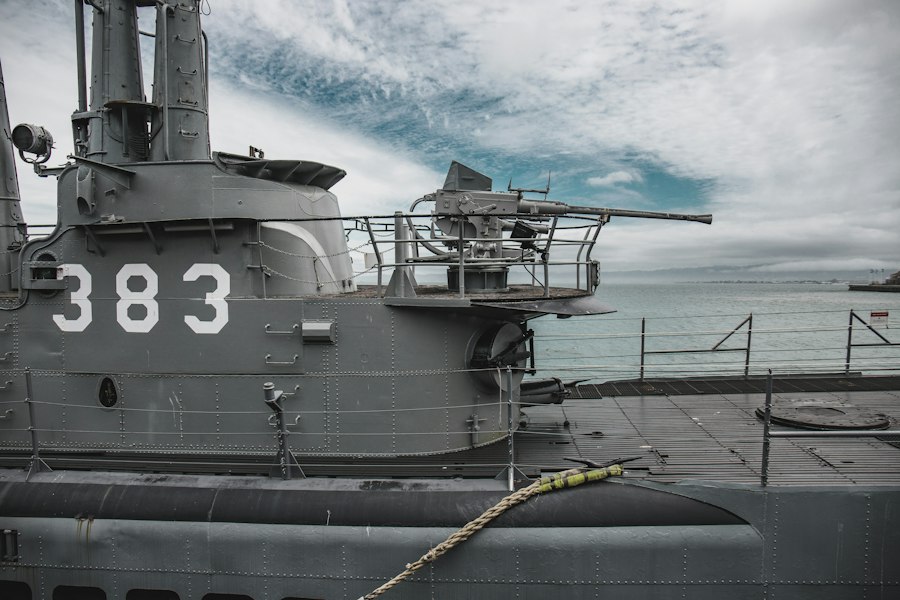
The Anchar’s extraordinary speed was not solely a function of its hull design; it was inextricably linked to its revolutionary propulsion system. The K-162 was powered by two VM-5 steam turbine sets, a design that pushed the boundaries of power output for submarine applications.
The VM-5 Powerplant: A Technological Marvel
The VM-5 reactors were a significant advancement in Soviet naval nuclear technology. These pressurized water reactors (PWRs) were designed to deliver a massive amount of power, enabling the submarine to sustain high speeds for extended periods. The turbines were capable of generating an astonishing 135,000 horsepower, a figure that dwarfed the output of most other submarines of the time. This immense power had to be carefully managed, however. The acoustic signature generated by such powerful machinery was a significant challenge, and the engineers worked tirelessly to mitigate it through advanced silencing techniques. The drive to achieve speed often came at the cost of stealth, and the Anchar project was a constant balancing act between these two crucial elements of submarine warfare.
Exceeding Expectations: The Speed Records
During its operational life, the K-162 proved that its design specifications were not just theoretical. While exact figures are often debated and shrouded in secrecy, it is widely acknowledged that the submarine achieved speeds in excess of 40 knots, with some unconfirmed reports suggesting it approached or even exceeded 45 knots. This made it the fastest submarine ever built, a formidable asset that could outmaneuver any conventional ASW platform. The sheer velocity also meant that the submarine could cover vast distances quickly, enhancing its strategic flexibility and its ability to evade detection. The psychological impact of such a capability, even if not fully realized in combat, was also a significant factor in the Cold War naval landscape.
Operational Life and Legacy: A Unique but Limited Career
Despite its groundbreaking technology and impressive performance, Project 661 and the K-162 had a relatively short and somewhat unconventional operational career. The immense cost, the inherent complexities of its design, and the emergence of new naval technologies all contributed to its limited service life.
The Cost and Complexity Factor
The decision to build a single, all-titanium submarine was an extraordinarily expensive endeavor. The raw material costs alone were astronomical, and the specialized manufacturing processes further inflated the price tag. This economic burden, coupled with the inherent maintenance challenges associated with such a unique vessel, meant that the Soviet Union was unlikely to embark on a large-scale production of Anchar-class submarines. While the K-162 served as a vital technology demonstrator and a symbol of Soviet engineering ambition, its economic viability as a fleet submarine was questionable. The Soviets learned invaluable lessons from the project, but the cost-benefit analysis for replication proved unfavorable.
Strategic Role and Evolution of ASW
The K-162 operated primarily in the Barents Sea and the North Atlantic, often tasked with shadowing NATO submarines and conducting surveillance missions. Its speed allowed it to engage in cat-and-mouse games with enemy vessels, demonstrating its tactical superiority in terms of maneuverability. However, as the Cold War progressed, so did anti-submarine warfare technology. The development of quieter submarines, more sophisticated sonar systems, and improved ASW tactics began to erode some of the Anchar’s advantages. While its speed remained unparalleled, the increasing emphasis on stealth and passive detection meant that the operational environment for such a fast submarine became more complex. Furthermore, the acoustic signature, though mitigated, was still a factor that could betray its presence.
The End of an Era
The K-162 was eventually decommissioned in 1988, having served for approximately two decades. While it never saw combat, its impact on submarine design and naval thinking was undeniable. It proved that the theoretical limits of submarine speed could be pushed, and it showcased the potential of exotic materials like titanium in naval applications. The lessons learned from Project 661 informed subsequent Soviet and Russian submarine designs, even if the Anchar’s specific configuration was not replicated. The submarine’s hull now rests in the Murmansk region, a silent testament to a bold experiment in naval engineering.
The Project 661 Anchar submarine, known for its innovative titanium hull, represents a significant advancement in naval engineering. This unique design not only enhances the submarine’s durability but also contributes to its stealth capabilities, making it a formidable asset in underwater warfare. For those interested in exploring more about the evolution of submarine technology and its implications for modern naval strategy, a related article can be found at In The War Room, where various aspects of military advancements are discussed in detail.
The Enduring Significance of Project Anchar
| Metric | Details |
|---|---|
| Project Name | Project 661 Anchar |
| Type | Titanium Hull Submarine |
| Country | Russia (Soviet Union) |
| Displacement | Approximately 4,000 tons (surfaced), 4,600 tons (submerged) |
| Length | 98 meters (322 feet) |
| Beam | 9.2 meters (30 feet) |
| Draft | 6.3 meters (20.7 feet) |
| Maximum Speed | 44.7 knots (submerged) – fastest submarine speed recorded |
| Propulsion | One nuclear reactor, two steam turbines, two shafts |
| Hull Material | Titanium alloy |
| Test Depth | Approximately 300 meters (984 feet) |
| Armament | 6 x 533 mm torpedo tubes |
| Crew | Approximately 75 personnel |
| Commissioned | 1969 |
| Decommissioned | 1990 |
Project 661 Anchar, and its remarkable submarine K-162, stands as a unique chapter in the history of naval technology. It was a project driven by ambition, a desire to achieve the seemingly impossible, and a willingness to invest heavily in pushing the boundaries of engineering. The Anchar was not just a submarine; it was a statement of intent, a testament to the Soviet Union’s capacity for innovation, and a significant challenge to the established norms of submarine warfare.
A Bold Experiment in Materials and Design
The Anchar project’s reliance on a titanium hull for a single-hull, high-speed submarine was a radical departure from established naval architecture. It required overcoming immense technical and financial hurdles. The success in fabricating such a complex structure from titanium, and achieving the projected speeds, demonstrated a level of engineering ingenuity that impressed and, at times, unnerved Western naval strategists. It forced them to reconsider the potential capabilities of their adversaries and to adapt their own ASW strategies accordingly. The “Golden Fish” was a symbol of audacious thinking, a project where cost was secondary to the pursuit of unparalleled performance.
Lessons Learned and Future Implications
While Project 661 did not lead to a new class of titanium submarines, the knowledge gained was invaluable. The expertise developed in titanium fabrication, reactor technology, and high-speed hydrodynamics influenced the design of later Soviet and Russian submarines. The pursuit of speed, even if tempered by the need for stealth, remained a recurring theme in submarine development. The Anchar project served as a crucial stepping stone, demonstrating the feasibility of certain advanced technologies and influencing the direction of future naval research and development. It underscored the importance of materials science in military applications and highlighted the ongoing arms race in technological innovation. The Anchar’s legacy is not just in its speed, but in the enduring impact it had on the evolution of submarine warfare, a testament to the power of pushing the envelope.
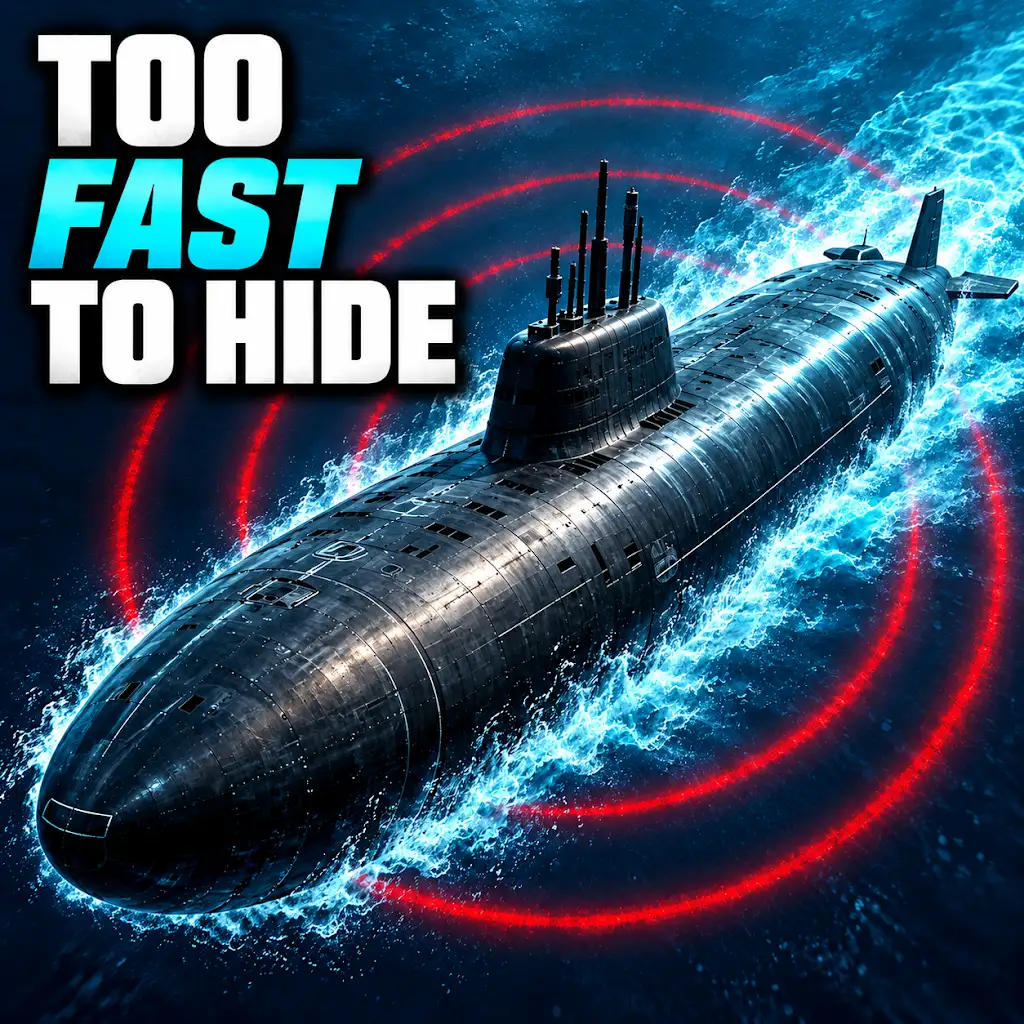
The Soviet Submarine That Broke a Speed Record—and Its Own Stealth
FAQs
What is Project 661 Anchar?
Project 661 Anchar, also known as the “Papa-class” submarine, was a Soviet nuclear-powered submarine built during the Cold War era.
What is unique about the Project 661 Anchar submarine?
The Project 661 Anchar submarine was the world’s fastest submarine, capable of reaching speeds of up to 44.7 knots (82.8 km/h) underwater.
What material was used for the hull of the Project 661 Anchar submarine?
The hull of the Project 661 Anchar submarine was made of titanium, making it the first submarine to use this material for its construction.
When was the Project 661 Anchar submarine commissioned?
The Project 661 Anchar submarine was commissioned in 1971 and served in the Soviet Navy until it was decommissioned in the late 1980s.
What was the purpose of the Project 661 Anchar submarine?
The Project 661 Anchar submarine was designed for high-speed operations and was intended to be a fast attack submarine capable of outrunning enemy vessels.